
When looking at the landscape of modern retail, few names carry as much weight in the financial world as Costco Wholesale Corporation. To understand the financial juggernaut it has become, one must look back to the early 1980s. While many consumers simply see a place to buy bulk goods, investors and business analysts see a masterclass in capital efficiency and subscription-based revenue. The story of when Costco opened is not just a chronological fact; it is the starting point of a revolutionary business model that transformed the relationship between retail margins and shareholder value.
The Genesis of the Warehouse Model: The 1983 Opening and Beyond
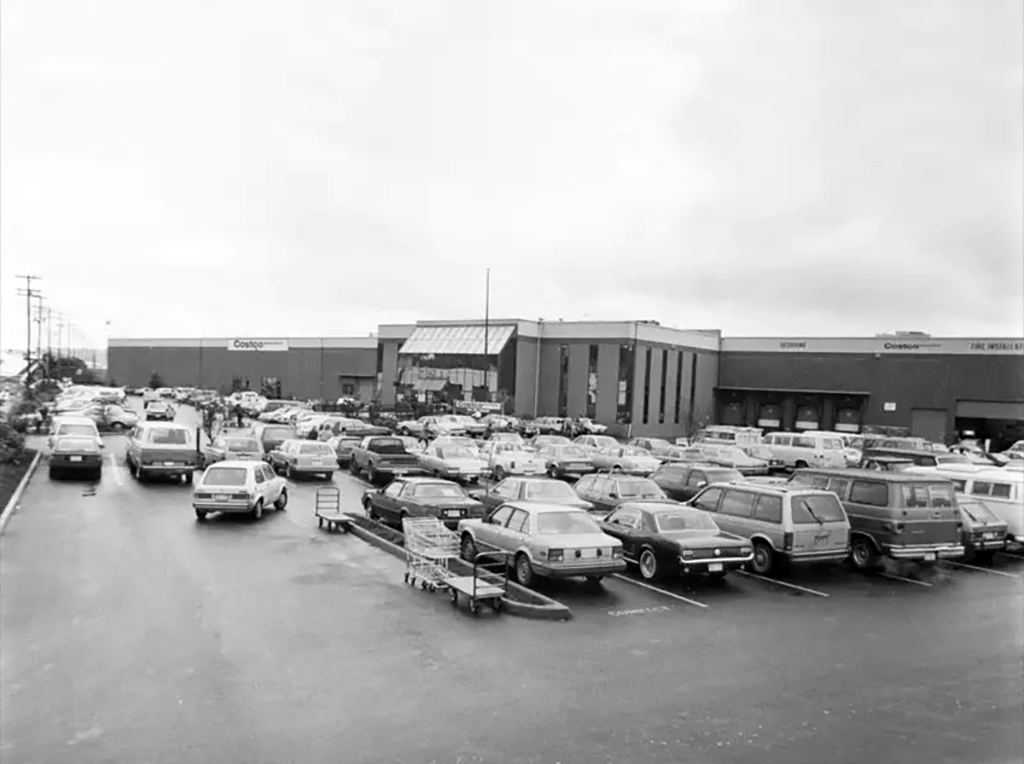
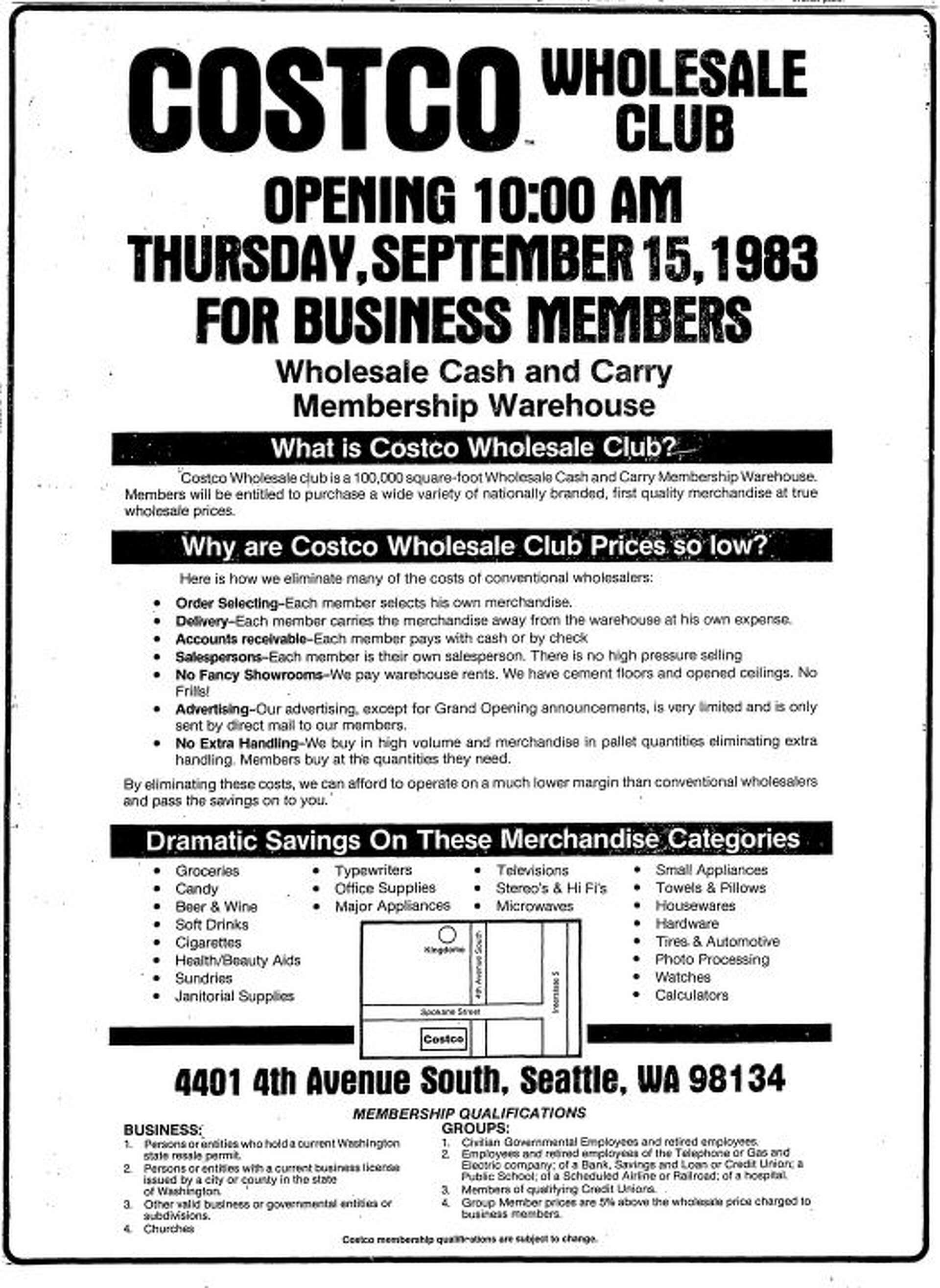
Costco opened its first warehouse on September 15, 1983, in Seattle, Washington. Founded by James (Jim) Sinegal and Jeffrey Brotman, the company was built on a premise that was radical for its time: offer a limited selection of items at near-break-even prices, and charge customers for the privilege of shopping there. However, the financial DNA of Costco actually traces back even further through its eventual merger with Price Club.
James Sinegal and Jeffrey Brotman’s Financial Vision
In 1983, the retail landscape was dominated by department stores and traditional supermarkets that relied on high markups. Sinegal, who had trained under retail pioneer Sol Price, envisioned a “no-frills” environment. By stripping away the costs of advertising, fancy displays, and excessive sales staff, Costco could pass those savings directly to the consumer. This lean operational structure allowed the company to reach $1 billion in sales in its first full year of operation—a feat that was unprecedented in the retail industry at the time.
The Price Club Merger and Financial Synergies
To fully understand the timeline of Costco’s opening, one must acknowledge the 1993 merger with Price Club. Price Club had actually opened earlier, in 1976, inside a converted airplane hangar in San Diego. When the two companies merged to form PriceCostco, they combined their financial resources to scale at an exponential rate. This merger was a strategic move to dominate the warehouse club niche, consolidating market share and creating a massive purchasing power that forced suppliers to lower their prices, further fueling Costco’s low-margin, high-volume financial engine.
The Business Finance Behind the Membership Model
At the heart of Costco’s financial success is a concept that is now widely emulated but rarely perfected: the membership-based revenue stream. Unlike traditional retailers that rely on the “spread” between the cost of goods sold and the retail price, Costco’s profitability is almost entirely derived from its annual membership fees.
Subscription Revenue as a Profit Engine
For the fiscal year, Costco’s membership fee revenue often accounts for a staggering majority of its net income. By securing capital upfront through annual fees (Gold Star and Executive memberships), Costco creates a predictable and recurring cash flow. This financial cushion allows the company to weather economic downturns more effectively than its competitors. When inflation rises or consumer spending fluctuates, the “sticky” nature of the membership ensures that customers return to maximize the value of their paid subscription.
Low-Margin Retail vs. High-Margin Memberships
While a typical supermarket might have a markup of 25% to 35%, Costco caps its markups at approximately 14% to 15%. From a business finance perspective, this is a “loss leader” strategy applied to an entire warehouse. The goal isn’t to make a killing on a gallon of milk or a rotisserie chicken; the goal is to provide so much value that the customer views the $60 or $120 annual fee as a mandatory investment for their household or business budget. This creates a virtuous cycle: low prices drive membership growth, and more members provide more leverage to negotiate even lower prices from suppliers.
Costco as a Case Study in Operational Efficiency
Costco’s ability to maintain profitability with razor-thin margins is a result of extreme operational efficiency. In the world of business finance, this is measured through inventory turnover and supply chain optimization.

Inventory Turnover and Supply Chain Economics
Costco carries approximately 4,000 Stock Keeping Units (SKUs) at any given time, compared to 30,000 at a typical supermarket or 100,000+ at a Walmart Supercenter. This limited selection is a deliberate financial strategy. By selling fewer items in massive quantities, Costco achieves incredible inventory turnover—often selling products before the invoice from the supplier is even due. This “negative cash conversion cycle” means Costco is essentially operating on its suppliers’ capital, a highly efficient way to manage corporate liquidity.
The “Kirkland Signature” Private Label Strategy
Launched in 1995, the Kirkland Signature brand is a cornerstone of Costco’s financial architecture. By developing high-quality private-label goods, Costco can bypass brand-name premiums and capture a higher margin while still offering a lower price to the consumer. Kirkland products now account for about a quarter of the company’s total sales. From an investment standpoint, this brand equity is an intangible asset that protects the company’s “moat,” making it difficult for competitors to lure members away.
Investor Perspective: COST Stock Performance and Dividends
For those looking at Costco through the lens of investing and wealth building, the company has been one of the most consistent performers on the NASDAQ since it went public in the early 1980s. Trading under the ticker symbol COST, the stock has become a staple in many long-term portfolios.
Historical Returns and Market Resilience
Since its IPO, Costco has significantly outperformed the S&P 500 index. Investors are drawn to the company’s “defensive” nature; even during the 2008 financial crisis and the 2020 pandemic, Costco remained a vital destination for consumers, leading to resilient earnings. The company’s focus on the “Executive Member” demographic—generally higher-income households—provides a level of insulation against economic volatility that other discount retailers do not enjoy.
Dividend Policy and Special Payouts
Costco’s approach to returning capital to shareholders is unique. In addition to a regular quarterly dividend, the company is famous for its occasional “special dividends.” These large, one-time payouts are funded by the company’s massive cash reserves. For example, in early 2024, Costco paid out a special dividend of $15 per share. This strategy rewards long-term shareholders while maintaining the flexibility of the company’s balance sheet, a move that is highly regarded by institutional investors and personal finance experts alike.
Impact on Personal Finance and Consumer Savings
Beyond its corporate balance sheet, Costco’s opening in 1983 fundamentally changed how families manage their personal finances. The “Costco Effect” refers to the ability of a household to significantly lower their cost of living through strategic bulk purchasing.
The Economics of Bulk Purchasing
The core value proposition for the individual is the unit price. By purchasing in bulk, consumers can reduce the price-per-unit on non-perishable goods, such as paper products, detergents, and pantry staples. For a family of four, the savings generated in a single month can often exceed the cost of the annual membership. However, from a personal finance management perspective, Costco also presents a challenge: the “treasure hunt” atmosphere often leads to impulse buys, which can inflate a monthly budget if not managed disciplinedly.
Ancillary Services: Gas, Pharmacy, and Insurance
Costco has expanded its financial ecosystem to include services that go far beyond the warehouse floor. Costco Gasoline is frequently cited as one of the most significant draws for members, often priced several cents lower than local competitors. Additionally, the company offers optical services, pharmacies, travel packages, and even mortgage assistance. By becoming a “one-stop shop” for financial services and high-ticket items, Costco increases its “wallet share”—the percentage of a customer’s total annual spending that goes into their ecosystem.
Conclusion: A Legacy of Financial Discipline
When did Costco open? It opened in 1983, but more importantly, it opened a new chapter in the history of retail finance. By prioritizing long-term membership loyalty over short-term per-item profit, Costco created a business model that is remarkably durable. For the investor, it represents a paragon of steady growth and capital efficiency. For the consumer, it is a vital tool for managing household expenses in an inflationary world. As Costco continues to expand globally, its foundational principles—low prices, high volumes, and a premium on membership—remain the golden standard for how a company can thrive by doing more with less.
aViewFromTheCave is a participant in the Amazon Services LLC Associates Program, an affiliate advertising program designed to provide a means for sites to earn advertising fees by advertising and linking to Amazon.com. Amazon, the Amazon logo, AmazonSupply, and the AmazonSupply logo are trademarks of Amazon.com, Inc. or its affiliates. As an Amazon Associate we earn affiliate commissions from qualifying purchases.