
The question of when lead-based paint was banned is not merely a historical curiosity; it’s a crucial piece of information with significant financial and health implications for homeowners, investors, and the real estate market at large. Understanding the timeline of lead paint regulation is essential for informed decision-making, property management, and safeguarding investments. While the ban itself is a public health measure, its ripple effects are deeply intertwined with financial considerations, from property value and renovation costs to potential liabilities. This article delves into the history of lead paint bans and their enduring impact on the financial landscape.
The Evolution of Lead Paint Regulation: A Timeline of Protection
The realization that lead in paint posed a serious health hazard, particularly to children, did not emerge overnight. It was a gradual process driven by mounting scientific evidence and public advocacy, leading to a patchwork of regulations that eventually culminated in a nationwide ban.
Early Warnings and Gradual Restrictions
Long before a comprehensive ban was enacted, concerns about lead’s toxicity were surfacing. As early as the 1920s, international discussions began to address the use of lead in paints. However, widespread implementation of restrictions was slow to materialize.
International Recognition of Lead Dangers
In the 1920s, several European countries, including France, Belgium, and Sweden, took early steps to ban lead-based paints. These nations recognized the detrimental health effects associated with lead exposure, especially in residential settings. This international movement, while influential, did not immediately translate into broad regulatory action in the United States. The economic interests of the lead paint industry played a significant role in delaying widespread governmental intervention.
Early U.S. Efforts and Industry Pushback
In the United States, the American Public Health Association began advocating for restrictions on lead paint in the 1940s. However, these efforts faced considerable resistance from manufacturers who had a vested interest in continuing the production and sale of lead-based paints. The ubiquity of lead in paint was attributed to its durability, opacity, and cost-effectiveness, making it a preferred choice for decades. The gradual phase-out of lead in residential paints was a slow and often contested process.
The Landmark Legislation: The Lead-Based Paint Poisoning Prevention Act
The turning point in the regulation of lead-based paint in the United States came with the passage of landmark federal legislation. This act, along with subsequent amendments, fundamentally altered the landscape of housing and renovation.
The Residential Lead-Based Paint Hazard Reduction Act of 1992
While earlier legislation had taken steps, the Residential Lead-Based Paint Hazard Reduction Act of 1992 is the most pivotal piece of legislation in this context. This act, often referred to as Title X, established comprehensive requirements for the identification, evaluation, and reduction of lead-based paint hazards in housing. Crucially, it mandated that sellers and landlords provide specific disclosures about known lead-based paint and lead-based paint hazards to purchasers and renters of housing built before 1978. This act solidified the date of 1978 as a critical threshold in lead paint regulation.
The EPA’s Role and Enforcement
The Environmental Protection Agency (EPA) played a central role in implementing and enforcing regulations related to lead-based paint. Under the authority granted by various acts, including the Toxic Substances Control Act (TSCA), the EPA has worked to ban the use of lead-based paint in most residential settings. The key date often cited in relation to this ban is 1978, when the Consumer Product Safety Commission (CPSC) banned the sale of lead-based paint for residential use. This ban effectively prohibited its application in virtually all new housing constructed after that year.
Financial Ramifications of Lead Paint Regulation
The ban on lead-based paint, while a public health triumph, has had profound and ongoing financial implications for individuals and the real estate industry. These consequences range from the cost of remediation and renovation to impacts on property valuation and potential legal liabilities.
Property Valuation and Renovation Costs
The presence of lead-based paint in older homes can significantly impact their market value and the cost associated with renovations. Buyers and owners of pre-1978 properties must factor in the potential for lead-based paint and the associated expenses.
Disclosure Requirements and Due Diligence
The disclosure requirements mandated by laws like Title X place a financial burden on sellers. They must disclose any known lead-based paint hazards, which often necessitates professional testing to accurately identify the presence and condition of the paint. This testing itself incurs costs. For potential buyers, conducting thorough due diligence, including lead paint testing, is an investment in understanding the true financial commitment of a property. The discovery of lead-based paint can lead to renegotiations of sale price or the buyer walking away from the deal, impacting the seller’s financial outcome.
The Cost of Remediation and Abatement
For homeowners undertaking renovations or dealing with deteriorating lead-based paint, the costs of remediation and abatement can be substantial. Lead paint removal is a specialized and regulated process. It requires trained professionals, containment measures to prevent the spread of lead dust, and proper disposal of hazardous waste. These safety protocols significantly increase the expense compared to standard painting or renovation work. Depending on the extent of the lead paint and the scope of the renovation, these costs can range from a few thousand dollars for minor repairs to tens or even hundreds of thousands for complete abatement and renovation projects in larger homes.
Investment and Development Considerations
For real estate investors and developers, understanding the regulatory landscape surrounding lead-based paint is paramount for profitable and compliant ventures.
Due Diligence in Property Acquisition
Investors looking to acquire older properties, especially for rental income or resale, must incorporate lead paint inspections into their due diligence process. Failing to identify lead-based paint hazards upfront can lead to unexpected and costly remediation efforts down the line, eroding profit margins. This proactive approach helps in accurate financial forecasting and risk assessment, ensuring that the projected returns on investment are realistic.
Renovation and Development Projects
For developers undertaking renovation or new construction projects in areas with older housing stock, compliance with lead-based paint regulations is non-negotiable. This includes adhering to lead-safe work practices during demolition and renovation, ensuring that any lead-based paint is handled and disposed of properly to avoid environmental contamination and legal penalties. The cost of compliance must be factored into the project budget from the outset, influencing the overall feasibility and profitability of the development.
Legal Liabilities and Insurance Implications
The presence of lead-based paint can also expose property owners to significant legal liabilities and impact their insurance coverage.

Health-Related Lawsuits
Historically, exposure to lead-based paint has been linked to severe health problems, particularly in children, including developmental delays, learning disabilities, and behavioral issues. Property owners who fail to adequately address known lead-based paint hazards, especially in rental properties, can face lawsuits from individuals who suffer lead poisoning. These lawsuits can result in substantial financial settlements or judgments, covering medical expenses, pain and suffering, and other damages.
Insurance Policies and Lead Paint Coverage
Insurance policies for homeowners and landlords may have specific exclusions or limitations regarding lead-based paint-related claims. It is crucial for property owners to understand their insurance coverage and to consult with their insurance providers about policies that offer protection against lead-based paint liabilities. In some cases, obtaining specific lead liability insurance may be necessary, adding another layer of financial consideration to property ownership.
The Enduring Relevance of the 1978 Ban
The ban on lead-based paint for residential use in 1978, primarily enacted by the Consumer Product Safety Commission (CPSC), remains the pivotal date for understanding current regulations and the inherited risks associated with older housing. While the ban effectively halted the sale and application of new lead-based paints, it did not magically remove existing lead paint from homes.
The Challenge of Existing Lead Paint
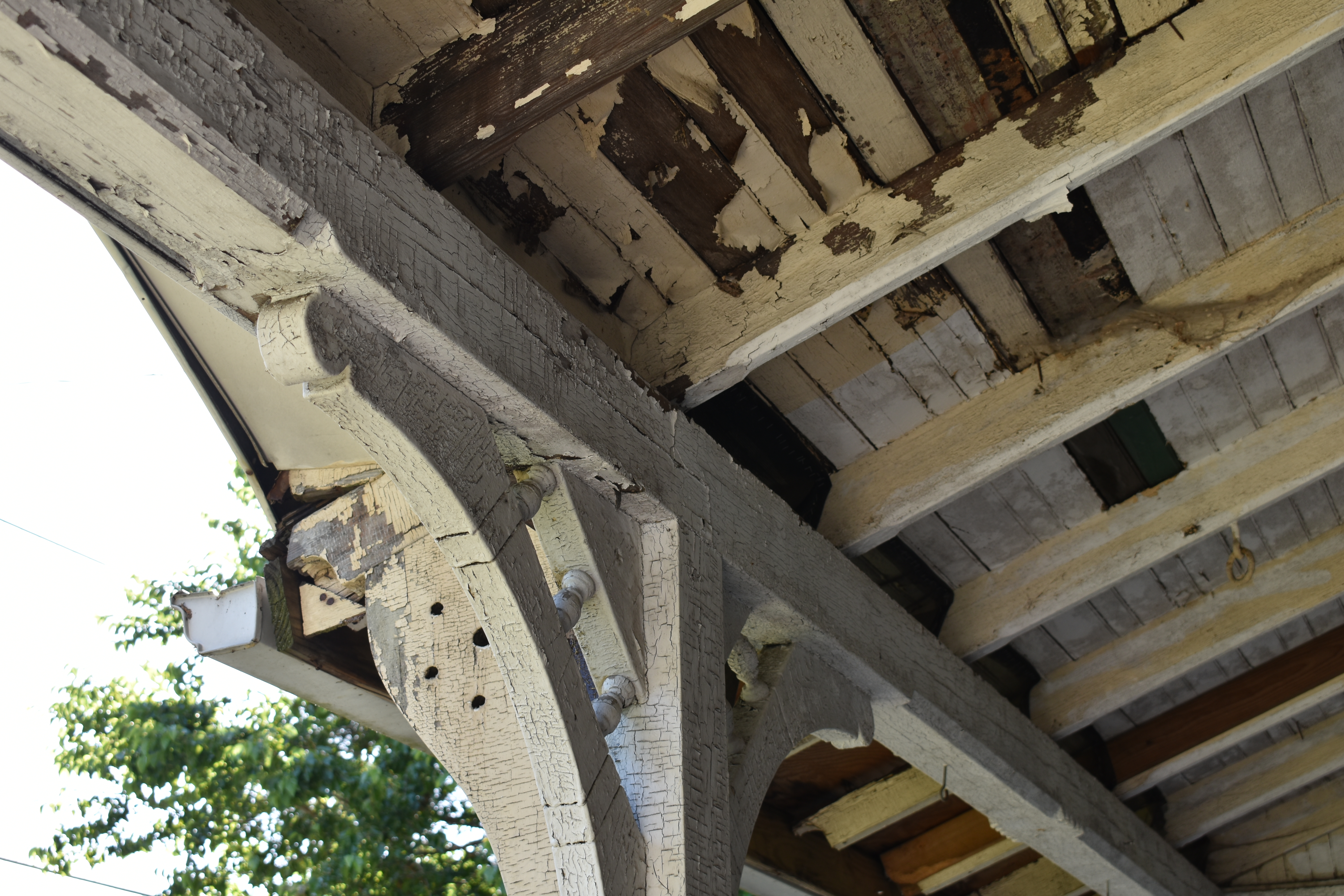
Millions of homes constructed before 1978 still contain lead-based paint. This paint, especially when it is in good condition, may not pose an immediate hazard. However, as paint deteriorates due to age, wear and tear, or damage, it can chip, peel, or turn into dust, releasing lead particles into the environment. These particles can contaminate soil around the home, which is particularly hazardous for children who play in the dirt.
Deterioration and Dust Generation
The primary concern with pre-1978 housing is the potential for lead-based paint to deteriorate. Factors like friction from windows and doors, impact from children playing, and general wear and tear can cause lead paint to flake and create lead dust. This dust is easily tracked throughout a home and can be ingested by children or inhaled, leading to lead poisoning. The financial burden here shifts from initial purchase to ongoing maintenance and the eventual need for professional remediation.
Long-Term Health and Financial Burdens
The long-term health consequences of lead exposure can be severe and lifelong, leading to significant medical expenses and reduced earning potential. For property owners, these health issues can translate into financial liabilities through lawsuits. Furthermore, the perception of lead-based paint hazards can deter potential buyers, impacting property resale values and creating a long-term financial drag on properties with unaddressed lead paint.
Strategies for Managing Lead Paint Risks and Financial Exposures
Navigating the complexities of lead-based paint requires a proactive and informed approach, particularly from a financial perspective. Understanding the risks and implementing appropriate strategies can mitigate potential financial losses and safeguard health.
Professional Testing and Assessment
The first step in managing lead paint risks is to determine its presence and condition. Professional testing is essential for accurate assessment.
Certified Lead Inspectors and Risk Assessors
Engaging certified lead inspectors and risk assessors is crucial for any property owner of a pre-1978 home. These professionals use specialized equipment and techniques to test paint samples and assess the condition of the paint, identifying potential hazards like chipping, peeling, or dust accumulation. Their reports provide a clear understanding of the lead paint situation and guide remediation strategies.
Cost-Benefit Analysis of Testing
While testing involves an upfront cost, it is a financially prudent investment. It provides the necessary information to make informed decisions about remediation and renovation, preventing potentially larger expenditures down the line due to undetected hazards. The cost of testing is often significantly less than the cost of emergency remediation or the financial implications of lead poisoning lawsuits.
Informed Renovation and Maintenance Practices
When undertaking renovations or routine maintenance in older homes, adhering to lead-safe practices is paramount.
Lead-Safe Work Practices
For any work that may disturb lead-based paint, such as sanding, scraping, or demolition, strict lead-safe work practices must be followed. This includes containment of the work area, wetting surfaces to minimize dust, using HEPA vacuums for cleanup, and proper disposal of debris. Compliance with these practices is not only a legal requirement but also a financial safeguard against the creation of new hazards and potential liabilities.
Budgeting for Lead Abatement
When planning renovations or anticipating future maintenance, property owners should budget for the potential costs of lead abatement. This might involve sealing intact lead paint, encapsulating it with a special coating, or removing it entirely. Understanding the different abatement options and their associated costs allows for better financial planning and avoids budget overruns during renovation projects.
Understanding Legal Obligations and Insurance
Being aware of legal responsibilities and ensuring adequate insurance coverage are critical financial management strategies.
Compliance with Federal, State, and Local Regulations
Property owners must stay informed about federal, state, and local regulations pertaining to lead-based paint. These regulations dictate disclosure requirements, renovation practices, and abatement standards. Non-compliance can lead to significant fines and legal penalties.
Reviewing Insurance Policies
It is essential to review homeowners’ or landlord insurance policies to understand the coverage for lead-based paint-related issues. This includes checking for exclusions and considering endorsements or separate lead liability policies if necessary. Proactive discussions with insurance providers can help ensure adequate protection against potential financial losses.
In conclusion, the question “What year was lead-based paint banned?” points to a critical juncture in public health and consumer protection, but its implications resonate deeply within the financial realm. The 1978 ban on residential lead-based paint is a landmark date, but the ongoing presence of this hazardous material in millions of homes continues to present significant financial challenges and opportunities. From the costs of testing and remediation to impacts on property valuation, investment strategies, and potential legal liabilities, understanding the financial ramifications of lead paint is essential for responsible property ownership and investment in older housing stock. By adopting informed practices, prioritizing professional assessments, and ensuring adequate financial and legal safeguards, individuals can effectively manage the risks associated with lead-based paint and protect their investments.
aViewFromTheCave is a participant in the Amazon Services LLC Associates Program, an affiliate advertising program designed to provide a means for sites to earn advertising fees by advertising and linking to Amazon.com. Amazon, the Amazon logo, AmazonSupply, and the AmazonSupply logo are trademarks of Amazon.com, Inc. or its affiliates. As an Amazon Associate we earn affiliate commissions from qualifying purchases.