
The question of “what was the longest TV series” might initially seem like a simple trivia query, but delving into the answer reveals a fascinating narrative intertwined with the very evolution of television technology. From the nascent days of broadcast to the era of on-demand streaming, the ability to sustain a television series for extraordinary lengths of time is a testament to the relentless march of technological innovation. This exploration will not just identify the champions of longevity but will also dissect the technological underpinnings that made their enduring narratives possible, examining how advancements in production, distribution, and audience engagement have shaped the very landscape of serial storytelling.
The Dawn of Extended Narratives: Early Broadcast Technologies and the Rise of Soap Operas
The concept of a “long” television series was born out of the early limitations and unique capabilities of broadcast television. Initially, programming schedules were dictated by the capabilities of analog transmission and the economic models of advertising. However, certain genres found fertile ground in the continuous, episodic format that broadcast technology facilitated.
The Analog Advantage: Live Broadcasting and Serialized Drama
In the early decades of television, live broadcasting was the norm. This presented both challenges and opportunities. The immediacy of live television allowed for the development of serial dramas that could be produced relatively quickly and cheaply. The technology of the time, while rudimentary by today’s standards, was sufficient to support the daily or weekly broadcast of these shows.
-
The Rise of the Soap Opera: The genre that most famously exploited this model was the soap opera. Shows like “Guiding Light,” which began on radio in 1937 and transitioned to television in 1952, ultimately running until 2009, exemplify this. The technology of the era – single-camera setups for early dramas, multi-camera setups for studio-bound productions, and the ability to transmit signals via antenna to a mass audience – enabled a consistent delivery mechanism. The economic model was also crucial; these shows provided a steady stream of content for advertisers to sponsor, thus justifying their extended runs. The relatively simple production requirements, often focusing on dialogue-driven interpersonal drama filmed on sound stages, were well within the technological capabilities of the time.
-
Technological Constraints and Creative Solutions: While the technology enabled continuous production, it also imposed limitations. The quality of early video recording was often poor, and the cost of tape meant that many early episodes were only broadcast live and then lost. This necessitated a constant production cycle. The “longest” series were often those that could master this cycle, relying on stable storylines and a dedicated production infrastructure that could be maintained through the available technology. The technology of the time, though limited in its recording and editing capabilities compared to today, was effectively harnessed to create a continuous stream of content that built large, dedicated audiences.
The Digital Revolution: From Tape to Streaming and the Democratization of Content
The advent of digital technology marked a paradigm shift in television production, distribution, and consumption, fundamentally altering the potential for series longevity and the definition of “longest.”
The Impact of Digital Production and Storage
Digital technology revolutionized how television shows were made. High-definition cameras, sophisticated editing software, and digital storage dramatically improved production quality and efficiency. This meant that longer, more visually complex series could be produced.
-
Enhanced Production Capabilities: Digital cameras capture significantly more detail and offer greater flexibility in post-production. Non-linear editing systems (NLEs) allowed for faster and more intricate editing processes, enabling creators to refine storylines and visual effects over extended periods. The ability to digitally store vast amounts of footage meant that archival material could be preserved, and production could be more meticulously planned and executed, supporting the complex narratives required for very long-running shows.
-
The Shift in Distribution: The transition from analog to digital broadcasting, and then the rise of cable and satellite television, expanded the available channels and the types of programming that could be offered. This diversification of content created opportunities for niche shows to find their audience and develop a loyal following over many years. The technology for transmitting and receiving digital signals also improved significantly, leading to clearer picture and sound quality, which enhanced the viewer experience and contributed to sustained engagement.
The Streaming Era: On-Demand Access and Global Reach
The most profound technological shift has undoubtedly been the rise of streaming services. Platforms like Netflix, Amazon Prime Video, and Hulu have rewritten the rules of television consumption and production, ushering in an era where the definition of a “long” series can now encompass different metrics and distribution models.
-
Binge-Watching and Audience Engagement: Streaming platforms have fostered the “binge-watching” phenomenon, allowing viewers to consume entire seasons or even multiple seasons of a show in rapid succession. This has changed audience engagement patterns, rewarding series with consistent quality and compelling storylines that keep viewers hooked. The underlying technology – high-speed internet, sophisticated streaming protocols, and content delivery networks (CDNs) – are all critical to enabling this seamless, on-demand viewing experience.
-
Global Distribution and Niche Audiences: Streaming services operate on a global scale, breaking down geographical barriers and allowing series to reach international audiences instantaneously. This has created opportunities for shows that might have struggled to find a large enough audience within a single country to thrive on a global stage. The sophisticated algorithms used by these platforms to recommend content also play a role in helping viewers discover and engage with older or less mainstream series, potentially extending their cultural relevance and longevity. The technology behind these platforms ensures efficient delivery of high-quality video content to diverse devices worldwide, further democratizing access to serial narratives.
Defining “Longest”: Metrics and Technological Influences
When discussing the “longest TV series,” it’s crucial to consider the different metrics and how technological advancements have influenced how we measure longevity. The definition of “long” is not static and has been continually reshaped by technological capabilities.
Episode Count vs. Runtime: A Technological Dichotomy
The most common metric for determining the “longest” TV series is often the sheer number of episodes. However, the length of individual episodes also plays a role, and this is where technological factors in production and distribution become particularly relevant.
-
The Reign of Daytime Dramas and Their Production Cycles: As previously mentioned, daytime soap operas have historically dominated in terms of episode count. Their daily broadcast schedule, facilitated by efficient studio production techniques and relatively simple technological requirements for live or near-live broadcasts, allowed them to amass thousands of episodes. The technology for recording and editing was adapted to a rapid production cycle, prioritizing quantity and consistency over complex visual storytelling.
-
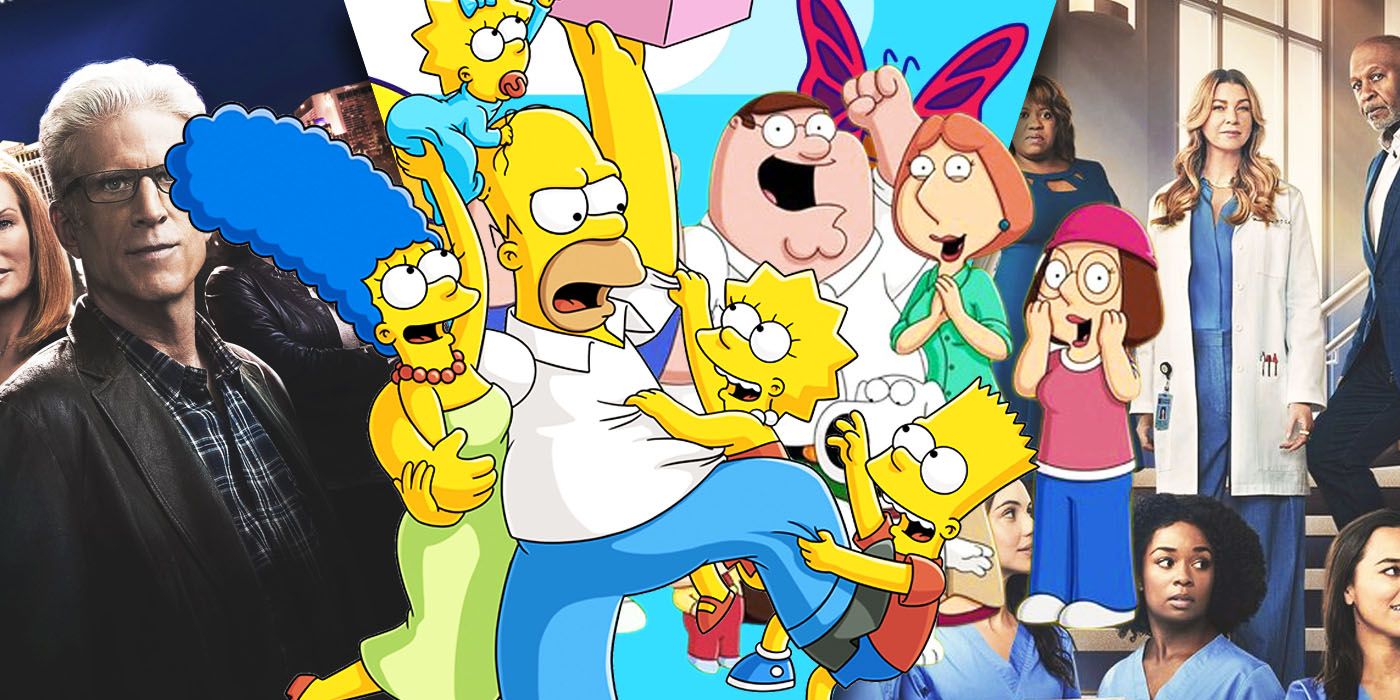
The Rise of Long-Form Serial Dramas in the Digital Age: With the advent of digital filmmaking and streaming, the emphasis has shifted towards long-form, serialized dramas that might have fewer episodes but possess a much greater runtime and narrative depth. Shows like “The Simpsons,” which began in 1989 and continues to this day, represent a different kind of longevity – sustained cultural impact and consistent production over decades. The technology for animation has evolved dramatically, allowing for higher quality and more complex visual narratives over an extended period. Similarly, live-action dramas on streaming platforms can now sustain intricate plots over multiple seasons, with each episode often rivaling the runtime of a feature film. The technology for delivering these high-resolution, longer episodes efficiently to a global audience is a critical component of their sustained popularity and accessibility.
The Technological Legacy of Enduring Series
The longest-running television series are not just products of dedicated writers and actors; they are also deeply rooted in the technological ecosystems that supported their creation and dissemination. From the analog infrastructure that enabled daily broadcasts to the global streaming networks that offer on-demand access, technology has been the invisible hand guiding the evolution of serial television and its incredible endurance.
-
Infrastructure and Accessibility: The availability of reliable broadcast networks, cable infrastructure, and now high-speed internet has been fundamental to the widespread accessibility of these series. Without the technological means to deliver content to homes, even the most compelling narratives would have remained in obscurity. The continuous improvement in signal quality, storage capacity, and transmission efficiency has directly contributed to the feasibility of producing and distributing shows that span decades.
-
The Future of Longevity: As technology continues to advance, we can expect new forms of storytelling and new metrics for measuring “longest.” Virtual reality, interactive narratives, and AI-generated content could all contribute to television series that evolve and endure in ways we can only begin to imagine. The ongoing technological revolution ensures that the question of “what was the longest TV series” will likely be answered with increasingly complex and technologically dependent examples in the years to come. The interplay between creative ambition and technological capability will continue to define the outer limits of television’s enduring power.