
The question of “What was the first Nickelodeon show?” delves into a fascinating aspect of media history, particularly the early days of cable television and the formation of a brand that would come to define children’s entertainment for generations. While the literal interpretation might lead one to a specific program, a deeper examination reveals that the genesis of Nickelodeon as a distinct television network is more nuanced than identifying a single premiere episode. It’s a story rooted in technological shifts, strategic branding, and a deliberate effort to carve out a unique space in the burgeoning cable landscape.

The Genesis of a Children’s Network: From QUBE to Nickelodeon
The journey to the first Nickelodeon show is intrinsically linked to the development of interactive cable television technology and the strategic vision behind a new kind of programming. It wasn’t an overnight creation, but rather a considered evolution driven by innovation and a clear understanding of an underserved market.
The Dawn of Interactive Television: The QUBE System
Before Nickelodeon existed as we know it, its foundational technology was being pioneered in Columbus, Ohio. Warner Cable Communications, a subsidiary of Warner Communications, launched an experimental two-way interactive cable television system called QUBE in 1977. This groundbreaking system allowed viewers to interact with their television sets, vote in polls, order movies on demand, and even engage in rudimentary forms of home shopping. QUBE was a testament to the burgeoning technological capabilities of the era, demonstrating the potential for a more participatory television experience.
Within the QUBE system, a channel dedicated to children’s programming emerged. This channel, initially called “Pinwheel,” was designed to offer educational and engaging content for younger audiences. Pinwheel featured a variety of short-form programming, including animated segments, live-action educational shows, and interactive elements that leveraged QUBE’s capabilities. While “Pinwheel” itself wasn’t broadcast nationally, it served as the crucial proving ground for the concepts and content that would eventually form the core of Nickelodeon. The success and lessons learned from Pinwheel provided the essential blueprint for what a dedicated children’s cable network could achieve. This early experimentation was vital in understanding audience engagement and the types of content that resonated with children, laying the groundwork for a much larger vision.
The Strategic Birth of Nickelodeon
The transition from the localized QUBE experiment to a nationally broadcast cable network marked a significant strategic shift. In 1979, Warner Communications decided to expand its children’s programming initiative, and “Pinwheel” was rebranded as “Nickelodeon.” The name itself, a portmanteau of “nickel” (referring to the five-cent admission price of early movie theaters) and “odeon” (Greek for “theater”), evoked a sense of nostalgic entertainment and affordability. This branding decision was deliberate, aiming to create an identity that was both fun and accessible.
The official launch of Nickelodeon as a national cable network occurred on April 1, 1979. However, identifying a single “first show” is complex due to the network’s programming philosophy from its inception. Nickelodeon wasn’t designed around a singular flagship series in the way many traditional television networks operated. Instead, it was conceived as a curated collection of programming designed to appeal to children. This included a mix of original content, acquired shows, and educational segments, all presented in a block format.
Defining the “First Show”: The Nuance of Network Programming
The very nature of early cable television networks, especially those catering to niche audiences like children, differed significantly from the broadcast model. This distinction makes pinpointing a single “first show” a matter of interpretation and understanding the network’s foundational programming strategy.
Programming Blocks and Acquired Content
Upon its launch, Nickelodeon aired a variety of programs, many of which were not original productions. These included:
- “The Pinwheel Show”: A direct continuation and rebranding of the QUBE channel, “Pinwheel” was a central component of Nickelodeon’s early schedule. It featured a mix of educational segments, puppet shows, and animation. Many consider this show, in its evolved form, to be the closest to a “first show” due to its direct lineage.
- “Against the Grain”: This live-action educational series, designed for pre-teens, explored various topics with a focus on critical thinking and problem-solving. It was one of the original programs developed specifically for the Nickelodeon brand.
- “Scooby-Doo, Where Are You!”: Like many nascent cable networks, Nickelodeon relied on acquiring popular existing content to fill its schedule and attract viewers. Hanna-Barbera cartoons, such as “Scooby-Doo,” were a staple of early children’s television and were licensed by Nickelodeon.
- “The Smurfs”: Another popular animated series acquired by Nickelodeon, “The Smurfs” provided a consistent draw for young audiences.
- “Danger Mouse”: This British animated spy-comedy was also a key part of Nickelodeon’s early international content acquisition strategy, adding diversity to its offerings.
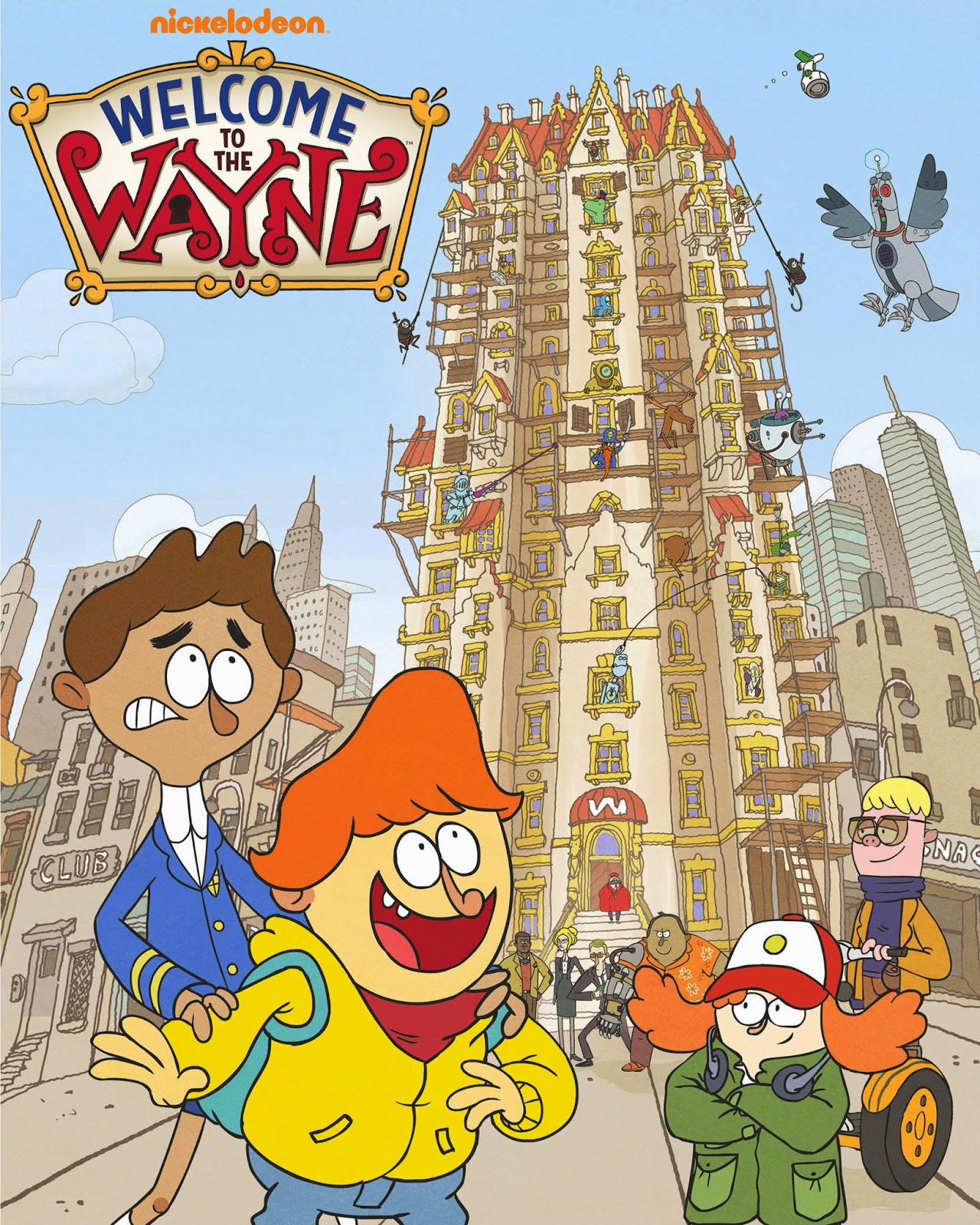
The network’s strategy was to create an immersive environment where children could tune in for hours of continuous, age-appropriate entertainment. This meant that the identity of the network was built more on the aggregation of these diverse programs within dedicated time slots rather than on the success of a single breakout hit.
The Role of “The Pinwheel Show”
While “Nickelodeon” launched on April 1, 1979, with a slate of programming, “The Pinwheel Show” held a unique position. It was the direct descendant of the original QUBE children’s channel and was designed to be the central pillar of the network’s early identity. The show’s format, which was a collection of various segments rather than a single narrative program, meant that it was more of a programming block or a presentation style. However, its continuous presence and its direct connection to the network’s origins make it the most commonly cited answer to the question of the “first” Nickelodeon show. It was the embodiment of the channel’s initial mission: to provide a dedicated, engaging, and educational space for children. Its emphasis on variety and its interactive elements, inherited from the QUBE system, set the stage for the network’s distinctive approach to children’s television.
The Brand Identity: Building a Network for Kids
The creation of Nickelodeon was not just about airing shows; it was about building a brand that resonated deeply with its target audience and their parents. This involved a deliberate strategy in content selection, visual identity, and overall network philosophy.
Content Curation and Educational Mandate
From its inception, Nickelodeon aimed to be more than just a purveyor of cartoons. The network was founded with a strong educational component, a vision that set it apart from many of its predecessors. The selection of shows like “Against the Grain” and the ethos of “Pinwheel” reflected a commitment to fostering creativity, learning, and positive social development. This focus on quality, age-appropriateness, and educational value became a cornerstone of the Nickelodeon brand. Parents were reassured that their children were not just being entertained, but were also being exposed to content that could positively influence them. This dual appeal to both children and their guardians was a critical element in establishing trust and loyalty.
Visuals and Sound: Crafting a Unique Voice
The branding of Nickelodeon extended beyond its programming to its visual and auditory presentation. The distinctive orange and blue logo, which has evolved over the years but retained its core elements, became instantly recognizable. The network also developed a unique sound design, incorporating playful jingles, sound effects, and a distinct announcer’s voice that created an engaging and memorable viewing experience. This consistent aesthetic and sonic identity reinforced the brand, making it feel cohesive and distinct from other channels. Every element of the network’s presentation was designed to communicate fun, imagination, and a safe, inviting environment for children.
The Legacy of Early Nickelodeon
The decisions made in the nascent years of Nickelodeon, from the technological underpinnings to the brand strategy, had a profound and lasting impact on children’s television and the broader media landscape.
Setting the Standard for Children’s Programming
Nickelodeon’s early success demonstrated that there was a significant and profitable market for dedicated children’s cable programming. By focusing on quality, educational value, and a deep understanding of its audience, the network paved the way for a new era of children’s television. It proved that a channel could be both entertaining and enriching, a lesson that has influenced countless programming decisions since. The network’s willingness to experiment with interactive elements, even in its early days, also foreshadowed the future of media consumption.

Evolution and Enduring Influence
While the specific shows that constituted Nickelodeon’s initial lineup have largely faded from current memory, their role in building the network’s foundation is undeniable. The spirit of innovation, the commitment to a child-centric approach, and the creation of a strong, recognizable brand allowed Nickelodeon to not only survive but thrive. It evolved into a television powerhouse, launching iconic shows like “Rugrats,” “All That,” and “SpongeBob SquarePants,” which themselves became cultural touchstones. The legacy of those early programming decisions, and the careful cultivation of the Nickelodeon brand, continues to shape how children engage with media today. The question of the “first show” is less about a single title and more about understanding the strategic branding and technological innovation that brought a revolutionary concept in children’s entertainment to life.
aViewFromTheCave is a participant in the Amazon Services LLC Associates Program, an affiliate advertising program designed to provide a means for sites to earn advertising fees by advertising and linking to Amazon.com. Amazon, the Amazon logo, AmazonSupply, and the AmazonSupply logo are trademarks of Amazon.com, Inc. or its affiliates. As an Amazon Associate we earn affiliate commissions from qualifying purchases.