
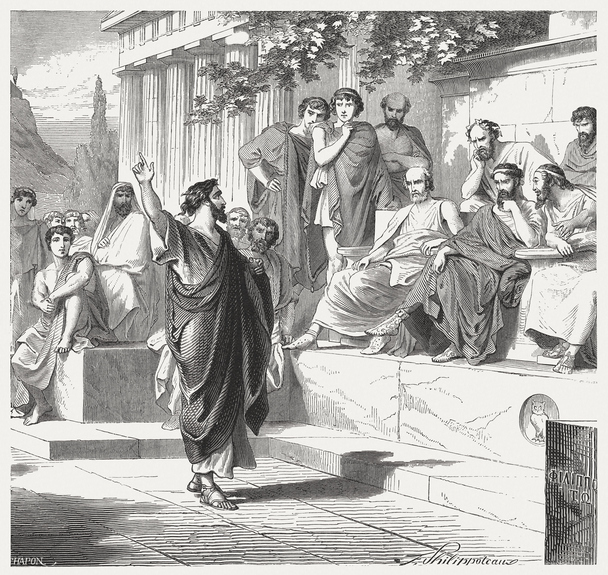
In the digital age, the ancient practice of ostracism – a formalized, temporary banishment from a community – has taken on new and insidious forms. While its historical roots lie in Athenian democracy, where it served as a mechanism to prevent tyranny, the core concept of exclusion and social isolation persists, amplified and distorted by the interconnectedness of the internet. This article will explore the contemporary manifestations of ostracism within the digital sphere, examining its technological underpinnings, its impact on individuals and communities, and the strategies for navigating this evolving landscape.

The Technological Architects of Digital Ostracism
The digital realm, with its intricate networks and pervasive platforms, provides fertile ground for ostracistic practices to flourish. Understanding the technological infrastructure and design choices that facilitate these expulsions is crucial to comprehending their impact.
Platform Design and Algorithmic Bias
Social media platforms, by their very nature, are designed to foster connection and community. However, the algorithms that govern content visibility, friend suggestions, and group memberships can inadvertently, or sometimes deliberately, contribute to ostracism.
-
Echo Chambers and Filter Bubbles: Algorithms prioritize content that aligns with a user’s existing preferences and beliefs. While intended to enhance user experience, this can lead to the formation of echo chambers, where individuals are insulated from dissenting opinions and viewpoints. Those who hold divergent beliefs can find themselves marginalized, their voices drowned out, and their perspectives systematically excluded from the digital discourse. This algorithmic curation can, in essence, ostracize individuals by rendering their contributions invisible or irrelevant to the dominant narratives within their online social circles.
-
Content Moderation Policies and Enforcement: Platforms employ content moderation policies to maintain a semblance of order and safety. However, the implementation and enforcement of these policies can be inconsistent, opaque, and prone to bias. Vague community guidelines, subjective interpretation, and the sheer volume of content can lead to the arbitrary removal of posts, temporary suspensions, or permanent bans. For individuals whose content straddles the line of acceptability or who express unpopular opinions, these moderation practices can feel like digital ostracism, effectively silencing them and barring them from participation. The lack of transparent appeal processes further exacerbates this feeling of powerlessness.
-
The “Unfriending” and “Blocking” Arsenal: The readily available tools of “unfriending” and “blocking” on social media represent the most direct technological facilitators of ostracism. While these features offer users control over their online interactions and protection from harassment, they can also be weaponized for social exclusion. A mass unfriending or blocking campaign can effectively isolate an individual from their digital community, severing connections and rendering them invisible to a significant portion of their online network. This is often a deliberate act of social repudiation, mirroring historical ostracism in its intent to remove an individual from the group’s social fabric.
The Rise of Deplatforming and Shadowbanning
Beyond individual-level exclusions, more organized forms of digital ostracism have emerged, often targeting individuals or groups based on their ideologies or perceived transgressions.
-
Deplatforming as a Digital Exile: Deplatforming refers to the removal of an individual or organization from a digital platform, effectively severing their ability to communicate with their audience and conduct their online business. This can range from the suspension of a social media account to the removal of an app from an app store or the denial of services by web hosting providers. While often justified on grounds of hate speech, misinformation, or other violations, deplatforming can lead to significant economic and social repercussions for the targeted individual, akin to a modern-day exile. The speed and scope with which a deplatforming event can occur can leave individuals with little recourse, highlighting the immense power wielded by platform providers.
-
Shadowbanning: The Invisible Exclusion: Shadowbanning is a more subtle and insidious form of ostracism where a user’s content is deliberately made less visible to others without their explicit knowledge. Their posts might not appear in search results, feeds, or as replies to others. This effectively renders their contributions invisible, stifling their reach and engagement without the direct confrontation of a ban. The ambiguity surrounding shadowbanning makes it particularly frustrating, as individuals may be unaware of their diminished presence and struggle to understand why their online activity has suddenly become so unproductive. This stealthy exclusion can erode confidence and lead to self-censorship.
The Psychological and Social Scars of Digital Ostracism
The experience of being ostracized in the digital realm, much like its historical predecessor, inflicts profound psychological and social damage. The persistent connectivity of the internet, however, means that these wounds can be deeper and harder to heal.
The Erosion of Identity and Belonging
At its core, ostracism is an attack on an individual’s sense of belonging. In a society increasingly defined by online social interaction, digital exclusion can have devastating consequences for self-esteem and identity.
- Diminished Social Capital and Network Decay: Being ostracized online means losing access to social networks that are vital for support, information sharing, and opportunities. This loss of social capital can lead to feelings of isolation, loneliness, and a diminished sense of self-worth. Friends may distance themselves, professional connections may disappear, and opportunities for collaboration or learning can vanish. The decay of one’s network is a tangible consequence of digital ostracism.

-
The Amplification of Loneliness and Anxiety: The constant awareness of being excluded from online conversations, groups, or even direct communication can significantly amplify feelings of loneliness and anxiety. The inability to participate in shared experiences, even virtual ones, can create a profound sense of being left behind. This can be particularly acute for individuals who rely heavily on online communities for social interaction, such as those with mobility issues or who live in remote areas. The psychological toll of feeling invisible or unwanted can be immense.
-
Impact on Mental Health and Well-being: The cumulative effect of digital ostracism can have a serious impact on mental health. Chronic feelings of rejection, isolation, and powerlessness can contribute to depression, anxiety disorders, and other mental health challenges. The constant exposure to perceived judgment and exclusion can create a state of hypervigilance and self-doubt, making it difficult to engage authentically online or offline.
The Erosion of Public Discourse and Democratic Participation
Beyond individual harm, digital ostracism can have broader implications for the health of online communities and, by extension, democratic societies.
-
Silencing of Dissent and Marginalization of Voices: When individuals or groups are ostracized, their perspectives and contributions are removed from the public discourse. This can lead to a narrowing of debate, a stifling of dissent, and the marginalization of important voices. Communities become less diverse in thought, and potential solutions to complex problems may be overlooked. The chilling effect of potential ostracism can also lead to self-censorship, as individuals refrain from expressing controversial or unpopular opinions for fear of exclusion.
-
Polarization and Fragmentation of Online Communities: Digital ostracism, especially when driven by ideological divides, can exacerbate societal polarization. When individuals are consistently excluded for holding certain beliefs, they may retreat further into like-minded communities, reinforcing existing divisions. This fragmentation makes it harder for diverse groups to find common ground, engage in constructive dialogue, and work towards shared goals. The digital landscape can become a battleground of warring, self-contained factions rather than a space for collaborative problem-solving.
Navigating the Labyrinth: Resilience and Resistance in the Digital Age
While the challenges of digital ostracism are significant, they are not insurmountable. Individuals and communities are developing strategies to resist exclusion, foster inclusivity, and build more resilient digital spaces.
Building Digital Resilience and Self-Care
Protecting oneself from the psychological impact of digital ostracism requires proactive measures and a strong sense of self.
-
Cultivating a Strong Offline Support System: The most effective antidote to digital exclusion is a robust network of real-world relationships. Prioritizing in-person connections, nurturing friendships and family bonds, and participating in offline communities can provide a vital buffer against the sting of online rejection. When one’s sense of belonging is firmly rooted in the physical world, digital ostracism loses some of its power.
-
Practicing Digital Detox and Mindful Consumption: Regularly stepping away from digital platforms and consciously curating one’s online experience can be crucial for mental well-being. Taking breaks from social media, being mindful of the content consumed, and actively seeking out diverse perspectives can help to mitigate the negative effects of algorithmic bias and potential exclusion. This involves recognizing the addictive nature of platforms and consciously disengaging when necessary.
-
Developing a Critical Lens and Media Literacy: Understanding how digital platforms operate, recognizing algorithmic manipulation, and developing critical thinking skills are essential for navigating the digital landscape. By approaching online information with a discerning eye and being aware of the potential for bias and exclusion, individuals can better protect themselves from manipulation and unfounded judgments. Media literacy empowers individuals to be active consumers of information, rather than passive recipients.
Fostering Inclusive Digital Communities and Advocating for Change
Beyond individual resilience, collective action is crucial for creating more equitable and welcoming digital spaces.
-
Promoting Empathy and Understanding in Online Interactions: Encouraging empathy, respectful dialogue, and a willingness to understand different perspectives are vital for building inclusive online communities. This involves actively challenging hateful rhetoric, promoting civil discourse, and creating spaces where diverse voices feel safe to express themselves. It requires a conscious effort to move beyond knee-jerk reactions and engage with others in a more thoughtful and compassionate manner.
-
Advocating for Platform Accountability and Transparency: Holding digital platforms accountable for their moderation policies, algorithmic transparency, and the impact of their design on users is a critical step towards combating digital ostracism. This involves supporting initiatives that call for greater accountability, advocating for clearer community guidelines, and demanding more robust appeal processes for content moderation decisions. User-led advocacy can be a powerful force for change.
-
Creating Alternative and Decentralized Digital Spaces: The development of alternative and decentralized digital platforms offers a promising avenue for fostering more inclusive and user-controlled online environments. These platforms, often built on principles of open-source technology and community governance, aim to circumvent the centralized control and algorithmic biases that can lead to ostracism. By offering different models of interaction and ownership, they provide a vital counterpoint to mainstream platforms.
In conclusion, while the term “ostracism” conjures images of ancient Greece, its echoes resonate powerfully in our digitally interconnected world. Understanding the technological mechanisms that enable digital exclusion, the profound psychological and social consequences it entails, and the proactive strategies for fostering resilience and advocating for change are essential for navigating the complexities of our online lives and building a more inclusive digital future. The fight against digital ostracism is, in essence, a fight for the health of our individual well-being and the vitality of our collective discourse.
aViewFromTheCave is a participant in the Amazon Services LLC Associates Program, an affiliate advertising program designed to provide a means for sites to earn advertising fees by advertising and linking to Amazon.com. Amazon, the Amazon logo, AmazonSupply, and the AmazonSupply logo are trademarks of Amazon.com, Inc. or its affiliates. As an Amazon Associate we earn affiliate commissions from qualifying purchases.