
In the annals of American history, few figures possess a “brand identity” as potent and enduring as John Henry “Doc” Holliday. While the literal answer to what Doc Holliday was dying from is pulmonary tuberculosis—then known as consumption—the metaphorical answer is far more complex. From a brand strategy perspective, Holliday wasn’t just dying from a bacterial infection; he was living through the ultimate case study in “Fatalistic Branding.”
In the modern marketplace, where personal branding and corporate identity are often curated to appear invincible, the legend of Doc Holliday offers a counter-intuitive lesson. His brand was built not on longevity or health, but on the very proximity to his demise. This article explores how Holliday’s illness became his unique selling proposition (USP), how he managed his legacy in the face of certain death, and what modern brand strategists can learn from the gunslinger’s final act.

The Psychology of the “Fatal Flaw” in Brand Identity
Most brands spend millions of dollars trying to hide their weaknesses. Corporate identity is usually built around concepts of “robustness,” “reliability,” and “sustainability.” However, Doc Holliday’s brand was built on the exact opposite: the “Fatal Flaw.” By leaning into his illness, Holliday created a persona that was both tragic and terrifyingly unpredictable.
Vulnerability as a Strategic Asset
In brand strategy, vulnerability is often seen as a liability. Yet, for Holliday, his tuberculosis was the catalyst for his professional pivot. He was a classically trained dentist—a high-status, professional brand—who was forced by his diagnosis to move West for the dry air. When he realized he could no longer practice dentistry effectively, he leaned into the “Doc” moniker, transitioning from a medical professional to a professional gambler and gunman.
This transition is a masterclass in brand repositioning. By acknowledging his terminal status, Holliday removed the one thing that keeps most people in check: the fear of death. This gave his “brand” an edge of recklessness that his competitors couldn’t match. In modern marketing, this is akin to a “disruptor brand” that enters a market with nothing to lose, allowing it to take risks that established, “healthy” competitors find too dangerous.
The “Tombstone” Rebrand: From Professionalism to Notoriety
Holliday’s arrival in Tombstone, Arizona, marked the peak of his brand development. Here, his physical decline was most visible, yet his reputation was at its most formidable. A brand is defined by the expectations it sets in the mind of the consumer (or, in this case, the adversary).
The “Doc Holliday Brand” promised a man who was highly educated, impeccably dressed, and terminally ill—a combination that suggested he was both smarter than you and didn’t care if he lived to see tomorrow. This creates a psychological barrier for competitors. When a brand signals that it has “burned its bridges,” it gains a level of perceived power that a more stable brand lacks.
Strategic Alliances and Brand Association: The Earp-Holliday Partnership
No brand exists in a vacuum. One of the most critical elements of Doc Holliday’s enduring legacy is his association with Wyatt Earp. In brand strategy, this is known as “Brand Association” or “Co-Branding.” The Earp-Holliday alliance is perhaps the most successful strategic partnership in Western folklore, benefiting both parties by balancing their respective brand attributes.
Co-Branding the Wild West
Wyatt Earp’s brand was built on law, order, and a certain stoic righteousness. However, every “hero” brand needs a “darker” counterpart to handle the nuances of conflict. Holliday provided the “edge” that the Earp brand lacked. While Earp represented the corporate structure of the law, Holliday represented the agile, high-risk executive who could operate outside the traditional lines.
This partnership is a classic example of complementary brand identities. Earp provided Holliday with social legitimacy and a cause, while Holliday provided Earp with a level of uncompromising loyalty and a “enforcer” persona. For modern businesses, this highlights the importance of choosing partners whose brand values fill your own gaps.
The Power of Loyalty in Corporate Identity
The core value of the Holliday brand, despite his illness and mercurial temper, was absolute loyalty. This is the “brand promise.” Whether at the O.K. Corral or during the Earp Vendetta Ride, the market (the public) knew exactly what to expect from Doc Holliday.
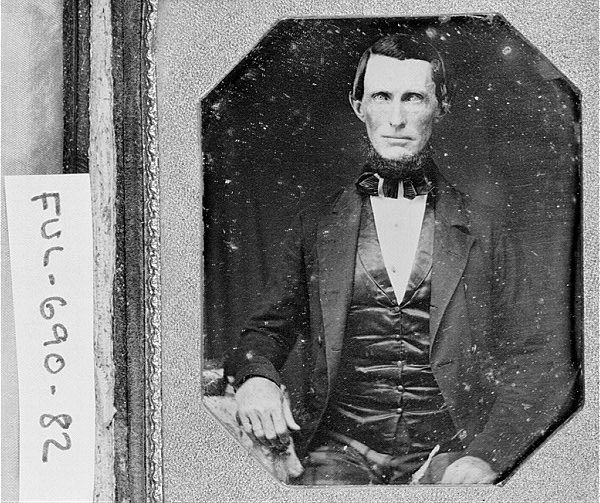
In personal branding, consistency is the foundation of trust. Even though Holliday was “dying,” his commitment to his strategic partner never wavered. This creates a powerful narrative arc that resonates even centuries later. A brand that stays true to its core promise during its darkest hours—or its “terminal” phase—earns a level of “brand equity” that lasts long after the physical product or individual is gone.
Curating the Last Act: Legacy Management and Final Impressions
The final years of Doc Holliday’s life, leading up to his death in Glenwood Springs, Colorado, were an exercise in legacy management. How a brand “exits” the market is often just as important as how it enters. Holliday’s death from tuberculosis, rather than a bullet, was the final twist in his narrative brand.
Controlling the Narrative Post-Mortem
Legend has it that Holliday’s last words were “This is funny,” as he looked at his bootless feet. Whether true or not, this anecdote serves a critical branding purpose: it maintains the character’s “brand voice” until the very end. He was a man who cheated death in dozens of gunfights only to be taken by a “slow death” in bed—a final irony that fit his cynical, educated persona.
Effective legacy management requires a brand to have a clear “story” that others can retell. Because Holliday’s brand was so well-defined—the dying dentist, the loyal friend, the refined gambler—the “market” (historians and filmmakers) had a clear template to follow. He didn’t just fade away; he provided the world with a completed narrative.
The Longevity of a Well-Positioned Myth
Doc Holliday was dying from a disease that claimed many in the 19th century, but his brand survived because it was positioned around universal archetypes: the Tragic Hero and the Outlaw. In brand strategy, “positioning” is about finding a unique space in the consumer’s mind.
By the time he died at the age of 36, Holliday had successfully moved his brand from a “commodity” (one of many gamblers) to a “specialty” (the legendary companion of Wyatt Earp). This transition is why we still discuss him today while thousands of other tuberculosis victims are forgotten. He understood—perhaps instinctively—that while the body is a depreciating asset, a well-constructed brand is an appreciating one.
Modern Marketing Takeaways from the Holliday Persona
While we no longer live in the Old West, the mechanics of the “Holliday Brand” are more relevant than ever in the digital age. In a world of “Personal Branding,” where everyone is a public figure, the lessons of Doc Holliday offer a blueprint for authenticity and strategic positioning.
Authenticity in the Face of Crisis
Holliday never pretended he wasn’t sick. He didn’t try to “pivot” back to a healthy image. He leaned into the cough, the paleness, and the whiskey. In modern brand strategy, this is called “Authenticity.” Consumers are increasingly savvy; they can smell a manufactured or “sanitized” brand from a mile away.
When a brand faces a crisis—whether it’s a financial downturn, a PR scandal, or “obsolescence”—the Holliday approach suggests that radical transparency can be a path to survival. Acknowledging the struggle can actually make a brand more relatable and human, fostering a deeper connection with the audience.

The Value of a Signature Aesthetic
Finally, the Doc Holliday brand was reinforced by a consistent visual identity. The mustache, the refined suit, the gambling tools—these were the “logo” and “color palette” of his personal brand. Even as he was dying, he maintained this aesthetic.
For modern professionals and companies, this underscores the power of a signature style. A brand is a mental shortcut; a consistent visual and tonal identity helps the audience identify and remember you instantly. Doc Holliday was dying from consumption, but he made sure he looked like “Doc Holliday” until the very last breath.
In conclusion, the story of Doc Holliday is not merely a medical history; it is a profound lesson in brand strategy. By embracing his mortality, forming strategic alliances, and maintaining a consistent narrative, Holliday transformed a terminal diagnosis into a timeless legacy. He proved that even when a brand is “dying,” it can still be the most powerful force in the room.
aViewFromTheCave is a participant in the Amazon Services LLC Associates Program, an affiliate advertising program designed to provide a means for sites to earn advertising fees by advertising and linking to Amazon.com. Amazon, the Amazon logo, AmazonSupply, and the AmazonSupply logo are trademarks of Amazon.com, Inc. or its affiliates. As an Amazon Associate we earn affiliate commissions from qualifying purchases.