
In the realm of brand strategy, few things are as potent as a narrative that challenges the status quo. While we often associate “branding” with modern corporations and digital marketing, the most enduring identities are those forged in the fires of social change and historical necessity. The 54th Massachusetts Volunteer Infantry Regiment, established during the American Civil War, serves as one of the most powerful historical examples of “legacy branding.” It was not merely a military unit; it was a carefully constructed symbol of African American capability, a vessel for social justice, and a precursor to modern identity-based movements.
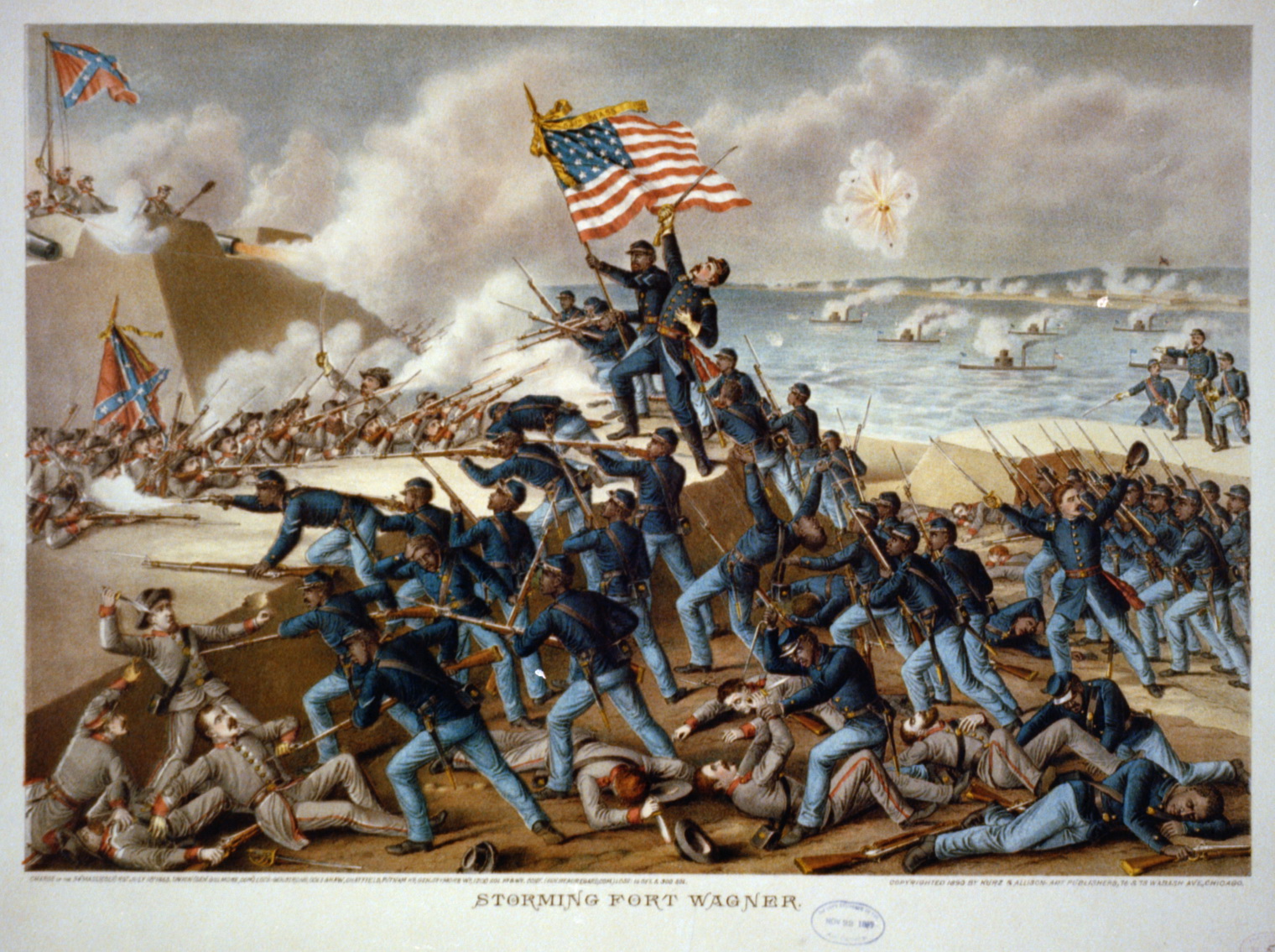
Understanding the 54th Massachusetts through the lens of brand strategy allows us to see how a clear mission, a visual identity, and a commitment to core values can shift global perceptions and create a legacy that persists for centuries.
Building a Narrative of Courage: The 54th Massachusetts as a Symbolic Brand
The creation of the 54th Massachusetts was a strategic move initiated by Governor John A. Andrew of Massachusetts. At a time when the “market perception” of Black Americans was suppressed by systemic prejudice, the formation of this regiment was designed to rebrand an entire demographic as disciplined, heroic, and essential to the nation’s survival.
Defining the Identity
Every strong brand begins with a clear identity. For the 54th, this identity was built on the concept of “the elite.” Governor Andrew and his supporters knew that for this social experiment to succeed, the soldiers could not just be “good”—they had to be exceptional. They recruited from the highest echelons of Black society, including the sons of prominent abolitionists like Frederick Douglass. This wasn’t just a recruitment drive; it was a curation of a “premium” brand identity. The soldiers represented the intellectual and moral backbone of their community, signaling to the world that this regiment was the gold standard of volunteerism.
The Power of Representation in Brand Equity
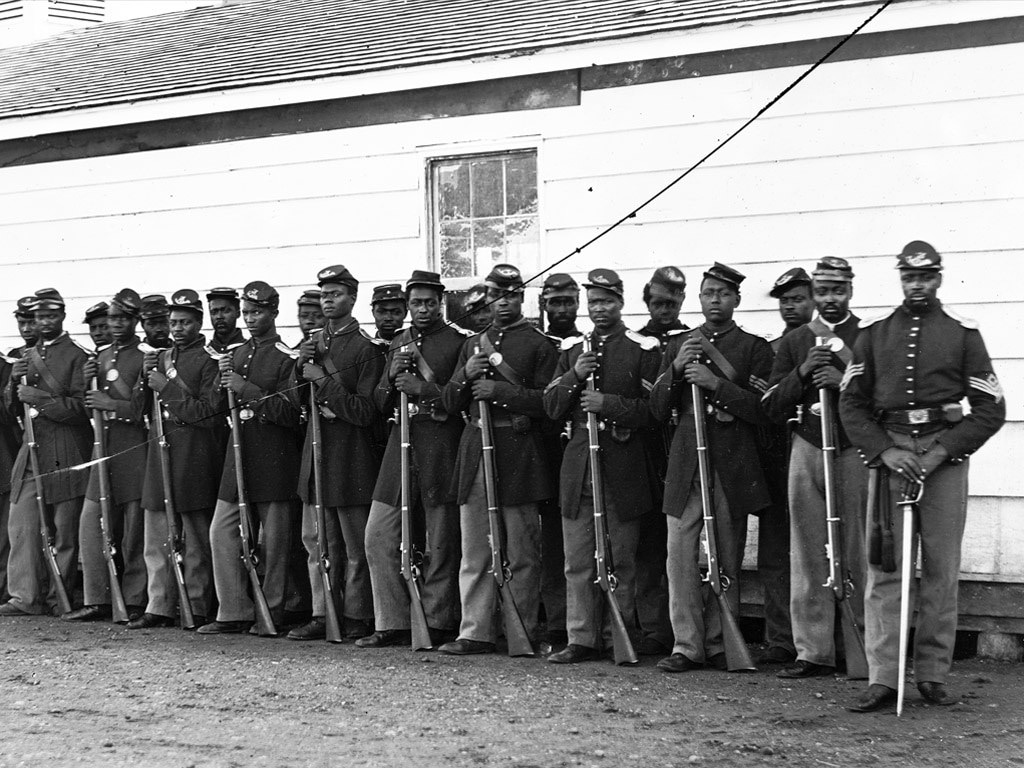
Brand equity is built on trust and visibility. The 54th Massachusetts provided a visual proof-of-concept for the Union. In an era before mass media, the sight of disciplined Black men in blue uniforms, marching through the streets of Boston, served as a powerful “brand launch.” This visibility was essential in dismantling the false narrative that Black men would not or could not fight. By establishing high visibility early on, the 54th built a reservoir of brand equity that would later sustain them through the hardships of the Southern campaigns.
Strategic Integrity: The Pay Dispute as a Moral Brand Stand
One of the most significant moments in the history of the 54th Massachusetts—and a vital lesson for modern brand strategy—was their response to the inequality of pay. While white soldiers were paid $13 a month, Black soldiers were offered only $10 (with $3 deducted for clothing). This was a direct threat to the “brand promise” of equality and dignity that the regiment stood for.
Maintaining Integrity under Pressure
In the corporate world, brands often face “crisis management” scenarios where they must choose between profit and principle. The 54th Massachusetts chose principle. For 18 months, the soldiers refused to accept any pay at all rather than accept a discriminatory wage. This was a collective brand stand that resonated throughout the nation. By refusing the lower wage, they protected the integrity of their identity. They signaled that their value was non-negotiable, a move that eventually forced the U.S. Congress to grant retroactive equal pay in 1864.
Long-term Value over Short-term Gain
From a brand perspective, the pay strike was an investment in long-term reputation over short-term survival. Had the regiment accepted the lower pay, they would have validated the secondary status the government tried to impose on them. By holding out, they solidified their brand as one of uncompromising honor. This reinforces a key marketing principle: a brand’s value is defined by what it refuses to settle for. Their steadfastness became a “USP” (Unique Selling Proposition) of the regiment—they were the soldiers who fought for free to prove they were equal.
Marketing History: How the ‘Glory’ Narrative Solidified the Global Brand
A brand only survives as long as its story is told. The 54th Massachusetts has benefited from an extraordinary “re-branding” effort throughout the 20th and 21st centuries, most notably through the 1989 film Glory. This cinematic portrayal transformed historical facts into a global narrative, ensuring the “brand” reached a modern audience.
Storytelling through Media
The film Glory acted as a massive content marketing campaign for the regiment’s legacy. By focusing on the emotional journey of the soldiers and their ultimate sacrifice at Fort Wagner, the film humanized the brand and made its values accessible to a contemporary demographic. In brand strategy, storytelling is the bridge between a product and the consumer’s heart. The narrative of the 54th—victory through sacrifice—is a universal archetype that resonates across cultures, ensuring the “brand” of the 54th remains relevant in a crowded historical marketplace.
The Enduring Visual Identity: The Saint-Gaudens Memorial
Visual assets are crucial to brand recognition. The Robert Gould Shaw and 54th Regiment Memorial in Boston, sculpted by Augustus Saint-Gaudens, serves as the “logo” or visual anchor for the regiment’s legacy. It is widely considered one of the greatest pieces of public art in America. Because the sculpture depicts the soldiers with individual, realistic features rather than as a generic mass, it reinforces the brand’s core message of individual dignity and collective strength. This monument ensures that the physical “brand presence” of the 54th remains etched into the urban landscape, inviting new generations to engage with the story.
Lessons for Modern Brand Strategy: Authenticity and Social Impact
The story of the 54th Massachusetts provides a blueprint for modern “Purpose-Driven Branding.” Today’s consumers increasingly demand that brands stand for something beyond their products. The 54th didn’t just exist to fight a war; they existed to change a culture.
Purpose-Driven Leadership
The leadership of Colonel Robert Gould Shaw is a study in brand stewardship. Shaw, a young white officer, had to align his personal brand with the mission of the regiment. His decision to lead his men into the breach at Fort Wagner, and his subsequent burial in a mass grave with his Black soldiers, was the ultimate act of brand alignment. For modern leaders, the lesson is clear: your actions must be the loudest part of your brand strategy. Authenticity is not what you say in a press release; it is what you do when the stakes are highest.

Building a Legacy that Outlasts the Product
A successful brand is one that leaves a legacy far beyond its operational lifespan. The 54th Massachusetts was mustered out of service in 1865, but its “brand” continues to influence American discourse on civil rights, military service, and racial identity today. This is the ultimate goal of any brand strategy: to create an identity so robust and a narrative so compelling that it becomes part of the cultural fabric.
In conclusion, the 54th Massachusetts Regiment was more than a military unit—it was a masterclass in identity construction and narrative power. By defining a clear mission, maintaining uncompromising integrity, and utilizing powerful storytelling and visual symbols, the 54th created a brand of valor that remains a benchmark for social impact. For modern strategists, the 54th serves as a reminder that the most powerful brands are those that fight for a truth larger than themselves.
aViewFromTheCave is a participant in the Amazon Services LLC Associates Program, an affiliate advertising program designed to provide a means for sites to earn advertising fees by advertising and linking to Amazon.com. Amazon, the Amazon logo, AmazonSupply, and the AmazonSupply logo are trademarks of Amazon.com, Inc. or its affiliates. As an Amazon Associate we earn affiliate commissions from qualifying purchases.