
Australia’s economic landscape is a fascinating blend of tradition and innovation, a testament to its resource-rich foundations and its progressive integration into the global marketplace. Far from being a monolithic entity, the Australian economy is a complex, dynamic system that has evolved significantly over time. At its core, Australia operates as a developed, mixed-market economy. This designation, however, only scratches the surface of its intricate workings. Understanding the nuances of Australia’s economic structure requires delving into its key characteristics, the drivers of its growth, and the inherent challenges it navigates.
The Foundations: A Developed, Mixed-Market System
Australia’s classification as a developed economy is underpinned by several crucial indicators. High per capita income, advanced industrialization, and a high standard of living are hallmarks of its economic maturity. The nation consistently ranks among the wealthiest in the world, reflecting a robust and resilient economic framework.

Private Ownership and Market Forces
The “mixed-market” aspect signifies that Australia embraces both private enterprise and government intervention. The majority of businesses are privately owned and operated, with market forces of supply and demand largely dictating the production and distribution of goods and services. This fosters competition, innovation, and efficiency, as businesses strive to meet consumer needs and preferences. Consumers, in turn, benefit from a wide array of choices and competitive pricing.
The Role of Government
However, the “mixed” element also acknowledges the significant role the government plays in the economy. This intervention is not about direct control of all economic activity but rather about shaping the economic environment, providing essential public services, and addressing market failures. Government functions include:
- Regulation: Establishing rules and standards to ensure fair competition, consumer protection, environmental sustainability, and workplace safety. This can involve antitrust laws, financial regulations, and environmental protection agencies.
- Public Services: Providing essential services such as education, healthcare, infrastructure (roads, public transport, utilities), and social welfare programs. These services are often funded through taxation and are considered crucial for social equity and economic stability.
- Fiscal and Monetary Policy: Implementing policies to manage the overall economy. Fiscal policy involves government spending and taxation, aimed at influencing aggregate demand and economic growth. Monetary policy, managed by the Reserve Bank of Australia, focuses on controlling interest rates and the money supply to manage inflation and promote economic stability.
- Redistribution of Wealth: Through progressive taxation and social safety nets, the government plays a role in redistributing wealth and income to reduce inequality and support vulnerable populations.
This balance between market freedom and government oversight is a defining feature of Australia’s economic model, aiming to harness the dynamism of free markets while mitigating their potential downsides.
Key Pillars of the Australian Economy
Australia’s economic strength is built upon several interconnected pillars, each contributing to its overall prosperity and global standing.
The Enduring Power of Natural Resources
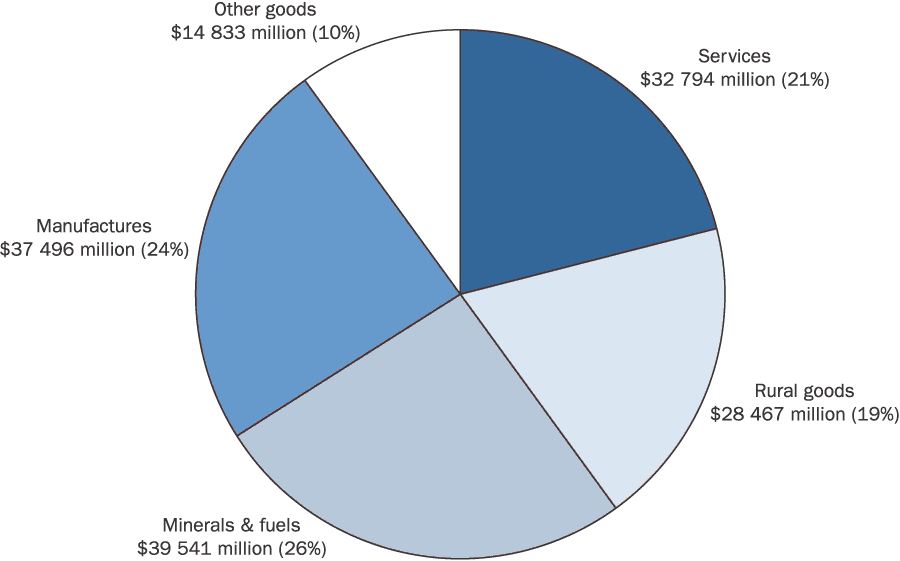
Historically, and continuing to this day, Australia’s vast natural resources have been a cornerstone of its economy. The country is a leading global exporter of:
- Minerals and Metals: Iron ore, coal, gold, copper, and bauxite are among the most significant exports, fueling industrial development worldwide. The mining sector is a major contributor to Australia’s export earnings and provides substantial employment opportunities, particularly in regional areas. Fluctuations in global commodity prices can, however, introduce volatility into the economy.
- Agricultural Products: Australia boasts a strong agricultural sector, producing high-quality wool, beef, wheat, and dairy products for both domestic consumption and export. The fertile lands and favorable climate in many regions support diverse agricultural activities.
The global demand for these commodities significantly influences Australia’s trade balance and economic performance. The rise of emerging economies, particularly in Asia, has been a key driver of demand for Australian resources, underscoring the nation’s interconnectedness with global markets.
The Growth of the Services Sector
While resources remain vital, Australia’s economy has undergone a significant structural shift towards the services sector. This sector now represents the largest contributor to the Gross Domestic Product (GDP) and employment. Key sub-sectors include:
- Financial and Professional Services: This encompasses banking, insurance, accounting, legal services, and consulting. Sydney and Melbourne are major financial hubs, attracting significant foreign investment and talent.
- Education: Australia is a popular destination for international students, making its education sector a significant export earner. Its universities are globally recognized for their research and academic standards.
- Tourism: The country’s natural beauty, unique wildlife, and vibrant cities attract millions of tourists annually, contributing substantially to employment and local economies.
- Healthcare: As a developed nation with an aging population, healthcare services are a growing and vital component of the Australian economy, encompassing both public and private provision.
- Retail and Hospitality: These sectors are fundamental to domestic consumption and provide widespread employment opportunities across the country.
The diversification into services has made the Australian economy more resilient to fluctuations in commodity prices and has fostered a more knowledge-intensive and innovative economic base.
The Importance of International Trade
Australia’s economy is inherently open and deeply integrated into the global trading system. As a nation with a relatively small domestic population, exports are crucial for driving economic growth. Key trading partners include China, Japan, South Korea, and the United States.
- Export-Oriented Growth: The export of resources, agricultural products, and services forms a significant portion of Australia’s GDP. This reliance on exports means that global economic conditions, trade policies of other nations, and geopolitical factors can have a substantial impact on Australia’s economic fortunes.
- Import Dependence: Conversely, Australia relies on imports for a wide range of manufactured goods, technology, and consumer products. This ensures access to goods that may not be cost-effectively produced domestically and contributes to consumer choice.
- Trade Agreements: Australia actively participates in numerous free trade agreements (FTAs) to reduce trade barriers and promote economic cooperation with its key trading partners. These agreements facilitate greater market access for Australian businesses and encourage foreign investment.
The success of Australia’s trade relationships is a critical factor in its sustained economic prosperity.
Navigating Challenges and Embracing the Future
Despite its strengths, Australia’s economy is not without its challenges. The nation must continually adapt and evolve to maintain its competitive edge and ensure inclusive growth.
Economic Volatility and Global Influences
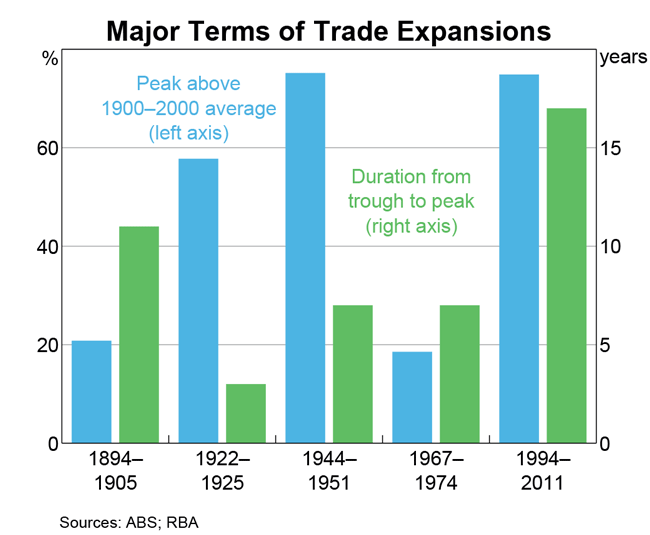
The Australian economy is susceptible to external shocks, particularly those related to global commodity prices and the economic performance of its major trading partners. A slowdown in China, for instance, can significantly impact Australia’s export revenues. Geopolitical tensions and global recessions also pose risks to economic stability.
Productivity and Innovation
While the services sector is growing, boosting national productivity remains a key focus. This involves fostering innovation, investing in research and development, and ensuring that businesses can adopt new technologies and processes efficiently. A highly skilled workforce is essential for driving productivity gains.
Environmental Sustainability and Climate Change
As a country heavily reliant on natural resources, Australia faces significant challenges related to environmental sustainability and the impacts of climate change. The transition to a lower-carbon economy presents both risks and opportunities. This includes adapting industries to reduce emissions, investing in renewable energy sources, and managing the environmental impacts of resource extraction.
Addressing Inequality and Regional Disparities
While Australia boasts a high standard of living, challenges remain in addressing income inequality and ensuring equitable economic development across all regions. There can be significant disparities in economic opportunity and access to services between metropolitan and regional areas, as well as between different socioeconomic groups.
Embracing Technological Advancement
The digital revolution is transforming economies worldwide, and Australia is no exception. Embracing technological advancements, from artificial intelligence and automation to digital platforms and data analytics, is crucial for enhancing productivity, creating new industries, and remaining competitive in the global arena. Investing in digital infrastructure and skills development is paramount.
In conclusion, Australia’s economy is a sophisticated and resilient mixed-market system, built upon a foundation of natural resources and increasingly driven by a dynamic services sector. Its success is inextricably linked to its integration into the global economy and its ability to adapt to evolving domestic and international landscapes. By understanding its core characteristics, its key drivers, and the challenges it faces, we gain a comprehensive appreciation of what type of economy Australia truly is – one that is continually striving for balance, innovation, and sustained prosperity.
aViewFromTheCave is a participant in the Amazon Services LLC Associates Program, an affiliate advertising program designed to provide a means for sites to earn advertising fees by advertising and linking to Amazon.com. Amazon, the Amazon logo, AmazonSupply, and the AmazonSupply logo are trademarks of Amazon.com, Inc. or its affiliates. As an Amazon Associate we earn affiliate commissions from qualifying purchases.