
In an ever-evolving digital landscape saturated with social media giants and traditional blogging platforms, Tumblr has carved out a distinctive niche, persisting as a unique blend of microblogging, social networking, and content curation. Launched in 2007, it quickly gained traction for its user-friendly interface, deep customization options, and visual-first approach, fostering vibrant communities around an eclectic array of interests. Far from being a relic of internet past, Tumblr remains a dynamic platform with a broad spectrum of applications, particularly for those looking to express creativity, curate digital collections, or engage with niche communities outside the mainstream. This guide delves into the multifaceted utility of Tumblr, exploring how users can harness its unique features to achieve diverse personal and creative objectives within the tech ecosystem.

Understanding Tumblr’s Core Mechanics and Appeal
At its heart, Tumblr offers a unique experience that bridges the gap between traditional blogging and rapid-fire social media updates. Its enduring appeal lies in its flexibility, visual emphasis, and the distinctive way it facilitates content sharing and community building.
The Hybrid Nature of Microblogging
Tumblr defined an era of microblogging, a concept that allows users to publish short-form content quickly and easily. Unlike the lengthy articles typical of WordPress or Blogger, Tumblr encourages diverse post types: text, photos, quotes, links, chat logs, audio, and video. This versatility means users aren’t confined to a single format, enabling them to share thoughts, snippets of information, or media with minimal friction. It serves as an agile digital notebook, a curated gallery, or a quick-update newsfeed, depending on the user’s intent. This hybrid nature makes it more immediate than a traditional blog but more substantial and customizable than many mainstream social media feeds, offering a rich canvas for digital expression without the pressure of extensive content creation.
Visual Storytelling at its Heart
Perhaps Tumblr’s most defining characteristic is its unwavering focus on visual content. The platform’s interface and community norms strongly favor imagery, GIFs, and videos, making it an ideal playground for visual artists, photographers, designers, and anyone looking to tell stories through pictures. High-quality visuals are paramount on Tumblr, where a single compelling image or an artfully crafted GIF can garner widespread attention through reblogs. This emphasis transforms user dashboards into dynamic, visually rich feeds, fostering a culture where aesthetics and creative presentation are highly valued. For tech enthusiasts, this translates into an excellent medium for showcasing design prototypes, UI/UX mockups, tech photography, or even illustrating complex concepts with simple, engaging visuals.
Community and Curation Through Reblogging
The reblogging mechanism is central to Tumblr’s social fabric and its powerful content discovery engine. When a user reblogs a post, it appears on their own blog, effectively sharing the content with their followers while crediting the original creator. This system facilitates rapid content dissemination and provides an organic way for users to curate their own feeds by selectively sharing posts that resonate with them. Beyond simple sharing, reblogging allows users to add their own commentary, creating conversations and building layers of context around original content. This communal aspect, combined with a robust tagging system, makes Tumblr an exceptional platform for discovering new content, connecting with like-minded individuals, and participating in niche communities centered around specific interests, technologies, or fandoms.
Creative Expression and Personal Archiving
Tumblr provides a powerful yet accessible toolkit for individuals seeking an outlet for creative expression and a digital space for personal archiving. Its flexibility caters to a wide array of artistic endeavors and personal documentation needs.
A Canvas for Digital Artists and Creators
For digital artists, illustrators, photographers, writers, and designers, Tumblr functions as a highly customizable online portfolio and a dynamic creative journal. Artists can effortlessly showcase their latest work, share behind-the-scenes glimpses of their creative process, or solicit feedback from a global audience. The platform’s emphasis on visual content, coupled with extensive theme options, allows creators to design blogs that perfectly reflect their unique aesthetic. Whether it’s a graphic designer sharing UI mockups, a photographer curating themed series, or a writer publishing short stories, Tumblr offers a dedicated stage. Its reblogging feature also means that compelling work can gain significant organic reach, connecting creators with new audiences and potential collaborators without the overhead of traditional website development.
Building Personal Digital Journals and Mood Boards
Beyond public showcases, Tumblr serves as an excellent private or semi-private space for personal reflection, idea generation, and inspiration archiving. Users can leverage it as a digital journal, logging daily thoughts, experiences, and observations in various media formats. More visually inclined individuals often use Tumblr to construct “mood boards” or “inspiration boards” — collections of images, quotes, and links that capture a particular aesthetic, project vision, or emotional state. For example, a web developer might curate a mood board of inspiring website designs, color palettes, or interesting UI animations. This use case transforms Tumblr into a personal creative repository, a dynamic scrapbook for ideas that can be accessed and expanded upon over time, fostering both personal growth and creative development.
Fandom and Niche Community Hubs
Tumblr has historically been, and continues to be, a vibrant haven for fandoms and niche communities. From dedicated blogs exploring the intricacies of specific video games, software features, or open-source projects to comprehensive archives of fan art, theories, and discussions, Tumblr facilitates deep engagement around shared passions. The platform’s tagging system allows users to meticulously categorize their content, making it incredibly easy for others to discover posts related to highly specific interests. This concentration of like-minded individuals fosters a sense of belonging and provides a platform for communal creativity, discussion, and content generation that often struggles to find a home on more generalized social media sites. For tech enthusiasts, this means finding or building communities around specific programming languages, hardware setups, retro computing, or emerging technologies.
Content Curation and Discovery
One of Tumblr’s most powerful, yet often overlooked, capabilities lies in its sophisticated mechanisms for content curation and discovery, making it an excellent tool for staying informed and exploring new interests.
Curating Personalized Feeds
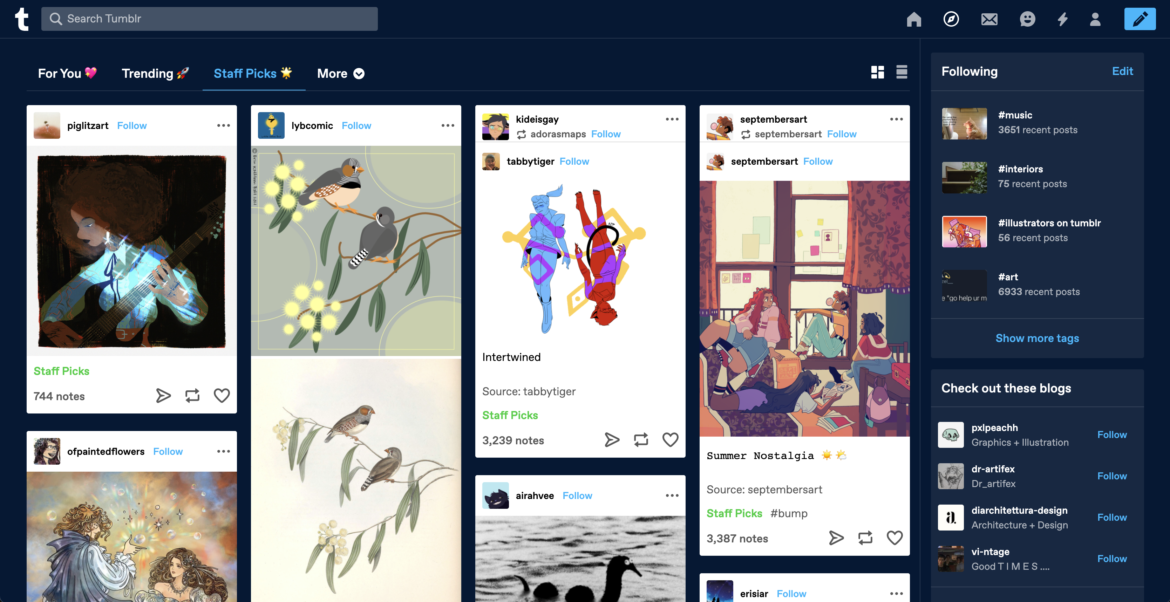
Unlike algorithms on other platforms that might push commercially driven or widely popular content, Tumblr’s dashboard allows for a highly personalized and user-driven content experience. By strategically following blogs that align with one’s interests and utilizing the nuanced tagging system, users can craft a digital feed that is a precise reflection of their curiosities. This means a tech professional could follow blogs dedicated to specific programming paradigms, AI research, cybersecurity news, or UX design trends, ensuring their daily scroll is filled with relevant, insightful content. This level of control over one’s feed makes Tumblr an invaluable tool for continuous learning and professional development, cutting through the noise to deliver truly engaging and pertinent information.
Leveraging Tags for Discovery and Reach
Tags are the lifeblood of content discoverability on Tumblr. Each post can be adorned with multiple tags, turning them into keywords that help users find relevant content. For content creators, mastering tag usage is crucial for maximizing reach beyond their immediate followers. Best practices include using a mix of broad and specific tags, incorporating popular trending tags where relevant, and even creating unique tags for ongoing series or projects. For content consumers, tags serve as powerful search filters. Want to see posts about “machine learning ethics” or “vintage computing restoration”? Simply type the tag into the search bar. This granular level of categorization allows for deep dives into incredibly specific topics, making Tumblr an unofficial, decentralized library of niche information and visual inspiration.
Exploring Diverse Interests and Learning
Tumblr’s open and community-driven nature makes it an exceptional platform for exploring diverse interests and fostering self-directed learning. Whether you’re looking to understand the latest developments in quantum computing, delve into the history of video game consoles, or simply find inspiration for a new coding project, Tumblr’s vast ecosystem of blogs offers a wealth of perspectives. Users can stumble upon fascinating blogs covering niche tech history, practical coding tips, innovative digital art techniques, or insightful reviews of new gadgets. The serendipitous nature of discovery through reblogs and the “Explore” feature means that users are constantly exposed to new ideas and creators, broadening their horizons in unexpected ways and fostering a continuous learning environment.
Platform Specifics and Technical Advantages
Beyond its content-centric features, Tumblr offers several technical advantages that enhance the user experience and empower creators with significant control over their digital presence.
Customization and Theme Flexibility
One of Tumblr’s standout technical features is its unparalleled theme flexibility. Users can select from a vast library of free and premium themes, transforming their blog’s appearance to suit any aesthetic or purpose. From minimalist designs that highlight text to elaborate visual layouts perfect for art portfolios, the options are extensive. For those with basic coding knowledge, Tumblr also allows for direct HTML and CSS editing, providing complete control over a blog’s design. This level of customization far exceeds what’s typically available on most social media platforms and even many traditional blogging sites, enabling users to create a truly unique digital identity without needing to build a website from scratch. This technical freedom makes it attractive for designers and developers who appreciate granular control over presentation.
Ease of Use and Accessibility
Despite its powerful customization features, Tumblr remains remarkably easy to use. Posting content is intuitive, with dedicated buttons for each content type (text, photo, quote, link, etc.), streamlining the process of sharing. The dashboard interface is clean and straightforward, making it simple to navigate, follow blogs, and interact with posts. Furthermore, Tumblr offers robust mobile applications for both iOS and Android, ensuring that users can create, consume, and engage with content on the go. This accessibility lowers the barrier to entry for content creation, allowing individuals to effortlessly document their thoughts and share their creative endeavors, irrespective of their technical proficiency.
Integration and Sharing Capabilities
Tumblr is designed to be well-integrated into the broader internet ecosystem. Posts can be easily shared to other social media platforms like Twitter, Facebook, or Pinterest, extending their reach. Each post has a unique URL, making it simple to link directly to specific content from external websites or articles. Furthermore, Tumblr blogs can often be integrated with RSS feeds, allowing users to subscribe to updates using their preferred feed reader. For developers or tech-savvy users, this means Tumblr can act as a component of a larger digital strategy, serving as a dynamic content hub that can feed into other platforms or be easily referenced across the web, making it a versatile tool for content dissemination and aggregation.
Strategic Uses for Specific Tech-Oriented Goals
Tumblr’s unique technical and community features make it an surprisingly effective platform for several tech-specific applications, catering to developers, reviewers, and digital artists alike.
Showcasing Open-Source Projects and Devlogs
For individual developers or small teams working on open-source projects, Tumblr can serve as an excellent platform for a “devlog” or development blog. It offers a low-friction way to document the progress of a project, share code snippets, post screenshots of UI/UX iterations, or even embed short video demos. This allows developers to maintain transparency, gather community feedback early in the development cycle, and build excitement around their work. The visual nature of Tumblr is particularly advantageous here, enabling developers to show, rather than just tell, the advancements and challenges of their projects, fostering a more engaging connection with potential users and contributors.
Micro-Reviews and Tech Insights
Given its microblogging format and visual emphasis, Tumblr is perfectly suited for short, impactful reviews of gadgets, software, or tech services. Users can post concise textual reviews alongside high-quality product photography, illustrative GIFs demonstrating software features, or short video clips showcasing device functionality. This format encourages directness and visual clarity, making reviews digestible and engaging for readers. Beyond formal reviews, tech enthusiasts can use Tumblr to share quick tech tips, explain complex concepts with simple infographics, or highlight interesting industry news and analyses, positioning themselves as valuable sources of tech insights in a visually compelling manner.
Archiving Digital Art and Design Portfolios
For UI/UX designers, graphic artists working on tech interfaces, game developers showcasing in-game assets, or even web developers presenting their website designs, Tumblr offers a dynamic and easily manageable portfolio solution. Rather than static images, designers can use GIFs to show interactive elements, short videos for user flows, or animated mockups to demonstrate functionality. The ability to categorize posts with specific tags allows for easy navigation through different projects or design types. This continuous archiving of work, coupled with Tumblr’s community features, helps build an online presence, attract potential clients or employers, and receive constructive feedback from peers within the design and tech communities.

Conclusion
Tumblr, often underestimated in the shadow of its larger social media counterparts, stands as a testament to the enduring power of microblogging and visual communication. Its unique blend of ease of use, profound customization, and vibrant community-building features makes it a versatile platform for a wide range of tech-oriented applications. Whether you’re a digital artist looking for a dynamic portfolio, a developer chronicling an open-source project, a tech enthusiast sharing quick insights, or simply someone aiming to curate a highly personalized feed of technical information, Tumblr offers the tools to achieve these goals. It remains an invaluable digital space for creative expression, niche community engagement, and intelligent content curation, demonstrating its continued relevance and adaptability within the ever-evolving landscape of technology platforms. By understanding its core strengths, users can unlock Tumblr’s full potential, transforming it into a powerful asset for personal growth, professional showcasing, and connection within the digital realm.
aViewFromTheCave is a participant in the Amazon Services LLC Associates Program, an affiliate advertising program designed to provide a means for sites to earn advertising fees by advertising and linking to Amazon.com. Amazon, the Amazon logo, AmazonSupply, and the AmazonSupply logo are trademarks of Amazon.com, Inc. or its affiliates. As an Amazon Associate we earn affiliate commissions from qualifying purchases.