
The humble oven, a cornerstone of countless kitchens, is often the unsung hero of meal preparation. Yet, its interior, subjected to splatters, spills, and carbonized residues, frequently becomes a battleground for grime. Historically, oven cleaning was a dreaded chore, involving harsh chemicals, tedious scrubbing, and significant elbow grease. However, with the relentless march of technological innovation, even this mundane task has been revolutionized. Today, a spectrum of advanced tools, smart features, and scientific breakthroughs offers more efficient, safer, and often hands-free solutions for maintaining oven hygiene. This article delves into the technological landscape of oven cleaning, exploring the gadgets, integrated systems, and digital aids that transform a chore into a manageable process.
The Evolution of Oven Cleaning Technology: From Manual Labor to Smart Systems
The journey of oven cleaning has mirrored the broader advancements in home appliance technology, moving from purely manual interventions to sophisticated, integrated systems. Understanding this evolution is key to appreciating the modern solutions available.
From Caustic Chemicals to Self-Cleaning Algorithms
For decades, the standard approach to oven cleaning involved potent, often caustic chemical sprays designed to dissolve baked-on grease and food particles. While effective, these solutions came with significant drawbacks: strong fumes requiring ventilation, skin irritants demanding protective gear, and the lingering residue that often needed meticulous wiping. The advent of self-cleaning ovens marked a significant leap forward. Initially a high-end feature, self-cleaning technology operates primarily on two principles:
- Pyrolytic Self-Cleaning: This method involves heating the oven interior to extremely high temperatures (typically between 400-500°C or 750-930°F) for several hours. At these temperatures, food residues are incinerated, turning into a fine ash that can be easily wiped away once the oven cools. The process is entirely automated, controlled by an internal thermostat and advanced software, eliminating the need for chemical agents and manual scrubbing. Modern pyrolytic systems often incorporate sophisticated insulation to keep the exterior cool and feature automatic door locks for safety during the high-heat cycle.
- Catalytic Liners: A slightly older but still relevant technology, catalytic ovens feature special enamel panels treated with a porous, oxidizing material. When the oven is heated to regular cooking temperatures (around 200°C or 400°F), these liners absorb and slowly break down grease splatters through a catalytic reaction. While not as thorough as pyrolytic cleaning, they reduce the build-up over time and require less manual intervention than non-catalytic ovens. The “tech” here lies in the material science of the liners themselves and their interaction with heat.
These integrated technologies represent a significant shift, embedding cleaning functionality directly into the appliance’s core operation, making the process largely autonomous and safer.
The Rise of Steam-Assisted Cleaning Systems
Beyond high-heat pyrolysis, steam technology has emerged as a gentler, yet effective, cleaning method, particularly for newer oven models. Steam cleaning systems inject water into a dedicated reservoir within the oven, generating steam at lower temperatures (e.g., 100-200°C or 212-400°F). This steam penetrates and loosens baked-on food and grease, making it significantly easier to wipe away with a cloth.
The technological advantage of steam cleaning lies in its chemical-free operation and energy efficiency compared to pyrolytic methods. It’s often quicker, too, typically completing a cycle in 30-60 minutes. While it may not tackle heavily carbonized deposits as effectively as pyrolysis, it’s an excellent solution for routine maintenance and lighter soiling, leveraging the physical properties of superheated water for deep cleaning. Some advanced ovens integrate this feature with smart sensors that detect when a steam clean might be beneficial, offering prompts via a digital display or connected app.
Modern Gadgets and Tools for Superior Oven Hygiene
Beyond the integrated cleaning systems, a diverse array of modern gadgets and scientifically formulated products have emerged to tackle oven grime, catering to specific needs and preferences. These tools leverage various technologies to enhance efficiency and safety.
Specialized Robotic Cleaners and Automated Scrubbers (Conceptual/Emerging)
While fully autonomous oven-cleaning robots are still largely in their conceptual or nascent stages, driven by advancements in robotics and AI, we see precursors in specialized automated scrubbers. These are not yet mainstream but hint at future tech. More common are handheld battery-operated scrubbers with interchangeable brush heads, designed to reduce manual effort. These devices utilize oscillating or rotating motions, often at high speeds, to provide a mechanical scrubbing action that outperforms traditional sponges, making short work of stubborn residues. The “tech” here is in the motorization, ergonomic design, and specialized material science of the brush heads, which are engineered to be abrasive enough for grime but safe for oven surfaces.
High-Tech Abrasives and Eco-Friendly Enzymatic Solutions
The chemicals themselves have seen significant technological advancement. While harsh lye-based cleaners persist, there’s a growing trend towards safer, more environmentally friendly alternatives.
- Nano-Abrasive Pastes and Pads: These products employ micro-abrasive particles, often made from natural minerals, designed to physically abrade grime without scratching sensitive oven surfaces. The “nano” aspect allows for extremely fine and effective scrubbing action. Paired with ergonomic handles, these pads provide a high-tech alternative to steel wool, offering superior cleaning power with reduced risk of damage.
- Enzymatic Cleaners: A marvel of biotechnology, enzymatic oven cleaners utilize specific enzymes (e.g., proteases, lipases) to break down organic food matter (proteins, fats, starches) at a molecular level. These cleaners are typically pH-neutral, non-toxic, and biodegradable, offering a powerful cleaning action without harsh fumes or chemicals. The technology lies in the precise formulation and stability of these biological agents, allowing them to remain active and effective in the challenging environment of an oven. They represent a significant leap in chemical engineering for household cleaning.
Precision Cleaning Tools for Hard-to-Reach Areas
Modern oven designs often feature complex interiors with heating elements, vents, and tight corners that are difficult to access. This has spurred the development of specialized “tech” tools designed for precision cleaning:
- Flexible Brushes and Scrapers: Long-handled, flexible brushes with varying bristle stiffness and uniquely angled scrapers (often made of durable plastic or specialized composite materials to prevent scratching) allow users to reach deep into crevices and behind elements. The engineering here focuses on material science for durability and flexibility, coupled with ergonomic design for user control.
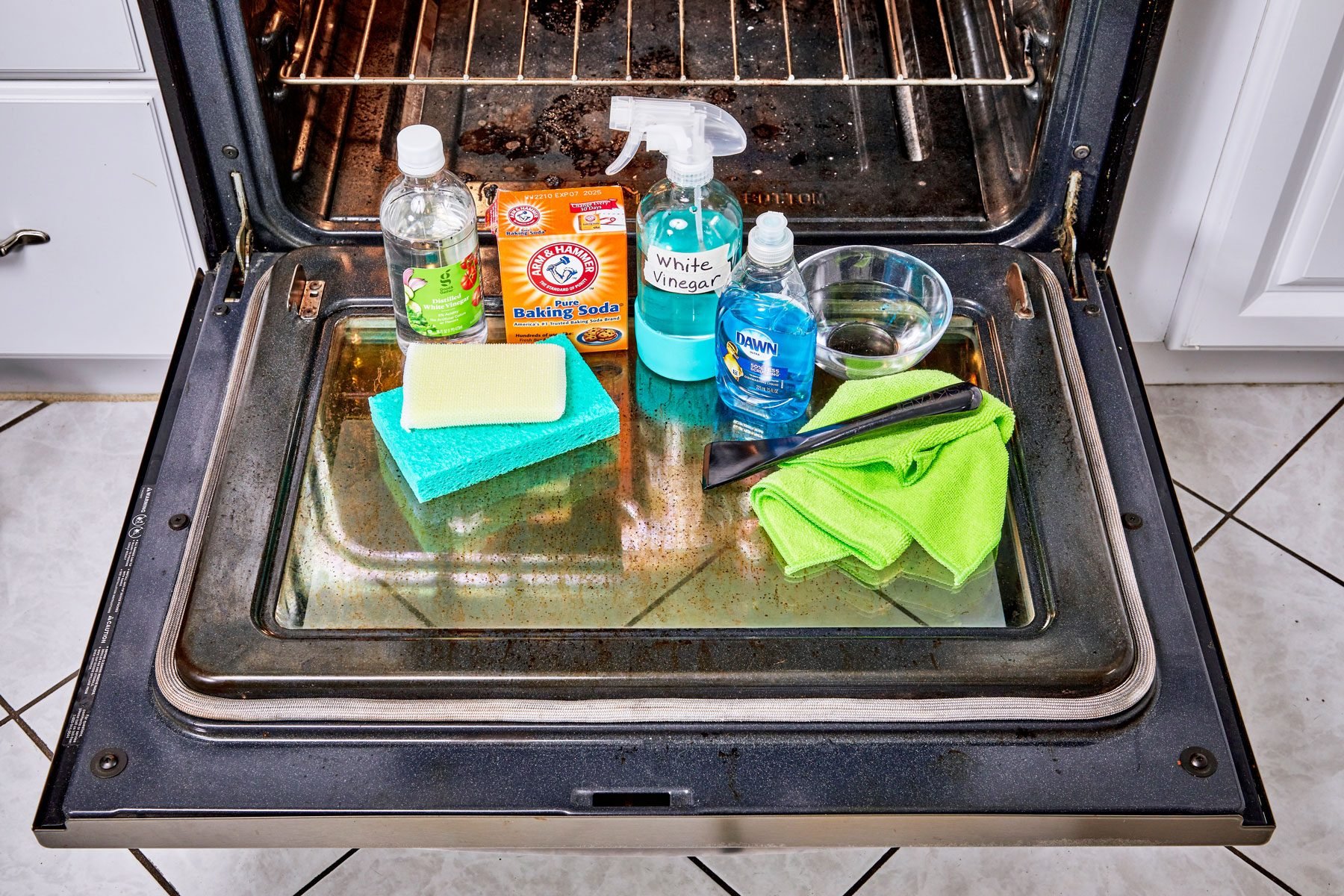
- Microfiber Technology: While seemingly simple, advanced microfiber cloths utilize microscopic fibers (often a blend of polyester and polyamide) that are significantly thinner than a human hair. These fibers are designed to pick up and trap dirt, grease, and moisture more effectively than traditional cotton cloths. The capillary action within the microfibers provides superior absorption and cleaning power, making them ideal for a streak-free finish after initial cleaning. This is a subtle but impactful material technology in cleaning.
Leveraging Digital Solutions for Optimal Oven Maintenance
The pervasive influence of digital technology extends beyond the oven itself, offering supportive tools and systems for better maintenance and cleaning practices.
Smart Home Integration and AI-Powered Cleaning Schedules
As ovens become part of the smart home ecosystem, they can integrate with digital assistants and smart home platforms. This allows for:
- Remote Activation: Many modern ovens with Wi-Fi connectivity allow users to remotely activate self-cleaning cycles via a smartphone app. This means you can start the cleaning process while at work or on the go, having it ready when you return home.
- AI-Powered Maintenance Reminders: Integrating with smart home hubs or dedicated appliance apps, ovens can leverage basic AI algorithms to track usage patterns. Based on cooking frequency and duration, the system can intelligently suggest when a cleaning cycle might be beneficial, sending push notifications to your device. This proactive approach ensures consistent maintenance, preventing extreme build-up.
- Voice Control: “Hey Google, start the oven self-clean cycle” is becoming a reality, offering hands-free control for convenience and accessibility.
App-Based Product Selection and Usage Tutorials
The digital realm also offers invaluable resources for choosing and using cleaning technologies.
- Product Comparison Apps and Websites: Online platforms and dedicated apps allow consumers to compare different oven cleaning products, self-cleaning oven models, and cleaning gadgets based on features, effectiveness, safety ratings, and user reviews. This data-driven approach helps users make informed decisions based on their specific oven type and cleaning needs, leveraging crowd-sourced intelligence and expert analyses.
- Interactive Tutorials and Guides: Manufacturer apps often include detailed, step-by-step video tutorials and interactive guides on how to properly use their oven’s cleaning features (e.g., how to load water for a steam clean, what to expect during a pyrolytic cycle). Similarly, third-party apps and websites provide comprehensive instructions for using various cleaning agents and gadgets, ensuring optimal results and safe application. This digital content transforms complex instructions into easily digestible, visual formats.
Reviewing Advanced Oven Cleaning Methods: Pros and Cons
Choosing the right technology for oven cleaning requires understanding the advantages and limitations of each method. A critical review helps in making an informed decision.
Assessing Pyrolytic Self-Cleaning Systems
Pros:
- Highly Effective: Incinerates even the most stubborn, carbonized grime into easily wiped ash.
- Chemical-Free: Eliminates the need for harsh cleaning chemicals, reducing exposure to fumes and irritants.
- Automated: Largely hands-free operation once initiated.
- Time-Saving: Reduces manual scrubbing effort to almost zero.
Cons:
- High Energy Consumption: Operates at very high temperatures for several hours, consuming significant electricity.
- Strong Odors: While chemical-free, the burning of food residues can produce strong, unpleasant odors requiring good ventilation.
- Time-Consuming: Cycles can last 2-4 hours, plus cooling time.
- Safety Concerns: High temperatures necessitate automatic door locks and good insulation, which adds to the cost of the appliance. Requires removal of racks and accessories that are not “pyrolytic safe.”
Evaluating Catalytic Liners and Their Efficacy
Pros:
- Passive Cleaning: Works during regular cooking, preventing heavy build-up.
- Low Energy Use: No special cleaning cycle required.
- No Strong Fumes: Avoids the intense odors of pyrolytic cleaning.
Cons:
- Limited Effectiveness: Not ideal for heavy, baked-on grime; more for preventing light splatters.
- Not a “Deep Clean”: Liners wear out over time and may need replacement.
- Still Requires Manual Input: Heavily soiled areas or non-lined surfaces still need manual cleaning.
The Efficiency of Modern Chemical-Free Cleaning Devices
Pros (for steam cleaners, enzymatic solutions, nano-abrasives):
- Eco-Friendly/Non-Toxic: Often use water or biodegradable biological agents, reducing environmental impact and chemical exposure.
- Safe for Surfaces: Less abrasive than traditional methods, protecting oven finishes.
- Versatile: Many products can be used on various oven types.
- Targeted Cleaning: Gadgets allow for focused attention on specific soiled areas.
Cons:
- Requires Manual Effort: While often reduced, these methods still typically require some level of scrubbing or wiping.
- Varying Effectiveness: May struggle with extremely heavy, carbonized deposits compared to pyrolytic cleaning.
- Time Investment: Can still be time-consuming, especially for heavily soiled ovens.
Future Trends in Oven Cleaning Technology
The innovation in oven cleaning is far from over. Future trends point towards even greater integration, autonomy, and sustainability.
Predictive Maintenance and IoT Connectivity
The Internet of Things (IoT) will play an increasingly vital role. Future ovens may feature advanced sensors that not only detect soiling levels but also analyze the type of residue. Coupled with machine learning algorithms, the oven could then intelligently recommend the most appropriate cleaning cycle (steam, pyrolytic, or even localized spot cleaning using new technologies) and order necessary cleaning supplies through integrated e-commerce platforms. Predictive maintenance would extend to the cleaning components themselves, alerting users when a catalytic liner needs replacement or a sensor requires calibration.
Sustainable Innovations and Bio-Engineering in Cleaning Agents
The drive towards sustainability will lead to even more advanced eco-friendly cleaning solutions. This could involve:
- Advanced Bio-Engineered Microbes: Harnessing specific strains of microbes that “consume” or break down oven grime, offering a truly self-sustaining, non-toxic cleaning process.
- Smart Coatings: Development of perpetually non-stick or self-cleaning interior coatings that chemically repel or continuously break down food particles through ambient reactions, minimizing the need for active cleaning cycles.
- Water-Saving Technologies: More efficient steam generation systems that use minimal water while maximizing cleaning power.
In conclusion, the days of dreading oven cleaning are gradually becoming a relic of the past, thanks to a continuous stream of technological advancements. From the high-heat intelligence of pyrolytic systems to the gentle power of steam, and from precision cleaning gadgets to the promise of AI-driven maintenance, technology is empowering us to keep our ovens pristine with greater ease, efficiency, and safety. Understanding these options allows every homeowner to choose the best technological approach for their specific needs, ensuring a sparkling clean oven and more time for what truly matters.
aViewFromTheCave is a participant in the Amazon Services LLC Associates Program, an affiliate advertising program designed to provide a means for sites to earn advertising fees by advertising and linking to Amazon.com. Amazon, the Amazon logo, AmazonSupply, and the AmazonSupply logo are trademarks of Amazon.com, Inc. or its affiliates. As an Amazon Associate we earn affiliate commissions from qualifying purchases.