
The sinking feeling of reaching into a pocket and finding nothing but lint is a universal human experience. However, in the modern era, losing your car keys is no longer a simple matter of visiting a hardware store for a $5 brass duplicate. As vehicles have transformed into “computers on wheels,” the physical key has evolved into a sophisticated piece of hardware integrated into a complex digital ecosystem.
When you lose your car keys today, you aren’t just losing a piece of metal; you are facing a breach in your personal digital security and a disruption of your vehicle’s encrypted network. Navigating this situation requires a deep understanding of automotive technology, ranging from Radio Frequency Identification (RFID) to smartphone-integrated “Phone as Key” (PaaK) systems. This guide explores the technical protocols of key replacement and the high-tech preventative measures available to the modern driver.
The Architecture of Modern Vehicle Access
To understand what to do when a key goes missing, one must first understand what a “key” actually is in the 21st century. We have moved far beyond simple mechanical tumblers.
From Transponder Chips to Encrypted RFID
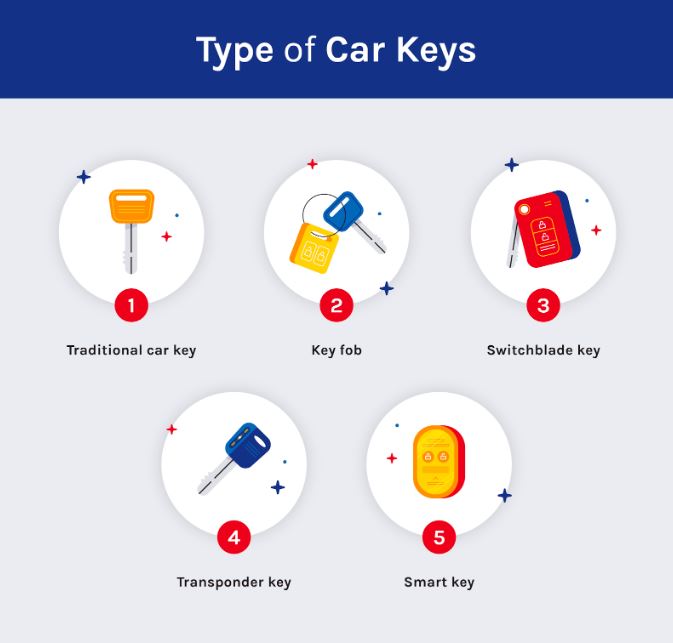
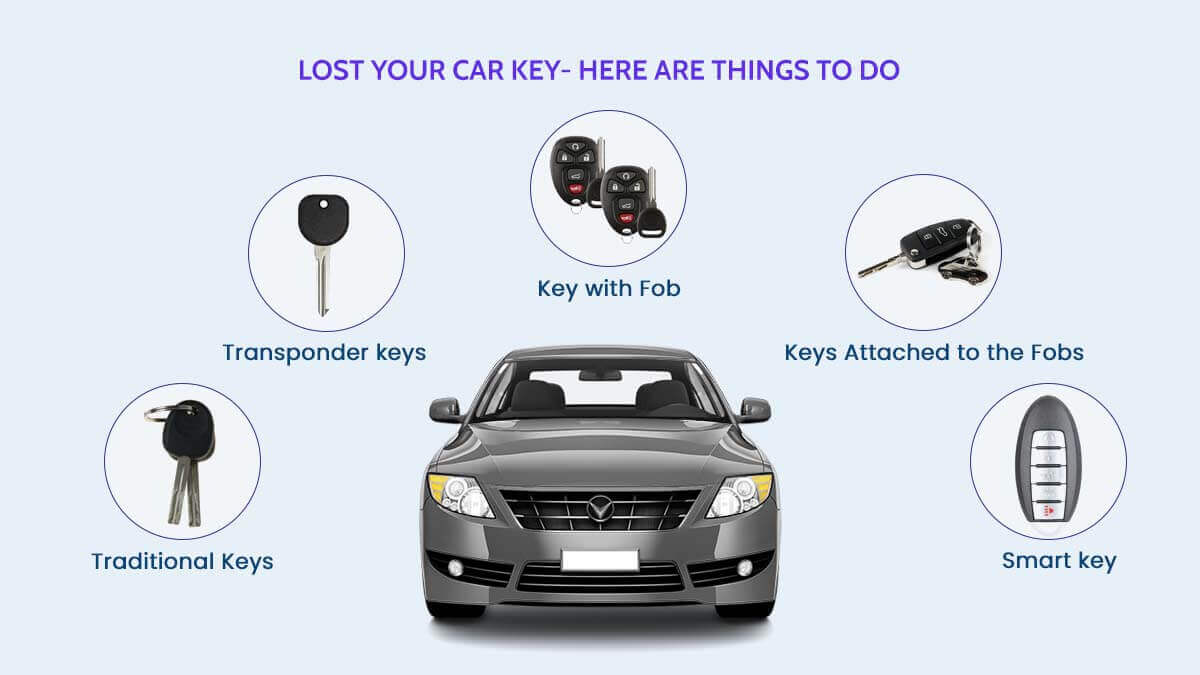
Since the late 1990s, most vehicles have utilized transponder keys. Inside the plastic head of the key is a small chip that communicates with the car’s immobilizer system. When you insert the key or press the start button, the car sends an electronic pulse to the key, which responds with a unique identification code. If the code doesn’t match, the fuel pump and ignition remain disabled. Losing this means you’ve lost a specific cryptographic token required to “handshake” with the Engine Control Unit (ECU).
Smart Fobs and Proximity Sensors
Modern “keyless entry” systems take this a step further using Low Frequency (LF) and Ultra-High Frequency (UHF) radio waves. These fobs are constantly “talking” to the car. When you lose a smart fob, you are losing a sophisticated transmitter that utilizes rolling codes to prevent “relay attacks”—a method where hackers intercept the signal to steal the car. Replacing these requires specialized software that can sync the new fob’s hopping-code algorithm with the vehicle’s receiver.
The Role of the Immobilizer System
The immobilizer is the silent guardian of your vehicle’s tech stack. When a key is lost, the primary concern is security. Tech-savvy locksmiths or dealerships don’t just “cut” a new key; they must access the vehicle’s onboard computer to “de-authorize” the lost key. This ensures that if a bad actor finds your lost fob, it will no longer communicate with the vehicle, effectively bricking the lost hardware.
Immediate Digital Recovery Strategies
If you find yourself stranded without your physical fob, the first step is to look toward your digital backups. Modern automotive tech often provides “backdoor” access through software.
Leveraging Manufacturer-Specific Apps
Most premium and mid-range vehicles produced in the last five years (such as Tesla, BMW, Volvo, and Ford) offer proprietary apps like FordPass, MyBMW, or the Tesla app. If you have previously registered your Vehicle Identification Number (VIN) and paired your smartphone, you can often unlock the doors and even start the engine remotely via the cloud. This is a critical first step that bypasses the need for a physical key in an emergency.
“Phone as Key” (PaaK) and BLE Technology
Some vehicles utilize Bluetooth Low Energy (BLE) to turn your smartphone into the primary key. If you have set up PaaK, the loss of a physical fob is merely an inconvenience rather than a crisis. These systems use digital certificates stored in the secure element of your phone’s processor—the same place Apple Pay or Google Pay stores credit card data—to verify your identity. If you haven’t set this up, many manufacturers allow you to enable it remotely through customer service verification, provided the vehicle has an active cellular connection (LTE/5G).
Utilizing Third-Party Bluetooth and GPS Trackers
For many tech-enthusiasts, the solution to a lost key starts before the loss occurs. Integrating an Apple AirTag, Tile, or Chipolo onto your keychain allows you to use Precision Finding. These devices leverage a crowdsourced network of millions of smartphones to pinpoint the GPS coordinates of your keys. If you lose your keys in a public place, the “Find My” network can guide you to within inches of the lost hardware using Ultra-Wideband (UWB) technology.
The Cybersecurity of Key Replacement
Once you accept that the key is gone, the replacement process is a masterclass in modern digital security. This is not a mechanical process; it is a software programming task.
Re-programming the ECU and Security Tokens
To get a new key working, a technician must connect to the vehicle’s OBD-II (On-Board Diagnostics) port. They use specialized tablets running proprietary software to enter the vehicle’s “security layer.” This often requires a “Rolling Code” or a “seed-and-key” password provided by the manufacturer’s database. The technician must delete the old key’s digital footprint and “flash” the new key’s unique ID into the car’s memory.
The Risks of Aftermarket Programming Tools
While there are many third-party tools available online that claim to program car keys, they carry significant cybersecurity risks. Unverified software can sometimes “brick” the ECU or leave the vehicle’s CAN bus (Controller Area Network) vulnerable to exploits. Professional tech-driven locksmiths use “EEPROM” (Electrically Erasable Programmable Read-Only Memory) programming, which involves reading the data directly from the car’s computer chips to ensure a perfect, secure match.
Why Cybersecurity Protocols Drive Costs
Consumers often wonder why a replacement fob costs $300 to $600. The cost isn’t in the plastic; it’s in the licensing of the encrypted software and the hardware’s ability to resist “brute force” hacking. The high level of encryption—often equivalent to bank-level security—ensures that a thief cannot simply buy a blank fob and program it to your car in seconds. You are paying for the integrity of the vehicle’s firewall.
Future-Proofing: The End of Physical Keys
The ultimate solution to losing your car keys is the total elimination of the physical key itself. We are currently in a transitional phase where the “key” is becoming an abstract digital permission.
Biometric Authentication
The next frontier in automotive tech is biometrics. Some manufacturers are already implementing fingerprint scanners on the start button or facial recognition cameras in the B-pillar of the car (similar to FaceID on an iPhone). When your face or fingerprint is the key, the concept of “losing” your access becomes a thing of the past. These systems store your biometric hash locally in a hardened security module, ensuring that your data never leaves the vehicle while providing seamless access.
Blockchain and Decentralized Identity
There is emerging research into using blockchain technology for vehicle access. By using a Decentralized Identifier (DID), a car owner could grant or revoke “keys” via a secure ledger. This would allow you to send a “temporary digital key” to a family member’s phone that expires after four hours. If you “lose” your device, you could revoke the access token on the blockchain from any other verified terminal, providing a level of control that physical hardware can never match.
The Rise of Ultra-Wideband (UWB) for “Walk-up” Access
UWB is the gold standard for the future of vehicle entry. Unlike standard Bluetooth, which can be fooled by relay stations, UWB measures the “Time of Flight” of the signal. The car knows exactly how many centimeters away the authorized device is. If the signal is being relayed from a distance, the car will recognize the latency and refuse to unlock. This tech, currently being rolled out by the Car Connectivity Consortium (CCC), ensures that even as we move to digital-only keys, the security remains impenetrable.
Conclusion
Losing your car keys in the modern age is a temporary setback in an increasingly connected world. While the physical loss is frustrating, the underlying technology of modern vehicles provides multiple layers of recovery and security. From utilizing manufacturer apps to reprograming encrypted fobs via the OBD-II port, the process is a testament to the sophistication of automotive software.
As we move toward a future defined by biometrics, UWB, and decentralized digital identities, the “physical key” will likely become a relic of the past, housed in museums alongside the hand-crank starters of the early 20th century. Until then, maintaining a digital-first approach to your vehicle’s security—registering your apps, utilizing trackers, and understanding the encryption at play—is the best way to ensure that a lost key doesn’t result in a lost connection to your mobile life.
aViewFromTheCave is a participant in the Amazon Services LLC Associates Program, an affiliate advertising program designed to provide a means for sites to earn advertising fees by advertising and linking to Amazon.com. Amazon, the Amazon logo, AmazonSupply, and the AmazonSupply logo are trademarks of Amazon.com, Inc. or its affiliates. As an Amazon Associate we earn affiliate commissions from qualifying purchases.