
When millions of spectators ask “what time is the St. Patrick’s Day Parade in NYC,” they are usually looking for a logistics update. However, for economists, city planners, and business owners, that start time—traditionally 11:00 AM on March 17th—represents the beginning of one of the most significant fiscal events in the New York City calendar. The parade is not merely a cultural tradition; it is a massive financial catalyst that pumps hundreds of millions of dollars into the local economy over a single 24-hour period.
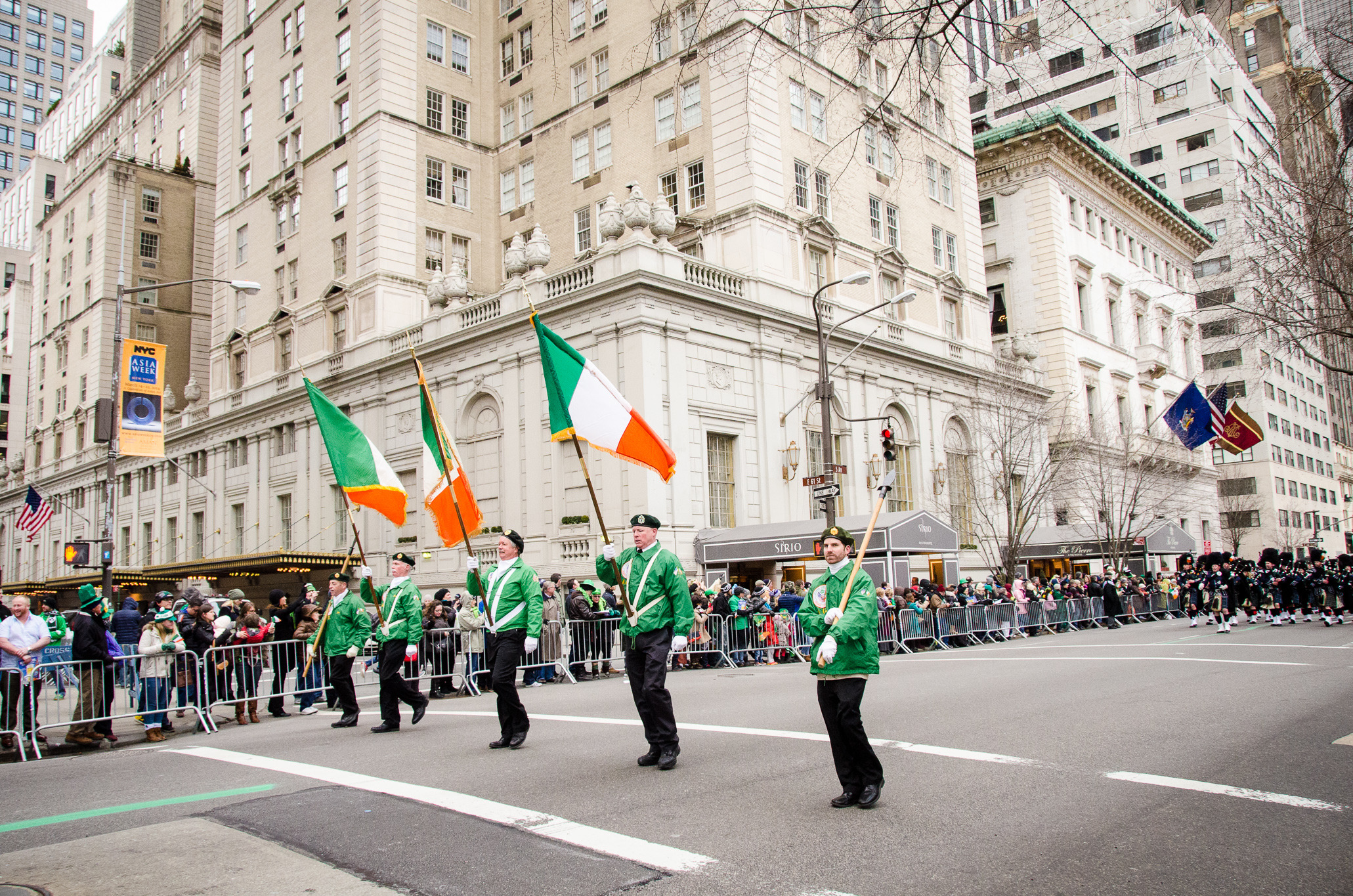
Understanding the financial mechanics behind this event requires looking past the green beer and bagpipes to analyze the massive flow of capital, the municipal investment, and the ROI for the thousands of businesses lining the route. From Fifth Avenue real estate premiums to the surge in hospitality revenue, the timing of this parade dictates the quarterly success of many Manhattan enterprises.
The Financial Blueprint of a Global Spectacle
The NYC St. Patrick’s Day Parade is one of the oldest and largest in the world, and its scale demands a sophisticated financial blueprint. Unlike smaller city events, the NYC parade involves a complex web of municipal spending, private fundraising, and massive consumer expenditure.
Direct Revenue Streams: Tourism and Hospitality
When the parade kicks off at 11:00 AM, it signals the start of a peak spending window. According to economic impact studies of major NYC events, the St. Patrick’s Day period can generate over $250 million in economic activity. This is driven largely by “inbound” capital—money brought into the city by tourists from across the globe.
Hotels in Midtown and along the Upper East Side often see occupancy rates climb toward 90% or higher during this week. For the hospitality sector, this isn’t just a busy day; it’s a high-margin period where “Rack Rates” (the standard price of a room without discounts) are often applied. The timing of the parade, usually occurring on a weekday or a Saturday, creates a “shoulder season” boom, filling rooms in March that might otherwise remain empty during the transition from winter to spring.
The Cost of Celebration: Municipal Expenses and Security
While the revenue is significant, the “Money” aspect of the parade also involves substantial municipal outlays. The City of New York must budget for thousands of NYPD officers to manage crowds that often exceed two million people. Additionally, the Department of Sanitation (DSNY) faces a massive cleanup operation that must be completed within hours of the parade’s conclusion to allow the city’s commercial heartbeat to resume.
These costs are often debated in city hall, but the consensus remains that the tax revenue generated—from sales tax on food and beverages to hotel occupancy taxes—far outweighs the operational expenditure. For every dollar the city spends on security and cleanup, it earns a significant multiple back in the form of economic stimulation and brand value for the city as a global tourism destination.
Real Estate and the Value of Parade Routes
The physical path of the parade—traveling up Fifth Avenue from 44th Street to 79th Street—is some of the most expensive real estate on the planet. The timing of the parade interacts with these property values in unique and profitable ways.
The Fifth Avenue Premium
For commercial tenants on Fifth Avenue, the parade is a double-edged sword that ultimately tilts toward profit. While some luxury boutiques may close their doors to avoid the rowdy crowds, many use the event as a high-visibility branding opportunity. The “advertising equivalent value” of being located on the parade route during a televised event is worth millions.
Furthermore, “Corporate Hospitality Suites” along the route are sold or leased for staggering sums. Businesses with offices overlooking the parade often host high-net-worth clients, using the event as a networking tool that facilitates long-term business deals. In this context, the parade is a backdrop for high-level corporate finance and relationship management.
Short-Term Rental Spikes and the Hospitality Surge
The residential real estate market also experiences a “St. Patrick’s Day Effect.” Short-term rental platforms see a dramatic spike in pricing for units located within walking distance of the parade route. For a property owner in Midtown, the weekend of the parade can generate enough rental income to cover a significant portion of their monthly mortgage. This micro-economy of short-term rentals provides a direct financial benefit to individual New Yorkers, circulating wealth into the hands of residents rather than just major hotel chains.

Corporate Sponsorship and the Business of Tradition
Though the parade is rooted in heritage, its modern iteration is a masterclass in corporate sponsorship and media rights. The financial health of the parade depends on its ability to attract and retain high-value partners.
Branding ROI for Participating Partners
From major airlines to beverage giants, the list of sponsors for the St. Patrick’s Day Parade reads like a Fortune 500 directory. These companies aren’t just participating for the sake of tradition; they are seeking a high Return on Investment (ROI). The parade provides a platform for “experiential marketing,” allowing brands to engage with a massive, festive audience in a positive environment.
The media rights for the parade are equally valuable. With broadcasts reaching millions of homes globally, the commercial slots during the parade coverage are prime inventory for advertisers. This media-driven revenue helps fund the parade’s logistical costs, ensuring that the event can remain free for the public while still operating as a profitable enterprise for the media companies involved.
Charitable Foundations and Non-Profit Financials
A less-discussed but vital financial component of the parade is its role in fundraising. The NYC St. Patrick’s Day Parade is organized by a non-profit corporation. The event serves as the primary fundraiser for various Irish-American charities and scholarships. By leveraging the scale of the parade, these organizations can raise millions of dollars annually that are then reinvested into education, healthcare, and cultural preservation. This creates a “social finance” loop where the pageantry of the parade funds the future of the community.
Small Business Impact: The “Green” Effect on Local P&Ls
While the “Big Money” of hotels and sponsors is impressive, the most immediate impact of the parade’s timing is felt by small business owners. For many Irish pubs and local restaurants, St. Patrick’s Day is the single most profitable day of the fiscal year.
Retail and F&B: The Single Biggest Day of the Quarter
The question of “what time is the parade” is most critical for bar and restaurant owners. An 11:00 AM start time means that foot traffic begins as early as 8:00 AM and continues well into the late-night hours. For a typical Midtown pub, the revenue generated on March 17th can equal or exceed the total revenue of the entire month of February.
This influx of cash is vital for the survival of small businesses in a high-rent environment like New York City. The “inventory turnover” on this day is unprecedented; establishments must stock up on thousands of gallons of beer and hundreds of pounds of corned beef weeks in advance. This creates a secondary economic ripple effect, benefiting food and beverage wholesalers and delivery services throughout the Tri-State area.
Side Hustles and Micro-Economies Created by the Parade
Beyond established brick-and-mortar stores, the parade creates a “gig economy” surge. From street vendors selling hats and scarves to freelance photographers and private tour guides, the parade provides a platform for thousands of “side hustles.”
The financial inclusivity of the event is one of its most remarkable features. It allows everyone from a college student working a temporary security shift to a local artist selling themed merchandise to capture a piece of the economic pie. This “micro-level” financial activity is hard to track in aggregate, but for the individuals involved, it represents a significant seasonal income boost that supports their personal financial goals.

The Bottom Line: Why Timing is Everything in NYC
When we analyze the question of “what time is the St. Patrick’s Day Parade in NYC” through a financial lens, we see that the answer is more than just a chronological fact. The timing is a carefully calibrated trigger for a massive economic engine.
The 11:00 AM start time ensures maximum exposure for television audiences, optimal foot traffic for retailers, and a full day of consumption for the hospitality sector. It balances the needs of the city’s infrastructure with the desires of its commercial stakeholders.
In conclusion, the NYC St. Patrick’s Day Parade is a testament to the power of cultural events to drive serious economic results. It is a day where heritage and high-finance meet on Fifth Avenue, proving that tradition is not just about the past—it’s a vital investment in the city’s fiscal future. For any investor or business owner in New York, the parade is not just a holiday; it is a masterclass in market demand, logistics, and the enduring value of the “NYC Brand.”
aViewFromTheCave is a participant in the Amazon Services LLC Associates Program, an affiliate advertising program designed to provide a means for sites to earn advertising fees by advertising and linking to Amazon.com. Amazon, the Amazon logo, AmazonSupply, and the AmazonSupply logo are trademarks of Amazon.com, Inc. or its affiliates. As an Amazon Associate we earn affiliate commissions from qualifying purchases.