
For the average consumer, the answer to the question “what time does Halloween start?” is a straightforward matter of the calendar: October 31st, typically at dusk when the first trick-or-treaters emerge. However, for brand strategists, marketing executives, and corporate identity experts, the “start time” for Halloween follows an entirely different set of rules. In the world of high-stakes retail and digital engagement, Halloween doesn’t start in October; it starts in late summer, often during the stifling heat of August.
Understanding the timing of seasonal branding is essential for any business looking to capture a slice of the multi-billion dollar “spooky season” economy. It is a masterclass in psychological priming, supply chain coordination, and narrative-driven marketing. This article explores the strategic imperatives behind the “Halloween Creep,” the benchmarks for brand deployment, and how companies use this window to redefine their corporate identities for a temporary but highly lucrative period.

The Psychology of Seasonal Anticipation: Establishing the Brand Anchor
The reason brands push the “start time” of Halloween earlier every year is rooted in the psychological concept of “anticipatory consumption.” Humans derive significant utility—and often more joy—from the anticipation of an event than from the event itself. By signaling the start of the Halloween season prematurely, brands anchor themselves in the consumer’s mind long before a single pumpkin is carved.
The “Code Orange” Phenomenon
In the world of personal branding and retail strategy, the first appearance of Halloween merchandise is often referred to by enthusiasts and marketers as “Code Orange.” This usually occurs in early to mid-August. For a brand, being the first to declare “Code Orange” is a strategic move to claim market leadership. It sets the tone for the season and allows the brand to capture the “early adopter” segment of the market—those consumers who view Halloween as a lifestyle rather than a single day.
Emotional Priming and Brand Loyalty
Starting the Halloween conversation early isn’t just about sales; it’s about emotional resonance. Brands that successfully transition their visual identity to reflect seasonal themes early on are seen as “participants” in the consumer’s life rather than just “vendors.” By tapping into the nostalgia and excitement associated with Halloween, brands build a deeper emotional connection. This priming ensures that when the consumer eventually enters the “heavy spending” phase in October, the brand has already established itself as the go-to authority.
Industry Benchmarks for Brand Deployment: The Q3 Pivot
For a brand to effectively “start” Halloween, the internal strategy must begin months, if not years, in advance. However, the external rollout follows a carefully choreographed timeline that has become an industry standard.
The Starbucks Effect: The Pumpkin Spice Catalyst
If we look at case studies of seasonal brand dominance, the Starbucks Pumpkin Spice Latte (PSL) is the definitive benchmark. The launch date of the PSL often serves as the unofficial “start time” for the autumn brand cycle. Starbucks utilizes a “drop” culture strategy similar to luxury streetwear brands, creating a sense of urgency. When a brand of that magnitude signals a seasonal shift, it creates a ripple effect across all sectors, from home decor to digital services, signaling that it is now socially and commercially acceptable to engage with Halloween themes.
The August 1st Threshold
For major retailers like Home Depot and Target, August 1st has become the tactical starting line. Home Depot, in particular, has revolutionized Halloween branding through its “Giant Skeleton” (Skelly) campaign. By launching these high-demand items in August, they create a viral social media moment that sustains brand visibility for three full months. This early deployment serves a dual purpose: it clears logistics for the Christmas transition in November and ensures the brand dominates the social media conversation before competitors have even opened their warehouses.
Digital Engagement and the Content Lifecycle: When SEO Meets Seasonality
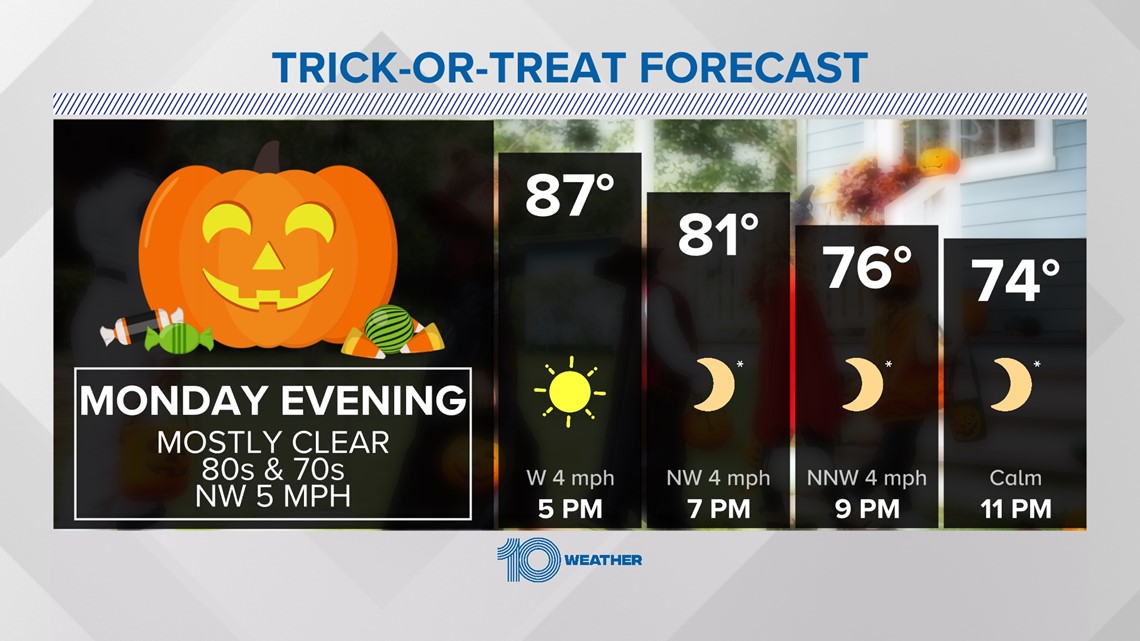
In the digital sphere, “what time Halloween start” is a query that begins to trend in July. Digital marketing strategies must account for the long-tail nature of search engine optimization (SEO) and content indexing.
Search Trends and Content Pre-Loading
A professional digital brand strategy involves “pre-loading” content. If a company wants to rank for Halloween-related keywords, their landing pages and blog content must be live and indexed by late summer. Brands that wait until October to launch their Halloween campaigns are already invisible to the search algorithms. Strategic brands analyze “search intent” months in advance, creating guides, lookbooks, and interactive tools that provide value long before the physical products are needed.
Visual Identity and Social Media Aesthetic
On platforms like Instagram and TikTok, the transition to Halloween branding is a visual one. “Spooky Season” has its own specific color palette and typography. A brand’s digital strategy involves a gradual shift—moving from the bright, high-contrast colors of summer to the muted, moody, or “maximalist gothic” aesthetics of Halloween. This isn’t just a design choice; it’s a signal to the audience that the brand is evolving with them. Successful personal brands often use this time to “re-skin” their digital presence, maintaining brand consistency while injecting seasonal relevance.
Operational Readiness and Sensory Branding: Beyond the Visuals
When a brand decides “what time” their Halloween starts, they must also consider the physical and sensory touchpoints of the consumer journey. Effective branding is holistic; it involves the environment in which the customer interacts with the company.
Sensory Marketing in Retail Spaces
For brick-and-mortar brands, the “start” of Halloween is often marked by a shift in sensory branding. This includes scent marketing (cinnamon, nutmeg, and damp earth), curated soundtracks, and tactile displays. The goal is to create an immersive “brand world.” When a customer walks into a store in September and experiences a fully realized Halloween environment, the brand is leveraging environmental psychology to encourage impulse buys and increase “dwell time” within the retail space.
Limited Edition Packaging (LEP)
One of the most effective tools in a brand’s Halloween arsenal is Limited Edition Packaging. Changing the “Corporate Identity” on a product—even slightly—to include seasonal motifs creates a “collector” mentality. This strategy is highly prevalent in the FMCG (Fast-Moving Consumer Goods) sector. By timing the release of LEP for mid-September, brands can revitalize interest in “stale” product lines and command premium shelf space through eye-catching, temporary design shifts.
Measuring the ROI of Early Launch Strategies: The Strategic Conclusion
The question of “what time Halloween start” ultimately finds its answer in the data. Brands start early because the Return on Investment (ROI) justifies the effort. An extended Halloween season allows for a more robust data collection period, enabling brands to pivot their messaging based on early consumer feedback.
Extended Sales Windows and Revenue Smoothing
By starting the Halloween season in August or September, brands effectively double their sales window. Instead of a 31-day sprint, they engage in a 90-day marathon. This “revenue smoothing” is vital for businesses that rely heavily on seasonal peaks. It mitigates the risk of a “bad October” (due to weather or economic shifts) by securing a baseline of sales in the preceding months.
The Transition to the “Golden Quarter”
Finally, the early start of Halloween serves as a strategic rehearsal for the “Golden Quarter” (Q4). The branding lessons learned during the Halloween rollout—which influencers resonated, which visual assets performed best, and which logistics channels were most efficient—are immediately applied to the Black Friday and Christmas campaigns. In this sense, Halloween is the vanguard of the most important financial period of the year.
In summary, for a brand, Halloween starts the moment the summer solstice passes. It is a meticulous process of psychological priming, visual evolution, and strategic timing. By understanding that “what time Halloween start” is a matter of market positioning rather than a calendar date, brands can transcend the noise and build a seasonal identity that resonates long after the last jack-o’-lantern has flickered out. Professional branding is never a matter of luck; it is a matter of knowing exactly when to light the first candle.
aViewFromTheCave is a participant in the Amazon Services LLC Associates Program, an affiliate advertising program designed to provide a means for sites to earn advertising fees by advertising and linking to Amazon.com. Amazon, the Amazon logo, AmazonSupply, and the AmazonSupply logo are trademarks of Amazon.com, Inc. or its affiliates. As an Amazon Associate we earn affiliate commissions from qualifying purchases.