
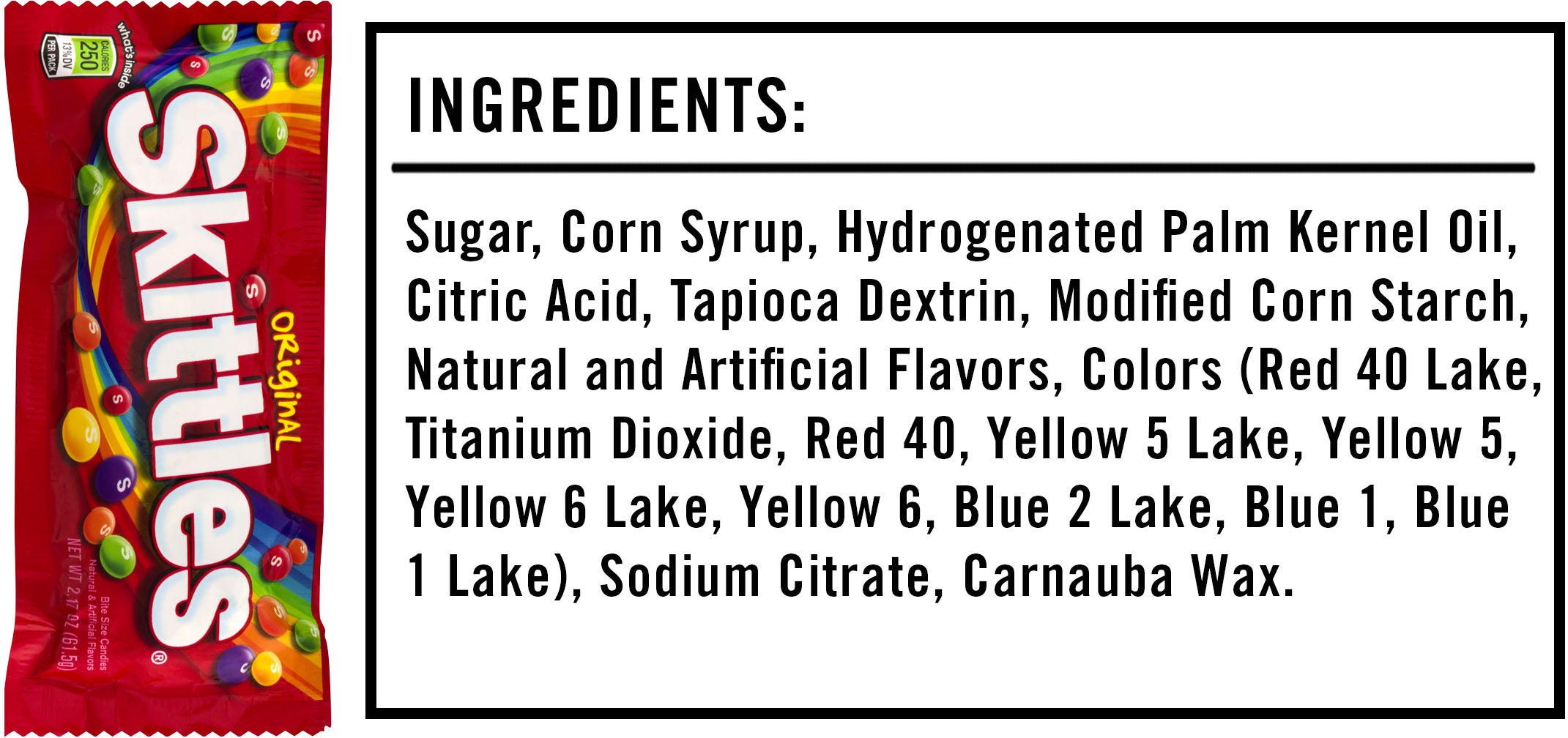
When we ask what a product is “made of,” our minds typically drift toward a list of physical ingredients printed on the back of a package. In the case of Skittles, a literalist might point to sugar, corn syrup, and hydrogenated palm kernel oil. However, from a strategic perspective, the “ingredients” that truly matter—the ones that have transformed a simple fruit chew into a multibillion-dollar cultural icon—are far more complex.
Skittles is not just a confection; it is a masterclass in brand strategy, emotional resonance, and disruptive marketing. To understand what Skittles is truly made of, we must look beyond the candy shell and analyze the corporate identity and marketing alchemy that allow Mars Wrigley to maintain a dominant share of the non-chocolate confectionery market.
The Core Identity: More Than Just a Colorful Candy
The foundational ingredient of the Skittles brand is its visual and sensory identity. In branding, consistency is the bedrock of trust, and Skittles has maintained a remarkably stable core identity while allowing for high-impact creative deviations.
The Power of Visual Distinctiveness
From a brand design perspective, Skittles utilizes a high-contrast color palette that signals variety and joy. The iconic “S” stamped on every lentil is not merely a manufacturing step; it is a seal of authenticity. In a crowded marketplace, this micro-branding ensures that the product is recognizable even when removed from its packaging. This visual distinctiveness is a key component of what branding experts call “Mental Availability.” By associating the product with a literal rainbow, the brand claims a universal natural phenomenon as its own visual shorthand.
Emotional Branding and the “Taste the Rainbow” Legacy
Launched in 1974 and introduced to the United States in 1979, the “Taste the Rainbow” tagline is one of the longest-running and most successful slogans in advertising history. What it is “made of” is a brilliant psychological pivot: it moves the consumer’s focus from the literal taste of artificial fruit to an experiential, imaginative promise. By inviting consumers to “taste” a meteorological event, Skittles positioned itself as a brand rooted in wonder and playfulness rather than just nutrition or satiety. This emotional bridge is what transforms a commodity into a lifestyle choice.
Disruptive Marketing: The Secret Sauce of Skittles’ Longevity
If the visual identity is the skeleton of the brand, its marketing strategy is the lifeblood. Skittles has long been a pioneer in “disruptive” advertising—content that breaks the traditional rules of engagement to capture attention in an over-saturated media landscape.
Embracing the Absurd: The Surrealism Strategy
In the mid-2000s, Skittles underwent a significant shift in its brand voice, moving toward “Skittles Surrealism.” This involved commercials featuring “The Skittles Touch” (a man who turns everything he touches into Skittles) or a man being licked by a walrus. While these ads seemed nonsensical, they were meticulously crafted “ingredients” designed to appeal to a younger, cynical demographic that had grown immune to traditional “hard sell” tactics.
This absurdity creates high “talkability.” By being weird, Skittles ensured it was memorable. In the brand world, being misunderstood is often better than being ignored. This strategy turned Skittles into a “viral” brand long before social media reached its current peak, proving that the brand is made of a willingness to take creative risks that more conservative corporate identities would shun.
Navigating Social Media with a Unique Brand Voice
Skittles’ digital presence is a lesson in personal branding at a corporate scale. Their social media accounts do not simply post product shots; they embody a persona. This persona is quirky, slightly unpredictable, and deeply interactive. By engaging in “shitposting” or responding to fans with surreal humor, Skittles humanizes its corporate identity. This ingredient—authenticity through eccentricity—builds a community of advocates rather than just a database of customers.
Strategic Positioning: How Mars Wrigley Engineered a Market Leader

Beyond the creative “fluff,” Skittles is made of rigorous corporate strategy and market positioning. Being part of the Mars Wrigley portfolio provides the brand with logistical advantages, but its market dominance is the result of deliberate choices regarding product lifecycle and audience segmentation.
Product Innovation and Seasonal Strategy
A vital ingredient in the Skittles brand recipe is constant iteration. While the “Original” red bag remains the flagship, the brand frequently introduces “Limited Time Offerings” (LTOs) such as Skittles Giants, Sour Skittles, or Brightside Skittles.
This is a classic brand strategy used to maintain “Physical Availability” and shelf space. By constantly refreshing the lineup, Skittles prevents brand fatigue. Furthermore, their seasonal strategies—such as the “cauldron” mixes for Halloween—ensure that the brand remains culturally relevant during peak confectionery spending periods. These innovations are not random; they are data-driven responses to consumer cravings for novelty within a familiar framework.
The Role of Inclusion and Purpose-Driven Campaigns
In recent years, Skittles has added a new ingredient to its brand composition: social purpose. One of the most notable examples is the “Give the Rainbow” campaign during Pride Month. By removing the colors from their packaging and candies—literally turning the product gray—Skittles signaled that “only one rainbow matters during Pride.”
From a brand strategy perspective, this was a masterstroke. It solved a common problem where brands are accused of “rainbow washing” (superficially using Pride colors for profit). By giving up their most valuable brand asset—their colors—Skittles demonstrated a level of commitment that resonated with Gen Z and Millennial consumers. This move showed that the brand is made of values that extend beyond the bottom line, which, paradoxically, strengthens the bottom line through increased brand loyalty.
The Global Recipe for Scalability and Brand Loyalty
For a brand to achieve the scale of Skittles, it must be made of ingredients that translate across borders while remaining sensitive to local nuances.
Consistency Across Borders
Whether you are in London, Tokyo, or New York, the core promise of Skittles remains the same. The “ingredients” of the brand—the font, the rainbow, the surrealist humor—are universal. This global consistency reduces marketing overhead and allows for a unified brand equity. When a consumer travels, the familiarity of the Skittles brand provides a “safe” and predictable emotional experience, which is a key driver in the FMCG (Fast-Moving Consumer Goods) sector.
Lessons for Modern Marketers
What can other brands learn from what Skittles is made of? The primary takeaway is the balance between a rigid core and a flexible exterior. Skittles knows exactly who it is (the core), which allows it to be incredibly brave with how it presents itself (the exterior).
- Own a Concept: Skittles owns the “Rainbow.” Find a universal concept and attach your brand to it.
- Be Boldly Different: In a world of polished, corporate messaging, Skittles chose to be weird. Differentiation is the soul of branding.
- Adapt Without Losing the Soul: Whether it’s removing colors for Pride or launching a spicy variety, the brand never loses its “Skittles-ness.”
Conclusion: The Final Recipe
In summary, what Skittles is made of transcends the physical world. It is a mixture of 25% visual heritage, 25% disruptive creativity, 25% strategic innovation, and 25% emotional connection.
Mars Wrigley has not just built a candy brand; they have built a cultural touchstone that understands the power of the “unreasonable.” By leaning into the absurd and owning a piece of the natural world (the rainbow), Skittles has ensured that it isn’t just a snack—it’s an experience. For any brand looking to replicate this success, the lesson is clear: your ingredients list must include more than just a good product; it must include a soul, a voice, and the courage to be the most colorful player in the room.
aViewFromTheCave is a participant in the Amazon Services LLC Associates Program, an affiliate advertising program designed to provide a means for sites to earn advertising fees by advertising and linking to Amazon.com. Amazon, the Amazon logo, AmazonSupply, and the AmazonSupply logo are trademarks of Amazon.com, Inc. or its affiliates. As an Amazon Associate we earn affiliate commissions from qualifying purchases.