
The concept of religious sisterhood, characterized by vows of celibacy, poverty, and obedience, and often dedicated to service and contemplation, is a profound and enduring element within several major global religions. While most commonly associated with Christianity, particularly Catholicism and Orthodox traditions, the essence of a consecrated religious life for women, mirroring many of the characteristics of nuns, can be found in other faith systems as well. Understanding the presence and evolution of these female religious figures offers a rich insight into the diverse expressions of devotion, community, and service across different spiritual landscapes. This exploration delves into the origins, manifestations, and evolving roles of women who dedicate their lives to religious pursuits, examining how different traditions interpret and embody this commitment.

The Christian Tradition: The Cornerstone of Nuns
The most widely recognized and historically prominent presence of nuns is undeniably within Christianity. This tradition has developed elaborate structures, theological underpinnings, and diverse forms of consecrated life for women that have significantly shaped global religious and social history.
Catholic Sisterhoods: A Multifaceted Expression
The Catholic Church boasts the largest and most diverse population of nuns globally. These women live in communities and commit to vows that shape their entire existence. The charisms (distinctive spiritual gifts and missions) of these orders are as varied as the needs of the Church and the world.
Contemplative Orders: Life of Prayer and Seclusion
Contemplative nuns, such as Benedictines, Carmelites, and Poor Clares, dedicate their lives primarily to prayer, meditation, and communal worship within cloistered environments. Their service is seen as offering spiritual support and intercession for the Church and humanity from a place of deep, often hidden, devotion. Their daily lives are structured around the Divine Office (the Liturgy of the Hours), communal prayer, manual labor, and spiritual reading. The emphasis is on an interior life, fostering a profound relationship with God, and drawing strength from silence and solitude.
Apostolic Orders: Active Service and Ministry
In contrast, apostolic nuns engage in active ministry in the world. These orders, numbering in the thousands, are involved in a vast array of apostolates, including education, healthcare, social work, missionary endeavors, and care for the poor and marginalized. Examples include the Sisters of Charity, the Daughters of Charity of Saint Vincent de Paul, and the Sisters of Mercy. Their vows are understood as a means to more effectively serve God by serving humanity, dedicating their time and resources to alleviating suffering and promoting justice.
Historical Evolution and Vatican II’s Impact
The history of nuns in Catholicism is a long and dynamic one, stretching back to the early centuries of Christianity. Early Christian women who embraced virginity and consecrated lives laid the groundwork for monasticism. The Council of Vatican II (1962-1965) brought about significant reforms, encouraging many religious congregations to re-evaluate their ministries, adapt to contemporary needs, and foster greater communal discernment. This led to a renewed emphasis on the spiritual and human development of sisters and a diversification of their apostolates, making their presence felt in new and innovative ways.
Eastern Orthodox Sisterhoods: Monasticism and Spiritual Guidance
The Eastern Orthodox Church also has a rich tradition of monasticism for women, mirroring many aspects of Catholic monasticism. Orthodox nuns live in monasteries, dedicating their lives to prayer, fasting, and obedience under the guidance of an abbess. Their spirituality often emphasizes the Jesus Prayer and the pursuit of hesychasm (a state of inner stillness and contemplation).
Monasteries and Sketes: Centers of Spirituality
Orthodox monasteries for women can be found throughout the Orthodox world, from Greece and Russia to the Middle East and beyond. These communities often serve as centers of spiritual life, providing guidance and support to the faithful. Some orders may engage in limited forms of work, such as icon painting, embroidery, or tending gardens, but their primary focus remains on the spiritual life and communal prayer. Sketes, smaller monastic communities, also exist, offering a more austere or specialized form of monastic life.
The Role of the Abbess
The abbess holds a position of spiritual and administrative authority within an Orthodox convent, much like an abbot in a male monastery. She is responsible for the spiritual well-being of her sisters and the governance of the community. The spiritual guidance and example of the abbess are crucial to the life and ethos of the monastery.
Beyond Christianity: Sisterhoods in Other Faith Traditions
While the term “nun” is most specifically associated with Christian traditions, the fundamental concept of women dedicating their lives to religious service, communal living, and spiritual pursuit, often involving vows of celibacy and poverty, finds resonance in other faiths. These parallels, though distinct in their theological frameworks and practices, highlight a universal human impulse toward sacred devotion and communal commitment for women.

Buddhism: Bhikkhunis and the Path to Enlightenment
Buddhism, particularly in its Theravada and Mahayana traditions, has a long history of female monasticism, though its development and recognition have been complex and at times challenging. Women who choose this path are often referred to as bhikkhunis (in Pali) or bhikshunis (in Sanskrit), meaning “female mendicant” or “nun.”
The Eight Garudhammas and the Bhikkhuni Sangha
The establishment of the bhikkhuni sangha (order of nuns) in Buddhism dates back to the time of the Buddha. However, the order faced significant challenges to its continuity and recognition in certain traditions, particularly in Theravada Buddhism, where its lineage reportedly died out in some regions centuries ago. The Buddha is said to have laid down eight “heavy rules” (Garudhammas) for nuns, which some scholars and practitioners interpret as contributing to the hierarchical difference between the bhikkhu (monk) and bhikkhuni sanghas. Despite these historical complexities, there has been a global resurgence and re-establishment of the bhikkhuni lineage in recent decades, with many women ordaining as fully ordained nuns.
Vows and Lifestyle
Bhikkhunis take vows similar in spirit to those of Buddhist monks, including celibacy, renunciation of material possessions, and adherence to monastic discipline. Their lives are dedicated to the pursuit of enlightenment, meditation, and study of the Dharma. They often live in monastic communities, serve lay followers by offering teachings and spiritual support, and participate in the monastic cycle of alms rounds. The aim is to live a life free from worldly attachments, cultivating wisdom, compassion, and mindfulness.
Jainism: Acharyas and the Path of Asceticism
Jainism, an ancient Indian religion, also has a strong tradition of female ascetics, known as sadhvis or acharyas (when they reach a certain level of spiritual authority). These women embrace a life of extreme renunciation and asceticism in their pursuit of liberation from the cycle of birth and death.
Vows and Ascetic Practices
Jain sadhvis take vows, often including celibacy, non-violence (ahimsa) in its strictest form, non-possession (aparigraha), and truthfulness. Their lives are characterized by rigorous ascetic practices, including fasting, meditation, and minimal possessions. They often move from place to place, engaging in wandering asceticism, and are supported by the lay community. Their ultimate goal is moksha (liberation), achieved through purifying the soul of karmic matter.
The Significance of Female Asceticism
The presence of female ascetics in Jainism underscores the belief that spiritual liberation is attainable for all, regardless of gender. These women embody the core Jain principles and serve as role models for the lay community, demonstrating the possibility of living a life of profound spiritual discipline and detachment.
The Evolving Landscape of Female Religious Life
The roles and perceptions of nuns and their equivalents have undergone significant transformations throughout history and continue to evolve in contemporary society. Factors such as social change, theological interpretations, and the evolving needs of communities have shaped and reshaped the landscape of female religious life.
Adapting to the Modern World: New Charisms and Ministries
In the modern era, many religious orders of nuns have adapted their ministries to address contemporary social issues. This has led to the emergence of new charisms and apostolates focused on areas such as environmental justice, human trafficking, interfaith dialogue, and the digital realm. Sisters are increasingly involved in advocacy, policy-making, and community organizing, bringing their unique perspectives and commitment to service to a wider range of public spheres.
Challenges and Opportunities: Vocations and Relevance
Religious congregations, like many institutions, face challenges related to declining vocations in some regions and the need to demonstrate continued relevance in a secularizing world. However, there are also significant opportunities for growth and impact. In many parts of the Global South, vocations to religious life remain strong, and these communities are often at the forefront of social development and spiritual leadership. The emphasis on community, service, and a life of purpose continues to hold profound appeal for many individuals.
Intersectional Identities and Global Sisterhood
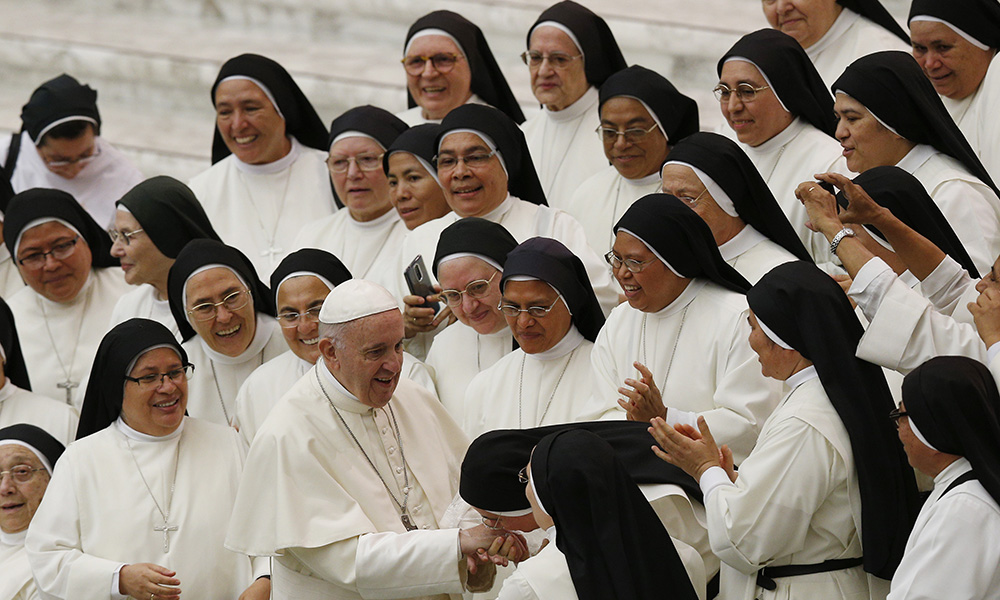
Understanding nuns and female religious figures requires acknowledging their intersectional identities, encompassing their religious calling, gender, cultural context, and personal journeys. Across different faiths and cultures, these women form diverse and vibrant communities, contributing immensely to the spiritual, social, and humanitarian fabric of the world. Their dedication, resilience, and unwavering commitment to their chosen paths offer a powerful testament to the enduring human capacity for faith and service.
aViewFromTheCave is a participant in the Amazon Services LLC Associates Program, an affiliate advertising program designed to provide a means for sites to earn advertising fees by advertising and linking to Amazon.com. Amazon, the Amazon logo, AmazonSupply, and the AmazonSupply logo are trademarks of Amazon.com, Inc. or its affiliates. As an Amazon Associate we earn affiliate commissions from qualifying purchases.