
The question of ancient Egyptian race has been a persistent, often contentious, topic for centuries. Far from being a purely academic or historical debate, this inquiry deeply intersects with the modern construction and consumption of the “brand” of ancient Egypt. How we perceive the racial identity of this civilization profoundly shapes its global image, influencing everything from tourism marketing and educational curricula to popular culture and even political narratives. This exploration delves into how the ancient Egyptian brand has been shaped and reshaped by racial discourse, examining the underlying motivations and consequences of these interpretations.
The Shifting Sands of Perception: How Racial Identity Becomes a Brand Element
The historical and ongoing debate surrounding the “race” of ancient Egyptians is not simply about factual classification; it’s about how this perceived identity has been strategically employed to bolster or diminish the civilization’s standing, thereby influencing its brand value. The very concept of “race” itself, as we understand it today, is a relatively modern construct that has been retroactively applied to ancient societies with often problematic results. When examining the “brand” of ancient Egypt, it becomes clear that racial attribution has been a powerful tool in shaping its global perception, impacting how it is marketed, studied, and ultimately, understood.
The “Black Egypt” Narrative: A Brand Reclamation or Reinterpretation?
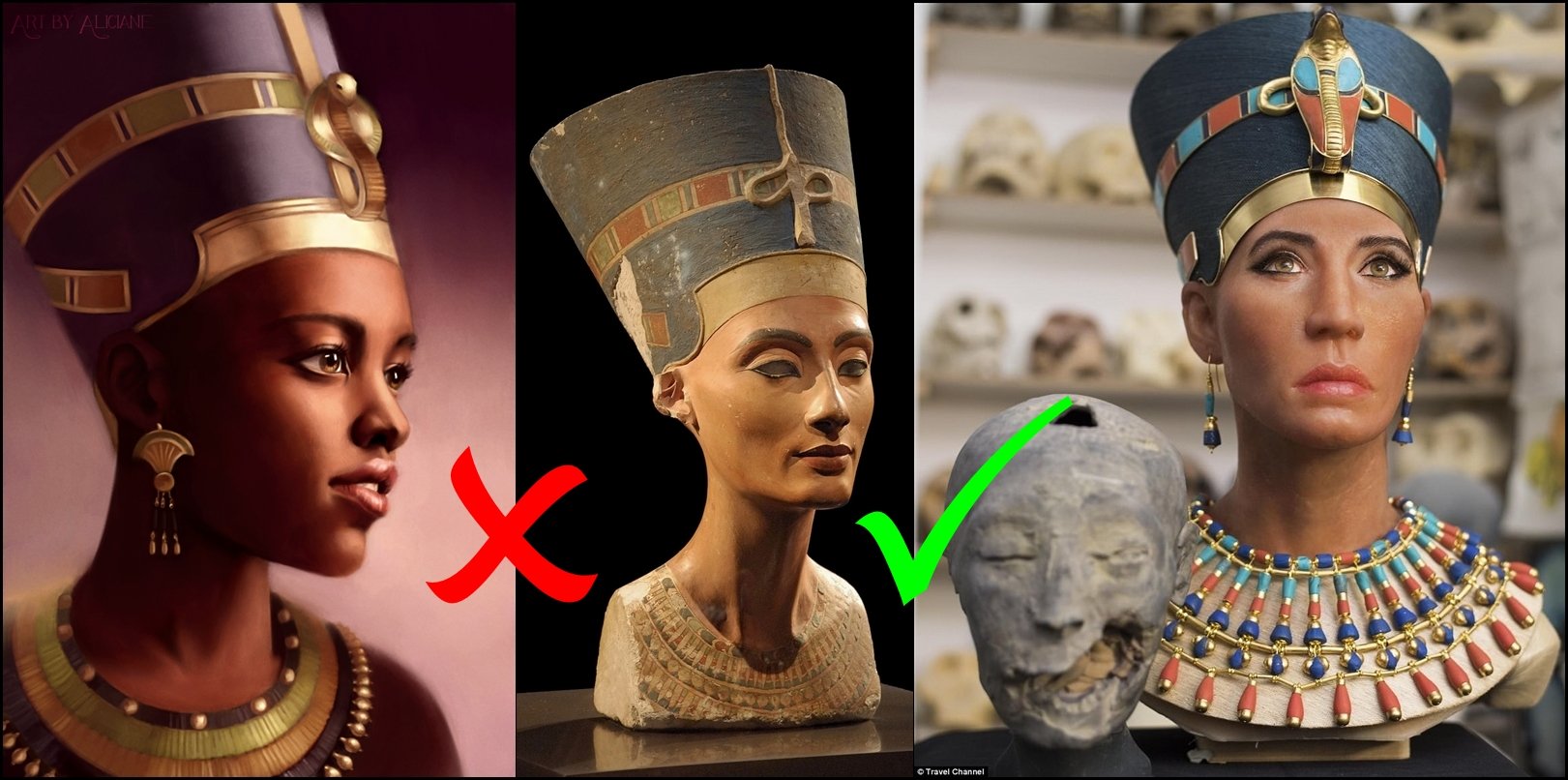
For much of the 20th century, particularly in the West, the dominant narrative and thus the prevailing brand of ancient Egypt was one that implicitly or explicitly aligned it with European or Mediterranean populations. This was often reinforced through artistic depictions that favored lighter skin tones and facial features that resonated with Western ideals. However, a counter-narrative emerged, most notably championed by scholars and activists within the African diaspora, seeking to reclaim and reassert a distinctly African identity for ancient Egyptians. This “Black Egypt” narrative, while rooted in genuine scholarly arguments and a desire for accurate representation, also functioned as a powerful branding strategy. It sought to reposition ancient Egypt as a foundational pillar of Black civilization, challenging centuries of Eurocentric bias and offering a source of pride and historical continuity.
The marketing of this perspective, through books, documentaries, and academic discourse, aimed to shift the global brand perception. It presented ancient Egypt not merely as a historical curiosity, but as a powerful, albeit often contested, symbol of African achievement and heritage. This branding effort has been instrumental in influencing educational materials and popular media, forcing a broader public to grapple with the complexities of ancient Egyptian identity beyond simplistic, often prejudiced, classifications. The success of this branding has led to increased awareness and a more nuanced understanding for many, though the debate continues to be a site of contention.
The “Mediterranean/Levantine” Interpretation: A Brand Anchored in Proximity and Geopolitics
Conversely, another significant interpretation of ancient Egyptian identity positions them closer to Mediterranean or Levantine populations. This perspective, often favored by scholars and popularizers who emphasize trade routes, cultural exchange, and geographic proximity, anchors the brand of ancient Egypt within a broader context of ancient Near Eastern and Southern European civilizations. The brand here is one of a sophisticated, crossroads civilization, deeply intertwined with its neighbors, and a progenitor of later European cultures.
This branding strategy often highlights shared artistic styles, architectural influences, and genetic studies that suggest connections to populations in the Levant and North Africa. The appeal of this interpretation lies in its ability to position ancient Egypt as a bridge between continents, a cradle of civilization that influenced both East and West. Marketing materials and academic publications adhering to this view often emphasize the cosmopolitan nature of ancient Egyptian society, its integration into wider regional networks, and its role in shaping the development of subsequent cultures. This branding can be particularly effective in appealing to a global audience interested in the interconnectedness of ancient worlds and the lineage of Western civilization. The emphasis is on a sophisticated, outward-looking empire whose influence is traceable across diverse cultural landscapes.
The Business of Ancient Egypt: Branding Through Tourism and Cultural Consumption
The way ancient Egypt’s “race” has been discussed has a direct impact on its commercial brand, particularly in the booming tourism industry and the broader cultural marketplace. The ancient Egyptian brand is one of the most globally recognized and commercially valuable historical brands. The allure of its pyramids, pharaohs, and hieroglyphs draws millions of visitors and fuels a multi-billion dollar industry. How the racial identity of its people is presented directly influences who is drawn to this brand and how they engage with it.
Marketing the Mystique: Race as a Selling Point in Global Tourism

The tourism industry, in its relentless pursuit of capturing global attention and revenue, often simplifies complex historical narratives into marketable brand elements. For ancient Egypt, the question of race has, at times, been subtly or overtly utilized as a selling point. When marketing campaigns emphasize the “exotic” or “mysterious” nature of ancient Egypt, they often tap into pre-existing, sometimes racialized, perceptions. A brand that leans into the “Black Egypt” narrative might appeal to a specific demographic seeking cultural immersion and connection to African heritage. Conversely, a brand that emphasizes the “Mediterranean” or “Near Eastern” connections might aim to attract those interested in ancient civilizations that foreshadowed classical Greece and Rome.
The visual representations used in promotional materials – the skin tones depicted in illustrations, the facial features highlighted in statues and reliefs – are carefully curated to evoke a particular image. This image, in turn, shapes the expectations and desires of potential tourists. The successful branding of ancient Egypt as a destination is thus intricately linked to its ability to project a cohesive, albeit often contested, racial identity that resonates with its target markets. The financial success of Egypt as a tourist destination is undeniably influenced by how its historical brand, including its racial dimensions, is managed and marketed.
The Commodification of Identity: Ancient Egypt in Popular Culture and Media
Beyond tourism, the brand of ancient Egypt is constantly being reproduced and consumed through popular culture – films, television shows, video games, and literature. In these realms, the question of race becomes less about nuanced historical debate and more about creating compelling narratives and recognizable archetypes. The racial portrayal of ancient Egyptians in these media profoundly influences public perception and can, in turn, shape the educational and historical understanding of millions.
When Hollywood films depict ancient Egyptian characters, their racialized casting choices send powerful messages about who is seen as belonging to this civilization. A casting director’s decision to feature actors of a particular ethnicity contributes to the evolving brand of ancient Egypt in the popular consciousness. Similarly, video games and historical fiction often rely on simplified racial tropes to create easily identifiable characters and settings. This commodification of ancient Egyptian identity, while often driven by artistic license and commercial imperatives, has a tangible impact on the global brand. It can either perpetuate harmful stereotypes or contribute to a more inclusive and accurate representation, demonstrating the significant branding power of even fictionalized historical depictions. The ongoing negotiation of these racial representations directly influences the long-term brand equity of ancient Egypt as a cultural phenomenon.
The Future of the Ancient Egyptian Brand: Towards Inclusivity and Authenticity
As global understanding of race and identity evolves, so too must the brand of ancient Egypt. The ongoing debates surrounding its racial composition are not merely historical curiosities but crucial components in shaping a more inclusive and authentic representation for future generations. The power of the ancient Egyptian brand lies in its rich history and enduring mystique, but its longevity and relevance will depend on its ability to embrace complexity and challenge simplistic, often biased, narratives.
Rebranding Through Scholarship and Education: Addressing Legacy Biases
The academic and educational institutions play a pivotal role in shaping the brand of ancient Egypt. For decades, a Eurocentric bias has influenced how this civilization has been taught, often marginalizing its African roots or presenting it as a precursor to Western achievements. Addressing these legacy biases is crucial for a brand recalibration. This involves actively promoting scholarship that embraces diverse perspectives, incorporating the findings of genetic studies alongside textual and archaeological evidence. Educational curricula need to move beyond simplified racial classifications and acknowledge the complex, multi-ethnic nature of ancient Egyptian society.
The branding of ancient Egypt in educational settings should emphasize its unique contributions to human civilization, its sophisticated governance, its advanced scientific knowledge, and its rich cultural and religious practices, independent of its racial categorization. By fostering a more nuanced and inclusive understanding, educational institutions can help build a brand that is both historically accurate and globally appealing, attracting a broader range of students and enthusiasts. This intellectual rebranding is fundamental to the long-term health and perception of the ancient Egyptian brand.
The Evolving Consumer: Demands for Authenticity and Representation
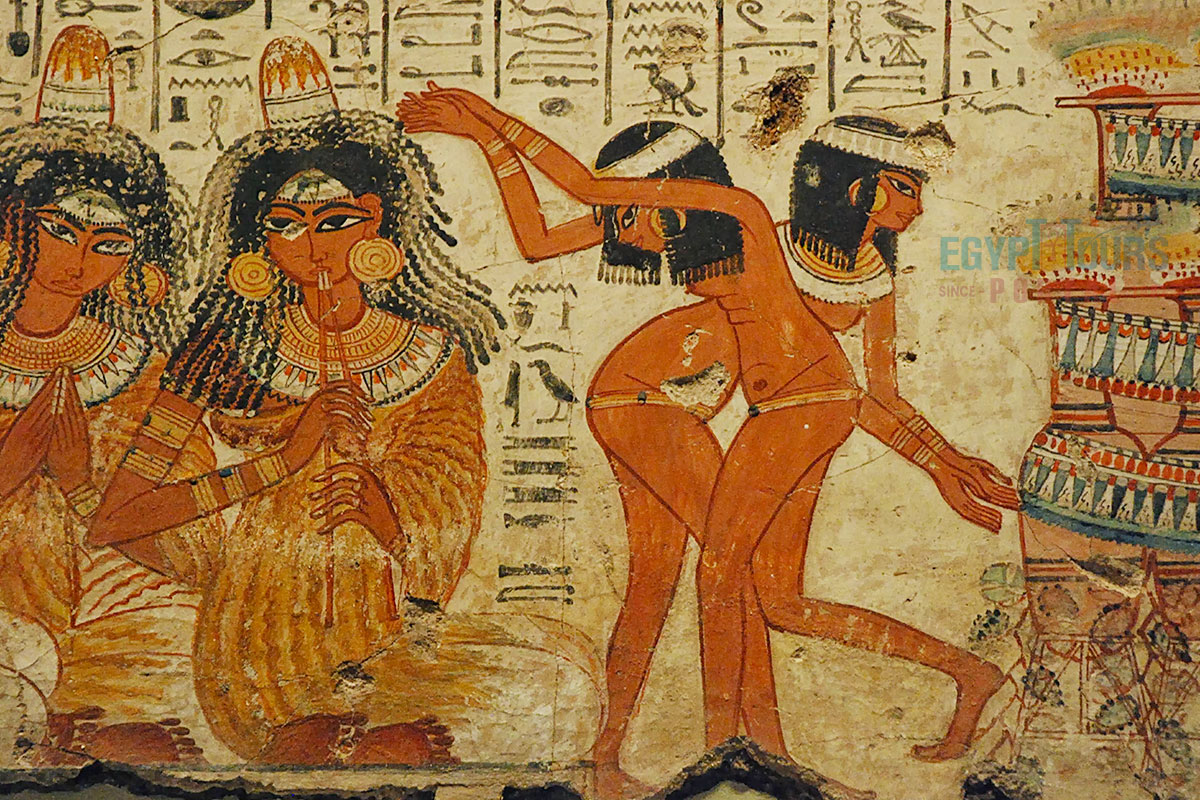
In an increasingly interconnected world, consumers of culture, history, and travel are becoming more sophisticated and demanding. There is a growing appetite for authenticity and representation, as well as a greater awareness of the ethical implications of historical narratives. This evolving consumer base is forcing brands, including the brand of ancient Egypt, to adapt. Audiences are questioning simplistic portrayals and seeking out narratives that acknowledge the diversity of human experience.
The success of the ancient Egyptian brand in the future will hinge on its ability to respond to these demands. This means moving away from static, idealized depictions and embracing a more dynamic and inclusive representation. It involves acknowledging the contributions of all peoples who inhabited and shaped ancient Egypt, from its earliest beginnings to its later periods. The branding efforts must be sensitive to historical context, ethical considerations, and the diverse interpretations that arise from a global audience. Ultimately, a future-proof brand for ancient Egypt will be one that prioritizes authenticity, inclusivity, and a genuine celebration of its multifaceted heritage, ensuring its enduring appeal for generations to come.
aViewFromTheCave is a participant in the Amazon Services LLC Associates Program, an affiliate advertising program designed to provide a means for sites to earn advertising fees by advertising and linking to Amazon.com. Amazon, the Amazon logo, AmazonSupply, and the AmazonSupply logo are trademarks of Amazon.com, Inc. or its affiliates. As an Amazon Associate we earn affiliate commissions from qualifying purchases.