
The death of a legend is rarely just a medical event; it is a seismic shift in a cultural marketplace. When we ask, “What killed Tom Petty?” we are often looking for the toxicology report. However, through the lens of brand strategy and personal branding, the answer is more complex. While the physical cause was an accidental overdose of pain medication, the systemic cause was the relentless demand of a multi-million-dollar global brand—The Heartbreakers—and the inherent conflict between a “Common Man” brand identity and the grueling realities of the modern entertainment machine.

In the world of brand strategy, Tom Petty represented the gold standard of “Authenticity-Driven Identity.” His career offers a masterclass in how to build, maintain, and ultimately succumb to a brand that refuses to compromise. This analysis explores the architecture of his personal brand, the pressures of maintaining a legacy, and the lessons modern entrepreneurs can learn from the “Touring Machine.”
The Architecture of an Iconic Brand: Integrity as a Core Value
To understand the brand of Tom Petty, one must look at the foundation laid in the late 1970s. Petty did not just sell music; he sold a specific set of values: integrity, defiance, and a refusal to exploit the consumer. In brand marketing terms, he focused on long-term Brand Equity over short-term revenue spikes.
Consistency Over Decades
One of the most difficult feats in personal branding is maintaining a consistent “Brand Voice” across forty years. From his self-titled debut in 1976 to Mojo and Hypnotic Eye, Petty never chased trends. He didn’t pivot to disco in the late 70s, nor did he adopt the over-processed synth-pop of the 80s. By maintaining a consistent sonic palette, he built a “Reliability Metric” that few artists can match. For his audience, the Tom Petty brand was a “safe bet,” ensuring high customer retention and multi-generational appeal.
The “Common Man” Archetype
In Jungian archetypes, Petty occupied the space of “The Everyman.” Unlike the detached glamor of David Bowie or the stadium-filling theatrics of U2, Petty’s brand was built on relatability. His brand strategy involved positioning himself as a defender of the fan. This was famously demonstrated in 1981 when he fought his record label, MCA, over their plan to raise the price of his album Hard Promises from $8.98 to $9.98. By threatening to withhold the album, he successfully protected his “Brand Promise” of being for the people. This act of brand defiance cemented a loyalty that would last for the rest of his life.
The “Touring Machine” and the Cost of Brand Maintenance
Every successful brand eventually faces the “Scaling Trap.” As a personal brand grows into a global enterprise, the founder becomes the primary asset. In the case of Tom Petty and the Heartbreakers, the brand was a massive corporate entity supporting a large ecosystem of musicians, road crews, managers, and agents. This is where the “killer” resides: the pressure to maintain the operational momentum of a legacy brand.
The Pressure of Global Demand
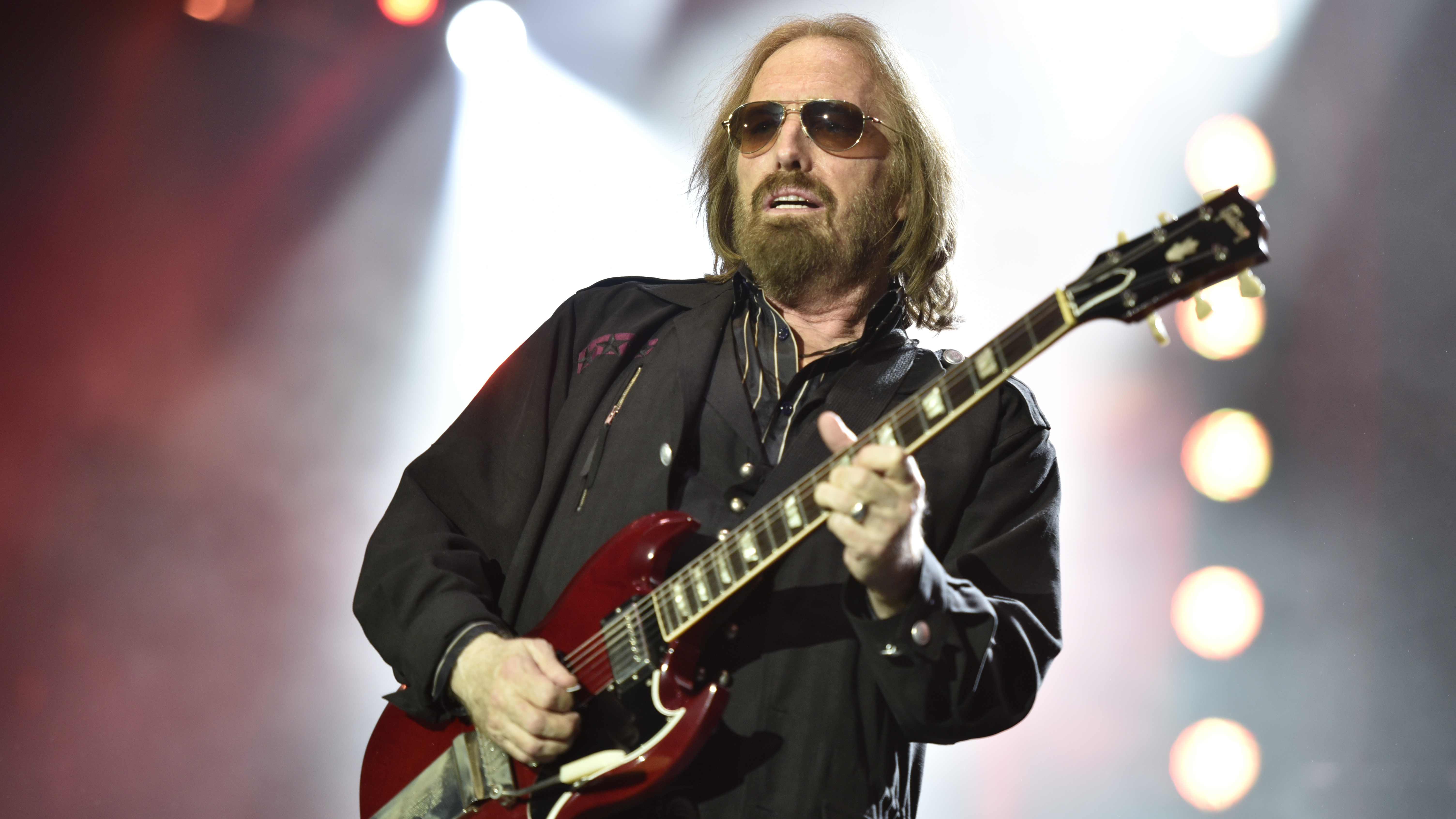
In 2017, Tom Petty and the Heartbreakers embarked on a 40th Anniversary Tour. From a brand perspective, this was a “Legacy Victory Lap.” It was designed to consolidate the brand’s history and capitalize on decades of goodwill. However, the demand for the brand was so high that the schedule was punishing. For a personal brand, the human creator is the product. When the product is suffering from physical degradation—in Petty’s case, a fractured hip—the conflict between “Human Sustainability” and “Brand Obligation” becomes acute.
Physical Sustainability vs. Commercial Obligations
Why didn’t the brand stop? In corporate strategy, this is known as “Sunk Cost Fallacy” combined with “Contractual Inertia.” A tour of that magnitude involves millions of dollars in advanced ticket sales, insurance premiums, and venue contracts. To cancel would not only hurt the “Brand Reliability” but would also cause a massive financial ripple effect across the organization. Petty, ever the “Captain of the Ship,” chose to medicate the pain rather than pause the brand. This decision highlights a critical flaw in high-stakes personal branding: the inability to decouple the founder’s health from the brand’s performance.
Posthumous Brand Management: Ensuring Longevity After the Founder
What happens to a brand when the founder dies? In the niche of Brand Strategy, this is the ultimate test of “Brand Durability.” If a brand is built correctly, it should be able to survive the transition from a living entity to a managed legacy.
Curating the Vault
Since Petty’s passing, his estate has managed the brand with surgical precision. They have avoided the common mistake of “Brand Dilution”—releasing every scrap of recorded material regardless of quality. Instead, releases like An American Treasure and the Wildflowers & All the Rest box sets have focused on “Value Addition.” By releasing high-quality, curated content that enhances the story of the artist, the estate maintains the brand’s premium status while introducing it to a younger demographic.
Protecting the Artistic Identity
The “Petty Brand” was always about artistic control. Posthumous brand management requires a strict adherence to the founder’s original “Brand Guidelines.” This means being selective about licensing for commercials and films. By saying “no” to opportunities that don’t align with Petty’s “Common Man” and “Artistic Integrity” values, the estate ensures that the brand equity remains intact for future decades, rather than being cashed out for a quick, brand-damaging profit.
Lessons for Modern Personal Brands
The story of Tom Petty serves as both a blueprint and a cautionary tale for modern influencers, CEOs, and creators. Whether you are building a software empire or a media persona, the principles of brand sustainability remain the same.
Knowing When to Pivot or Pause
The “what killed Tom Petty” narrative teaches us that the most valuable asset in any personal brand is the founder’s well-being. Modern brand strategy must include a “Sustainability Clause.” In an era of burnout, brands that emphasize “Human-Centric Operations” are proving to be more resilient. A brand that cannot survive a six-month hiatus is not a sustainable business; it is a high-speed treadmill. Founders must learn to build “Brand Systems” that can function—at least temporarily—without their constant physical presence.
The Importance of a Succession Plan
Tom Petty’s brand was inextricably tied to his physical voice. For many modern brands, the identity is tied to a specific face or personality. A robust brand strategy should involve “De-risking the Founder.” This can be done by building up secondary brand assets—such as a specific methodology, a community, or a distinct visual style—that can carry the brand’s values even if the founder is unavailable.
Authenticity as a Competitive Advantage
Finally, Petty’s career proves that “Authenticity” is the only brand attribute that cannot be easily disrupted by technology or competitors. In an age of AI-generated content and fleeting social media trends, a brand that stands for something—and is willing to fight for it—creates an emotional “Moat” around its business. The reason fans still engage with Tom Petty’s brand today is not just because they like the songs, but because they trusted the man behind the brand.
Conclusion: The Immortality of a Well-Built Brand
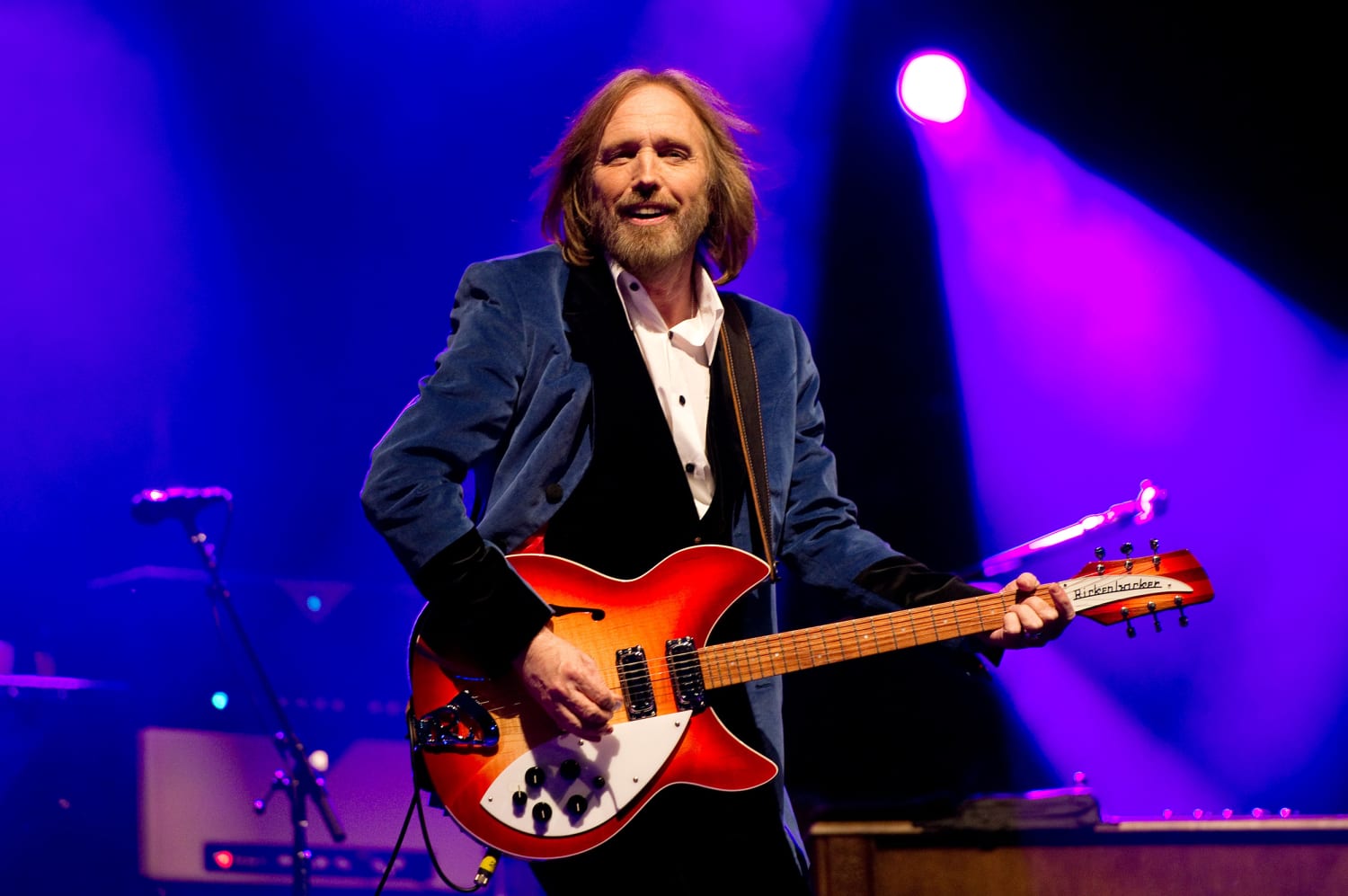
In the end, while the physical rigors of the industry took a toll on the man, they could not touch the brand. Tom Petty’s death was a tragic collision between a fragile human being and a relentless commercial machine. However, the brand he built—defined by integrity, quality, and a “never back down” attitude—remains one of the most powerful case studies in personal branding history.
By understanding the mechanics of how his brand was constructed and the pressures that ultimately led to its founder’s demise, modern leaders can learn to build legacies that are not only successful but sustainable. The goal is to create a brand that, like Petty’s, stands for something meaningful—but to do so in a way that preserves the human heart at its center. The “Petty Brand” lives on, a testament to the power of a clear identity and the enduring value of staying true to one’s core promise.
aViewFromTheCave is a participant in the Amazon Services LLC Associates Program, an affiliate advertising program designed to provide a means for sites to earn advertising fees by advertising and linking to Amazon.com. Amazon, the Amazon logo, AmazonSupply, and the AmazonSupply logo are trademarks of Amazon.com, Inc. or its affiliates. As an Amazon Associate we earn affiliate commissions from qualifying purchases.