
When people ask “what killed Elvis Presley,” the conversation usually steers toward medical reports, lifestyle choices, and the tragic decline of a man in his prime. However, from a brand strategy and corporate identity perspective, the “death” of Elvis Presley occurred long before August 1977. The decline of the King of Rock and Roll serves as one of the most significant case studies in how mismanagement, over-saturation, and a failure to pivot can erode the most valuable intellectual property in the world.
To understand the lifecycle of the Presley brand, we must look beyond the individual and analyze the “Elvis” entity as a global asset. What killed the brand’s vitality in the 1970s was not a lack of talent, but a systemic failure to evolve with a changing market.
The Strategy of Over-Saturation: How Short-Term Gains Eroded Long-Term Value
In the early 1950s, the Elvis brand was a disruptor. It represented rebellion, youth, and a synthesis of genres that challenged the status quo. However, under the management of Colonel Tom Parker, the brand strategy shifted from “disruption” to “exploitation.”
The “Colonel Parker” Model: Quantity Over Quality
Parker’s philosophy was rooted in the carnival circuit: maximize immediate revenue at every turn. By the 1960s, this meant signing Elvis to a series of formulaic movie contracts. While these films were financially lucrative in the short term, they were catastrophic for the brand’s “cool factor.” The “Elvis” product was no longer a cutting-edge musical innovator; it was a standardized, mass-produced commodity. In brand management terms, this is known as brand dilution—when a brand’s power is weakened by its association with inferior or repetitive products.
The Loss of Narrative Control
A strong brand requires a consistent and compelling narrative. In his early years, Elvis’s narrative was that of the “Memphis Flash.” By the mid-70s, the narrative had become fragmented. Because the brand was spread so thin—through cheap merchandise, lackluster film soundtracks, and grueling performance schedules—the core identity of the artist became blurred. The brand was no longer leading the culture; it was desperately trying to keep up with it, resulting in a loss of prestige that made the brand vulnerable to the shifts in the musical landscape of the 1970s.
The Posthumous Brand Crisis: Navigating the “Fat Elvis” Archetype
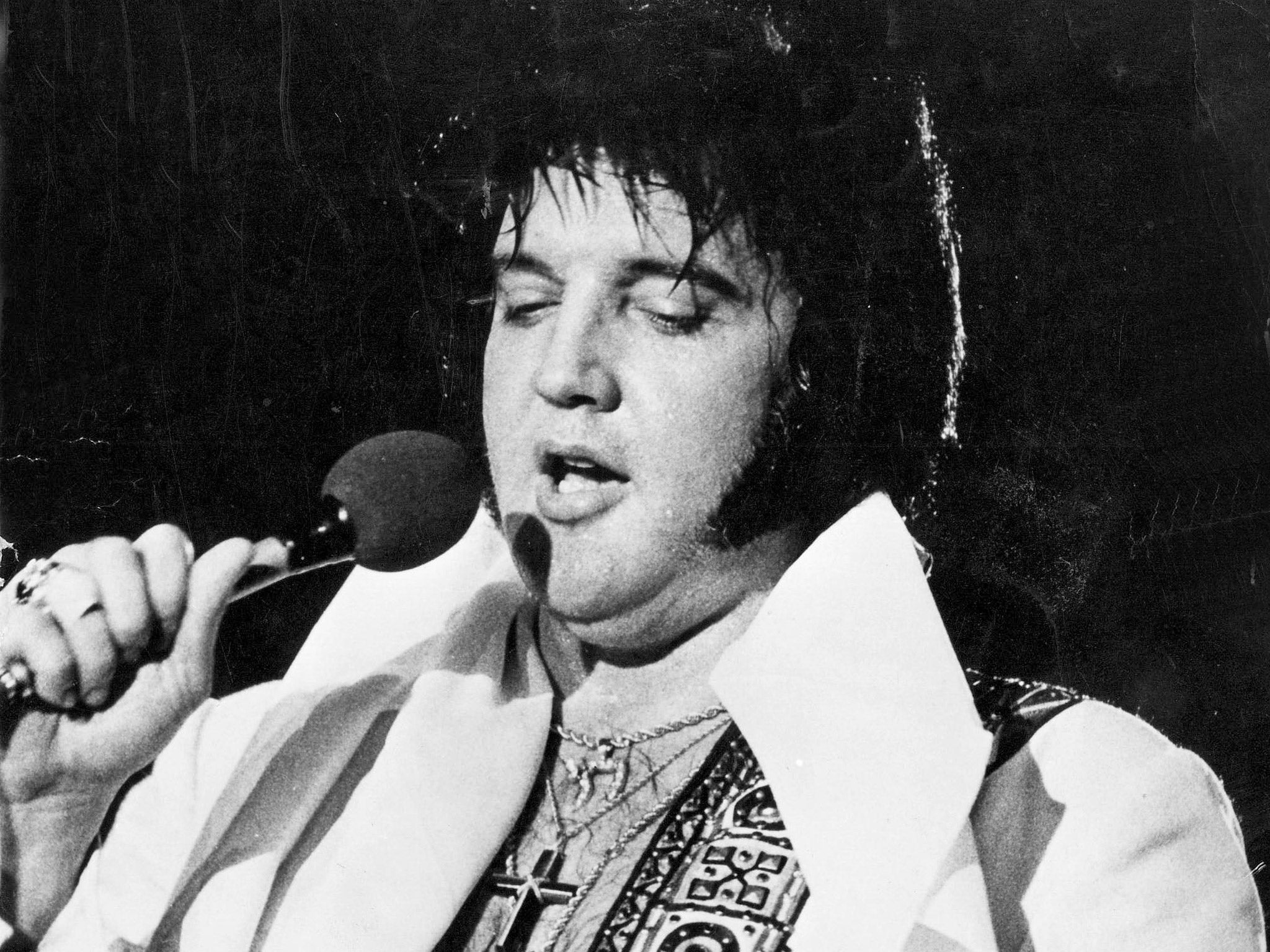
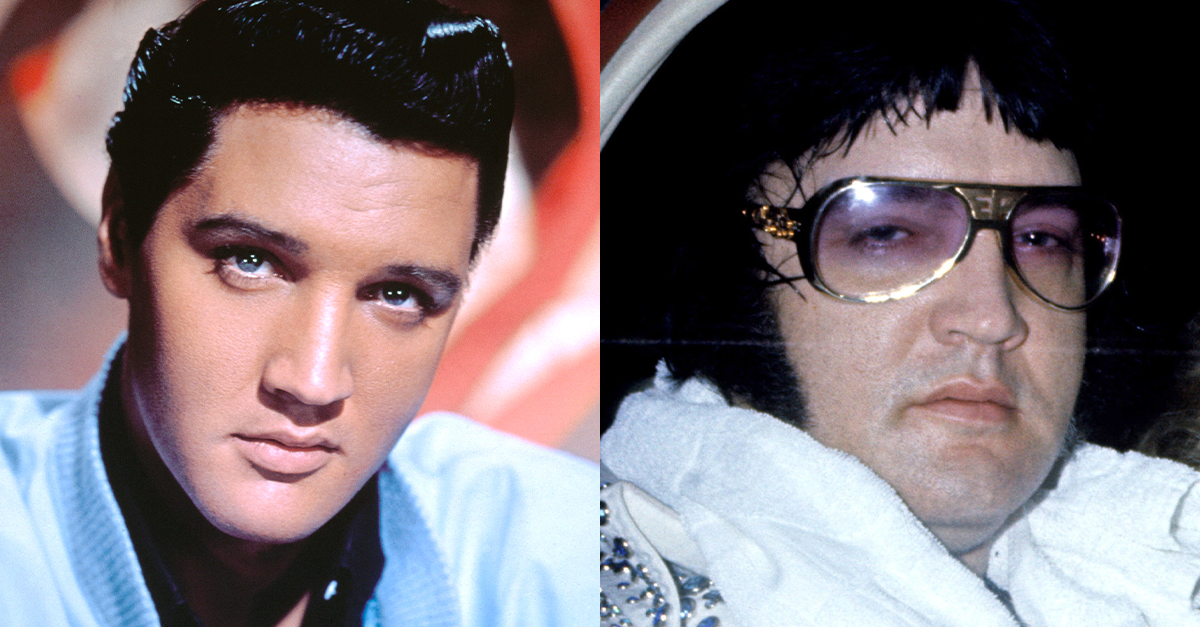
When Elvis passed away in 1977, his brand was at an all-time low. The image of the lean, leather-clad rocker from the ’68 Comeback Special had been replaced in the public consciousness by the “Las Vegas Era”—an image of jumpsuits, kitsch, and physical decline. This period represents a “Brand Identity Crisis” where the negative associations threatened to permanently overshadow the original value proposition.
The Tabloidization of a Legend
Following his death, the Elvis brand was subjected to what marketers call “narrative hijacking.” Without a centralized estate to protect his image, the media and unauthorized biographers focused heavily on the sensationalist aspects of his final years. For nearly a decade, the “Elvis” brand was synonymous with tabloid fodder. This period provides a stark warning for modern personal brands: if you do not actively manage your legacy and protect your intellectual property, the market will define your brand for you, often focusing on the most salacious elements.
The “Wild West” of Merchandising
In the years immediately following 1977, the Elvis brand suffered from a lack of legal protection. Unlicensed merchandise flooded the market—ranging from velvet paintings to tacky trinkets—which further cheapened the brand’s perceived value. This “Wild West” era of his IP (Intellectual Property) meant that the brand was becoming a caricature. To “kill” a brand is to make it a joke, and by 1980, the Elvis Presley brand was dangerously close to becoming a punchline rather than a prestigious cultural icon.
The Resurrection: How Strategic Asset Management Saved the King
The survival and eventual flourishing of the Elvis Presley brand is one of the greatest turnarounds in corporate history. It was not a matter of luck, but a deliberate application of brand preservation and centralization strategies led by Priscilla Presley and the formation of Elvis Presley Enterprises (EPE).
Centralizing the Asset: The Formation of EPE
The first step in saving the brand was legal. EPE fought landmark court cases to establish the “Right of Publicity,” ensuring that the estate had the sole right to profit from Elvis’s name, image, and likeness. In brand strategy, this is the equivalent of a “moat.” By securing the legal rights, they were able to clear the market of low-quality, unauthorized products and begin the process of “premiumization.” They moved the brand away from the flea market and back toward the luxury and heritage sectors.
Graceland as the Brand Anchor
Opening Graceland to the public in 1982 was a masterstroke of experiential marketing. It transformed a static memory into a physical “brand home.” Just as Apple has its flagship stores and Disney has its theme parks, Graceland gave fans a controlled, high-quality environment where the narrative could be curated. This allowed the estate to shift the focus away from the tabloid stories of his death and back to his life, his achievements, and his influence on American culture. It re-contextualized Elvis as a historical figure of immense importance.
Modern Lessons: Adapting a Legacy Brand for the Digital Age
Today, the Elvis Presley brand is more valuable than ever, frequently appearing at the top of Forbes’ list of highest-earning deceased celebrities. The “death” of the brand was averted through a series of modern strategic pivots that serve as a blueprint for contemporary creators and corporate entities.
Selective Partnerships and High-Fashion Integration
A key component of modern brand longevity is knowing who not to partner with. In recent years, the Presley estate has been highly selective, opting for collaborations with high-end fashion houses and prestigious filmmakers. The 2022 Elvis biopic directed by Baz Luhrmann is a prime example of “Re-Branding through Media.” The film successfully introduced the Elvis brand to Gen Z and Millennials, focusing on his role as a stylistic pioneer and a victim of industry exploitation. This shifted the brand’s perception from “kitsch” to “tragic hero,” making it relevant to a new generation of consumers who value authenticity.
Bridging the Generational Gap through Digital Innovation
To prevent a brand from “dying” with its original audience, it must embrace new technology. The Elvis brand has successfully navigated the transition to the digital era through social media engagement, streaming optimization, and even AI and hologram technology. By digitizing his catalog and image, the estate has ensured that the “King” remains a part of the cultural conversation. They have moved from a model of “nostalgia” (selling to those who remember him) to a model of “discovery” (selling to those who are finding him for the first time).
Conclusion: The Perpetual Life of a Well-Managed Brand
What killed Elvis Presley, the man, was a complex mix of health issues and industry pressure. But what almost killed the Elvis Presley Brand was a combination of over-exposure, poor quality control, and a lack of IP protection.
The revival of his brand proves that no legacy is too damaged to be restored if the correct strategy is applied. By focusing on narrative control, legal protection, experiential marketing, and generational adaptation, the Elvis brand has transcended the man himself. In the world of branding, the King is not just a person; he is a permanent, evolving corporate identity that continues to set the standard for how to manage a global icon in an ever-changing marketplace. The lesson for today’s brands is clear: sustainability is not found in the initial explosion of fame, but in the disciplined, strategic stewardship of the identity that follows.
aViewFromTheCave is a participant in the Amazon Services LLC Associates Program, an affiliate advertising program designed to provide a means for sites to earn advertising fees by advertising and linking to Amazon.com. Amazon, the Amazon logo, AmazonSupply, and the AmazonSupply logo are trademarks of Amazon.com, Inc. or its affiliates. As an Amazon Associate we earn affiliate commissions from qualifying purchases.