
In the modern economic landscape, the traditional narrative that a four-year university degree is the only gateway to financial success is rapidly evolving. As the cost of higher education continues to climb, savvy students and professionals are increasingly looking toward the associate degree as a high-value, low-risk alternative. From a personal finance perspective, an associate degree represents one of the most efficient returns on investment (ROI) available today. By minimizing initial debt and accelerating entry into the workforce, this two-year credential serves as a powerful engine for wealth building and career stability.
The ROI Advantage: Why an Associate Degree is a Smart Financial Move
When evaluating education through a financial lens, the primary metrics are the cost of acquisition versus the projected lifetime earnings. An associate degree often costs a fraction of a bachelor’s degree, yet it opens doors to specialized sectors where the starting salaries are surprisingly competitive.
Minimizing Student Debt Early
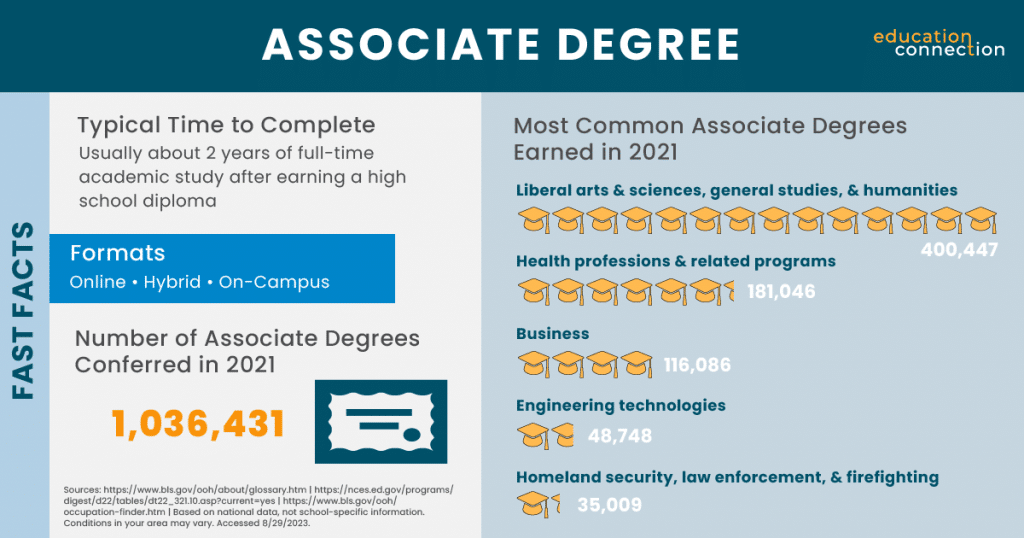
One of the greatest hurdles to long-term wealth is the burden of student loans. By choosing a community college or a specialized technical school for an associate degree, students can often graduate with little to no debt. This allows for an immediate transition into the “accumulation phase” of personal finance. Instead of spending the first decade of a career paying back high-interest loans, associate degree holders can begin investing in retirement accounts, high-yield savings, or even real estate while their peers are still sitting in lecture halls.
Faster Entry into the Workforce
Time is a critical component of compound interest and career growth. An associate degree typically takes two years to complete, meaning you enter the professional workforce two years earlier than those pursuing a bachelor’s degree. Those two extra years of earning—even at an entry-level salary—provide a significant financial head start. When you factor in the “opportunity cost” of two additional years of tuition and lost wages, the associate degree often emerges as the superior financial strategy for those looking to reach financial independence sooner.
High-Income Sectors for Associate Degree Holders
Not all associate degrees are created equal in terms of market value. To maximize your income potential, it is essential to target industries facing labor shortages or those requiring high-level technical expertise that can be mastered in a two-year timeframe.
Healthcare: Radiation Therapists and Dental Hygienists
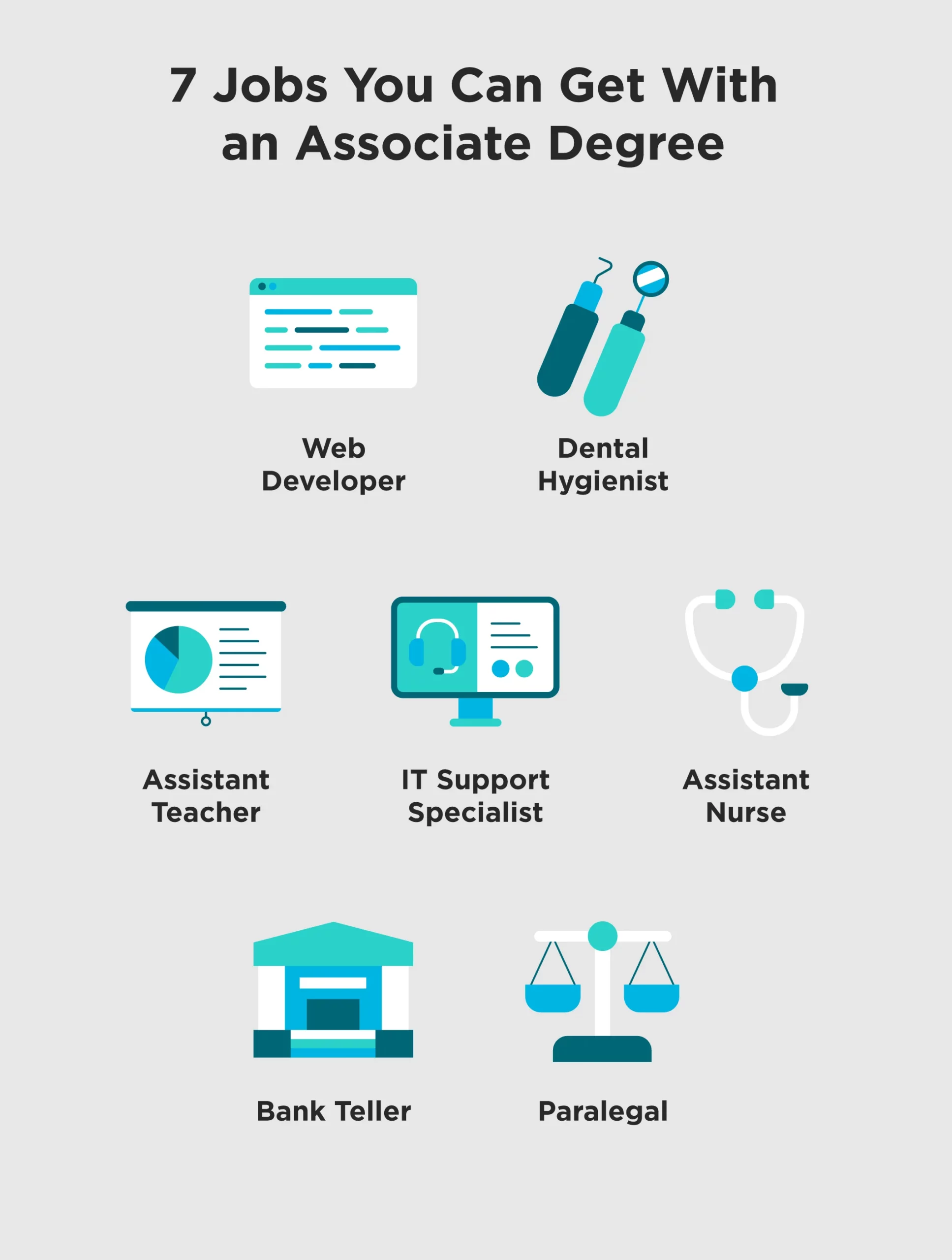
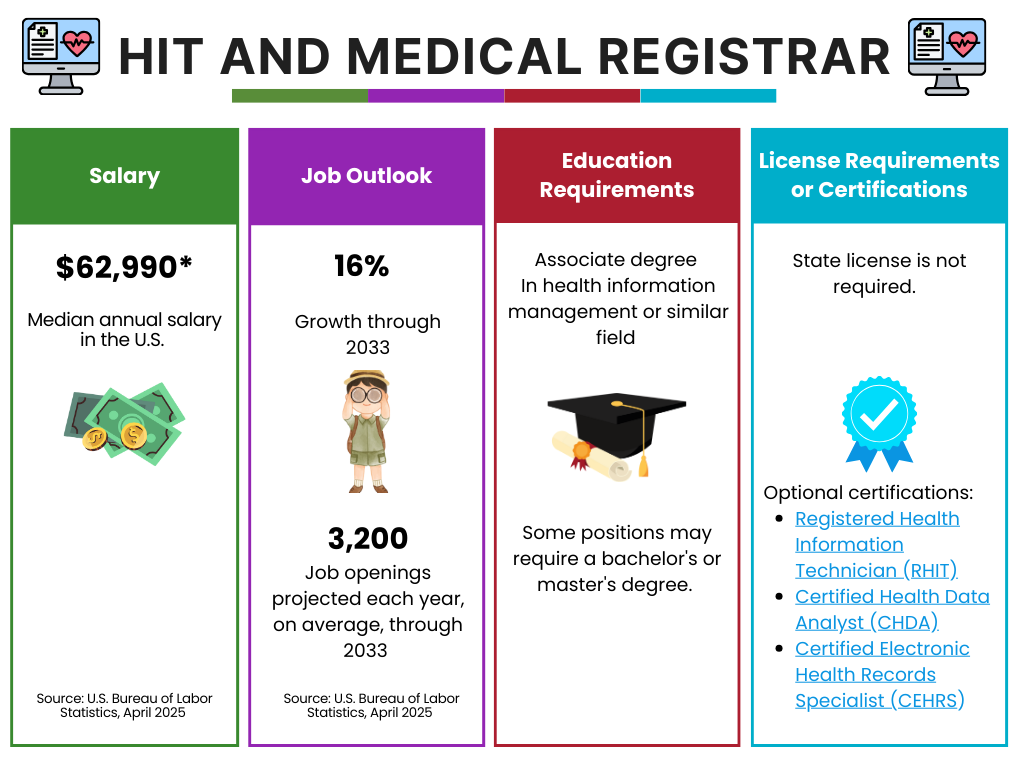
The healthcare sector remains one of the most lucrative areas for associate degree holders. Radiation therapists, who oversee radiation treatments for cancer patients, often earn median salaries that rival or exceed those of many bachelor’s degree holders. Similarly, dental hygienists enjoy high hourly rates and significant flexibility, making this an ideal path for those prioritizing work-life balance alongside high earnings. These roles are shielded from many economic downturns, providing a level of job security that is a cornerstone of a solid financial plan.
Technical Finance and Business Operations
For those interested in the “Money” niche itself, an Associate of Applied Science in Accounting or Business Administration can lead to roles such as bookkeeping, payroll management, or junior financial analysis. Many small to mid-sized firms value the practical, hands-on skills gained in an associate program over the theoretical knowledge of a four-year degree. These roles provide a direct view into the financial health of businesses, offering invaluable experience for those who eventually want to launch their own ventures or side hustles.
Specialized Skilled Trades and Infrastructure
We are currently seeing a “silver tsunami” in the skilled trades—a massive wave of retirements leaving high-paying gaps in the economy. An associate degree in specialized fields like avionics maintenance, electrical power-line installation, or HVAC technology can lead to high-five-figure and even six-figure incomes with overtime. These careers are essential to the infrastructure of the digital and physical world, ensuring consistent demand and the ability to command high premiums for specialized labor.
Leveraging Your Degree for Long-Term Wealth Building
Obtaining the job is only the first step. To truly capitalize on the financial benefits of an associate degree, one must look at the degree as a foundation for a broader financial strategy.
The Bridge to Higher Earnings: Continued Certification
In many technical and financial fields, certifications carry as much weight—if not more—than a degree. An associate degree holder who strategically adds industry-specific certifications (such as a CCNA for networking or a CPA-track certificate for accounting) can leapfrog over those with more general four-year degrees. This “stackable credential” approach allows you to increase your market value incrementally without taking on the massive upfront cost of an advanced degree.
Utilizing Employer-Sponsored Education
One of the smartest “money moves” an associate degree holder can make is finding an employer that offers tuition reimbursement. Many corporations are desperate for skilled technicians and junior managers and are willing to pay for your bachelor’s or master’s degree while you work. This allows you to advance your education on someone else’s balance sheet, effectively increasing your lifetime earning potential while maintaining a zero-debt profile.
Side Hustles and Supplemental Income for Students
The flexibility of many associate degree programs allows students to begin their journey into “Online Income” and “Side Hustles” even before they graduate. This dual-track approach—learning a trade while building a business—is a hallmark of modern financial intelligence.
Monetizing Skills While You Study
If you are pursuing an associate degree in a field like web development, graphic design, or accounting, you possess skills that are immediately “rentable” on the freelance market. Platforms like Upwork or Fiverr allow students to take on small projects that mirror their coursework. Not only does this provide immediate cash flow to cover living expenses, but it also builds a professional portfolio and a brand identity that will make you significantly more employable upon graduation.
Strategic Networking for Future Business Opportunities
An associate degree program is a concentrated environment of peers and instructors with deep ties to local industries. From a business finance perspective, these connections are assets. By treating your two years of study as a networking marathon, you can identify gaps in the local market. Many successful service-based businesses—from specialized IT consulting to boutique medical billing firms—were started by associate degree holders who recognized a niche while they were still in school.
The Financial Trajectory: From Associate to Financial Independence
Ultimately, the question of “what job can I get with an associate degree” should be reframed as “how can this degree facilitate my long-term financial goals?” The goal isn’t just to find a job; it’s to build a career that serves as a reliable wealth-generation engine.
The path of the associate degree is often the path of the pragmatist. It ignores the “prestige” of the university name in favor of the “utility” of the skill set. By entering the workforce early, avoiding the debt trap, and focusing on high-demand technical sectors, individuals can achieve a level of financial stability that is increasingly elusive for those following more traditional academic paths.
Whether you are looking to become a diagnostic medical sonographer, a computer network specialist, or an aerospace technician, the associate degree provides the leanest, most efficient route to a professional salary. When combined with disciplined personal finance habits—such as aggressive saving, smart investing, and the development of side income streams—an associate degree is not just a shorter version of college; it is a strategic financial tool designed for the modern era.
In conclusion, the value of an associate degree lies in its ability to provide a “fast-pass” to the middle and upper-middle class. By focusing on ROI, minimizing debt, and staying attuned to market demands, you can turn a two-year investment into a lifetime of financial security. The job you get with an associate degree is the foundation, but the financial freedom you build upon that foundation is the true prize.
aViewFromTheCave is a participant in the Amazon Services LLC Associates Program, an affiliate advertising program designed to provide a means for sites to earn advertising fees by advertising and linking to Amazon.com. Amazon, the Amazon logo, AmazonSupply, and the AmazonSupply logo are trademarks of Amazon.com, Inc. or its affiliates. As an Amazon Associate we earn affiliate commissions from qualifying purchases.