
In the modern landscape of entertainment, the “story of Annabelle” is no longer just a piece of New England folklore whispered in paranormal circles. It has evolved into a masterclass in brand strategy, intellectual property (IP) management, and the architectural development of a multi-billion dollar cinematic universe. To understand the story of Annabelle from a branding perspective is to understand how a simple physical object can be transformed into a global icon through strategic storytelling, visual identity pivots, and the expansion of a narrative ecosystem.
The transition of Annabelle from a Raggedy Ann doll in a locked case to a central pillar of “The Conjuring Universe” provides essential insights for brand managers and marketers. It demonstrates the power of “The Hook,” the importance of visual consistency, and the way a brand can leverage “borrowed equity” from real-world mythologies to create a sense of authenticity in a fictional space.
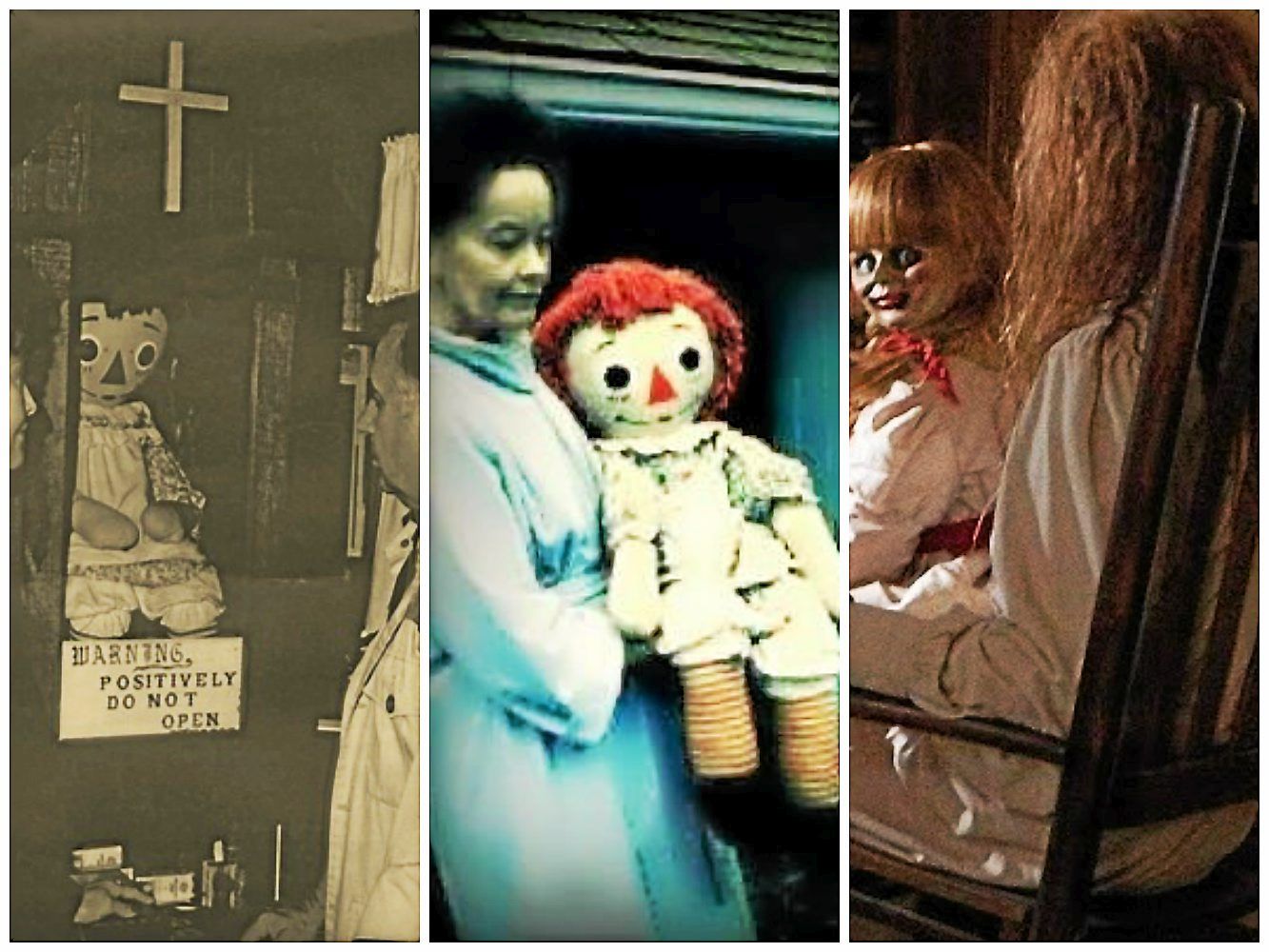
The Origin of an Icon: Crafting a Brand Persona from Folklore
Every successful brand begins with a compelling origin story. In the case of Annabelle, the brand narrative is bifurcated between the “historical” artifacts of Ed and Lorraine Warren and the cinematic reimagining by Warner Bros. and New Line Cinema. This dual-layered storytelling is what gives the brand its depth.
From Raggedy Ann to Cinematic Horror: The Visual Rebrand
The first—and perhaps most critical—strategic move in creating the Annabelle brand was the visual overhaul. The original doll associated with the Warrens’ case was a standard, mass-produced Raggedy Ann doll. While unsettling in context, a Raggedy Ann doll carries existing brand baggage; it is soft, floppy, and associated with childhood comfort.
From a brand identity standpoint, a horror icon cannot share its silhouette with a beloved children’s toy. The cinematic rebrand transformed Annabelle into a cracked, porcelain-faced Victorian doll with exaggerated features and a menacing gaze. This “Visual Identity” was designed to trigger the “uncanny valley” response. By creating a unique, proprietary look, the studio secured a visual trademark that is instantly recognizable on a poster, a piece of merchandise, or a digital thumbnail. This is the essence of brand recognition: creating a visual shorthand that communicates the brand’s promise—in this case, “unrelenting terror”—without a single word of dialogue.
The Narrative Foundation: Leveraging the Ed and Lorraine Warren Heritage
The Annabelle brand relies heavily on the “True Story” marketing trope. In brand strategy, this is known as leveraging “Heritage.” Just as a luxury watchmaker highlights its 19th-century origins to establish trust, the Annabelle franchise uses the real-world history of Ed and Lorraine Warren to establish a sense of “fear-based credibility.”
By positioning the doll as a real artifact housed in the Warrens’ Occult Museum in Connecticut, the brand creates a bridge between fiction and reality. This “transmedia storytelling” allows the audience to engage with the brand outside of the theater. The story of the doll isn’t just something you watch; it’s something you can research, visit, and discuss as a historical footnote. This creates a high level of brand engagement and “stickiness” that few other horror characters can claim.
Building the Conjuring Universe: Strategic Brand Extension
Annabelle did not start as the lead of her own franchise. She was introduced as a “supporting character” in the opening minutes of 2013’s The Conjuring. This was a strategic “Soft Launch.” Much like a tech company introduces a new feature within a successful existing app, the filmmakers used the popularity of the Warrens to test the market’s appetite for the doll.
The Spin-off Strategy: Annabelle as the Flagship Product
Following the overwhelming audience reaction to the doll in The Conjuring, the decision was made to pivot Annabelle into her own product line. This is a classic brand extension strategy. Instead of diluting the main Conjuring films with too many sub-plots, the studio created a dedicated “Annabelle” series that could explore the character’s “backstory.”
This modular approach to storytelling allowed the brand to scale. Between 2014 and 2019, three standalone Annabelle films were released: Annabelle, Annabelle: Creation, and Annabelle Comes Home. Each film functioned as a “product update,” refining the lore and expanding the customer base. By treating Annabelle as a distinct sub-brand, the studio was able to maintain a high frequency of releases without exhausting the main franchise’s narrative resources.
Consistency in Fear: Establishing a Core Brand Aesthetic
A brand is only as strong as its consistency. For the Annabelle franchise, this meant establishing a specific “Brand Aesthetic” that audiences could rely on. This includes a 1960s/70s period setting, a reliance on practical effects over CGI, and a slow-burn tension that culminates in “jump scares.”
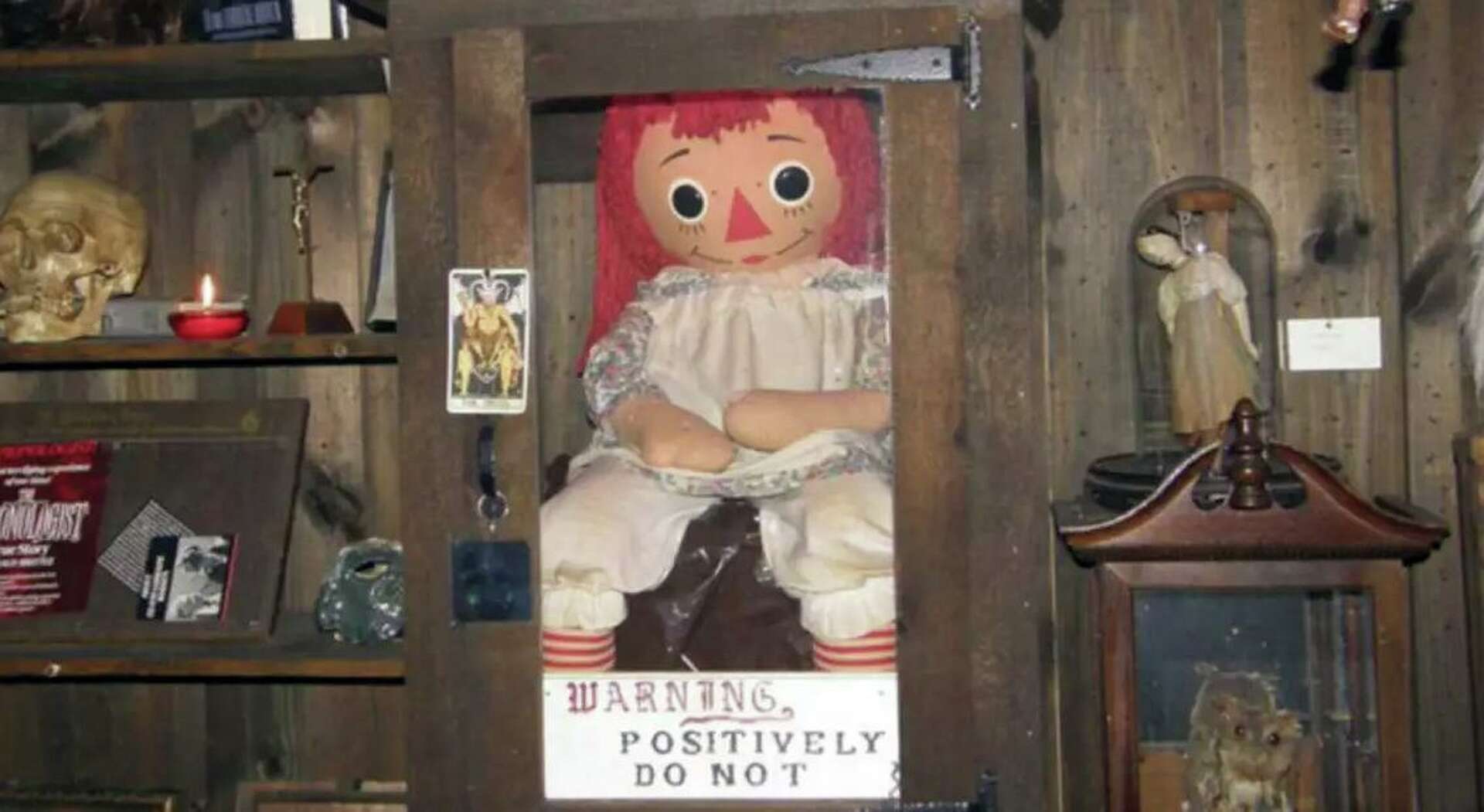
This consistency builds brand loyalty. Fans of the first Annabelle film know exactly what to expect from the sequels: a specific tone, a high level of production value, and the recurring presence of the doll as a silent, unmoving observer. In marketing terms, the doll serves as the “brand logo”—it is the static element around which the chaotic action of the films revolves.
Emotional Branding: The Psychology of Horror and Consumer Engagement
Modern branding is less about the product and more about how the product makes the consumer feel. The Annabelle brand excels at “Emotional Branding” by tapping into universal human anxieties regarding childhood, domestic safety, and the supernatural.
Tapping into Primal Fears: Why the Annabelle Brand Sticks
The power of the Annabelle brand lies in its subversion of innocence. A doll is supposed to be a vessel for a child’s imagination and a symbol of protection. By turning this object into a conduit for malevolence, the brand creates a “cognitive dissonance” that is deeply memorable.
In a crowded marketplace of slashers and monsters, Annabelle stands out because her brand “Unique Selling Proposition” (USP) is her stillness. Unlike Freddy Krueger or Jason Voorhees, Annabelle doesn’t chase her victims; the horror comes from her simply being there. This psychological approach to branding differentiates her from competitors and carves out a specific niche in the horror market.
Creating Longevity Through Mystery and “True Story” Marketing
A common mistake in brand management is over-explaining the product. The Annabelle brand has carefully maintained an air of mystery. While the films provide “Origin Stories,” they always leave enough ambiguity to keep the conversation going.
The marketing campaigns for the films often blur the lines between the cinematic doll and the “real” doll. PR stunts involving “sightings” of the doll in public places or mock-documentaries about the Warrens’ museum serve as experiential marketing. This keeps the brand relevant during the gaps between film releases. It transforms a movie character into a cultural meme, ensuring that the brand lives on social media, YouTube “explainer” videos, and urban legends.
Global Distribution and Franchise Monetization
The story of Annabelle is also a story of incredible financial efficiency. From a business perspective, horror is one of the most lucrative genres because it offers a high Return on Investment (ROI). The Annabelle films are produced with relatively modest budgets compared to superhero blockbusters, yet they yield massive global box office returns.
High ROI: The Business Efficiency of the Horror Niche
The Annabelle franchise demonstrates the power of a “Lean Brand.” Because the brand relies on atmosphere and tension rather than expensive digital effects or A-list star salaries, the overhead is low. However, the “Brand Equity” built through the Conjuring association ensures a massive opening weekend.
For example, the 2014 film Annabelle was produced for approximately $6.5 million and grossed over $257 million worldwide. This level of profitability allows for reinvestment into the brand and the ability to take creative risks in other areas of the universe. It is a textbook example of how a well-positioned brand can dominate a market segment through efficiency and targeted messaging.
Merchandising and Digital Presence: Extending the Brand Beyond the Screen
Finally, the Annabelle brand has successfully transitioned into the world of physical goods and digital content. High-end replicas of the doll, Halloween costumes, and appearances in video games have turned the character into a lifestyle brand for horror enthusiasts.
This diversification is essential for brand longevity. By moving beyond the theater, Annabelle remains a part of the consumer’s life year-round. Whether it’s through a viral TikTok filter or a “Haunted House” attraction at a theme park, the brand continues to generate touchpoints that reinforce its position as the premier icon of modern supernatural horror.

Conclusion: The Legacy of a Brand Built on Terror
The story of Annabelle is a testament to the power of strategic brand building. It shows how a combination of a strong visual identity, a deep sense of heritage, and a modular franchise strategy can turn a simple concept into a global phenomenon.
In the competitive world of entertainment, Annabelle has achieved what every brand strives for: she has become synonymous with her category. Just as “Xerox” became synonymous with photocopying, “Annabelle” has become the shorthand for the “creepy doll” trope in 21st-century cinema. By meticulously managing her IP and expanding her universe with surgical precision, the architects of the Annabelle brand have ensured that while the movies may end, the story—and the brand—will continue to haunt the public consciousness for decades to come.
aViewFromTheCave is a participant in the Amazon Services LLC Associates Program, an affiliate advertising program designed to provide a means for sites to earn advertising fees by advertising and linking to Amazon.com. Amazon, the Amazon logo, AmazonSupply, and the AmazonSupply logo are trademarks of Amazon.com, Inc. or its affiliates. As an Amazon Associate we earn affiliate commissions from qualifying purchases.