
In the rapidly evolving landscape of health technology and niche electronics, few devices carry as much historical weight and technical intrigue as the Rife machine. Often categorized as a bio-resonance device or a frequency generator, the Rife machine represents a unique intersection of early 20th-century physics and modern digital signal processing. To understand what a Rife machine is in the context of today’s “Tech” niche—spanning gadgets, software, and hardware engineering—one must look past the anecdotal claims and examine the actual mechanics of frequency emission, waveform generation, and the digital evolution of bio-electronic instrumentation.
At its core, a Rife machine is a device designed to produce specific electromagnetic frequencies. While its origins are rooted in the 1930s, the modern iteration of this technology has transformed into a sophisticated hardware-software ecosystem that attracts hobbyists, engineers, and researchers interested in the application of electromagnetic fields.
The Genesis of Bio-Electric Technology: Royal Rife’s Engineering Legacy
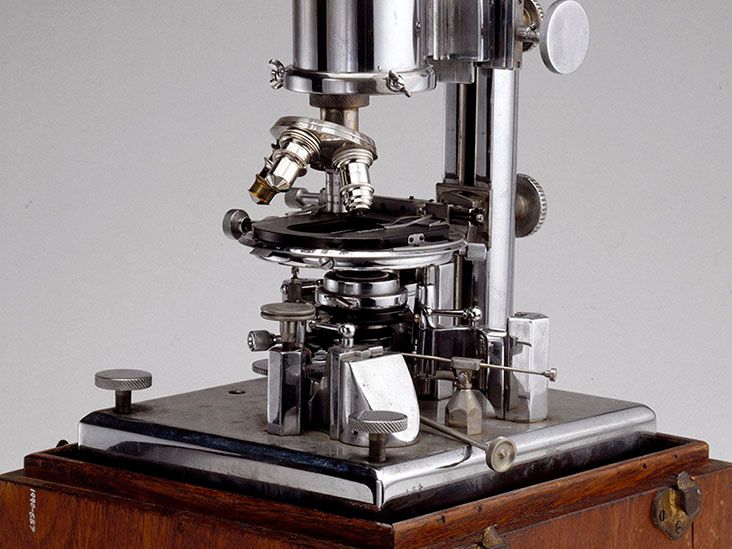
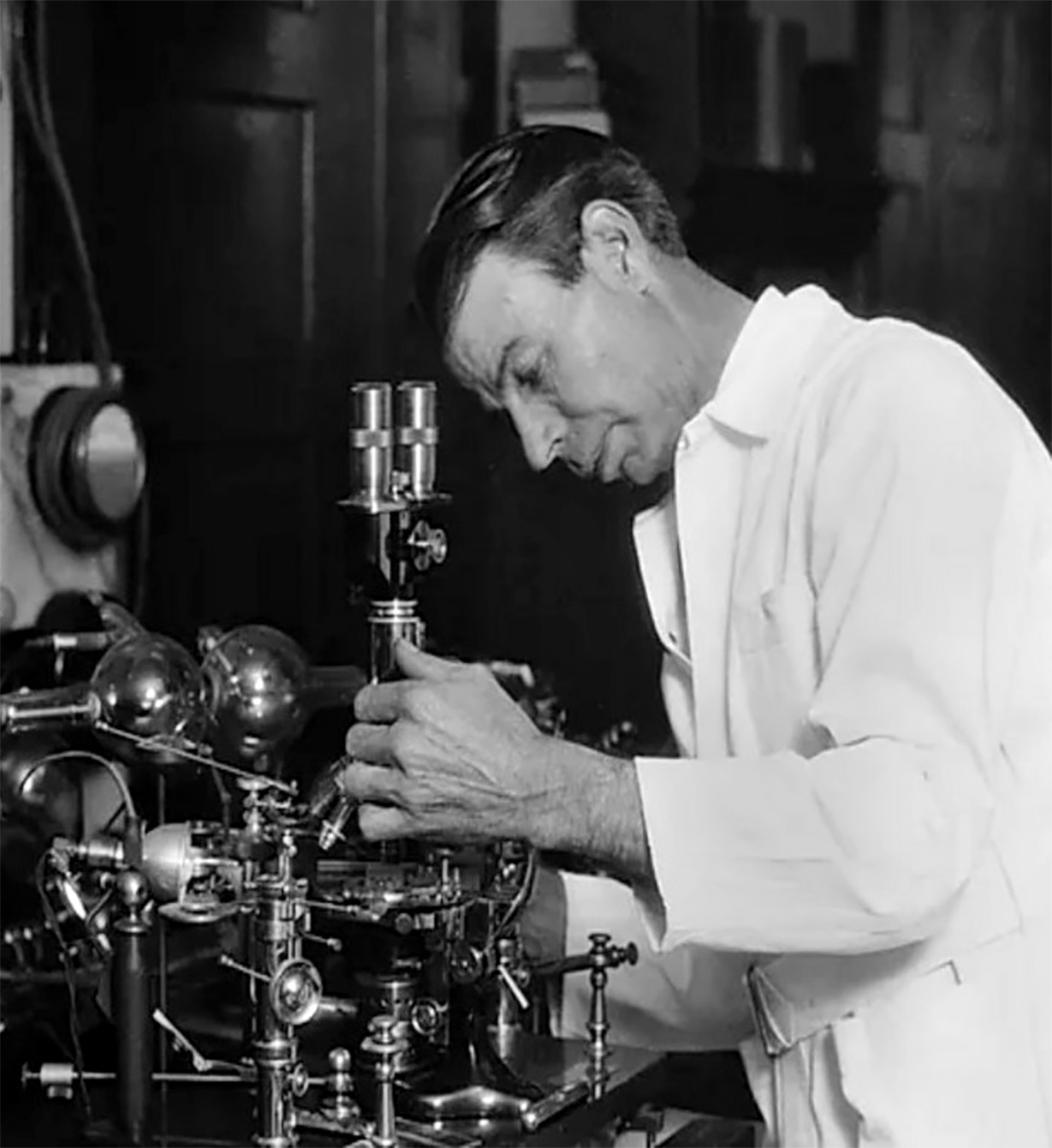
The history of the Rife machine is essentially the history of Royal Raymond Rife, an American inventor and high-magnification microscopist. From a technological standpoint, Rife was a pioneer in optics and radio frequency (RF) engineering. His work was predicated on the theory that every biological entity has a unique electromagnetic signature or “resonant frequency.”
The Concept of Resonant Frequency
In mechanical engineering, resonance is the phenomenon where a system oscillates at a larger amplitude at specific frequencies. A common analogy used in tech circles is the glass shattered by a high-pitched voice. Rife hypothesized that by identifying the “Mortal Oscillatory Rate” (MOR) of specific pathogens and targeting them with a matching radio frequency, the structural integrity of those organisms could be compromised without affecting the surrounding healthy tissue. From a technical perspective, this involves precise frequency calibration and the application of high-intensity electromagnetic fields.
The Invention of the Universal Microscope
Before Rife could apply frequencies, he had to see what he was targeting. He engineered the “Universal Microscope,” a complex device consisting of thousands of parts that used light-frequency shifting to view live specimens at magnifications exceeding 60,000x. This was a significant leap in optical technology for the era. The machine’s ability to manipulate light waves was a precursor to modern spectral analysis, making Rife’s hardware some of the most advanced “gadgets” of the pre-digital age.
Hardware Breakdown: How Modern Rife Gadgets Function
Transitioning from the bulky vacuum tubes of the 1930s to today’s compact digital units, the hardware of a Rife machine has undergone a total redesign. Today’s devices are essentially sophisticated signal generators that utilize microprocessors to deliver precise electrical impulses.
Signal Generation and Waveform Selection
The primary function of a modern Rife machine is to generate a stable output of electromagnetic waves. This is achieved through an internal oscillator circuit. Unlike basic frequency generators that might only output a simple sine wave, high-end Rife gadgets allow users to select between various waveforms, including:
- Sine Waves: Smooth, periodic oscillations used for gentle applications.
- Square Waves: Characterized by rapid “on-off” switching. In technical terms, square waves are rich in harmonics, meaning they carry multiple layers of frequencies above the base rate. This is often preferred in frequency technology because it provides a “shatter” effect similar to the resonance theory.
- Sawtooth Waves: Used in specific calibration settings for linear frequency sweeps.
Plasma Tubes vs. Contact Electrodes
Modern hardware generally falls into two delivery categories. The first is “Plasma” delivery, which utilizes a noble gas-filled tube (like neon or argon) that glows when energized by high-voltage radio frequencies. This creates a radiant electromagnetic field that can permeate the surrounding area without direct physical contact.
The second, more common consumer tech version is the “Contact” machine. These devices use TENS-like (Transcutaneous Electrical Nerve Stimulation) pads or hand-held silver cylinders to deliver low-voltage electrical currents directly through the skin. From a hardware perspective, contact machines are much simpler to manufacture and are often controlled via USB-connected software.
The Digital Shift: Software-Driven Frequency Therapy and Mobile Apps
The most significant advancement in Rife technology over the last decade hasn’t been in the hardware, but in the software. We have moved from manual dials and crystal-tuned oscillators to cloud-based frequency databases and automated sequence programming.
Frequency Databases and Microprocessor Control
Modern Rife machines, such as the Spooky2 or the BCX Ultra, are often tethered to a PC or operated via an onboard micro-controller (like an Arduino or ARM-based chip). The software contains vast databases of frequencies—often thousands of entries—allowing the user to “program” a sequence. This is a massive leap in user experience (UX); instead of manually searching for a frequency, a user can search a digital library, hit “play,” and the software handles the modulation and timing.
User Interface and Experience in Modern Devices
The transition to digital has allowed for the integration of graphical user interfaces (GUIs). Users can now visualize the waveforms in real-time on their screens, monitor the voltage output, and even use “biofeedback” loops. In a biofeedback setup, the hardware monitors the user’s physiological response to various frequencies and automatically logs “hits” or resonant spikes. This represents a fusion of sensor tech, data logging, and signal generation that brings Rife technology into the 21st-century “smart gadget” category.
Evaluating the Tech: A Review of Efficacy and Safety Standards
For anyone looking at Rife machines through a “Reviews and Tutorials” lens, it is crucial to address the technical standards and the regulatory landscape. Because these devices operate using radio frequencies, they fall under the purview of telecommunications and electronic safety standards.
Electromagnetic Interference (EMI) and FCC Compliance
Any device that generates radio frequencies must be managed carefully to avoid interference with other electronics. High-powered plasma devices can sometimes “reset” nearby routers or interfere with cellular signals if not properly shielded. Modern manufacturers must ensure their gadgets comply with FCC (Federal Communications Commission) Part 15 regulations regarding electromagnetic interference. When reviewing these gadgets, the quality of the internal shielding and the stability of the power supply are primary indicators of professional engineering.
The Role of Signal Accuracy in Modern Benchtesting
A frequent point of technical review for these machines is “frequency drift.” Low-quality oscillators may deviate from the target frequency as the device heats up. Professional-grade units use TCXOs (Temperature Compensated Crystal Oscillators) to ensure that if a user programs 440.00 Hz, the machine delivers exactly that. For the tech-savvy user, benchtesting a Rife machine with an oscilloscope is the gold standard for verifying that the software-reported frequency matches the actual hardware output.
The Future of Vibrational Technology in the AI Era
As we look toward the future of technology trends, the Rife machine and its variants are likely to see integration with Artificial Intelligence (AI) and Machine Learning (ML).
Integrating Machine Learning with Frequency Optimization
The next frontier for this tech is the use of AI to analyze biofeedback data. Instead of a static list of frequencies, an AI-driven system could analyze a user’s biological data in real-time and use predictive modeling to adjust the frequency output for maximum resonance. This would move the Rife machine from a “passive” frequency generator to an “active” intelligent system.

Final Thoughts on the Legacy of Rife Technology
What is a Rife machine today? It is no longer just a controversial 1930s medical device; it is a sophisticated piece of electronic hardware that sits at the intersection of frequency physics, software development, and digital health trends. Whether viewed as an experimental tool for frequency research or a high-tech hobbyist gadget, the Rife machine continues to evolve.
For the tech enthusiast, the value lies in the engineering: the precision of the oscillators, the complexity of the software databases, and the fascinating history of radio frequency application. As digital security and hardware miniaturization continue to advance, the “Rife” legacy serves as a reminder of how early electronic theories continue to influence modern gadgetry and our understanding of the electromagnetic spectrum. Through rigorous technical analysis and continued innovation, the Rife machine remains a compelling subject in the world of specialized technology.
aViewFromTheCave is a participant in the Amazon Services LLC Associates Program, an affiliate advertising program designed to provide a means for sites to earn advertising fees by advertising and linking to Amazon.com. Amazon, the Amazon logo, AmazonSupply, and the AmazonSupply logo are trademarks of Amazon.com, Inc. or its affiliates. As an Amazon Associate we earn affiliate commissions from qualifying purchases.