
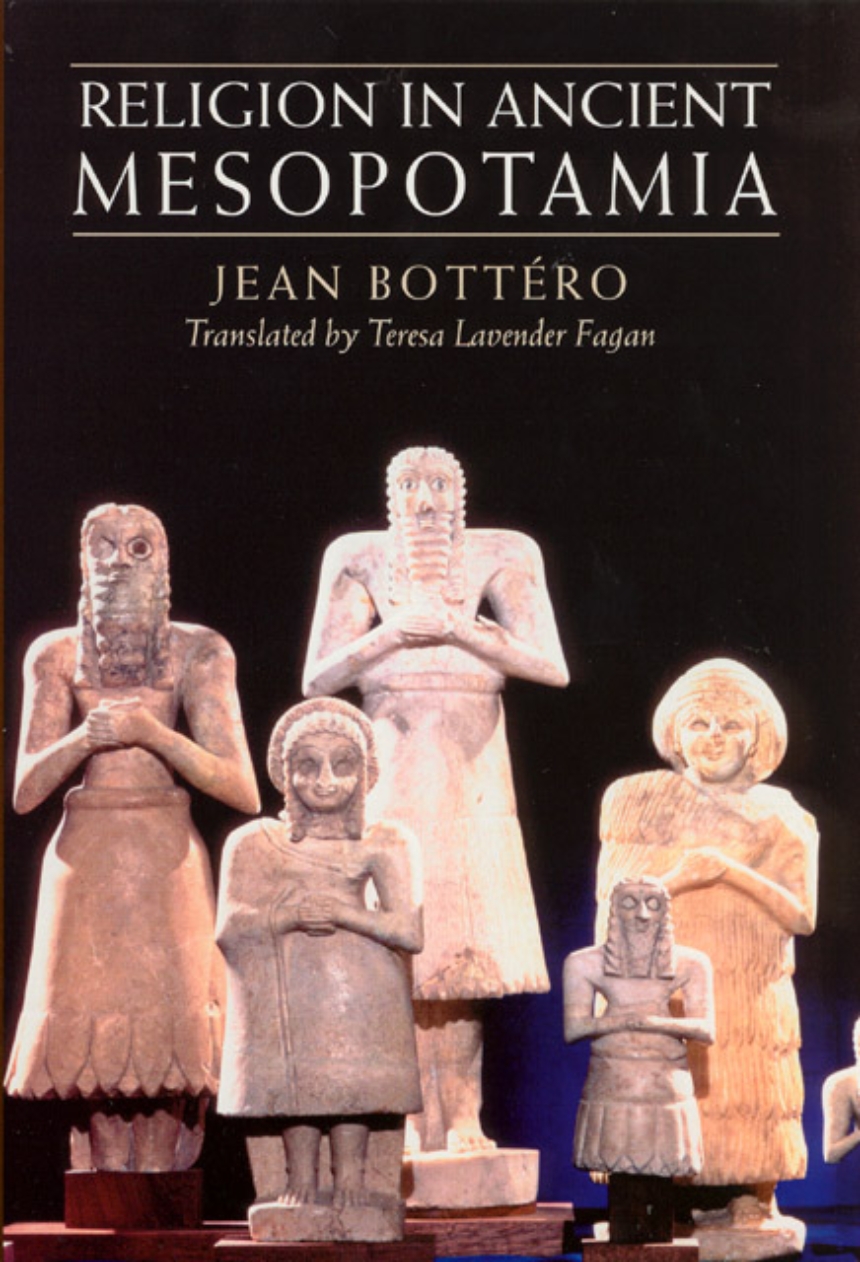
When we reflect on the cradle of civilization, the images that often come to mind are those of towering ziggurats, complex cuneiform tablets, and the legendary Hanging Gardens. However, the true “religion” of Mesopotamia was not merely a collection of myths about Enlil or Ishtar; it was an intricate socio-economic system that laid the groundwork for modern finance. In ancient Sumer, Babylon, and Assyria, the temple was not just a place of worship—it was the world’s first central bank, insurance provider, and credit union.
To understand the financial landscape of the ancient Near East, one must recognize that the boundary between the sacred and the fiscal was non-existent. The gods were the ultimate landowners, and the priesthood served as the executive board of a massive corporate entity. By examining the intersection of Mesopotamian spirituality and economic innovation, we can uncover the origins of debt, interest, and standardized currency.

The Temple Economy: When Faith Met Finance
In the early periods of Mesopotamian history, the temple (the E) acted as the central node for all economic activity. This “Temple Economy” model was built on the theological premise that the land belonged to the gods, and humans were created to cultivate it for their sustenance. This belief transformed the religious landscape into a highly efficient production and distribution network.
The Ziggurat as a Central Bank
The ziggurat was more than a spiritual ladder to the heavens; it was a secure, climate-controlled warehouse. In an era before digital ledgers, the temple stored the community’s surplus grain, wool, and oil. Because these items were considered the property of the gods, stealing from the temple was not just a crime against the state—it was a sacrilege punishable by death. This religious “security system” provided the trust necessary for a functional banking system. Farmers would deposit their harvests in the temple for safekeeping, effectively creating the first deposit accounts. In return, the priests would issue receipts in the form of clay tablets, which could sometimes be traded, hinting at the earliest forms of representative money.
Tithes and Tributes: The First Taxation System
The Mesopotamian religious calendar was punctuated by festivals that required the delivery of goods to the temple. While these were framed as offerings to appease the gods, they functioned as a sophisticated taxation system. These “tithes” ensured that the central authority had enough capital to fund large-scale infrastructure projects, such as the irrigation canals that made desert farming possible. From a business perspective, the temple used religious mandates to solve the “free-rider problem,” ensuring that every citizen contributed to the public goods that enabled the city-state to thrive.
From Barley to Silver: The Birth of Commodity Money
As Mesopotamian society grew more complex, the limitations of a barter system became a bottleneck for growth. How could a merchant trade a surplus of grain for a small amount of precious lapis lazuli without carrying tons of wheat across the desert? The solution was found in the standardization of value, a move driven by the temple’s need for precise accounting.
The Shekel and Standardized Weights
The “shekel” is a term many recognize today, but in ancient Mesopotamia, it was not a coin; it was a unit of weight. Originally, the shekel represented a specific amount of barley (approximately 180 grains). However, because barley is bulky and perishable, the temple authorities transitioned to silver as a proxy for value. By pegging the value of silver to a specific amount of grain, the Mesopotamians created a bimetallic standard that allowed for easier long-distance trade. This innovation allowed for “liquidity”—the ability to convert assets into a medium of exchange quickly—centuries before the first coins were struck in Lydia.
Ledger Systems and the Cuneiform Revolution
One of the most significant technological leaps in human history—the invention of writing—was driven almost entirely by the need for financial record-keeping. The earliest cuneiform tablets are not poems or prayers; they are balance sheets, inventories, and receipts. The priests needed to track who had paid their dues, who owed interest on a loan, and how much grain was distributed to laborers. This “religion of the ledger” established the principle of transparency in financial transactions. By codifying debts on clay, the Mesopotamians moved away from oral agreements to legally binding contracts, a cornerstone of modern corporate identity and commercial law.
Debt, Interest, and the Code of Hammurabi
If the temple was the bank, then the gods were the ultimate creditors. The concept of interest (mash in Sumerian, which also means “kid”) was likely derived from the natural increase of livestock. If you lent someone a goat, you expected it to be returned with its offspring. This biological logic was applied to silver and grain, giving birth to the concept of the “time value of money.”
The Theology of Interest Rates
Interest rates in ancient Mesopotamia were surprisingly high by modern standards, often reaching 20% for silver and 33% for grain. These rates were not seen as exploitative but as a reflection of the risk and the “divine order” of growth. However, the religious authorities recognized that unchecked debt could lead to social collapse. If the entire peasantry fell into debt slavery to a few wealthy creditors, the city-state would lose its tax base and its military. To prevent this, the “religion” of the state introduced a safety valve: the Debt Jubilee.
Debt Jubilees: Balancing the Books with the Gods
Upon the ascension of a new king or during times of economic crisis, the ruler would often issue a decree of “Amargi” (literally “return to mother” or “freedom”). These were Debt Jubilees—divinely sanctioned “clean slates” where consumer debts were forgiven, and debt slaves were liberated. This practice demonstrates a sophisticated understanding of macroeconomics; the Mesopotamians knew that for a brand or a state to remain sustainable, the financial system must serve the stability of the collective, not just the enrichment of the few. It was a divine intervention into the market to ensure long-term solvency over short-term gain.
Legacy of the Mesopotamian Model in Modern Wealth Management
The financial structures of Mesopotamia did not disappear with the fall of Babylon; they evolved into the global economic systems we use today. From the way we structure loans to the way we manage institutional trust, the “religion” of the ancient Near East remains the blueprint for the modern world.
Institutional Trust and the Social Contract
Modern branding and corporate identity rely heavily on the concept of “institutional trust.” We trust a bank with our money because of its reputation, its legal standing, and its perceived permanence. This is a direct evolution of the Mesopotamian temple model. The temple was the most “trusted brand” in the ancient world because it was backed by the highest possible authority: the gods. Today’s central banks and financial institutions occupy the same psychological and social space, acting as the ultimate arbiters of value and stability in an uncertain world.

Lessons for Digital Assets and Modern FinTech
As we move into an era of decentralized finance (DeFi) and blockchain-based ledgers, we are, in a sense, returning to the Mesopotamian model of “immutable records.” A cuneiform tablet and a block on a chain serve the same purpose: to provide a permanent, tamper-proof record of a transaction that does not rely on the memory of individuals.
Furthermore, the Mesopotamian experience with “commodity money” offers a cautionary and insightful lesson for the digital age. Just as they transitioned from heavy grain to portable silver to facilitate trade, we are transitioning from physical fiat to digital assets to facilitate global speed. The fundamental “religion” remains the same: the creation of a shared myth—whether it be the value of a silver shekel or a digital token—that allows humans to cooperate, invest, and build a future together.
In conclusion, the religion of Mesopotamia was the first great masterclass in the intersection of faith and finance. By turning their temples into banks and their gods into creditors, the Mesopotamians invented the tools of wealth creation that continue to power the global economy thousands of years later. Understanding this history is not just an academic exercise; it is a way to understand the very DNA of the money in our pockets and the institutions that govern our lives.
aViewFromTheCave is a participant in the Amazon Services LLC Associates Program, an affiliate advertising program designed to provide a means for sites to earn advertising fees by advertising and linking to Amazon.com. Amazon, the Amazon logo, AmazonSupply, and the AmazonSupply logo are trademarks of Amazon.com, Inc. or its affiliates. As an Amazon Associate we earn affiliate commissions from qualifying purchases.