
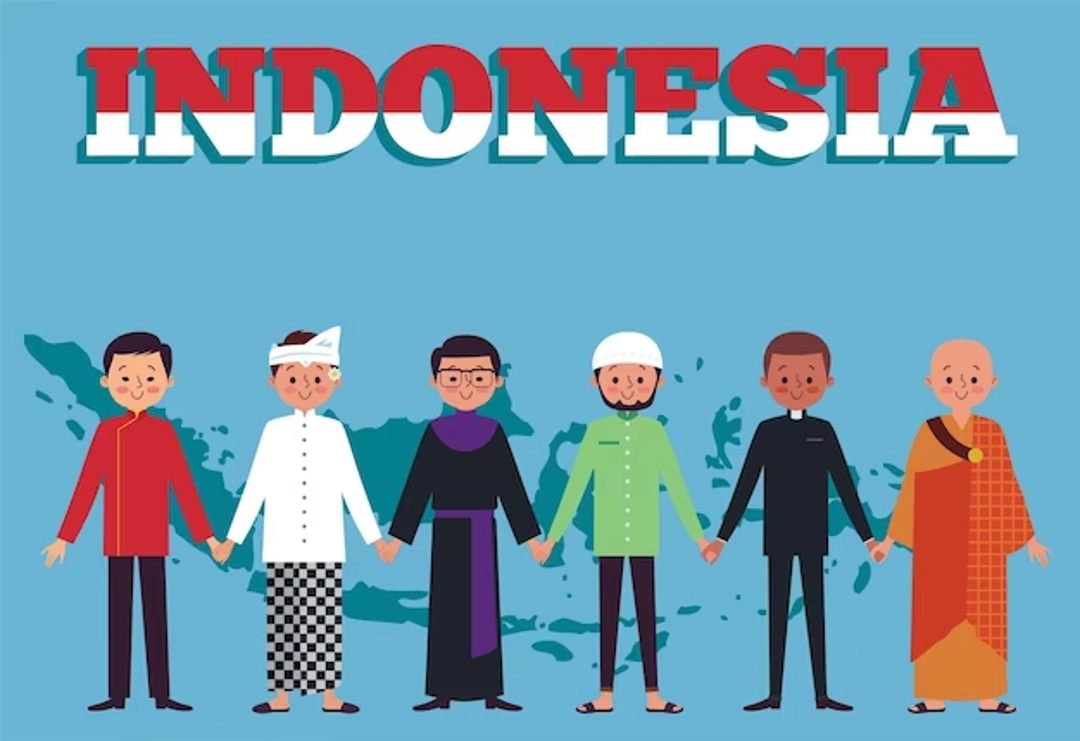
Indonesia is a nation often defined by its breathtaking archipelago and its status as the world’s most populous Muslim-majority country. However, for the modern investor, entrepreneur, or financial analyst, the “religion” of Indonesia is best understood through the lens of its economy—specifically, the massive, faith-driven financial ecosystem that dictates market trends, consumer behavior, and national policy. In Indonesia, faith and finance are not separate entities; they are deeply intertwined, creating a unique “Halal Economy” that is currently one of the most significant growth engines in Southeast Asia.
To understand the financial landscape of Indonesia is to understand how Sharia principles govern everything from multi-billion dollar infrastructure projects to the way a teenager in Bandung saves money on their smartphone. This article explores the economic “religion” of Indonesia, detailing the rise of Sharia finance, the explosion of the Halal market, and the digital transformation of religious capital.
The Halal Economy: A Trillion-Dollar Financial Pillar
The most visible manifestation of Indonesia’s faith-based economy is the “Halal” designation. While traditionally associated with food, the concept of Halal in Indonesia has expanded into a comprehensive lifestyle and economic sector that encompasses cosmetics, pharmaceuticals, tourism, and media.
Halal Food and Cosmetics as Market Drivers
Indonesia is the largest consumer of Halal food in the world. This is not merely a cultural preference but a regulatory reality. With the implementation of the Halal Product Assurance Act, almost all food, beverage, and medicinal products sold in the country must eventually bear a Halal certification. This has created a massive secondary industry: certification consulting, supply chain auditing, and specialized logistics. For brands looking to enter the Indonesian market, “Halal” is the primary financial barrier to entry and, conversely, the greatest facilitator of trust.
Modest Fashion and the Global Export Ambition
Beyond consumption, Indonesia has positioned itself as the global hub for “Modest Fashion.” This sector has moved from small-scale boutique shops to a multi-billion dollar industry that attracts international venture capital. The government has actively promoted Jakarta as a global fashion capital, competing with Dubai and Istanbul. For private equity investors, the Indonesian fashion sector represents a unique niche where traditional values meet modern e-commerce scalability.
Sharia Finance: The Ethical Banking Revolution
In the realm of money management, Indonesia is witnessing a seismic shift toward Sharia-compliant banking. This isn’t just about religious adherence; it’s about a growing preference for “ethical” and “risk-sharing” financial models over traditional interest-based banking.
The Rise of Bank Syariah Indonesia (BSI)
A landmark moment in Indonesia’s financial history was the merger of three state-owned Islamic banks to form Bank Syariah Indonesia (BSI). This move created a financial powerhouse capable of competing with conventional giants. The success of BSI signaled to the world that Sharia banking in Indonesia is no longer a niche alternative but a mainstream force. It provides the capital for major national strategic projects, proving that faith-based finance can handle the heavy lifting of a G20 economy.
Sukuk and the Infrastructure Boom
For institutional investors, Indonesia’s “Green Sukuk” (Islamic bonds) have become a gold standard. These instruments allow the government to raise capital for infrastructure—roads, bridges, and renewable energy—while adhering to Islamic principles that forbid usury (Riba) and gambling-like speculation (Gharar). Indonesia has become one of the world’s largest issuers of sovereign Sukuk, attracting diversified portfolios from the Middle East, Europe, and domestic retail investors. This “religious” financial instrument has quite literally built the modern face of the country.
The Zakat and Waqf Ecosystem: Redefining Social Wealth
One of the most unique aspects of the Indonesian financial “religion” is the institutionalization of religious philanthropy. In many Western economies, charity is an afterthought to wealth creation. In Indonesia, Zakat (obligatory almsgiving) and Waqf (endowments) are integrated into the macro-economic framework.

Institutionalizing Philanthropy through FinTech
The digital transformation of Zakat has turned a religious duty into a sophisticated tool for poverty alleviation and micro-finance. Leading Indonesian “super-apps” and specialized FinTech platforms now allow for the seamless collection and distribution of Zakat. This creates a massive pool of “social capital” that is redistributed to the bottom of the pyramid, acting as an unofficial social safety net that stabilizes the domestic economy during periods of inflation or global volatility.
Impact Investing through Religious Endowments (Waqf)
Waqf, or Islamic endowments, are increasingly being used for “productive” purposes rather than just building mosques. Productive Waqf now includes the development of hospitals, schools, and even commercial real estate. This represents a form of “Impact Investing” that predates the modern ESG (Environmental, Social, and Governance) movement. For the business strategist, understanding how to partner with Waqf institutions can unlock land and community support that is otherwise inaccessible to purely commercial entities.
Navigating Business Finance in a Faith-Driven Market
For foreign companies and local startups alike, the “religion” of Indonesia dictates the rules of engagement for corporate strategy and marketing. To ignore the religious pulse of the market is to risk total financial failure.
Compliance and Certification as a Strategic Asset
In the Indonesian business landscape, Sharia compliance is increasingly viewed as a “Quality Assurance” mark. Companies that go beyond the minimum requirements to ensure their financial operations and supply chains are Sharia-compliant often see higher customer loyalty. This has led to the rise of “Sharia-compliant” hotels, logistics companies, and even tech platforms. The cost of compliance is high, but the ROI in terms of market share in a nation of 275 million people is unparalleled.
The Rise of the “Halal-Conscious” Consumer
The modern Indonesian consumer—particularly Gen Z and Millennials—is increasingly “Hijrah” (a term describing a return to more devout religious practice). This demographic shift has created a new class of consumers who prioritize ethical spending. They are looking for “halal” investment apps, sharia-compliant P2P lending, and transparent business practices. Financial brands that fail to pivot toward these values find themselves losing ground to local players who speak the language of faith and finance fluently.
The Digital Transformation of the Sharia Economy
As Indonesia moves toward becoming a top-five global economy by 2045, its digital infrastructure is being built with a “Sharia-first” mindset. This is where the “Money” niche and “Tech” niche intersect most profitably.
Sharia-Compliant P2P Lending and Crowdfunding
The Indonesian “side hustle” culture is booming, fueled by P2P lending. However, many Indonesians avoid conventional P2P platforms due to high-interest rates that conflict with their beliefs. This has opened the door for Sharia-compliant crowdfunding platforms. These platforms connect small businesses (MSMEs) with investors based on profit-sharing models (Mudharabah or Musharakah). This democratizes wealth and provides a “halal” way for the middle class to earn passive income, further circulating capital within the domestic economy.
E-commerce and Religious Consumption Trends
The “Religion of Indonesia” is also visible in the data of e-commerce giants like Tokopedia and Shopee. During Ramadan and Eid, the surge in consumer spending is not just a seasonal spike; it is an economic phenomenon that dictates the annual revenue targets of most major corporations. The “Ramadan Economy” involves massive transfers of wealth from urban centers to rural villages (Mudik), creating a unique seasonal liquidity that businesses must plan for months in advance.
Conclusion: The Future of Indonesia’s Financial Faith
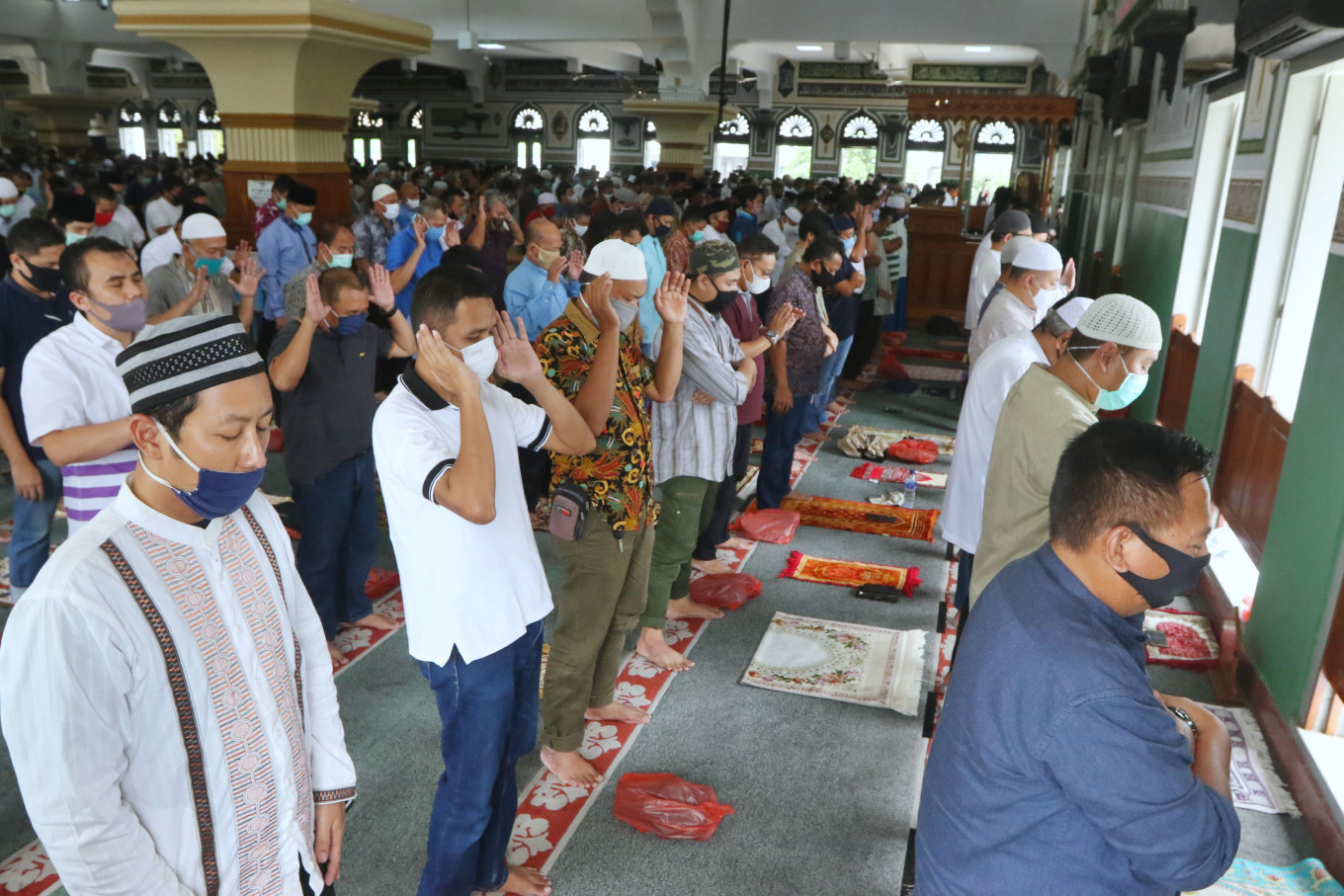
The “religion” of Indonesia is far more than a set of spiritual beliefs; it is a sophisticated, multi-layered economic system that governs the flow of trillions of rupiah. From the way the government issues debt to the way a street vendor accepts payments, Sharia principles and the Halal lifestyle are the invisible hands moving the market.
For anyone looking to engage with Indonesia’s economy, the lesson is clear: Success is not found by working around the country’s religious identity, but by working within it. The integration of faith-based ethics with high-tech financial tools is creating a resilient, inclusive, and rapidly expanding economy. In Indonesia, the future of money is Sharia-compliant, digital, and deeply rooted in the values of its people. Understanding this “Economy of Faith” is the ultimate key to unlocking the potential of the Southeast Asian giant.
aViewFromTheCave is a participant in the Amazon Services LLC Associates Program, an affiliate advertising program designed to provide a means for sites to earn advertising fees by advertising and linking to Amazon.com. Amazon, the Amazon logo, AmazonSupply, and the AmazonSupply logo are trademarks of Amazon.com, Inc. or its affiliates. As an Amazon Associate we earn affiliate commissions from qualifying purchases.