
In the world of finance, time is more than just a metric; it is a currency. Yet, for many entrepreneurs, investors, and individuals managing personal wealth, the path to financial growth is often blocked by an invisible yet formidable barrier: red tape. Originally a 16th-century term referring to the physical ribbons used to bind voluminous legal and government documents, “red tape” has evolved into a modern metaphor for the excessive bureaucracy, rigid regulations, and complex paperwork that hinder financial progress.
Understanding what red tape is—and how to navigate it—is essential for anyone looking to optimize their financial life, launch a side hustle, or scale a business. In this article, we will explore the financial implications of red tape, its impact on the entrepreneurial landscape, and the strategies savvy financial actors use to cut through the noise.

The Financial Anatomy of Red Tape
To master your money, you must first understand the structural forces that govern its movement. Red tape in the financial sector is not merely an annoyance; it is a systemic reality that influences everything from interest rates to the speed of international wire transfers.
The Cost of Compliance: Why Regulations Exist
While red tape is often viewed negatively, it is important to recognize its origins. In the financial world, many “hoops” exist to prevent fraud, money laundering, and systemic collapse. Following the 2008 financial crisis, global regulations such as the Dodd-Frank Act in the United States and various Basel Accords internationally were implemented to ensure stability.
However, for the individual or small business owner, these safety measures manifest as “compliance costs.” This includes the time spent filling out forms, the fees paid to accountants to ensure tax law adherence, and the delays inherent in vetting financial transactions. For a business, red tape represents a “hidden tax” that can consume a significant percentage of annual revenue.
Administrative Bottlenecks in Lending and Credit
When an individual applies for a mortgage or a business seeks a line of credit, they encounter the most tangible form of red tape: the documentation phase. Lenders are required to verify income, assess risk, and document every facet of a borrower’s financial history. While these steps protect the lender, the administrative bottlenecks often result in missed opportunities. In a fast-moving real estate market or a volatile stock market, the two-week delay caused by a missing document or a slow-moving government registry can result in thousands of dollars in lost potential gains.
Red Tape and the Entrepreneurial Landscape
For those seeking to generate online income or launch a traditional business, red tape is often the first—and most difficult—barrier to entry. It is the gap between having a profitable idea and actually being able to execute it legally and financially.
Licensing and Permit Barriers
Before a single dollar of revenue is earned, entrepreneurs often face a wall of licensing requirements. Depending on the industry and geography, this might include professional certifications, local business permits, and health and safety inspections. In the niche of “Side Hustles,” many people overlook the red tape involved in simple activities like short-term rentals or freelance consulting.
Failing to navigate these requirements doesn’t just result in delays; it can lead to heavy fines and legal fees that can bankrupt a fledgling enterprise before it even finds its footing. The professional approach is to factor “regulatory research” into the initial business plan, treating the navigation of red tape as a necessary startup cost rather than an unexpected obstacle.
Tax Complexity and the Small Business Struggle
Taxation is perhaps the most complex form of red tape in the world of money. For a W-2 employee, taxes are relatively straightforward. However, for the business owner or the independent investor, the “tape” turns into a labyrinth of deductions, estimated quarterly payments, and self-employment taxes.
The complexity of the tax code often forces small business owners to spend hours on administrative tasks that do not generate value. This is known as “opportunity cost.” Every hour spent reconciling receipts or interpreting new tax statutes is an hour not spent on product development or sales. In the realm of business finance, streamlining these processes is vital for maintaining a competitive edge.
The Impact of Red Tape on Investment and Growth
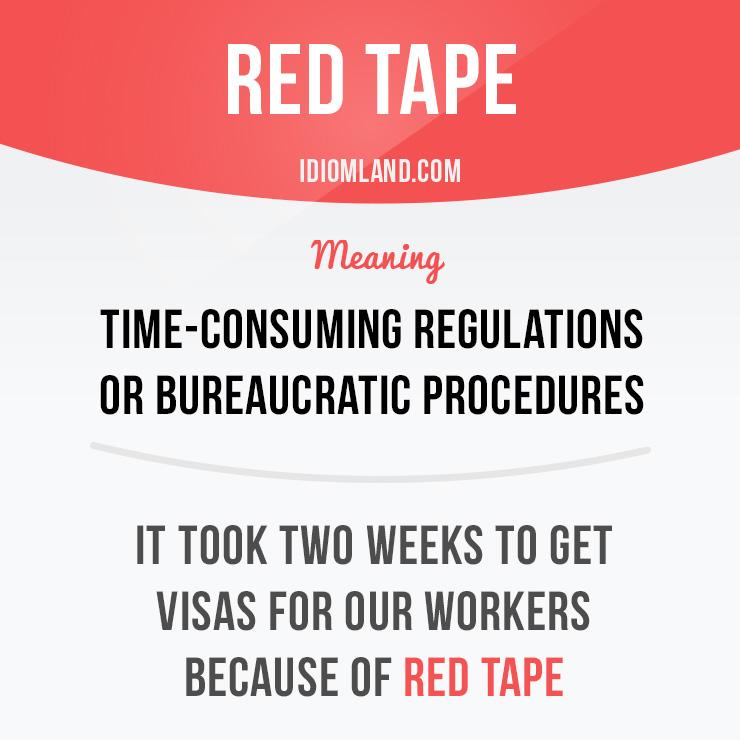
Institutional and individual investors alike must contend with regulatory friction. In the modern financial era, the movement of capital is closely monitored, creating a unique set of challenges for those looking to diversify their portfolios internationally or invest in emerging assets.
Navigating AML and KYC Protocols
If you have ever opened a brokerage account or a digital wallet, you have encountered AML (Anti-Money Laundering) and KYC (Know Your Customer) protocols. These are classic examples of financial red tape. While designed to catch criminal activity, they often create friction for legitimate investors.
For high-net-worth individuals, these protocols can involve disclosing the source of wealth dating back decades. For the average investor, it might mean identity verification delays that prevent them from buying into a market dip. Understanding that these processes are non-negotiable allows an investor to prepare documentation in advance, ensuring that when a financial opportunity arises, they are not left waiting for a compliance officer’s approval.
Capital Allocation and Regulatory Sluggishness
Red tape also affects how capital is allocated within an economy. When government regulations make it too difficult to invest in certain sectors—such as energy or healthcare—capital tends to flow elsewhere, even if those sectors offer high potential returns. This “regulatory sluggishness” can stifle innovation.
For the astute investor, identifying areas where red tape is being reduced (deregulation) can be a powerful signal for future growth. Conversely, industries seeing an increase in “red tape” often experience a “valuation discount,” as the market accounts for the increased costs of doing business.
Strategies to Overcome Red Tape in Your Financial Journey
While you cannot eliminate the existence of bureaucracy, you can change how you interact with it. Success in the world of money often depends on one’s ability to “hack” the system through efficiency and expertise.
Leveraging Fintech to Bypass Bureaucracy
The rise of Financial Technology (Fintech) has been a direct response to the red tape of traditional banking. Digital-first banks, automated tax software, and blockchain-based smart contracts are designed to automate the very tasks that used to take days of manual labor.
For instance, online income earners can now use apps that automatically calculate and squirrel away tax obligations with every payment received. Similarly, automated investing platforms (robo-advisors) handle the complex rebalancing and tax-loss harvesting that would otherwise require a team of professionals. By adopting these tools, you are effectively using technology to “cut” the red tape that would otherwise slow down your financial growth.
Professional Outsourcing: When to Hire Experts
In business finance, there is a point where doing it yourself becomes a liability. One of the most effective ways to handle red tape is to outsource it to specialists. Certified Public Accountants (CPAs), financial planners, and legal counsel are not just expenses; they are “bureaucracy shields.”
An expert knows which forms are priority, which regulations are flexible, and how to structure a deal to minimize the friction of red tape. In the context of “Money,” the fees paid to these professionals are often dwarfed by the savings they generate in terms of avoided fines, optimized taxes, and time saved. For a serious investor or business owner, professional guidance is the ultimate tool for navigating the complexities of the financial system.

The Future of Financial Regulation: Less Tape, More Transparency?
As we look toward the future, the nature of red tape is changing. We are moving from a world of “physical” tape—paper forms and manual signatures—to a world of “digital” tape, where algorithms and data sets govern our financial permissions.
The push for “Open Banking” and “Digital Identity” suggests a future where red tape could become invisible. Imagine a world where your financial history is securely and instantly verifiable, allowing for a mortgage approval in minutes rather than months. However, this transition brings new forms of digital security requirements and data privacy regulations.
For the modern individual, staying informed about these shifts is crucial. Red tape will likely never disappear, as the need for financial oversight remains. But by understanding its mechanisms, utilizing the right tools, and knowing when to seek professional help, you can ensure that the “red tape” of the financial world never becomes a noose around your economic aspirations. In the game of money, those who move the fastest through the hurdles are the ones who ultimately win.
aViewFromTheCave is a participant in the Amazon Services LLC Associates Program, an affiliate advertising program designed to provide a means for sites to earn advertising fees by advertising and linking to Amazon.com. Amazon, the Amazon logo, AmazonSupply, and the AmazonSupply logo are trademarks of Amazon.com, Inc. or its affiliates. As an Amazon Associate we earn affiliate commissions from qualifying purchases.