
The question of “what is the price of propane today” is more than a simple inquiry for many households and businesses; it is a critical data point in the broader landscape of personal and corporate finance. Propane, often referred to as liquefied petroleum gas (LPG), serves as a cornerstone of the energy economy, particularly for those living in rural areas or operating in industries like agriculture and logistics. However, unlike regulated utilities such as electricity or natural gas, the price of propane fluctuates with the volatility of a global commodity market. Understanding these fluctuations is essential for effective budgeting, financial planning, and long-term energy investment.
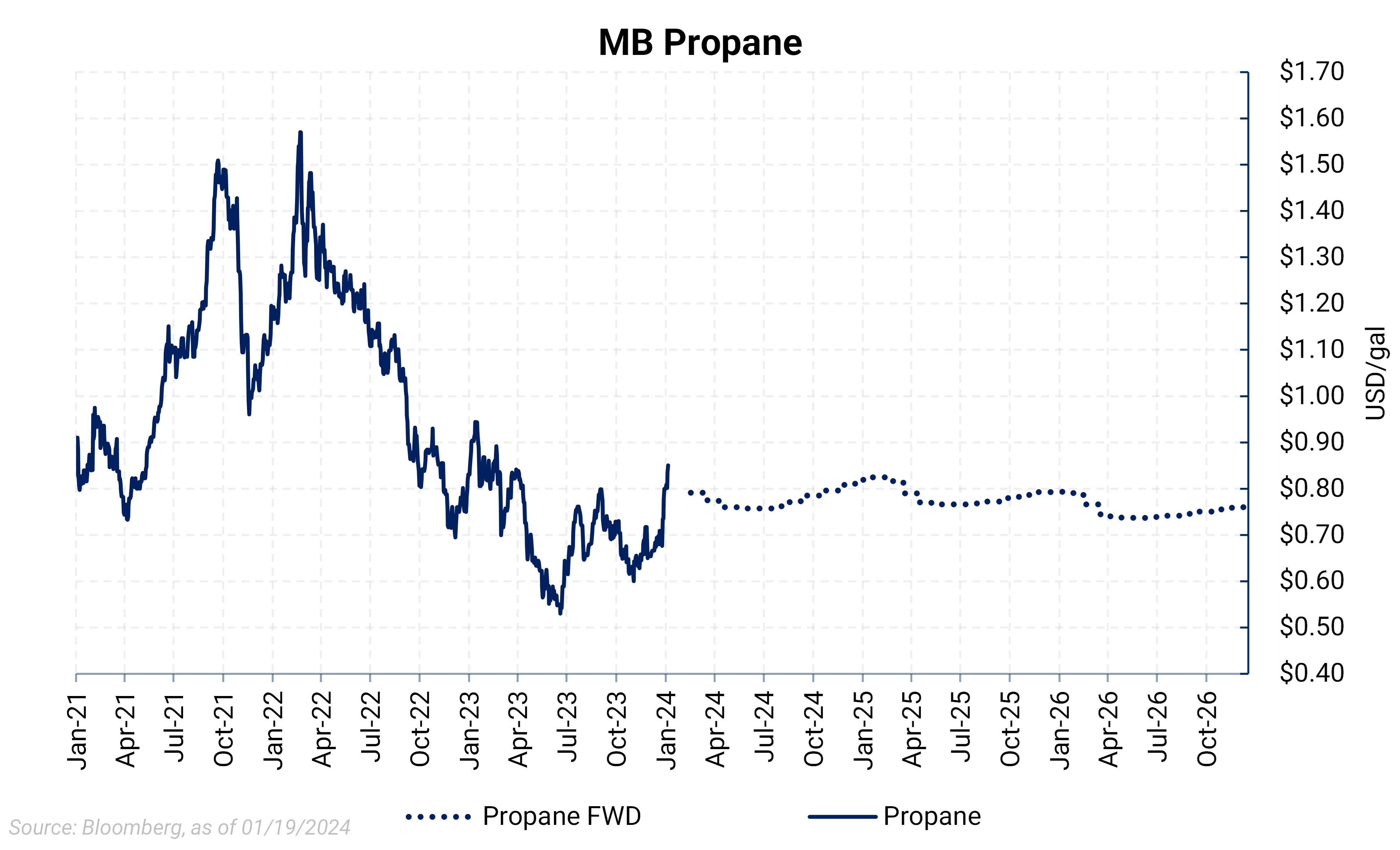
The Financial Architecture of Propane Pricing
To understand why propane prices fluctuate, one must look at the underlying financial structures that govern the energy sector. Propane is a byproduct of both natural gas processing and crude oil refining. Consequently, its price is inextricably linked to the performance of these two major commodities.
Crude Oil and Natural Gas Correlation
Because propane is derived during the refining of crude oil and the processing of natural gas, its market value often tracks the “crack spread” or the value differential between raw materials and refined products. When global crude oil prices rise due to geopolitical tensions or production cuts by major exporters, the cost of producing propane rises accordingly. For the savvy consumer or business owner, tracking the West Texas Intermediate (WTI) or Brent Crude indices can provide a leading indicator of where propane prices are headed in the coming months.
Supply and Demand Cycles
The propane market is highly seasonal, which creates predictable but often sharp price spikes. In the financial world, this is a classic supply-demand elasticity problem. During the winter months, demand for home heating skyrockets. Simultaneously, the agricultural sector often requires large volumes of propane for crop drying in the fall. When these two demand peaks overlap, and if inventories are low, the price per gallon can surge. Monitoring the U.S. Energy Information Administration (EIA) weekly inventory reports is a professional-grade tactic for timing purchases before seasonal peaks.
Geographical Logistics and Infrastructure
The “price today” is also heavily influenced by your proximity to major hubs like Mont Belvieu, Texas, or Conway, Kansas. Propane must be transported via pipeline, rail, or truck. Disruptions in logistics—such as pipeline maintenance or rail strikes—can create localized “price islands” where costs are significantly higher than the national average. From a financial perspective, these are logistical premiums that must be factored into the total cost of ownership for any propane-reliant property or business.
Propane as a Variable in Personal and Business Finance
For many, propane is one of the largest annual expenditures outside of a mortgage or payroll. Treating it as a static expense is a common financial mistake. Instead, it should be managed as a variable investment that requires active oversight.
Seasonal Fluctuations and Timing Your Purchase
One of the most effective ways to manage the financial impact of propane is through strategic timing. Historically, propane prices are at their lowest during the summer months when demand for heating is non-existent. Financial advisors often suggest “pre-buying” or “locked-in” summer rates. By paying for your winter fuel in July, you effectively hedge against the risk of price volatility in January. This is a form of retail-level futures trading that can save a household or small business hundreds, if not thousands, of dollars annually.
Fixed-Rate vs. Market-Rate Contracts
Choosing how to pay for propane involves evaluating different financial instruments offered by suppliers.
- Market-Rate Contracts: You pay the price on the day of delivery. This allows you to benefit if prices drop, but leaves you vulnerable to sudden spikes.
- Fixed-Rate Contracts: You lock in a set price for the season. This provides budget certainty, which is invaluable for businesses with tight margins, though you may pay a slight premium for this “insurance.”
- Price-Capped Contracts: This hybrid model sets a maximum price you will pay, but allows the price to drop if the market does. These usually involve a small fee but offer the best of both worlds for risk management.
The Hidden Costs: Tank Rentals and Maintenance
The price of the fuel itself is only one part of the financial equation. Many consumers lease their tanks from a supplier. While this reduces upfront capital expenditure (CapEx), it often ties the consumer to that specific provider, preventing them from “shopping around” for better fuel prices. For a long-term property owner, purchasing a private tank can be a high-yield investment. Although the initial cost is significant, the ability to buy fuel from the lowest bidder on the open market typically leads to a “payback period” of just three to five years.
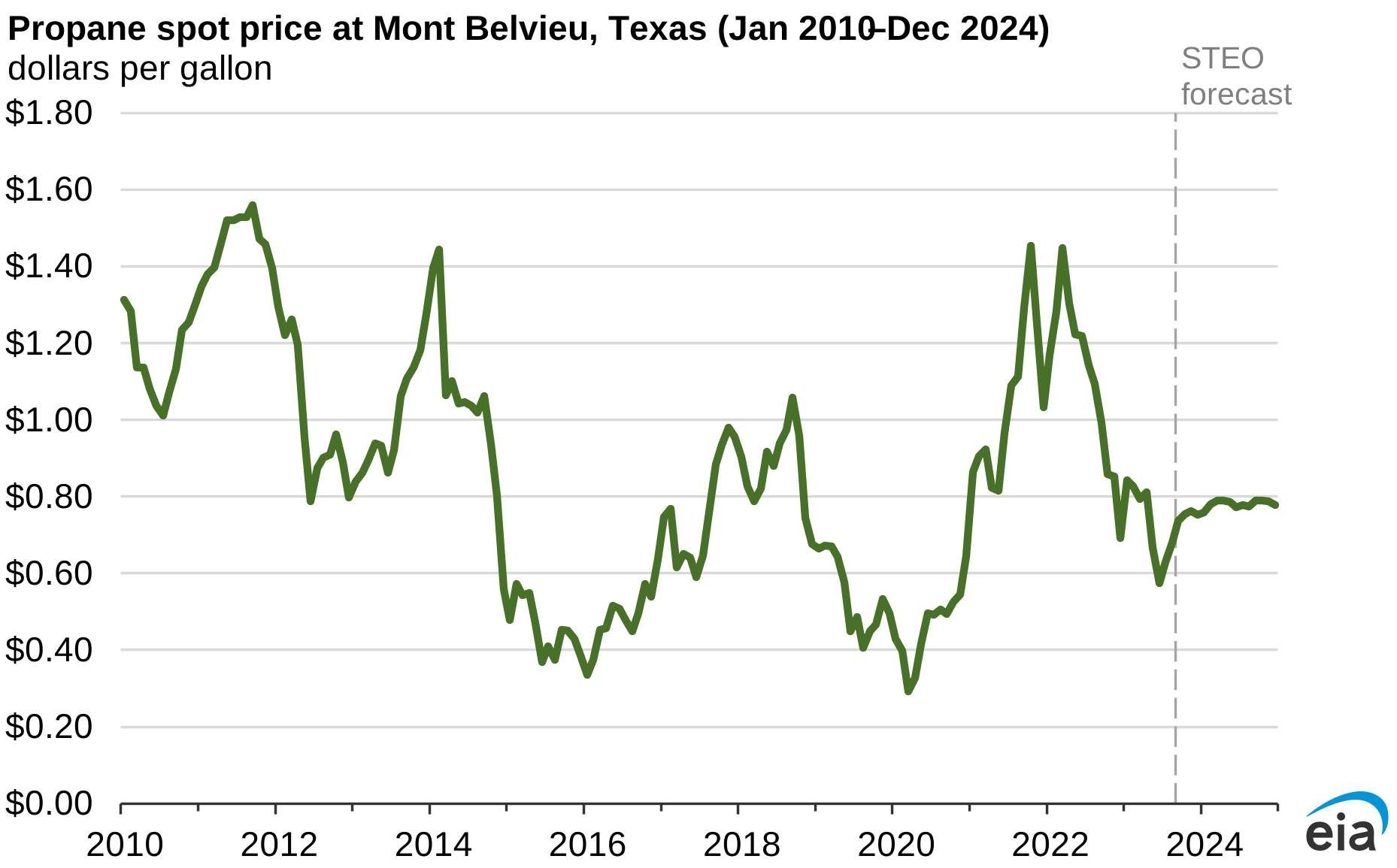
Propane in the Global Economy and Investment Perspectives
Propane is no longer just a local heating fuel; it is a major American export. This shift has changed the financial dynamics of the domestic price. The United States has become one of the world’s largest exporters of LPG, sending vast quantities to markets in Asia and Europe for petrochemical production.
Propane as an Export Commodity
When global demand for plastics and chemicals rises, international buyers are willing to pay a premium for American propane. This global arbitrage means that even if a local winter is mild, domestic prices may remain high because it is more profitable for producers to ship the fuel overseas. For those looking at energy sector investments, the expansion of LPG export terminals along the Gulf Coast represents a significant area of industrial growth.
Impact of Geopolitical Events on Energy Prices
In the modern economy, an event in Eastern Europe or the Middle East can impact the price of propane in rural America within days. Currency fluctuations also play a role; since energy is largely traded in U.S. dollars, the strength of the dollar can influence international demand, which in turn affects the “price today.” Investors and business owners must maintain a global perspective to anticipate these macro-economic shifts.
The Transition to Renewable Propane (Bio-LPG)
As the world shifts toward ESG (Environmental, Social, and Governance) standards, “Renewable Propane” is emerging as a new asset class. Produced from biomass and waste fats, Bio-LPG offers a lower carbon footprint. From a money perspective, this may soon lead to carbon credits or tax incentives for businesses that switch, potentially offsetting the currently higher cost of renewable fuels compared to conventional propane.
Strategic Ways to Optimize Your Energy Budget
Managing the price of propane requires a proactive approach to efficiency and technology. In finance, we often say that “a dollar saved is better than a dollar earned” because savings are tax-free.
Energy Efficiency Audits and Home Upgrades
The most effective way to combat rising propane prices is to consume less. Investing in a high-efficiency propane furnace (with an AFUE rating of 95% or higher) can reduce consumption by 20-30% compared to older models. While the CapEx for a new furnace is high, the Internal Rate of Return (IRR) on such an investment, through reduced monthly fuel bills, often outperforms traditional market investments.
Group Purchasing and Co-ops
Individual consumers often have little bargaining power. However, by joining a “buying group” or a fuel co-op, neighbors and small businesses can leverage their collective volume to negotiate lower margins from suppliers. This is a classic example of economies of scale being applied at the community level to drive down the cost of living.
Monitoring Tools and Smart Metering
In the era of “FinTech,” the propane industry has introduced smart tank monitors. These devices provide real-time data on fuel levels and usage patterns via smartphone apps. From a financial management standpoint, this data is invaluable. It prevents “emergency deliveries”—which often come with high convenience fees—and allows users to identify leaks or inefficiencies immediately. By monitoring “Heating Degree Days” (HDD) against actual consumption, users can create a highly accurate financial forecast for their energy needs.

Conclusion: Mastering the Propane Market
The price of propane today is a reflection of a complex web of global trade, seasonal demand, and logistical efficiency. While no one can control the market price, individuals and businesses can control their financial exposure to it. By understanding the correlation between propane and other energy commodities, choosing the right contractual structures, and investing in efficiency and monitoring technology, you can transform a volatile expense into a managed, predictable component of your financial portfolio. In the world of personal and business finance, knowledge is the most effective fuel for long-term stability.
aViewFromTheCave is a participant in the Amazon Services LLC Associates Program, an affiliate advertising program designed to provide a means for sites to earn advertising fees by advertising and linking to Amazon.com. Amazon, the Amazon logo, AmazonSupply, and the AmazonSupply logo are trademarks of Amazon.com, Inc. or its affiliates. As an Amazon Associate we earn affiliate commissions from qualifying purchases.