
When we discuss the financial landscape of Europe, the conversation typically gravitates toward the powerhouses of the Eurozone—Germany’s industrial dominance, France’s luxury conglomerates, or the fintech hubs of London and Zurich. However, for investors, economists, and business strategists, the opposite end of the spectrum offers equally compelling insights. Identifying “the poorest country in Europe” is not merely a search for a single name; it is a complex financial evaluation of Gross Domestic Product (GDP), Purchasing Power Parity (PPP), and the structural challenges that hinder capital accumulation in emerging markets.
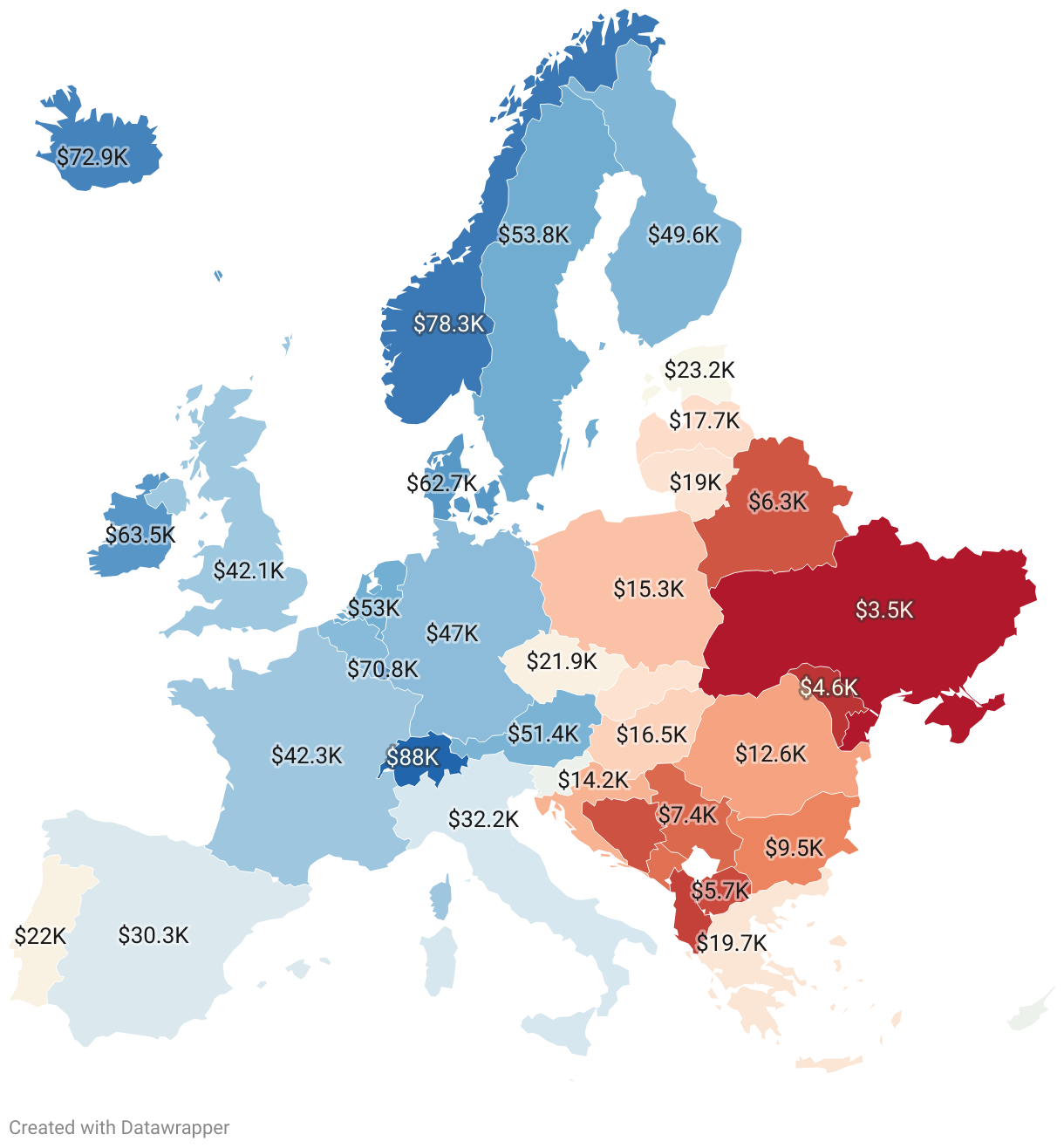
In the current fiscal climate, Moldova often holds the title of the poorest nation in Europe by nominal GDP per capita, closely followed by Ukraine and Kosovo. Understanding why these nations occupy this position requires a deep dive into macroeconomic indicators, the legacy of post-Soviet transitions, and the ongoing struggle for financial stability in a globalized economy.
Defining Economic Despair: GDP vs. PPP in the European Context
In the world of finance, “poverty” at a national level is measured through various lenses. To understand the financial health of Europe’s lower-income nations, we must distinguish between nominal figures and real-world affordability.
Nominal GDP: The Raw Financial Output
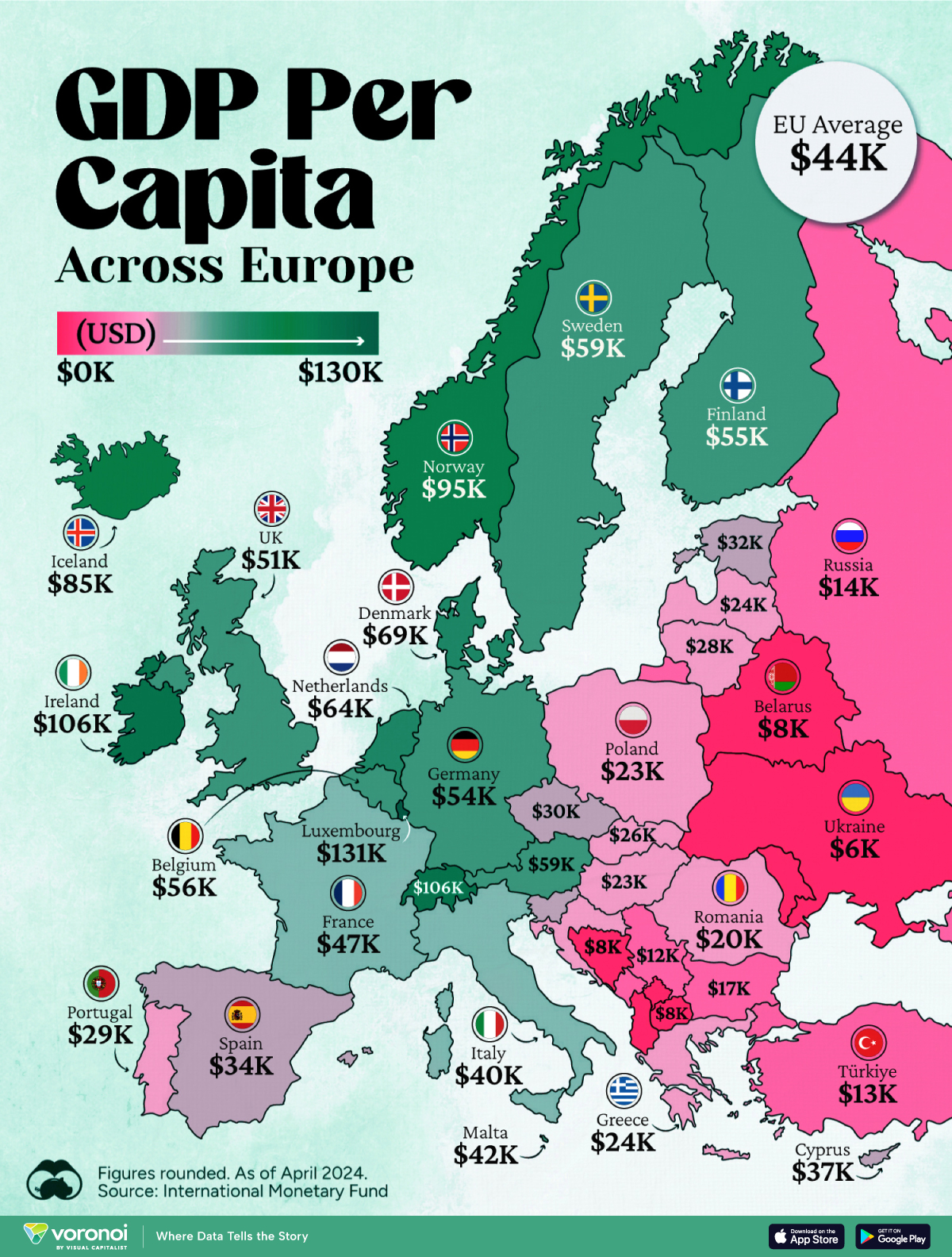
Nominal GDP is the most straightforward metric. It represents the total value of all goods and services produced within a country’s borders, converted into a standard currency—usually the US dollar or the Euro. For countries like Moldova, a nominal GDP per capita hovering around $5,000 to $6,000 highlights a significant gap compared to the European Union average of over $35,000. From a business finance perspective, low nominal GDP indicates limited domestic market size and lower consumer purchasing power, which can deter foreign direct investment (FDI) in the retail and service sectors.
Purchasing Power Parity (PPP): The Reality of Local Wealth
While nominal GDP tells us how much a country can buy on the international market, Purchasing Power Parity (PPP) tells us what a dollar can buy locally. This is a crucial distinction for personal finance and business operations. In many “poor” European nations, the cost of living is significantly lower. A resident in Chisinau or Pristina might have a much lower salary than someone in Berlin, but their rent, utilities, and food costs are a fraction of the price. For companies looking at “near-shoring” or outsourcing, PPP is the metric that determines the feasibility of labor arbitrage.
The Human Capital Index and Wealth Distribution
Beyond GDP, we must look at how wealth is distributed. In many Eastern European nations, wealth is often concentrated in capital cities, while rural areas remain in a state of financial stagnation. High Gini coefficients—a measure of statistical dispersion representing income inequality—can signal that even if a country is growing, the financial benefits are not trickling down to the broader population, creating a fragile middle class and a volatile environment for long-term retail investing.
Moldova and Ukraine: A Financial Case Study of Eastern Europe
To answer the question of which country is the poorest, we must look at the specific financial histories of the frontrunners. Moldova and Ukraine serve as the primary case studies for economic hardship and, conversely, economic potential in the region.
Moldova’s Agricultural Dependency and Remittance Economy
Moldova’s financial struggles are rooted in its lack of natural resources and its heavy reliance on agriculture. For decades, the country’s economy was tied to a single export market. When geopolitical tensions arise, trade embargoes can devastate the national budget overnight.
Furthermore, Moldova is a classic example of a “remittance economy.” A significant portion of its GDP—often estimated between 15% and 20%—comes from citizens working abroad and sending money back home. From a personal finance perspective, this sustains the local population, but from a business finance perspective, it creates a “brain drain” that leaves the country short of the skilled labor necessary for high-tech industrial growth.
Ukraine’s Economic Volatility and Resilience
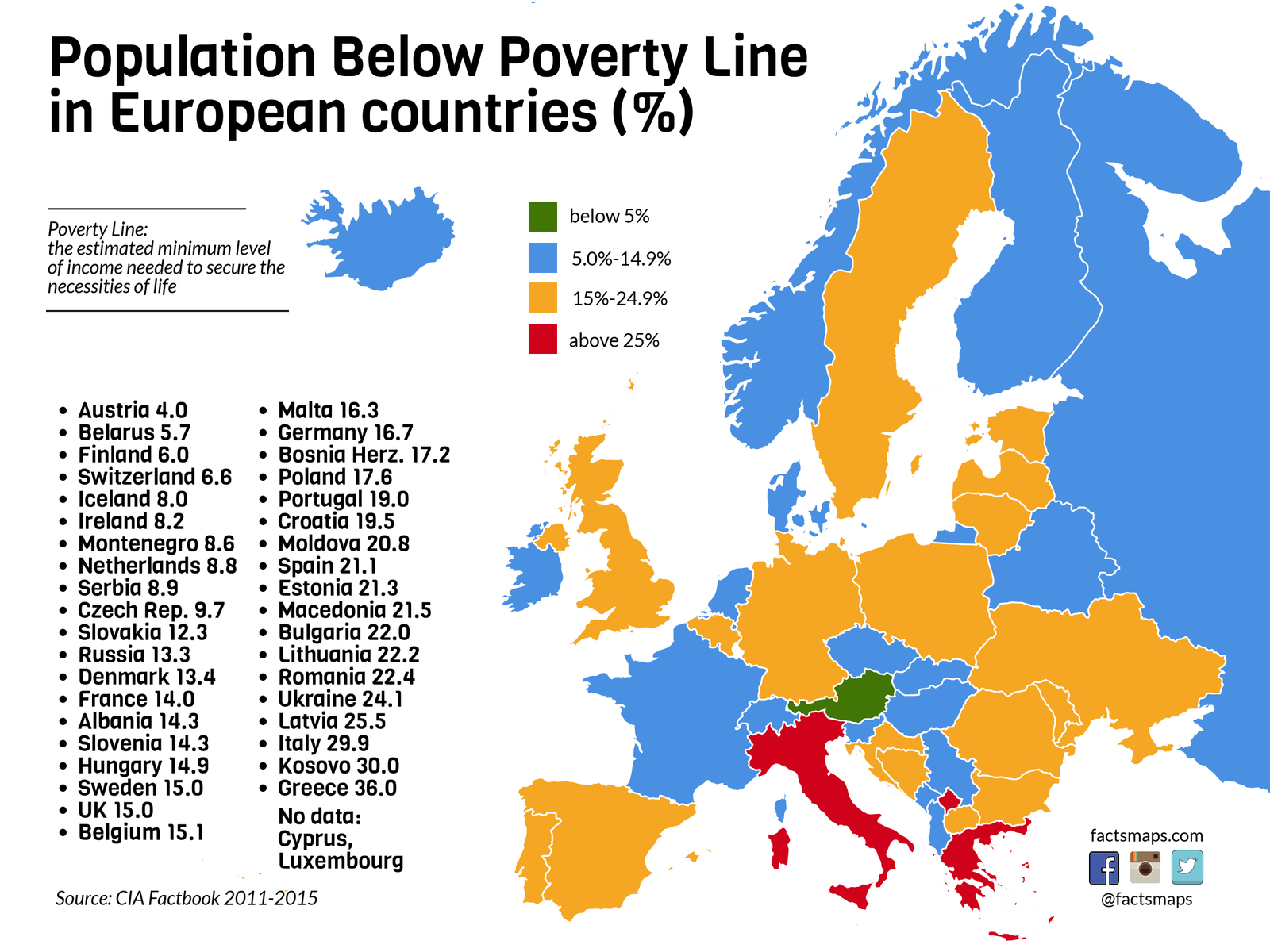
Before the recent geopolitical escalations, Ukraine was often ranked as the poorest or second-poorest country in Europe per capita. Despite having vast mineral wealth and being the “breadbasket of Europe,” systemic corruption and delayed structural reforms hampered its financial growth.
However, Ukraine also showcases incredible economic resilience. Before 2022, its IT sector was one of the fastest-growing in the world, contributing billions to the economy. This represents a shift from traditional industrial wealth to a digital-first economy. For global investors, Ukraine remains a high-risk, high-reward environment where the eventual reconstruction and integration into the European Single Market represent one of the largest potential “value plays” in modern economic history.
The Role of Foreign Investment and Emerging Market Strategies
Being the “poorest” country in a region often makes a nation a candidate for “Frontier Market” status. In the world of investing, these nations represent the next frontier for growth once established emerging markets become saturated.
The Attraction of Risk-Tolerant Capital
Institutional investors often look at low-income European nations through the lens of distressed debt or undervalued assets. When a country’s currency is weak, its assets—land, factories, and infrastructure—become incredibly cheap for foreign capital. This leads to a cycle of “catch-up growth.” As these nations implement Western-style financial regulations and transparency laws, the risk premium decreases, and asset values rise. For private equity firms, the “poorest” countries are often where the highest internal rates of return (IRR) are found.
Infrastructure and Digital Transformation as Financial Catalysts
A common thread among Europe’s poorest nations is the lack of modern infrastructure. However, the “leapfrogging” effect is a real financial phenomenon. Just as many African nations skipped landlines for mobile banking, Eastern European nations like Albania and Kosovo are attempting to skip traditional industrial phases to become hubs for digital services.
Digital transformation reduces the cost of doing business. When a nation invests in high-speed internet and digital governance (e-government), it lowers the barriers for side hustles, online income, and global freelancing for its citizens. This shift from physical exports to digital services is the primary pathway for these nations to climb the European wealth ladder.
Personal Finance and Business Opportunities in Emerging Europe
For the individual entrepreneur or the savvy investor, the poorest countries in Europe are not just statistics; they are markets with specific opportunities.
Arbitrage and Business Process Outsourcing (BPO)
From a business finance perspective, the disparity in wages between Western and Eastern Europe creates a massive opportunity for arbitrage. Companies in the UK, Germany, or the US can set up BPO centers in the Balkans or Moldova for a fraction of the cost. This doesn’t just benefit the corporation; it injects foreign currency into the local economy and provides high-paying jobs (by local standards) that help build a domestic consumer base.
Real Estate and “Digital Nomad” Economics
As remote work becomes a permanent fixture of the global economy, “poorest” countries are rebranding themselves as affordable havens for digital nomads. Countries like Albania have seen a surge in real estate interest because of their low cost of entry. For a personal finance enthusiast, purchasing property in a developing European nation can be a hedge against the hyper-inflated markets of London or Paris. The gamble is on the long-term convergence of the European economy—the idea that over 20 to 30 years, the wealth gap between the East and West will continue to shrink.
The Impact of Financial Literacy on National Growth
Finally, the transition from a “poor” nation to a “developing” one depends heavily on financial literacy. In many of these regions, there is a historical distrust of banking systems due to past collapses or high inflation. Promoting modern financial tools—from stock market participation to crypto-adoption and reliable insurance products—is essential. As the citizenry moves away from “under-the-mattress” savings and toward productive investment, the national capital stock grows, providing the internal funding necessary for business expansion.
Conclusion: The Financial Future of Europe’s Economic Perimeter
Labeling a nation as the “poorest in Europe” is a snapshot in time, not a permanent sentence. As we have seen with the Baltic states and Poland, rapid economic transformation is possible within a single generation. For the money-conscious observer, the poorest nations of Europe represent a landscape of untapped potential, labor opportunities, and high-yield investment possibilities.
While Moldova, Ukraine, and Kosovo face significant headwinds—ranging from geopolitical instability to demographic shifts—their integration into the broader European financial ecosystem remains the most likely trajectory. Whether through FDI, the growth of the digital economy, or the stabilizing force of EU candidate status, these nations are the focus of the next great European economic expansion. Understanding their financial foundations today is the key to capitalizing on their growth tomorrow.
aViewFromTheCave is a participant in the Amazon Services LLC Associates Program, an affiliate advertising program designed to provide a means for sites to earn advertising fees by advertising and linking to Amazon.com. Amazon, the Amazon logo, AmazonSupply, and the AmazonSupply logo are trademarks of Amazon.com, Inc. or its affiliates. As an Amazon Associate we earn affiliate commissions from qualifying purchases.