
In the world of modern marketing, a brand is no longer just a logo, a color palette, or a suite of products. It is a living entity characterized by its beliefs, its narrative, and most importantly, its point of view (POV). When we ask, “What is the point of view in the story?” within a branding context, we are not performing a literary analysis of a novel. Instead, we are dissecting the strategic lens through which a company views the world and how it communicates that vision to its audience.

A brand’s point of view is its unique stance on the industry, the challenges its customers face, and the future it hopes to build. It is the “soul” of brand strategy. Without a clear POV, a brand becomes a commodity—easily replaceable and devoid of emotional resonance. With a strong POV, a brand becomes a leader, a movement, or a trusted partner.
Understanding Point of View in the Context of Brand Strategy
To define a brand’s point of view, one must first look past the functional utility of what the brand sells. In brand strategy, the “story” is the overarching narrative that connects the business to its consumers. The point of view is the ideological filter applied to that story. It dictates not just what is said, but how it is framed and why it matters.
Moving Beyond Product Features to Philosophy
Most companies focus their communication on features and benefits: “Our software is faster,” or “Our fabric is more durable.” While these are important, they do not constitute a point of view. A POV moves the conversation toward philosophy. It asks, “Why does speed matter in the grand scheme of human productivity?” or “Why is durability an essential component of ethical consumption?”
By shifting from the what to the why, a brand establishes an intellectual and emotional anchor. This philosophy becomes the foundation of the brand story, ensuring that every marketing campaign, social media post, and customer interaction feels like a cohesive chapter in a larger book.
The Narrative Lens: Who is Telling Your Brand Story?
In literature, the point of view determines who tells the story and how much the reader knows. In branding, the narrative lens determines the relationship between the brand and the consumer. Is the brand the hero coming to save the day? Is the brand the wise mentor (the “Guide”) helping the customer achieve their goals?
Identifying this lens is crucial for consistency. If a brand fluctuates between being an authoritative expert and a quirky, relatable friend, the audience becomes confused. A defined POV ensures that the narrative lens remains focused, allowing the audience to build a stable, long-term relationship with the corporate identity.
The Three Primary Perspectives in Brand Storytelling
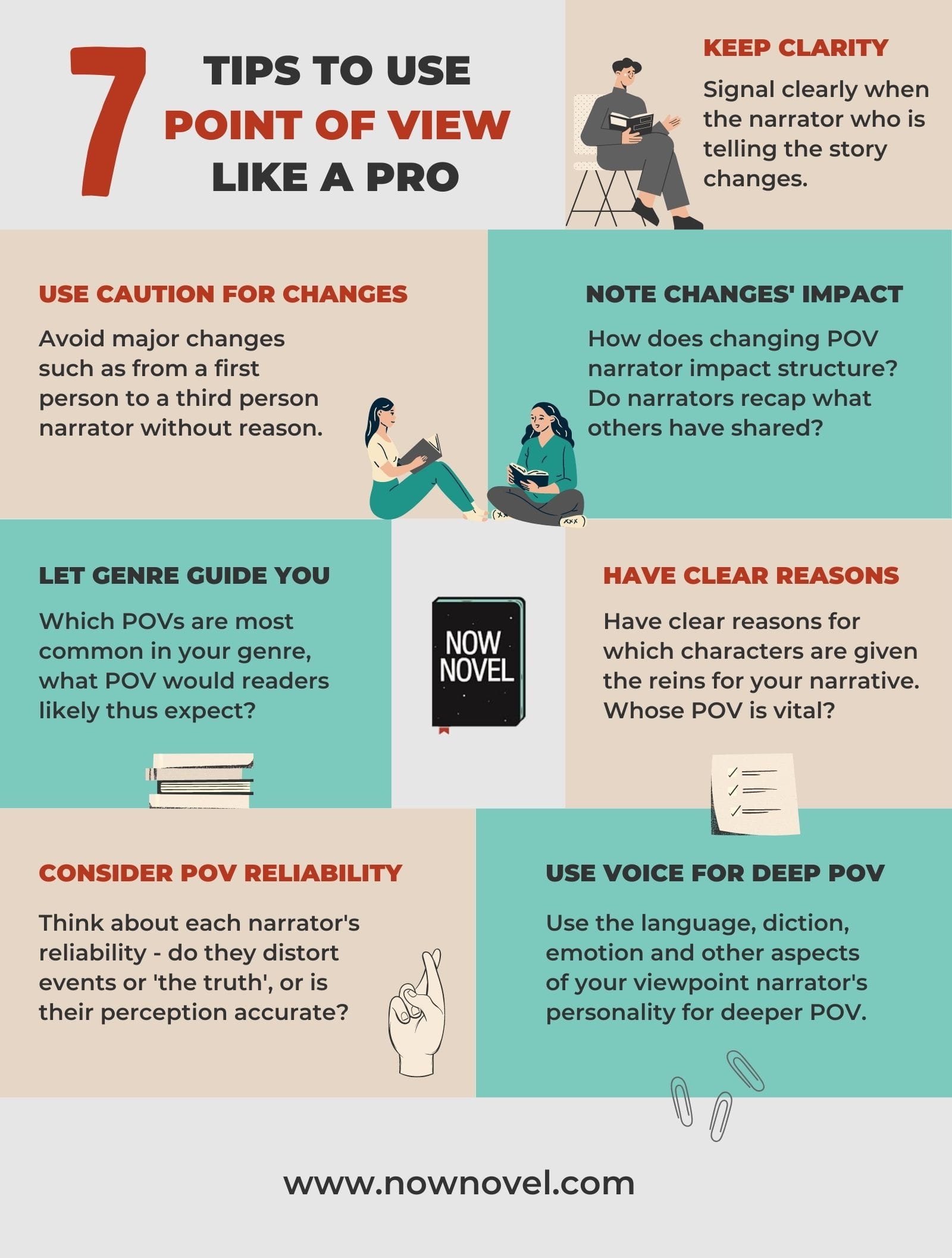
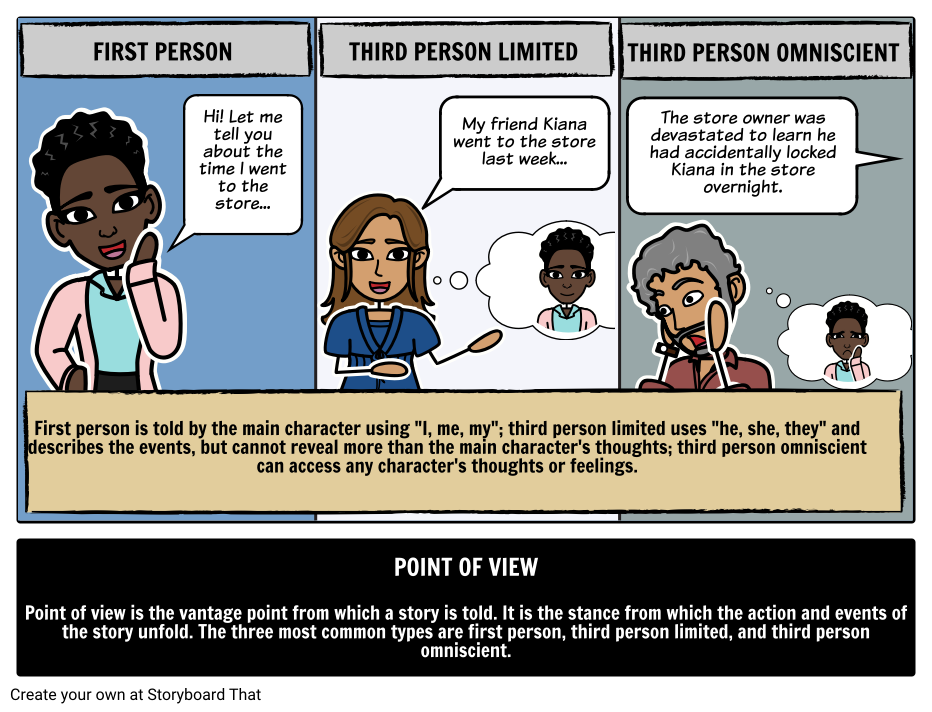
Just as authors choose between first, second, and third person, brand strategists must choose the perspective that best aligns with their market positioning. Each perspective offers different advantages in terms of engagement and authority.
The Brand as the Protagonist (First-Person Perspective)
When a brand adopts a first-person perspective, the story is centered on its own journey, innovations, and internal mission. This is common in “founder-led” brands or companies that are disrupting a traditional industry. The narrative often sounds like: “We saw a problem in the world, and we decided to fix it.”
This POV is highly effective for building brand equity based on transparency and passion. It allows the audience to peek behind the curtain and see the human element of the corporate identity. However, the risk of this perspective is appearing self-indulgent. To succeed, the brand’s “first-person” journey must ultimately align with the interests of the consumer.
The Customer as the Hero (Second-Person Perspective)
The most common and often most effective strategy in modern marketing is placing the customer at the center of the story. In this model, the brand acts as the “Guide” (think Obi-Wan Kenobi) while the customer is the “Hero” (Luke Skywalker). The point of view is directed outward: “You have a challenge, and you have the power to overcome it.”
By using a second-person perspective, the brand validates the customer’s experiences and aspirations. The story becomes about the customer’s transformation. This perspective fosters deep loyalty because it makes the consumer feel seen and understood. The brand’s role is to provide the tools, insights, or products necessary for the hero’s success.
The Objective Market Observer (Third-Person Perspective)
Some brands, particularly in the B2B or luxury sectors, adopt a more detached, authoritative, or “objective” point of view. They position themselves as observers of industry trends or curators of high-level taste. Their story is less about “us” or “you” and more about “the world as it should be.”
This perspective builds immense brand authority and prestige. It suggests that the brand operates on a level of expertise or sophistication that is beyond the common fray. While it can feel less “personal,” it is highly effective for establishing a corporate identity rooted in excellence, research, and timelessness.
Crafting a Unique Brand Point of View (POV)
Developing a point of view is a rigorous process of self-discovery and market analysis. It requires a brand to take a stand, which can be intimidating because taking a stand inherently means some people will disagree with you. However, as the saying goes in marketing, “If you speak to everyone, you speak to no one.”
Identifying Your Core Beliefs and Values
The first step in crafting a POV is internal. A brand must identify its “Non-Negotiables.” What does the company believe about the world that is different from its competitors? For example, a fintech brand might believe that “financial complexity is a form of social injustice.” This belief then colors every aspect of their brand story, from their user interface design to their customer support scripts.
These beliefs serve as the North Star for the brand’s content. When a brand knows what it stands for, it no longer has to “guess” what its point of view should be; the POV emerges naturally from its core values.
Finding the Gap in the Competitive Landscape
A compelling point of view often highlights a “villain” or a “status quo” that needs to be challenged. This doesn’t mean attacking a specific competitor; rather, it means identifying a common frustration or a widely accepted but flawed way of thinking.
If every brand in the skincare industry is talking about “anti-aging,” a brand with a unique POV might talk about “age-celebration.” By identifying this gap in the narrative landscape, the brand carves out a unique space in the consumer’s mind. The POV becomes the differentiator that makes price or features secondary to the brand’s message.
Establishing an Authentic Brand Voice
Once the POV is identified, it must be translated into a voice. If the POV is “Radical Transparency,” the voice should be direct, honest, and perhaps even blunt. If the POV is “The Joy of Discovery,” the voice should be curious, energetic, and whimsical.
Authenticity is the currency of brand storytelling. If the voice does not match the POV, the audience will sense a disconnect. This alignment between what a brand believes (POV) and how it speaks (Voice) is what creates a “Brand Personality” that consumers can actually trust.
Implementing POV Across Digital Marketing Touchpoints
A point of view is useless if it only exists in a brand strategy document. It must be woven into every touchpoint of the customer journey, from the first ad they see to the packaging they open.
Visual Storytelling and Design Identity
Point of view is communicated visually as much as it is through text. A brand that views the world through a lens of “Modern Minimalism” will use clean lines, ample white space, and a restrained color palette. Conversely, a brand that stands for “Maximum Creativity” might use vibrant, clashing colors and chaotic, high-energy layouts.
The design identity should act as a visual shorthand for the brand’s POV. When a user lands on a website, they should be able to sense the brand’s perspective before they read a single word of copy.
Content Marketing and Editorial Perspective
Content marketing is where a brand’s point of view truly shines. Instead of churning out generic “How-To” guides, a brand with a strong POV produces thought leadership that challenges the reader.
For instance, a marketing agency with a POV that “Data is meaningless without empathy” will produce articles that critique over-reliance on AI analytics and champion human-centric research. This editorial perspective transforms the brand from a service provider into a source of wisdom. It encourages the audience to return to the brand not just to buy, but to learn and be inspired.
Consistency as the Key to Brand Authority
The greatest threat to a brand’s POV is inconsistency. In a large organization, different departments (Sales, Marketing, HR, Product) may inadvertently project different points of view. This dilutes the brand story and weakens the corporate identity.
Maintaining a consistent POV requires a “Brand Bible” or a set of narrative guidelines that govern all communications. Every piece of content should be put through the “POV Test”: Does this reflect our core beliefs? Does this speak in our unique voice? Does this reinforce our specific lens on the world?
Case Studies: Brands with Unmistakable Points of View
To see the point of view in action, we can look at global brands that have successfully used their perspective to dominate their respective markets.
Patagonia: The Activist’s Lens
Patagonia’s point of view is perhaps the most famous in the world of brand strategy. Their story is not “We sell outdoor gear”; their story is “We are in business to save our home planet.” Their POV is that of the Environmental Activist.
This perspective is evident in everything they do—from their “Don’t Buy This Jacket” ad campaign to their decision to donate the entire company to a climate trust. Their POV is so strong that it transcends the product. Customers don’t just buy a fleece; they buy an affiliation with a specific worldview.
Apple: The Minimalist Visionary
Apple’s point of view has remained remarkably consistent for decades: “Complexity is a failure of design.” Their lens is that of the Visionary Minimalist. This POV dictates their product development (removing buttons, simplifying ports), their retail experience (open, clean spaces), and their advertising (stark backgrounds, focus on the product as art).
By maintaining this POV, Apple has built a corporate identity associated with premium quality and effortless sophistication. They don’t need to argue that their specs are better; their point of view suggests that their approach to technology is fundamentally superior.
Conclusion: The Strategic Necessity of POV
In conclusion, the “point of view in the story” is the most vital asset a brand possesses. It is the strategic foundation that elevates a business from a mere vendor to a meaningful part of a consumer’s life. By defining a clear perspective, choosing a consistent narrative lens, and executing that vision across all touchpoints, a brand can build an enduring legacy that resonates far beyond the transaction. In a crowded marketplace, your point of view is not just how you see the world—it is how the world sees you.
aViewFromTheCave is a participant in the Amazon Services LLC Associates Program, an affiliate advertising program designed to provide a means for sites to earn advertising fees by advertising and linking to Amazon.com. Amazon, the Amazon logo, AmazonSupply, and the AmazonSupply logo are trademarks of Amazon.com, Inc. or its affiliates. As an Amazon Associate we earn affiliate commissions from qualifying purchases.