
In the landscape of modern media, few titles evoke as much immediate recognition—or as much polarized debate—as Big Brother. Since its debut in the Netherlands in 1999, the format has expanded to over 60 countries, becoming a cornerstone of global television. However, to view Big Brother merely as a voyeuristic social experiment or a simple competition is to overlook its true function in the modern economy. From a professional brand strategy perspective, the “point” of Big Brother is to serve as a masterclass in franchise scalability, audience retention, and the construction of personal brand ecosystems.

This article explores the strategic objectives of the Big Brother franchise, analyzing how it maintains its corporate identity, facilitates the birth of individual brands, and adapts its marketing narrative to remain relevant in a shifting digital landscape.
The Evolution of a Global Franchise Identity
At its core, the Big Brother show is a triumph of corporate branding and format licensing. Created by John de Mol’s Endemol, the show was designed from its inception to be a repeatable, scalable product. The “point” for the creators was to establish a brand “Bible”—a set of rules, aesthetics, and emotional beats that could be exported to any market with guaranteed consistency.
Standardization vs. Localization
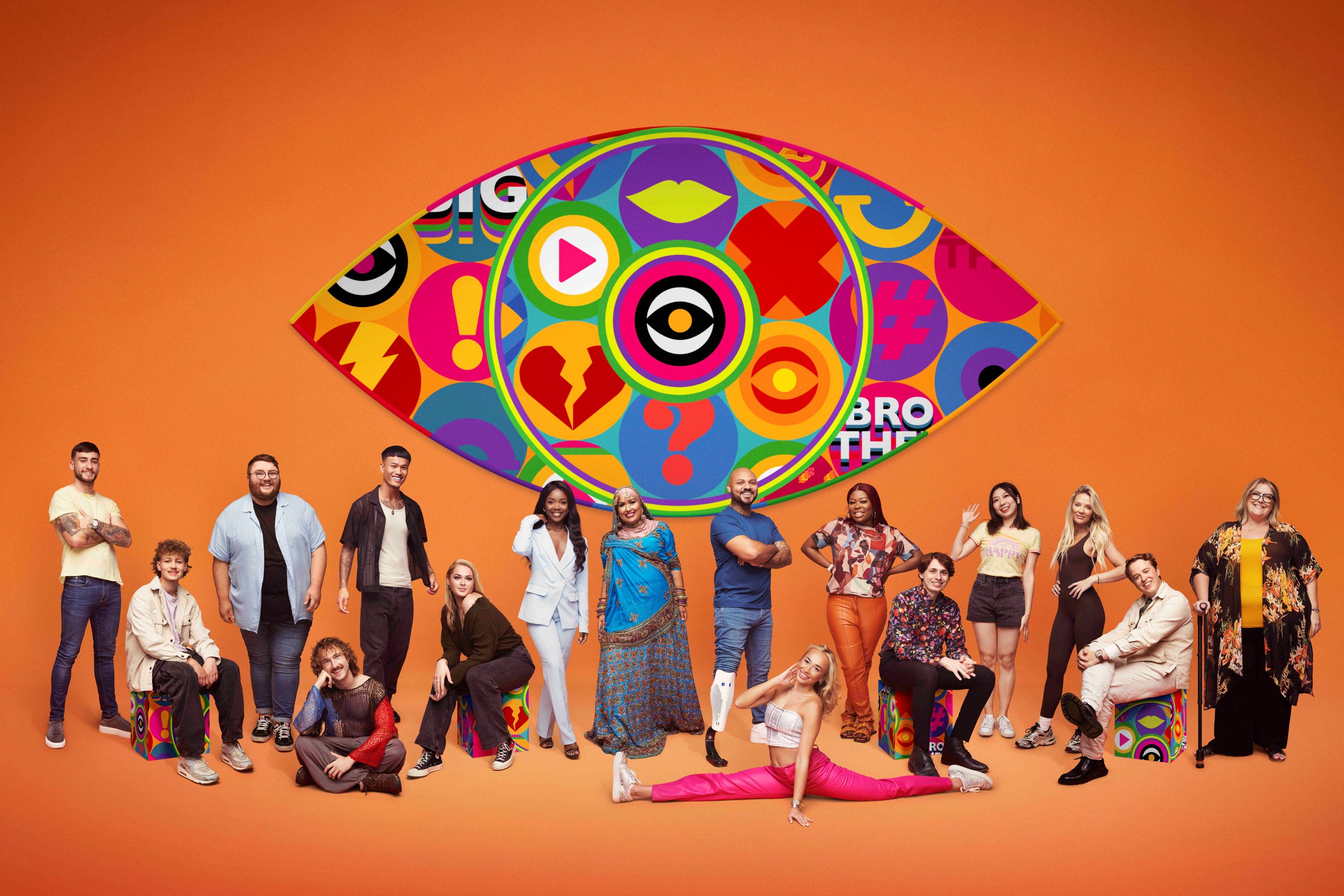
The genius of the Big Brother brand strategy lies in its “Glocal” approach. The brand identity is standardized: the iconic “Eye” logo, the concept of a house isolated from the world, and the omnipresent, disembodied voice of the titular character. These elements ensure that whether a viewer is in Brazil, Nigeria, or the United States, they recognize the brand immediately. However, the strategy allows for localization within that framework. By adapting the brand to local cultural nuances, the franchise ensures high market penetration, making it a lucrative asset for national broadcasters who want a “sure bet” in their programming lineup.
Maintaining Brand Consistency Across Decades
How does a brand remain recognizable for over 20 years? Consistency is key. The Big Brother brand has successfully navigated the transition from the “analog” world of the late 90s to the hyper-connected digital world of today without losing its core identity. Its strategy focuses on the “omnipresence” of the brand. Unlike scripted dramas that have off-seasons, the Big Brother brand utilizes 24/7 live feeds to create a constant loop of content. This creates a brand relationship with the viewer that is more intimate and time-intensive than almost any other product in the entertainment industry.
The Monetization of Human Behavior: Brand Strategy in Reality TV
From a marketing and corporate identity standpoint, the “point” of the show is to create a controlled environment where human behavior becomes the primary product. This allows for a unique form of brand integration and consumer engagement that traditional advertising cannot match.
Audience Engagement as a Brand Asset
In the world of brand strategy, “engagement” is the holy grail. Big Brother maximizes this through its interactive voting systems. By allowing the audience to influence the outcome, the show transforms passive viewers into active stakeholders. This creates a “sticky” brand experience. When a viewer votes to save a houseguest, they are psychologically investing in the brand’s narrative. This level of engagement provides networks with a highly quantifiable data set regarding audience preferences, which is then used to sell premium advertising slots to third-party brands.
Product Placement and Brand Integration
For corporate partners, the Big Brother house is a high-visibility laboratory. Because the contestants are isolated, any product introduced into the house—be it a specific soft drink, a brand of skincare, or a piece of exercise equipment—becomes a focal point of the narrative. This isn’t just advertising; it is brand integration. The “point” of the show, in this context, is to provide a 24/7 showcase where consumer goods are woven into the “reality” of the participants’ lives, effectively bypassing the mental filters that viewers usually apply to traditional commercials.
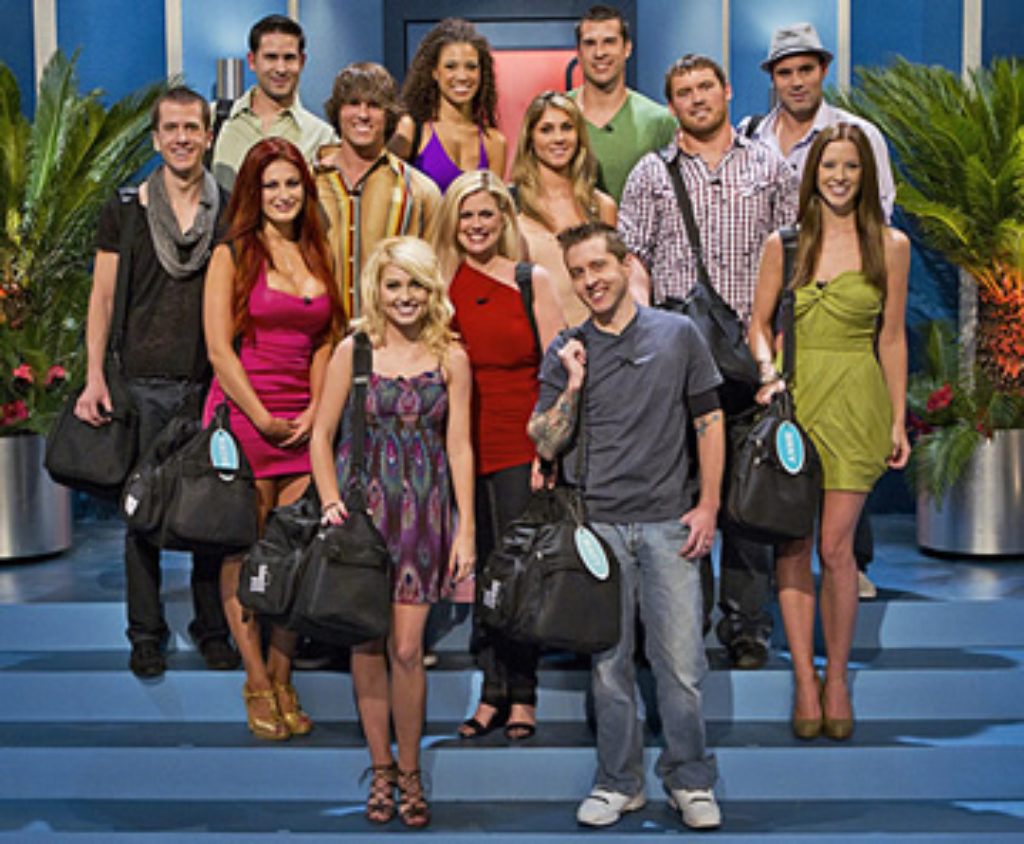
The Contestant as a Product: The Personal Branding Pipeline
Perhaps the most significant “point” of the show in the modern era is its role as a factory for personal branding. For the participants, the house is not just a place to win a cash prize; it is an incubator where they can build a brand from scratch.
From Houseguest to Influencer
In the early days of reality TV, contestants often returned to their normal lives. Today, the strategic objective for many participants is to use the Big Brother platform to launch a career in the “Attention Economy.” The show serves as a high-stakes audition for the role of a social media influencer. By the time a contestant leaves the house, they often have hundreds of thousands of followers across Instagram and TikTok. The brand of the “Individual” is birthed within the brand of the “Show.” This symbiotic relationship benefits the show as well, as former contestants continue to promote the Big Brother brand to their own niche audiences long after their season ends.
Managing Reputation in a Transparent Environment
The “point” of the show’s 24/7 surveillance serves as a grueling test of brand management. In a world where “cancel culture” can destroy a personal brand in minutes, Big Brother acts as a high-pressure environment where participants must constantly curate their behavior. Strategic contestants treat their time in the house as a long-form PR campaign. They understand that every word spoken is a contribution to their future brand equity. This makes the show a fascinating study in reputation management, showing how individuals can successfully (or unsuccessfully) navigate transparency and vulnerability to build a loyal fanbase.
Future-Proofing the Big Brother Brand in the Digital Age
As media consumption habits shift toward streaming and short-form content, the Big Brother brand has had to pivot its strategy to maintain its market position. The “point” of the show today is to act as a multi-platform bridge.
Multi-Platform Presence and Social Media Synergy
The modern Big Brother strategy involves more than just a nightly television broadcast. It is a digital-first ecosystem. The brand exists across Twitter threads, YouTube highlight reels, and live-streaming platforms. By fragmenting its content into “bite-sized” pieces, the brand ensures it captures the attention of younger demographics who may not watch linear television. The “point” is to remain top-of-mind by dominating the social media conversation, using trending hashtags to drive “Fear Of Missing Out” (FOMO) among potential viewers.
Adapting to Changing Consumer Values
A successful brand must reflect the values of its audience. In recent years, the Big Brother franchise has shifted its brand narrative to focus more on diversity, equity, and inclusion. This is a strategic move to ensure the brand remains socially relevant and attractive to corporate sponsors who are increasingly sensitive to social issues. By evolving its casting strategies and house rules, the Big Brother brand communicates that it is an evolving entity, capable of reflecting the complexities of the modern world. This adaptability is the reason the brand has outlasted hundreds of its competitors.
Conclusion: The Enduring Power of the Big Brother Format
When we ask, “what is the point of the Big Brother show?” the answer lies in the intersection of entertainment and strategic brand architecture. It is a show that pioneered the concept of 24/7 engagement, created a blueprint for global franchise expansion, and transformed the way we understand personal branding.
From a professional standpoint, Big Brother is a testament to the power of a strong, consistent brand identity. It proves that if a brand can successfully tap into fundamental human curiosity and provide a platform for audience participation, it can maintain its dominance across multiple decades and technological shifts. The “point” is not just to watch people in a house; it is to participate in a massive, multi-layered branding event that reshapes our cultural and commercial landscape one season at a time.
aViewFromTheCave is a participant in the Amazon Services LLC Associates Program, an affiliate advertising program designed to provide a means for sites to earn advertising fees by advertising and linking to Amazon.com. Amazon, the Amazon logo, AmazonSupply, and the AmazonSupply logo are trademarks of Amazon.com, Inc. or its affiliates. As an Amazon Associate we earn affiliate commissions from qualifying purchases.