
In the landscape of modern publishing and entertainment, few names carry as much weight in the Young Adult (YA) and middle-grade sectors as Rick Riordan. While casual readers may view the series as a simple collection of mythological adventures, brand strategists and marketing professionals see something far more complex: a masterclass in intellectual property (IP) architecture. When we ask, “What is the order of the Percy Jackson books?” we are not merely asking for a chronological list; we are inquiring about the structural rollout of a global brand that has successfully navigated the transition from ink-on-paper to a multi-billion dollar transmedia ecosystem.
Building a brand of this magnitude requires more than just good storytelling; it requires a strategic sequence of releases that foster brand loyalty, maximize market penetration, and ensure long-term sustainability.
The Core Franchise: Establishing the Brand Identity (2005–2009)
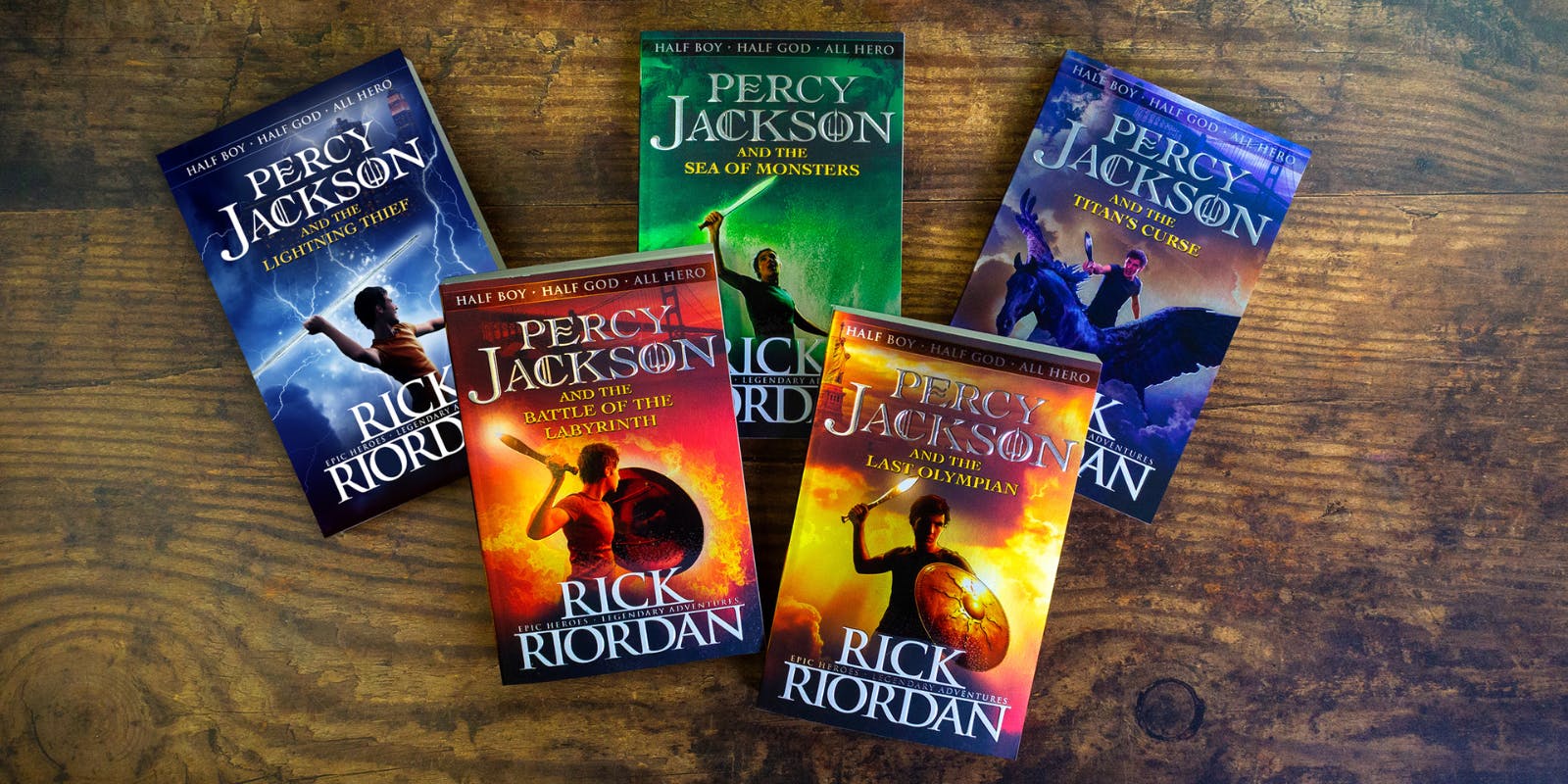
The foundation of any successful brand is its “hero product.” For the Rick Riordan universe, this was the original five-book series: Percy Jackson & The Olympians. The rollout of these five books followed a classic brand-building trajectory, moving from a niche entry point to a dominant market force.
The Minimum Viable Product: The Lightning Thief
When The Lightning Thief was released in 2005, it served as the “Minimum Viable Product” (MVP) for the Percy Jackson brand. It tested the market’s appetite for a modernized take on Greek mythology. By blending contemporary urban life with ancient myths, Riordan established a unique Brand Value Proposition (BVP) that differentiated his work from competitors like Harry Potter.
Sequential Scaling and Market Penetration
The subsequent books—The Sea of Monsters, The Titan’s Curse, The Battle of the Labyrinth, and The Last Olympian—were released annually. This consistency is a hallmark of successful brand management. By maintaining a predictable release schedule, the brand built “habitual consumption” among its target demographic. Each book served as a “version update” to the world, deepening the lore and increasing the emotional equity of the audience.
The Power of the “Camp Half-Blood” Sub-Brand
During this initial phase, the brand established its most potent visual and conceptual asset: the “Camp Half-Blood” identity. From the orange t-shirts to the beaded necklaces, this iconography allowed for a “lifestyle brand” approach. Fans didn’t just read the books; they identified as “campers,” a psychological move that transformed passive consumers into active brand ambassadors.
Brand Extension: The “Heroes of Olympus” and Multi-Cultural Diversification
Once the core brand reached its peak, the strategic challenge became one of expansion without dilution. This is the stage where many brands fail—by either stagnating or overextending. Riordan’s strategy was to utilize a “Horizontal Brand Extension” through the Heroes of Olympus series.
The Sequel Series as a Growth Strategy
The order of the books shifted from a singular focus to a broader ensemble. Starting with The Lost Hero and concluding with The Blood of Olympus, this five-book cycle introduced Roman mythology alongside the established Greek framework. From a brand perspective, this was a brilliant move to double the “intellectual inventory” of the franchise. It allowed the brand to capture new audience segments while maintaining the loyalty of the original user base.
Diversifying the Portfolio
Following the success of the Greco-Roman world, the brand expanded into Egyptian mythology (The Kane Chronicles) and Norse mythology (Magnus Chase and the Gods of Asgard). This represents a “Portfolio Diversification Strategy.” By applying the established Percy Jackson formula to different mythological frameworks, the brand minimized risk while maximizing reach. The order in which these books were released—often overlapping—created a “Shared Universe” effect, similar to the Marvel Cinematic Universe (MCU), which encourages cross-over consumption.
Managing the “Trials of Apollo” Lifecycle
The final major sequence in the central Percy Jackson narrative is The Trials of Apollo. This series served a dual purpose: it functioned as a “Legacy Product,” bringing closure to long-term fans, while also shifting the brand’s tone to a more introspective and mature perspective. This maneuver ensured that as the original audience aged, the brand’s “voice” evolved with them.

Chronology as Consumer UX: Navigating the Reading Order for Brand Loyalty
In the digital age, “User Experience” (UX) is not limited to software. For a massive book franchise, the “Reading Order” is the primary user journey. Navigating the sequence of over twenty books can be daunting for a new customer. The brand’s ability to manage this complexity is key to its continued success.
The Entry-Level Onboarding
A successful brand strategy must have a clear “onboarding” process. For the Percy Jackson universe, the original series remains the “Gateway Product.” Marketing efforts consistently drive new readers back to The Lightning Thief, ensuring a constant flow of new users into the sales funnel.
The Cross-Series Integration
The order of the books is strategically peppered with crossover events. Characters from the Greek series appear in the Norse and Egyptian series. This “interconnectedness” acts as a retention mechanism. Once a reader enters the ecosystem through one series, the narrative structure incentivizes them to explore the rest of the portfolio to get the “full story.”
Side-Stories and “Value-Add” Content
Between the major series, the brand released supplemental titles like The Demigod Files and Camp Half-Blood Confidential. In brand terms, these are “low-cost, high-margin” products. They utilize existing assets (lore and characters) to provide value-add content to the most loyal fans, maintaining brand engagement during the “off-season” between major novel releases.
Transmedia Evolution: From Paper to Disney+ and the Future of the IP
The ultimate goal of any modern brand is to transcend its original medium. The “order” of the Percy Jackson books has now been translated into a “Release Schedule” for high-budget television.
Rebranding and Course Correction
A critical aspect of brand strategy is the ability to pivot. The initial film adaptations of Percy Jackson are widely considered “brand failures” by the core community because they deviated from the brand’s core values (the source material). The new Disney+ series represents a “Brand Reboot.” By involving the founder (Rick Riordan) directly in the production, the brand is regaining the trust of its core demographic.
The “Rick Riordan Presents” Imprint: Platform as a Brand
In perhaps the most sophisticated branding move in the industry, Riordan launched the “Rick Riordan Presents” imprint. This shifted his role from a “Creator” to a “Curator” or “Platform Owner.” By publishing other authors who write myth-based adventures from diverse cultures, the Percy Jackson brand has effectively become a “category leader.” It no longer just sells its own books; it defines the entire genre.
Future-Proofing the Franchise
The ongoing release of new stand-alone novels, such as The Chalice of the Gods and Wrath of the Triple Goddess, demonstrates a “Return to Roots” strategy. By bringing back the original trio of characters, the brand is leveraging nostalgia to capture “Legacy Equity” while simultaneously feeding the new interest generated by the television show.

Conclusion: The Lifecycle of a Modern Legend
When we look at the order of the Percy Jackson books, we see more than just a sequence of stories. We see a masterfully executed brand strategy that has spanned two decades. From the “Inaugural Phase” of the original series to the “Expansion Phase” of the spin-offs, and finally to the “Ecosystem Phase” of the imprint and TV series, the brand has remained resilient.
For professionals in marketing and brand strategy, the Percy Jackson franchise offers several key takeaways:
- Consistency is King: The annual release of core products builds a reliable consumer habit.
- Scalability Requires Systems: By creating a “World-Building Bible,” the brand was able to expand horizontally into new myths without losing its identity.
- Customer Loyalty is Equity: By creating a sub-culture (Camp Half-Blood), the brand ensured a base of advocates that would stay through both successes and failures.
- Adapt or Die: The move from books to a curated imprint and a high-fidelity TV series shows the importance of evolving with technology and consumer expectations.
The order of the Percy Jackson books is not just a list for a library—it is the blueprint for one of the most successful brand architectures in the history of the creative industries. Whether you are a “Son of Poseidon” or a “Daughter of Athena,” there is no denying that the house Rick Riordan built is a titan of brand strategy.
aViewFromTheCave is a participant in the Amazon Services LLC Associates Program, an affiliate advertising program designed to provide a means for sites to earn advertising fees by advertising and linking to Amazon.com. Amazon, the Amazon logo, AmazonSupply, and the AmazonSupply logo are trademarks of Amazon.com, Inc. or its affiliates. As an Amazon Associate we earn affiliate commissions from qualifying purchases.