
In the landscape of modern cinema, few intellectual properties have managed to redefine a genre as fundamentally as the Jason Bourne franchise. For marketing professionals, brand strategists, and media analysts, the series represents more than just a collection of high-octane action films; it serves as a masterclass in brand positioning, market differentiation, and long-term equity management. Understanding the order of the Jason Bourne movies is not merely a task of chronological tracking—it is an exploration of how a brand was built, disrupted, and eventually solidified into a global powerhouse.

By examining the narrative sequence through the lens of brand strategy, we can see how Universal Pictures and the creative teams behind Robert Ludlum’s characters carved out a unique niche in a market previously dominated by the high-glamour, high-fantasy tropes of the James Bond era.
Establishing the Brand Identity: The Core Trilogy and Market Entry
The inception of the Bourne brand was a calculated move to capture a demographic that was growing weary of the increasingly campy direction of early 2000s action cinema. The brand’s “Value Proposition” was simple yet revolutionary: grounded realism, visceral stakes, and a protagonist who functioned as a “user-end” professional rather than a superhero.
The Bourne Identity (2002): Product Launch and Brand DNA
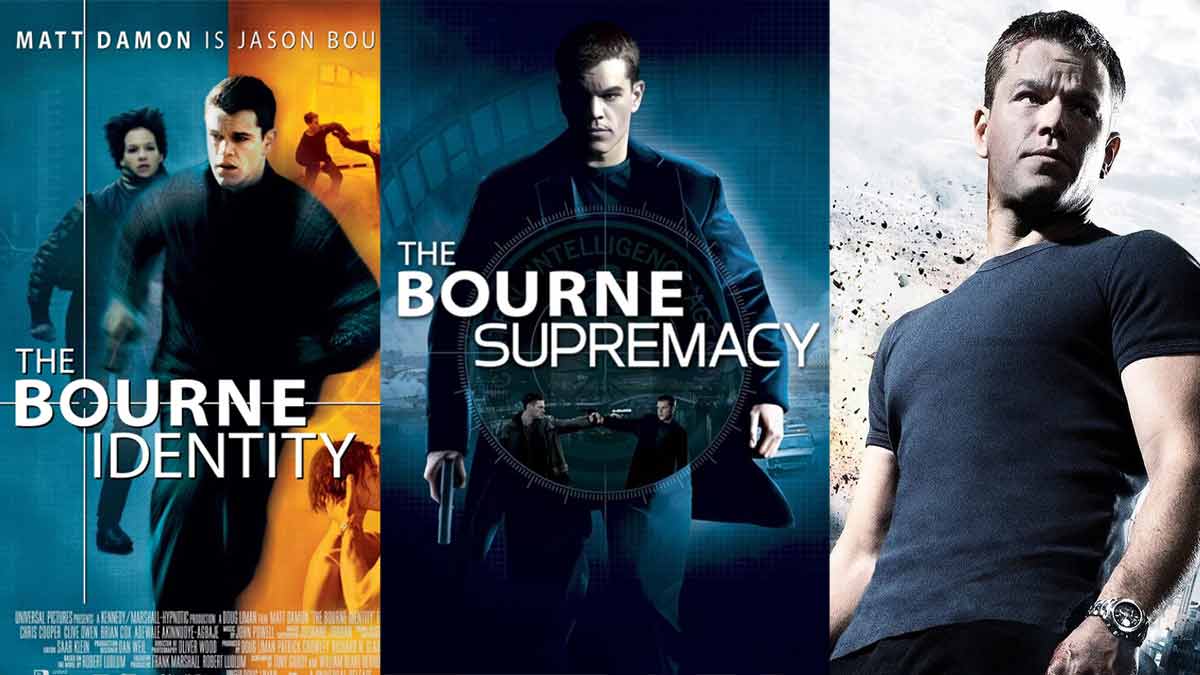
The Bourne Identity served as the foundational product launch. Directed by Doug Liman, the film introduced the world to a protagonist who was the antithesis of the established spy archetype. Instead of gadgets and martinis, the brand identity was built on tactical efficiency, psychological depth, and the “shaky-cam” aesthetic that would soon become its trademark logo. From a branding perspective, this film established the “Core Competencies” of Jason Bourne: his amnesia (the mystery element) and his lethal skill set (the performance element). It successfully differentiated the product by focusing on the “human cost” of espionage.
The Bourne Supremacy (2004): Defining the Visual Language
As the second installment, The Bourne Supremacy took the brand’s visual identity to the next level under the direction of Paul Greengrass. In marketing terms, this was the “Optimization” phase. Greengrass introduced a frantic, kinetic editing style that became the franchise’s visual signature—its corporate typeface, if you will. This film expanded the brand’s reach by moving the setting to more gritty, international locales like Berlin and Moscow, reinforcing the brand’s commitment to “Authentic Realism.”
The Bourne Ultimatum (2007): Reaching Peak Market Share
The Bourne Ultimatum represents the peak of the brand’s lifecycle. It closed the initial narrative loop while achieving critical and commercial synergy. Strategically, it delivered on every promise made in the initial launch. It resolved the “Mystery” USP (Unique Selling Proposition) by finally revealing Bourne’s true origins. At this point, the Bourne brand had achieved such high equity that it was no longer just a series of movies; it was a cultural benchmark. Competitors, most notably the James Bond franchise with Casino Royale, began to “rebrand” their own products to mimic Bourne’s gritty, grounded approach.
Strategic Brand Extensions: Navigating Risks and Market Retention
In any successful brand lifecycle, there comes a point where the core product must evolve to maintain growth. After the success of the original trilogy, the franchise faced a classic branding dilemma: how do you continue a story that has reached its logical conclusion?
The Bourne Legacy (2012): The Spin-Off Strategy
The Bourne Legacy represents a bold brand extension. With Matt Damon (the face of the brand) and Paul Greengrass (the architect of the brand’s aesthetic) absent, the studio faced a significant challenge in “Brand Loyalty.” To mitigate this, they introduced a new protagonist, Aaron Cross (played by Jeremy Renner), and expanded the “Bourne Universe.”
From a strategic standpoint, this was an attempt to prove that the “Bourne” brand was bigger than any one actor. It introduced new “Product Features”—specifically the use of viral-inspired “chems” to enhance physical and mental performance—moving the brand slightly toward the sci-fi thriller niche. While the film was a moderate success, it served as a case study in the risks of “Brand Dilution,” as fans struggled to connect with a Bourne movie that didn’t actually feature Jason Bourne.
Jason Bourne (2016): The Heritage Relaunch
Recognizing the power of “Legacy Branding,” the franchise returned to its roots in 2016 with the aptly titled Jason Bourne. This move saw the return of both Matt Damon and Paul Greengrass. In business terms, this was a “Heritage Relaunch.” The film leaned heavily into nostalgia while attempting to update the brand for the digital age, focusing on themes of cybersecurity, social media surveillance, and data privacy. By returning to the original brand ambassadors, the studio successfully re-engaged the core customer base, ensuring the franchise remained a viable asset for future development.
Managing Narrative Assets: The Importance of Sequential Integrity
For a brand to maintain its value over decades, it must manage its “Narrative Assets” with precision. The order of the Jason Bourne movies is a linear progression that builds cumulative equity. Unlike franchises that rely on multiverses or reboots, Bourne has maintained a strict, singular timeline.
Maintaining Continuity as Brand Equity
Consistency is the hallmark of a strong brand. The Bourne franchise has been meticulous in ensuring that the events of 2002 still hold weight in 2016. This “Historical Continuity” builds trust with the audience. When a viewer watches the movies in order, they are participating in a long-term relationship with the brand. Each film acts as a “Value-Add” to the previous ones, deepening the consumer’s understanding of the protagonist’s journey.
Strategic Pacing and Narrative “Drops”
The order of the films follows a strategic “Information Drop” schedule.
- The Bourne Identity: Discovery.
- The Bourne Supremacy: Conflict and Consequence.
- The Bourne Ultimatum: Resolution and Revelation.
- The Bourne Legacy: Expansion of the Corporate Conspiracy.
- Jason Bourne: Modernization and Legacy Re-evaluation.
By staggering these narrative elements, the brand managers ensured that the audience always had a reason to return for the next “Product Update.” This kept the brand relevant across different eras of the early 21st century.
Rebranding the Action Genre: Bourne’s Lasting Market Influence
The true measure of a brand’s success is its ability to influence the wider market. The Bourne franchise did not just sell movie tickets; it shifted the “Consumer Expectations” for an entire industry.
Disruptive Innovation in Filmmaking
The Bourne series acted as a “Disruptive Innovator.” Before Bourne, action movies were often characterized by “The Hero’s Journey” involving superhuman feats and indestructible protagonists. Bourne introduced the “Professional in Peril”—a character who succeeded through training and intellect rather than luck or gadgets. This shift forced other major brands in the entertainment sector to pivot. The “Gritty Reboot” trend of the 2000s owes its existence to the Bourne brand’s market disruption.
Personal Branding: The Matt Damon KPI
A significant portion of the brand’s success is tied to the personal brand of Matt Damon. Damon’s “Brand Alignment” with Bourne was perfect; he brought an understated, intellectual, and physically capable persona that matched the film’s requirements. For Universal Pictures, Damon was more than an actor—he was a Key Performance Indicator (KPI) for the franchise’s health. His involvement guaranteed a level of quality and tonal consistency that is rare in long-running action series.

Conclusion: The Enduring Power of the Bourne Brand
The order of the Jason Bourne movies—Identity, Supremacy, Ultimatum, Legacy, and Jason Bourne—tells a story of strategic brilliance. It is the story of a brand that identified a gap in the market, filled it with a superior and differentiated product, and then managed its assets through periods of expansion and consolidation.
For those looking to study brand longevity, the Bourne franchise offers vital lessons:
- Differentiate Early: Establish a unique visual and tonal language.
- Maintain Consistency: Value continuity to build long-term consumer trust.
- Pivot Carefully: Use brand extensions (like Legacy) to explore new territory, but never forget the core “Heritage” that built the brand.
- Evolve with the Market: Update the brand’s themes (from Cold War leftovers to modern data privacy) to stay relevant to new generations of consumers.
Whether viewed as a series of films or a sequence of strategic market moves, the Jason Bourne franchise remains a titan of industry branding, proving that even in the world of high-stakes action, a well-managed brand is the most powerful weapon of all.
aViewFromTheCave is a participant in the Amazon Services LLC Associates Program, an affiliate advertising program designed to provide a means for sites to earn advertising fees by advertising and linking to Amazon.com. Amazon, the Amazon logo, AmazonSupply, and the AmazonSupply logo are trademarks of Amazon.com, Inc. or its affiliates. As an Amazon Associate we earn affiliate commissions from qualifying purchases.