
For most individuals, a vehicle is the second-largest financial asset they will own, surpassed only by real estate. However, unlike real estate, which often appreciates, a car is a depreciating asset. Selling a car is not merely a logistical task; it is a critical financial transaction that requires a strategic approach to ensure you recoup the maximum possible value. Whether you are looking to liquidate an asset for cash flow or seeking to roll the equity into a new investment, understanding the financial mechanics of the automotive secondary market is essential.

This guide explores the process of selling a car through the lens of personal finance and business strategy, providing a roadmap to navigate valuations, sales channels, and transaction security.
Determining the Asset Value: Market Research and Appraisal
Before listing a vehicle, you must conduct a rigorous financial assessment. Pricing a car too high leads to stagnation and increased holding costs, while pricing it too low results in “leaving money on the table.” Accurate valuation is the cornerstone of a successful sale.
Leveraging Valuation Tools for Accurate Pricing
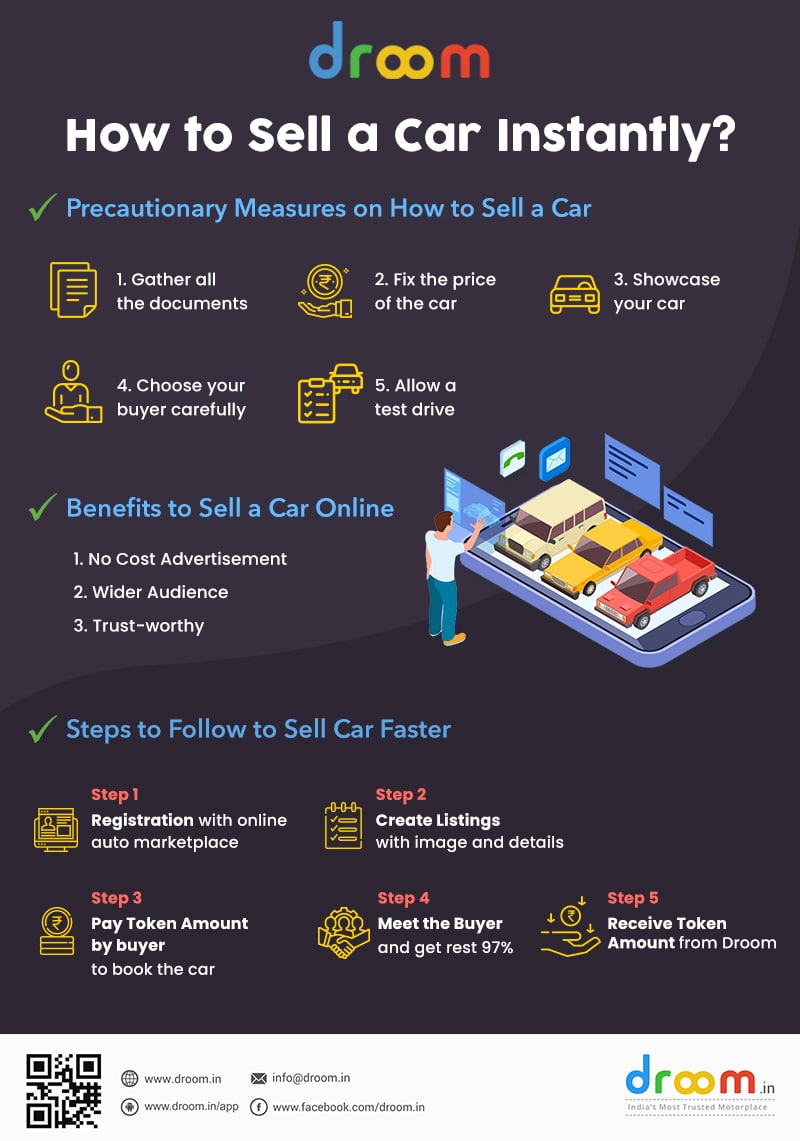
In the modern economy, data is your most valuable tool. Platforms such as Kelley Blue Book (KBB), Edmunds, and NADA Guides provide algorithmic valuations based on historical sales data, regional demand, and seasonal trends. However, these figures are baseline estimates. To find a “strike price,” you must cross-reference these tools with live market data from platforms like Autotrader or Cars.com. By analyzing what similar year, make, and model vehicles are currently selling for in your specific zip code, you can establish a competitive price point that reflects real-time supply and demand.
Assessing the Impact of Depreciation and Vehicle Condition
Depreciation is the silent thief of automotive value. Most cars lose about 15% to 20% of their value in the first year and roughly 10% annually thereafter. When selling, you must objectively categorize your vehicle’s condition: Excellent, Good, Fair, or Poor. Financial honesty here is paramount. Overestimating the condition of your asset will lead to friction during the negotiation phase, often resulting in lower final offers as buyers “chip away” at the price for every perceived flaw. Understanding the “diminished value” caused by accidents or high mileage is crucial for setting realistic financial expectations.
Strategic Sales Channels: Private Sale vs. Dealer Trade-in vs. Instant Cash Offers
The method you choose to sell your car will directly impact your “net proceeds.” Each channel offers a different trade-off between convenience and capital gain.
The Economics of the Private Party Sale
The private party sale is almost always the most lucrative path. By cutting out the middleman (the dealership), you capture the full retail value of the vehicle. If a dealer would offer you $15,000 for a trade-in and sell it for $19,000, selling it yourself for $18,000 nets you an additional $3,000 in profit. However, this path involves a higher “opportunity cost.” You must factor in the time spent cleaning the car, taking photographs, managing listings, and meeting with potential buyers. For those who prioritize maximum ROI, the private sale remains the gold standard.
Trade-ins and Tax Advantages
Trading in a vehicle at a dealership is the path of least resistance, but it usually yields the lowest offer. Dealers must factor in their own overhead, reconditioning costs, and profit margins. However, there is a specific financial “hack” to consider: sales tax credits. In many jurisdictions, the value of your trade-in is deducted from the purchase price of your new car for tax purposes. For example, if you buy a $40,000 car and trade in your old one for $20,000, you only pay sales tax on the $20,000 difference. Depending on your local tax rate, this can narrow the gap between a trade-in offer and a private sale price significantly.
The Rise of Instant Cash Offer Platforms
Digital disruption has introduced a third category: online wholesalers like Carvana, Vroom, and Shift. These companies use proprietary algorithms to provide instant, guaranteed offers. Financially, these often sit comfortably between a low-ball dealer trade-in and a high-effort private sale. For a seller who values liquidity and speed—potentially receiving funds within 24 to 48 hours—these platforms offer a highly efficient way to offload an asset without the volatility of the private market.

Preparing the Asset for Liquidation: Cost-Benefit Analysis of Repairs
To maximize your return, you may need to invest capital into the vehicle before selling. However, not all repairs offer a positive Return on Investment (ROI).
Essential Maintenance vs. Cosmetic Enhancements
From a financial perspective, you should focus on “high-impact, low-cost” improvements. Professional detailing is perhaps the best investment you can make; spending $200 on a deep clean can often increase the perceived value of a car by $1,000 or more. Conversely, major mechanical overhauls—such as replacing a transmission right before a sale—rarely return 100% of their cost. If a car requires significant work, it is often more financially sound to disclose the issues and lower the asking price, rather than absorbing the full repair cost yourself.
The Importance of Service Documentation in Value Retention
In the financial world, transparency reduces risk, and lower risk commands a higher price. A vehicle with a complete, organized history of maintenance records (oil changes, brake replacements, tire rotations) acts as a “de-risked” asset. Prospective buyers are often willing to pay a premium for a car that comes with a “paper trail,” as it minimizes the likelihood of expensive, unforeseen mechanical failures in the near future. Keeping these records throughout your ownership is a form of long-term value preservation.
Navigating the Transaction: Security, Payment Methods, and Legalities
The final stage of selling a car is the transfer of funds and title. This is where the risk of financial loss is highest, particularly due to fraud or administrative errors.
Verifying Funds and Secure Payment Transfers
When dealing with private buyers, the method of payment is critical. Personal checks should be avoided due to the risk of insufficient funds or forgery. A cashier’s check is safer, but still susceptible to fraud; the most secure method is to meet the buyer at their bank and witness the teller issue the check or perform a direct wire transfer. For smaller transactions, digital escrow services or verified peer-to-peer payment apps can be used, provided they offer seller protection. Never release the vehicle or the title until you have confirmed the funds are cleared and settled in your account.
Understanding Title Transfers and Liability Releases
The legal transfer of the asset is just as important as the financial one. Once the money has changed hands, you must ensure you are no longer legally or financially liable for the vehicle. This involves signing over the title and, crucially, filing a “Release of Liability” with your local Department of Motor Vehicles (DMV). This document notifies the state that you are no longer responsible for any future tickets, accidents, or legal issues involving the car. Failing to do this can result in unexpected financial liabilities long after the car has left your driveway.
Post-Sale Financial Management: Reinvesting Your Capital
Once the sale is complete, you are left with a significant influx of cash. The final step in the process is deciding how to best utilize this capital within your broader financial strategy.
Reallocating Proceeds into Your Next Vehicle Strategy
If you are selling to upgrade, the timing of your next purchase is vital. Using the proceeds from your sale as a substantial down payment can significantly reduce the principal of your next auto loan, lowering your monthly interest expense. In a high-interest-rate environment, minimizing the amount financed is one of the most effective ways to preserve your long-term wealth. Alternatively, if you are downsizing, the surplus cash can be redirected into high-yield savings accounts or diversified investment portfolios.
Considering Tax Implications and Capital Gains
While most personal vehicle sales result in a loss (selling for less than you paid), there are instances where a car might sell for a profit, particularly with classic cars or in unusual market conditions like the post-pandemic inventory shortage. If you sell a vehicle for more than its “cost basis” (the original purchase price plus any capital improvements), you may technically owe capital gains tax. While this is rare for daily drivers, it is a crucial financial detail for collectors or business owners. Consulting with a tax professional can ensure that your car sale doesn’t result in an unexpected liability during tax season.
By approaching the sale of a car as a strategic financial exit rather than a simple transaction, you can navigate the complexities of the market with confidence. From data-driven valuation to the final reallocation of capital, every step provides an opportunity to protect your net worth and maximize the value of your automotive investment.
aViewFromTheCave is a participant in the Amazon Services LLC Associates Program, an affiliate advertising program designed to provide a means for sites to earn advertising fees by advertising and linking to Amazon.com. Amazon, the Amazon logo, AmazonSupply, and the AmazonSupply logo are trademarks of Amazon.com, Inc. or its affiliates. As an Amazon Associate we earn affiliate commissions from qualifying purchases.