
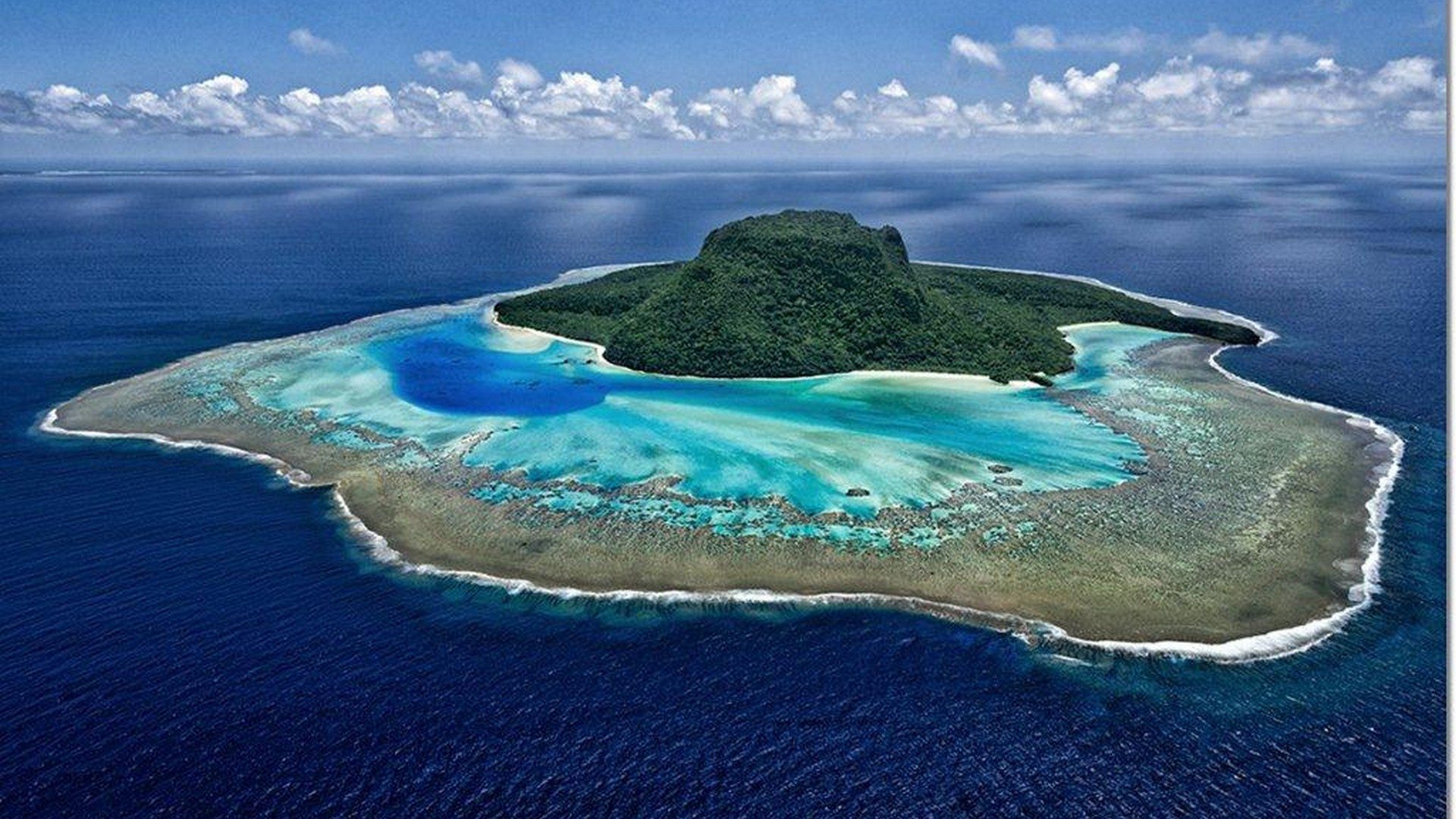
When we discuss the “most isolated island in the world,” the conversation usually gravitates toward geography, biology, or the sheer psychological weight of solitude. Tristan da Cunha, a small volcanic archipelago in the South Atlantic Ocean, holds the title for the most remote inhabited settlement on Earth. Located 1,511 miles from South Africa and 1,343 miles from Saint Helena, it is a place where “neighborly” takes on a multi-thousand-mile definition.
However, beyond the maps and the mist lies a fascinating case study in fiscal resilience and unconventional financial systems. For those interested in personal finance, investment, and global markets, Tristan da Cunha offers a masterclass in the “Economy of Isolation.” In a world where high-frequency trading and instant global logistics are the norms, how does a community manage wealth, generate income, and ensure long-term financial solvency when the nearest ATM is a seven-day boat ride away?

The Micro-Economy of Tristan da Cunha: Managing Wealth in Total Solitude
The financial landscape of Tristan da Cunha is built on a foundation that contradicts almost every principle of modern Western consumerism. With a population of approximately 250 residents, the island operates a closed-loop micro-economy that prioritizes stability over speculative growth.
The Sovereignty of the Pound and the Logistics of Currency
While the official currency is the British Pound (GBP), the physical management of cash is a logistical hurdle. There are no banks in the traditional sense; there are no credit card processors at local stalls, and digital payment gateways often fail due to intermittent satellite latency.
From a personal finance perspective, the residents must engage in meticulous long-term budgeting. On the island, “liquidity” isn’t about how fast you can sell a stock; it’s about how much physical currency and credit you have allocated for the arrival of the supply ship. The community relies on a centralized accounting system managed by the Island Administration, which acts as a de facto financial hub for payroll and local transactions.
Subsistence vs. Market: A Hybrid Financial Model
Tristan da Cunha utilizes a unique hybrid model that blends communal subsistence with market participation. Every family is entitled to land for farming and livestock. This acts as a “natural insurance policy” against global market volatility. In the niche of personal finance, this is the ultimate form of diversification. If the global price of goods spikes or the supply chain breaks, the residents’ “portfolio” of potatoes and livestock ensures basic survival, decoupling their immediate well-being from the fluctuations of the FTSE 100.
Revenue Streams in the Middle of the Atlantic: How an Isolated Island Stays Solvent
For any entity—be it a person, a company, or an island—to remain financially healthy, it must have diverse revenue streams. Tristan da Cunha cannot rely on tourism in the traditional sense, as there is no airstrip and the harbor is often inaccessible due to weather. Instead, they have mastered the art of “niche exports.”
The Lobster Export: A Single-Commodity GDP
The backbone of the island’s “corporate” finance is the Tristan Rock Lobster (Jasus tristani). The island manages its own MSC-certified fishery, exporting to markets in the United States, Europe, and Japan.
This represents a sophisticated understanding of market positioning. By focusing on a high-value, luxury commodity that can be frozen and shipped in bulk, the island overcomes the high cost of transportation. For investors, the lesson here is “Value Density.” When shipping costs are your highest overhead, your product must have a high profit margin per cubic foot. The lobster industry provides the majority of the island’s foreign exchange, funding public services and infrastructure.
Philatelic and Numismatic Income: Selling Scarcity
One of the most ingenious revenue streams for the island is its post office. Tristan da Cunha is world-renowned among philatelists (stamp collectors) and numismatists (coin collectors). Because the island is so remote, its postage stamps and commemorative coins are incredibly rare and highly sought after.
This is a pure play on the economics of scarcity. By leveraging their geographic “weakness” (isolation) into a brand asset (exclusivity), the island generates significant passive-style income from global collectors. It serves as a reminder to the modern entrepreneur: sometimes, your greatest logistical hurdle is actually your most marketable unique selling proposition.
The Cost of Connectivity: Infrastructure Investment in Extreme Geographies
In business finance, “Capital Expenditure” (CapEx) refers to the money a company spends on physical assets. For the world’s most isolated island, CapEx is an astronomical challenge that requires a unique approach to debt and investment.
Shipping and Logistics: The High Price of “Imported” Life
Every item not produced on the island—from fuel and medicine to flour and electronics—must be imported. The “Agulhas II” and other vessels make only a few trips per year. This creates a “Time-Value of Money” problem unlike anywhere else.
If a resident wants to purchase a new piece of technology or a business wants to upgrade equipment, they must account for a “lead time” of several months and a shipping premium that can double the cost of the item. This forces a culture of “Fix and Maintain” rather than “Replace,” a concept often lost in modern personal finance but essential for long-term wealth preservation.
Digital Finance Barriers: Banking Without a Local Branch
While the world moves toward Decentralized Finance (DeFi) and 24/7 banking apps, Tristan da Cunha faces the “last mile” problem of digital connectivity. High-speed internet is limited and expensive.
For the island’s administration, managing the treasury involves balancing local needs with international investments. They must maintain enough “ready cash” for local wages while keeping their reserves in stable, interest-bearing accounts in the UK. This creates a fascinating case of “split-level finance”: a 19th-century physical economy running in parallel with 21st-century international fund management.
Investment Strategies for Remote Communities: Resilience Over Growth
If we look at the island as an investment portfolio, its “alpha” (the excess return over a benchmark) is not measured in percentage growth, but in years of sustainability.
Collective Ownership and Land Tenure
On Tristan da Cunha, all land is communally owned. No outsider is allowed to buy land or settle without the permission of the Island Council. While this limits “real estate investment” in the traditional sense, it prevents the “gentrification” and “asset bubbling” that plague mainland economies.
From a financial strategy standpoint, this is a “Protective Put.” By banning land speculation, the community ensures that the cost of living remains low and accessible for all residents. It is a socialized investment in stability that mitigates the risk of homelessness or economic displacement.
Risk Management: Preparing for Supply Chain Collapses
The residents of the world’s most isolated island are perhaps the world’s best risk managers. They understand “Tail Risk”—the chance of a highly unlikely but catastrophic event—better than most Wall Street analysts. Whether it’s a volcanic eruption (as happened in 1961) or a global pandemic that halts shipping, the island’s financial and physical reserves are built for “Black Swan” events.
For a personal investor, the takeaway is the importance of an emergency fund that is not just “three months of expenses,” but a diversified cache of physical assets, liquid cash, and self-sufficiency skills.

Lessons for Modern Investors: What “Island Economics” Teaches Us About Diversification
The story of Tristan da Cunha, the most isolated island in the world, is more than a geographic curiosity; it is a blueprint for financial endurance. In our hyper-connected world, we often mistake “access” for “security.” We think that because we can trade stocks on our phones, our wealth is safe.
Tristan da Cunha teaches us the following “Money” principles:
- Niche Dominance: If you are small, you must be the best in a very specific category (like the Tristan Lobster).
- Scarcity is Value: Remoteness and difficulty of access can be monetized if handled correctly.
- The Importance of Tangible Assets: When the digital grid or the supply chain falters, the value of land, livestock, and community-owned infrastructure becomes the only currency that matters.
- Operational Resilience: True financial freedom is the ability to survive and thrive when the “mainland” is out of reach.
As we navigate an increasingly volatile global economy, looking toward the most isolated point on the map might just provide the clarity needed to build a more robust, resilient, and sustainable financial future. The economics of isolation isn’t about being alone; it’s about being so well-prepared that you don’t need anyone else to stay afloat.
aViewFromTheCave is a participant in the Amazon Services LLC Associates Program, an affiliate advertising program designed to provide a means for sites to earn advertising fees by advertising and linking to Amazon.com. Amazon, the Amazon logo, AmazonSupply, and the AmazonSupply logo are trademarks of Amazon.com, Inc. or its affiliates. As an Amazon Associate we earn affiliate commissions from qualifying purchases.