
In the world of high finance and alternative investments, the spotlight often falls on gold, real estate, or tech stocks. However, a specialized corner of the luxury commodity market revolves around an unexpected asset: dairy. When we ask, “What is the most expensive cheese?” we are not merely discussing a culinary curiosity; we are exploring a complex intersection of supply chain bottlenecks, extreme labor costs, and the psychology of scarcity-driven valuation.
For the discerning investor or business enthusiast, the world’s most expensive cheeses represent more than just food—they are case studies in high-margin production and niche market domination.
The Valuation of Rarity: Why Some Cheeses Command Five-Figure Prices
The price of any commodity is dictated by the fundamental laws of supply and demand, but luxury cheese pushes these economic principles to their absolute limits. While a standard block of cheddar might retail for a few dollars per pound, the world’s elite cheeses can fetch upwards of $600 to $1,000 per kilogram. This price disparity is rooted in three primary financial drivers.
Supply Scarcity and Geographic Isolation
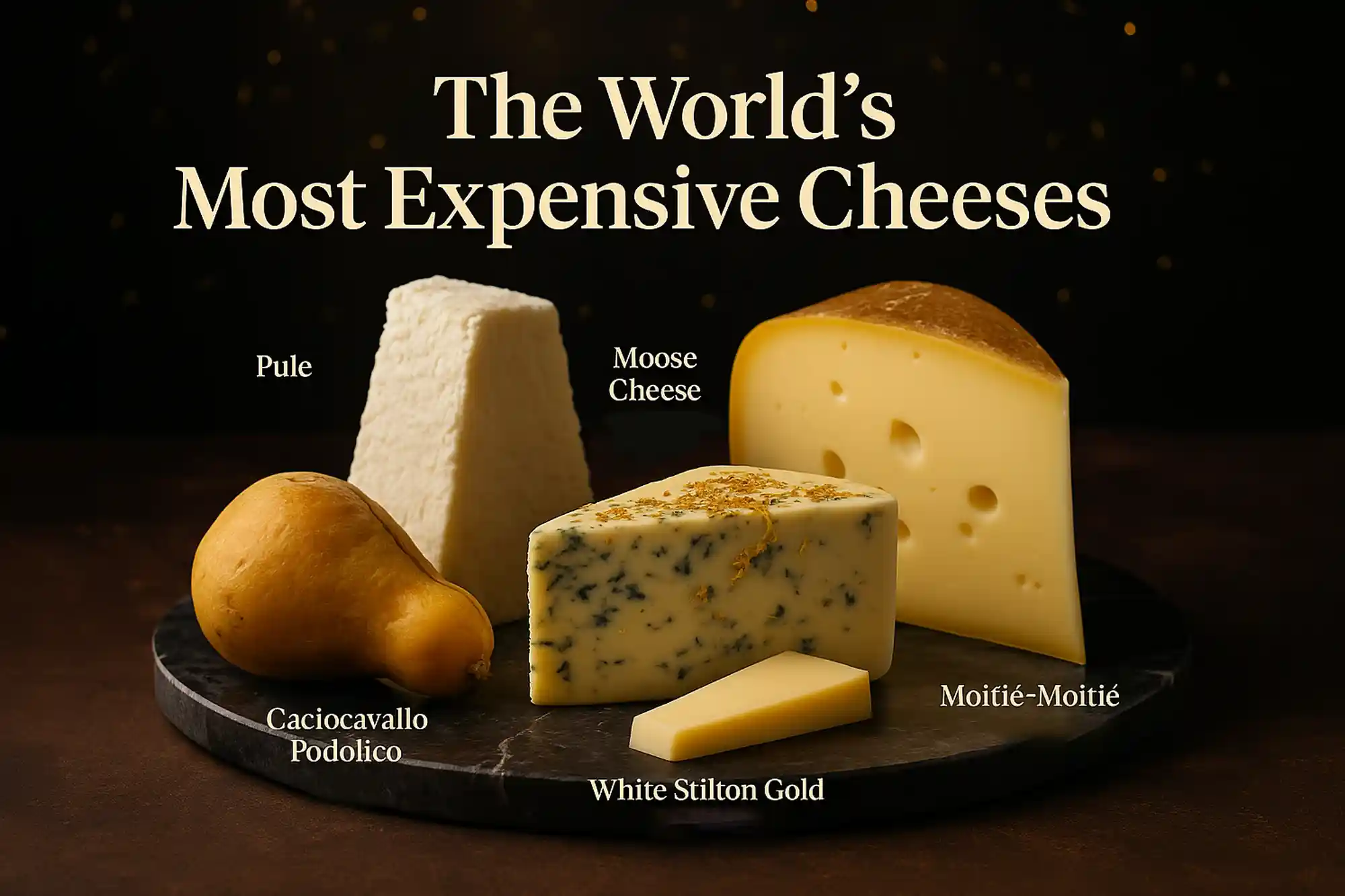
The most expensive cheese in the world, Pule, is produced in a single location: the Zasavica Special Nature Reserve in Serbia. The scarcity is not artificial; it is biological. Pule is made from the milk of Balkan donkeys, an endangered species. These animals produce a negligible amount of milk compared to cows or goats, and they must be milked by hand three times a day. From a business perspective, the “output per unit of livestock” is incredibly low, creating a natural ceiling on supply that keeps prices perpetually high.
Labor-Intensive Production and Maturation
In finance, time is money. This is literally true in the cheese industry. The maturation process—where a cheese sits in a temperature-controlled environment for months or years—represents a significant “carry cost.” The producer must pay for storage, climate control, and labor to turn and brush the wheels, all while their capital is locked in the product. When a cheese like Bitto Storico is aged for ten years, the price must account for a decade of overhead and the opportunity cost of not selling the product sooner.
The Cost of Ingredient Purity
Luxury cheeses often utilize ingredients that carry their own high market valuations. For example, “White Stilton Gold” is infused with real edible gold leaf and gold liqueur. In this instance, the cheese becomes a vehicle for a precious metal, blending the food industry with the luxury goods sector to justify a premium price point that targets ultra-high-net-worth individuals.
Case Studies in High-Value Dairy: From Pule to Moose Cheese
To understand the fiscal landscape of the cheese market, one must look at the specific products that define the “ultra-premium” category. These are not mass-market goods; they are artisanal assets with localized production models.
Pule: The Serbian Gold Standard
Pule currently holds the title of the world’s most expensive cheese, often priced at approximately $600 per pound. The economic moat surrounding Pule is its unique formula: it takes 25 liters of donkey milk to produce just one kilogram of cheese. Because donkey milk is low in fat and high in vitamin C, it does not naturally coagulate. The secret process used by the Zasavica reserve to solidify the milk is a proprietary intellectual property that further protects their market position.
Moose Cheese: Scandinavia’s Elite Export
Produced at the “Moose House” farm in Bjurholm, Sweden, moose cheese is another heavyweight in the luxury market. The business model here is built on extremely limited seasonal production. The three moose—Gullan, Haelga, and Juno—only provide milk from May to September. The farm produces only about 300 kilograms of cheese per year. With such a limited “inventory,” the producers can command prices of $500 per pound, catering to a global elite that values exclusivity over almost any other metric.
Caciocavallo Podolico: The Value of Heritage
This Italian cheese is derived from the milk of the rare Podolica cow. Unlike factory-farmed cattle, these cows roam the mountains, consuming wild strawberries, blueberries, and hawthorn. This “free-range” model increases production risk and lowers volume, but it creates a flavor profile that cannot be replicated by industrial means. For the investor in gourmet commodities, the Caciocavallo represents the “terroir” premium—a value added by the specific geography and heritage of the production site.
Cheese as a Financial Asset: Investing in the “Wheels of Wealth”
While it may sound idiosyncratic, cheese is frequently used as a financial instrument. In certain regions of Italy, the connection between dairy and banking is so strong that it has become a formalized part of the financial system.
Collateralizing Cheese: The Italian Bank Model
The Italian bank Credito Emiliano (Credem) is famous in financial circles for accepting wheels of Parmigiano-Reggiano as collateral for small-business loans. Since the cheese must age for 18 to 36 months before it can be sold, producers often face cash-flow shortages. The bank stores the cheese in climate-controlled vaults, effectively acting as both a warehouse and a lender. If the producer defaults, the bank sells the cheese to recover the loan. This is a perfect example of a “hard asset” providing liquidity in a traditional banking environment.
The Secondary Market and Auction Value
Much like fine wine, rare cheeses have begun to appear at luxury auctions. When a specific wheel of cheese wins a prestigious award—such as the World Cheese Awards—its valuation can skyrocket overnight. Speculators and high-end restaurateurs often bid on these “champion wheels” not just for their taste, but for the prestige and marketing “halo effect” they provide to their establishments.
Yield Through Aging
In the world of business finance, “yield” is the earnings generated on an investment over a period of time. In the artisanal cheese world, the yield is the increase in price-per-pound that occurs as moisture evaporates and flavors concentrate during the aging process. A young wheel of Gruyère may have a modest profit margin, but an “AOP” (Appellation d’Origine Protégée) wheel aged for two years enters a different tax bracket of luxury, where the profit margins are significantly wider.
The Business of Artisanal Distribution and Marketing
Creating the world’s most expensive cheese is only half the battle; the other half is the strategic marketing and distribution required to reach a global clientele willing to pay thousands of dollars for a single wheel.
Reaching the High-Net-Worth Consumer
The marketing strategy for high-end cheese mirrors that of luxury watches or haute couture. It relies heavily on storytelling, heritage, and the “Veblen Good” effect—where the high price itself becomes part of the product’s appeal. Producers often bypass traditional grocery wholesalers, choosing instead to partner with Michelin-starred restaurants and exclusive boutiques in cities like New York, London, and Tokyo.
Navigating Global Import/Export Tariffs
From a business operations standpoint, moving high-value dairy across borders is a logistical minefield. Cheese is a perishable biological product subject to intense scrutiny by customs and health organizations (like the FDA in the United States). The “most expensive” cheeses often carry an even higher price tag in foreign markets due to the costs of refrigerated air freight and the administrative overhead of navigating “protected designation of origin” (PDO) laws, which protect the branding of regional specialties.
Scaling the Unscalable
A major challenge for producers of expensive cheese is the difficulty of scaling. If the Zasavica reserve tried to mass-produce Pule, the rarity would vanish, and the price would collapse. The business model must remain small-scale to maintain the high price point. This creates a “premium boutique” business structure where profitability is driven by margin rather than volume.

The Future of Premium Dairy Investments
As the global economy shifts towards sustainability and “ethical luxury,” the market for the world’s most expensive cheeses is evolving. Consumers are increasingly willing to pay a premium for products that guarantee animal welfare and biodiversity.
In the coming decade, we may see the rise of “digital provenance” for high-value cheeses. Using blockchain technology, producers could provide a digital certificate of authenticity for every wheel, tracking it from the specific animal that provided the milk to the vault where it was aged. This would reduce the risk of fraud in the luxury market and provide further confidence for buyers treating these culinary masterpieces as serious financial acquisitions.
Ultimately, the most expensive cheese in the world is a testament to the fact that in any market—whether it be tech, real estate, or dairy—true value is found at the intersection of extreme rarity, intensive labor, and a story that resonates with the world’s most affluent consumers. Whether used as bank collateral or served at a $1,000-a-plate gala, these cheeses remain one of the most fascinating niche assets in the modern financial landscape.
aViewFromTheCave is a participant in the Amazon Services LLC Associates Program, an affiliate advertising program designed to provide a means for sites to earn advertising fees by advertising and linking to Amazon.com. Amazon, the Amazon logo, AmazonSupply, and the AmazonSupply logo are trademarks of Amazon.com, Inc. or its affiliates. As an Amazon Associate we earn affiliate commissions from qualifying purchases.