
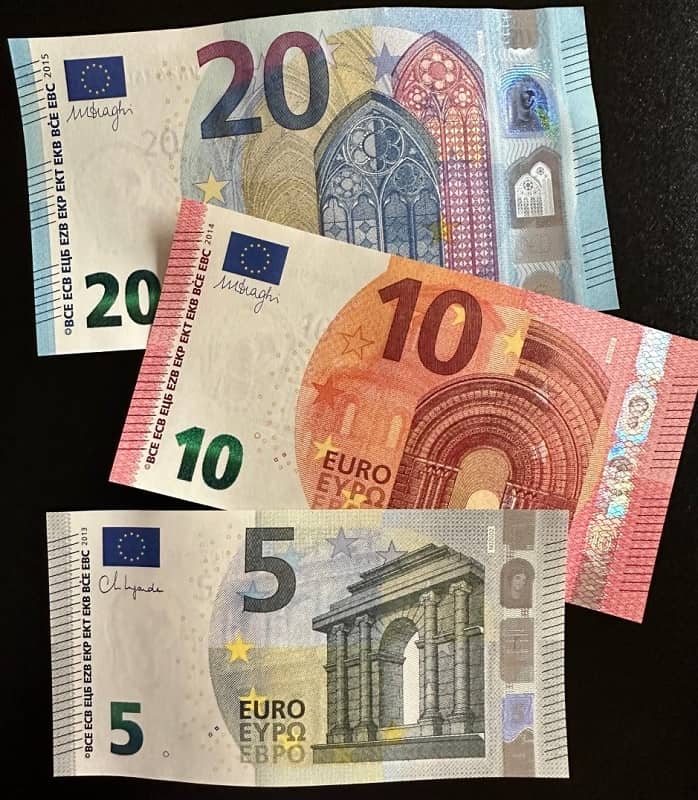
For any traveler, investor, or expatriate looking toward the Mediterranean, the question “what is the money called in Italy?” serves as the starting point for a deeper exploration of European fiscal policy and personal finance management. Since 2002, the official currency of Italy has been the Euro (€). As a founding member of the European Union and a pillar of the Eurozone, Italy’s transition from its historical currency to a unified continental tender marked one of the most significant shifts in the nation’s economic history.

Understanding the currency in Italy is not merely about knowing the name of the bills in your wallet; it is about navigating a complex financial ecosystem that blends traditional cash-heavy customs with modern digital banking innovations. This guide explores the history, practical usage, and future of money in Italy through a professional financial lens.
The Evolution of Italian Currency: From the Lira to the Euro
To understand the current state of money in Italy, one must look back at the currency that preceded it. The Italian Lira was the heartbeat of the nation’s economy for generations, reflecting Italy’s post-war recovery and its eventual rise as a global manufacturing powerhouse.
The Legacy of the Italian Lira
Before the adoption of the Euro, the Italian Lira (ITL) was the official tender. Established in its modern form during the Napoleonic era and solidified after the unification of Italy in 1861, the Lira was known for its high denominations. Due to periods of significant inflation in the 20th century, it was common for a simple meal to cost tens of thousands of Lire. While the Lira provided Italy with monetary autonomy, the frequent fluctuations in value often created challenges for international trade and long-term financial stability.
The Transition to the Eurozone
The shift to the Euro was a strategic move designed to integrate Italy more deeply into the European economy. Following the Maastricht Treaty, Italy worked to align its fiscal policies with European standards. On January 1, 1999, the Euro became the official “book” currency for electronic transfers, and on January 1, 2002, Euro banknotes and coins were introduced into physical circulation. This transition eliminated exchange rate risks within the Eurozone, lowered transaction costs for businesses, and provided a stable framework for personal savings.
The Symbolism of Italian Euro Coins
While Euro banknotes are identical across the Eurozone, each member state mints its own coins with a unique national side. Italy’s Euro coins are widely regarded as some of the most beautiful in circulation, featuring iconic symbols of Italian heritage. For example:
- The 1-Euro coin features Leonardo da Vinci’s Vitruvian Man, symbolizing the harmony between man and science.
- The 2-Euro coin depicts the portrait of Dante Alighieri by Raphael.
- Smaller denominations feature the Colosseum, the Birth of Venus, and other Renaissance masterpieces.
These coins represent a “brand identity” for the nation’s wealth, merging cultural pride with modern monetary utility.
Navigating the Euro in Modern Italy: Practical Financial Insights
For anyone conducting business or traveling in Italy, the practicalities of money management have changed significantly over the last decade. While Italy was once a staunchly cash-based society, the financial landscape is rapidly modernizing.
Cash vs. Card: The Cultural Shift in Italian Payments
Historically, Italy had a strong preference for cash (contanti). Small businesses, cafes, and family-owned trattorias often preferred physical currency to avoid the merchant fees associated with credit cards. However, recent government initiatives and the global shift toward digital payments have altered this. Today, almost all businesses are legally required to accept electronic payments. While you should always carry a small amount of cash for remote villages or small “tabacchi” (tobacco shops), credit and debit cards (Visa and Mastercard) are accepted nearly everywhere in major cities like Rome, Milan, and Florence.
ATMs and Bancomats: Avoiding Hidden Fees
In Italy, an ATM is commonly referred to as a “Bancomat.” When withdrawing money, it is essential to use a Bancomat affiliated with a reputable bank (such as UniCredit, Intesa Sanpaolo, or BNP Paribas). These machines are generally safer and offer better exchange rates than independent “tourist” ATMs found in airports or high-traffic areas.
A critical tip for personal finance management in Italy is to avoid “Dynamic Currency Conversion” (DCC). When an ATM or a point-of-sale terminal asks if you want to be charged in your home currency (e.g., USD or GBP) or the local currency (EUR), always choose EUR. Choosing your home currency allows the local bank to set its own unfavorable exchange rate, often adding a 5% to 10% markup to the transaction.
Understanding Exchange Rates and Currency Conversion
For those bringing foreign capital into Italy, timing is everything. The Euro is a major global reserve currency, and its value fluctuates against the Dollar and the Pound based on ECB (European Central Bank) policies and Eurozone economic data. Using mid-market rate tools or fintech apps like Revolut or Wise can save significant amounts of money compared to traditional currency exchange booths, which often charge high commissions and offer poor rates.
Managing Your Finances While Traveling or Living in Italy
Beyond simply identifying what the money is called, one must understand how to manage it effectively within the Italian economic context. This involves budgeting, understanding taxes, and navigating the banking system.
Smart Budgeting for the Italian Economy
Italy’s cost of living varies dramatically between the North and the South. Milan, the financial capital, often demands a budget comparable to London or New York, whereas regions like Sicily or Puglia offer significantly more purchasing power. When budgeting, one must account for the “coperto”—a small cover charge at restaurants—and the fact that tipping is not mandatory but appreciated as a small gesture of rounding up the bill.
Tax-Free Shopping and VAT Refunds for Tourists
One of the advantages for non-EU residents shopping in Italy is the ability to claim a Value Added Tax (VAT) refund. In Italy, the IVA (VAT) is typically 22% on luxury goods and clothing. For purchases over a certain threshold (usually €70.01), travelers can request a “Tax-Free” form at the point of sale. By validating these forms at the airport customs office upon departure, you can receive a significant portion of that tax back, making Italy a popular destination for high-end fashion and leather goods investment.
Opening a Bank Account in Italy: A Guide for Expats
For those moving to Italy for work or retirement, opening a local bank account is a necessity. There are two main types: conto corrente residente (for residents) and conto corrente non residente (for non-residents). The process requires a Codice Fiscale (tax code), which is the most vital piece of documentation for any financial activity in Italy. Modern “neo-banks” are increasingly popular among expats due to their English-language interfaces and lower maintenance fees compared to traditional Italian retail banks, which are known for their bureaucratic complexity.
The Future of Money in Italy: Digital Trends and Fintech Innovations
The question of what money is called in Italy is increasingly being answered with “digital.” The nation is currently undergoing a digital transformation that is reshaping the way residents and businesses handle transactions.
The Rise of Contactless and Mobile Payments
The adoption of mobile wallets like Apple Pay, Google Pay, and Samsung Pay has skyrocketed in Italy. Furthermore, Italy has developed its own homegrown fintech success stories. Satispay, for instance, is a popular mobile payment app that allows users to send money to friends and pay in stores without using the traditional credit card circuits. This innovation has made it easier for small vendors to accept digital payments, as the transaction costs are significantly lower than traditional merchant services.
Italy’s Stance on Cryptocurrency and Digital Assets
While the Euro remains the only legal tender, Italy has seen a growing interest in cryptocurrency as a financial tool and investment asset. The Italian government has recently introduced clearer regulations regarding the taxation of crypto-assets to provide more security for investors. While you cannot yet pay for your espresso with Bitcoin in most places, the infrastructure for digital asset management is maturing, with several Italian banks beginning to explore custody services for digital currencies.
The Potential Impact of the Digital Euro
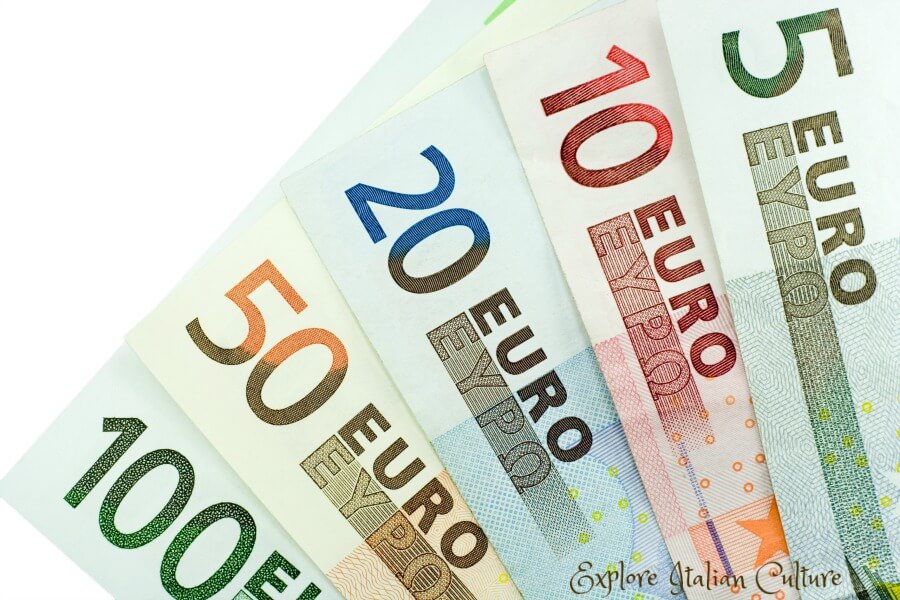
Looking toward the future, the European Central Bank is currently in the “preparation phase” for the Digital Euro. This would be a central bank digital currency (CBDC) that would complement physical cash, not replace it. For Italy, a Digital Euro could mean faster, cheaper, and more secure transactions across borders. It represents the next evolution of what money is called in Italy—a digital extension of the Eurozone’s shared identity.
In conclusion, whether you are dealing with the physical beauty of Italian Euro coins or the streamlined efficiency of a digital payment app, money in Italy is a reflection of a nation that respects its history while aggressively pursuing financial modernization. By understanding the transition from the Lira to the Euro and mastering the nuances of modern payment systems, you can navigate the Italian economy with confidence and professional insight.
aViewFromTheCave is a participant in the Amazon Services LLC Associates Program, an affiliate advertising program designed to provide a means for sites to earn advertising fees by advertising and linking to Amazon.com. Amazon, the Amazon logo, AmazonSupply, and the AmazonSupply logo are trademarks of Amazon.com, Inc. or its affiliates. As an Amazon Associate we earn affiliate commissions from qualifying purchases.