
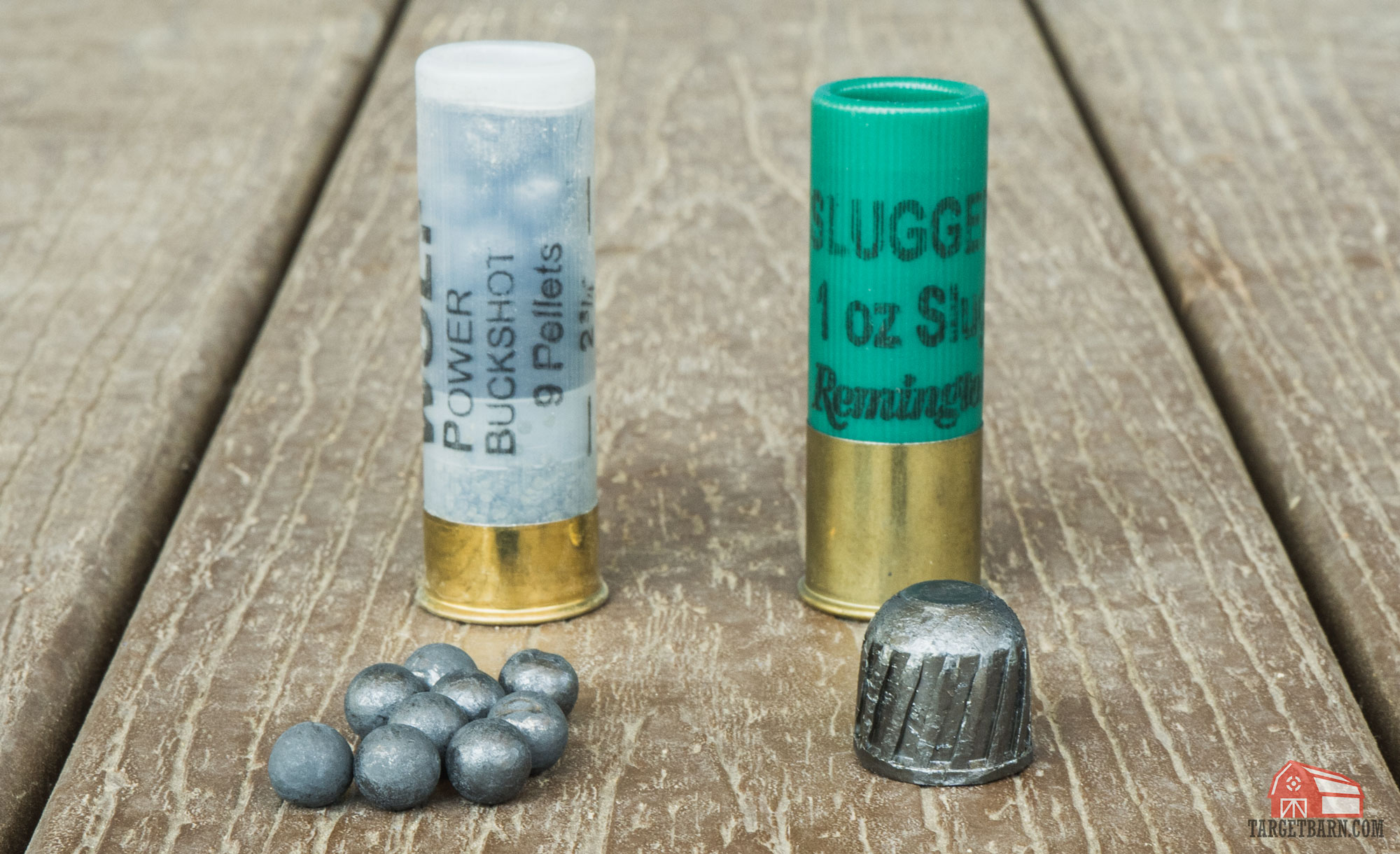
In the traditional marketing lexicon, the “shotgun approach” is often used to describe a strategy of wide, indiscriminate distribution. Like birdshot from a firearm, this method scatters resources across a vast landscape, hoping that at least a few pellets hit a target. However, in an era defined by extreme market saturation and dwindling consumer attention spans, a new strategic evolution has emerged: the Shotgun Slug.
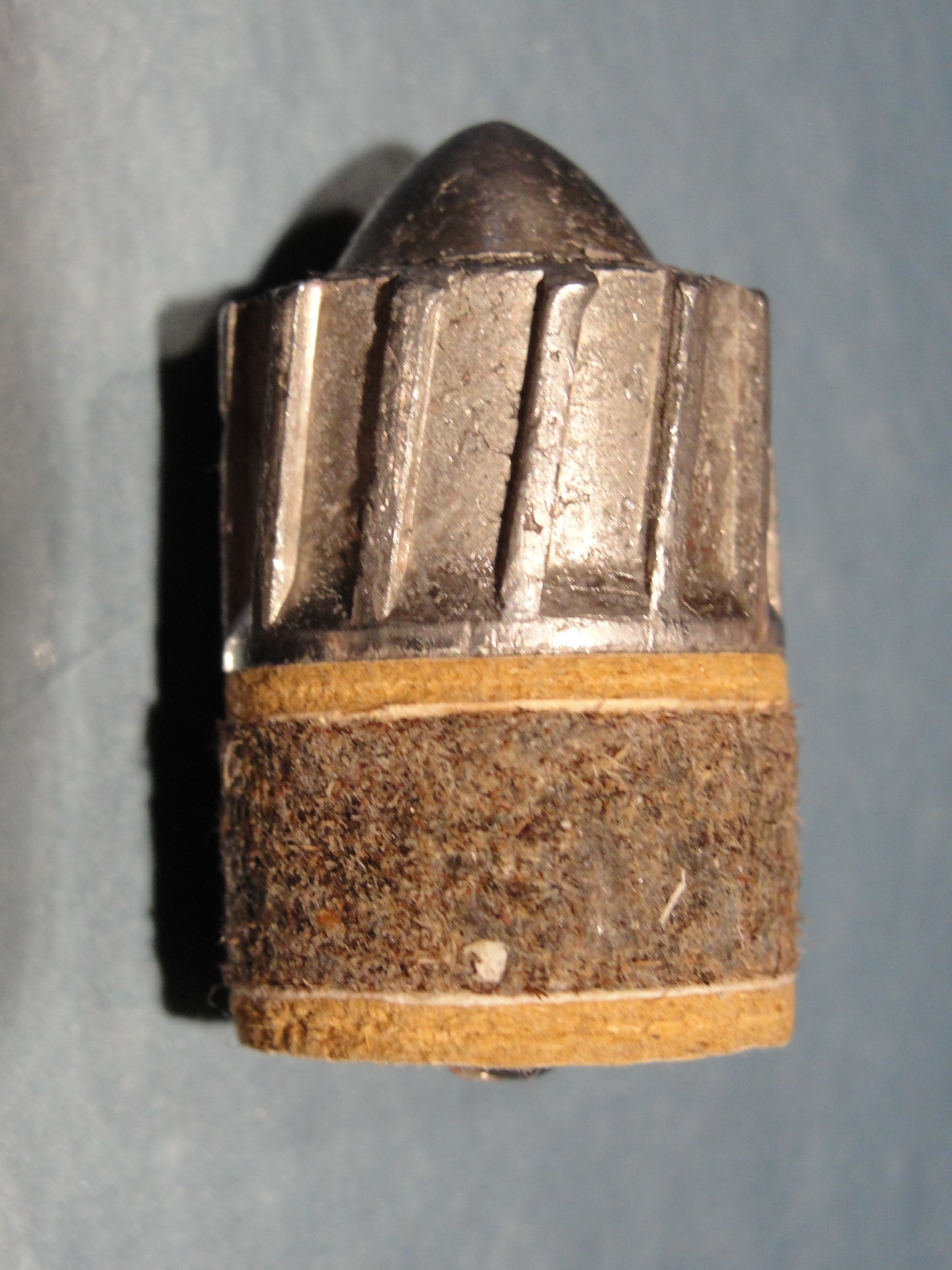
In brand strategy, a “Shotgun Slug” represents the antithesis of the scattergun method. Instead of spreading a message thin over a thousand channels, the slug strategy involves concentrating the entire weight, momentum, and identity of a brand into a single, high-velocity, high-impact point of contact. It is about precision, concentrated power, and the ability to penetrate even the most armored market segments with a single, undeniable brand narrative.
1. Defining the Shotgun Slug in Brand Identity
To understand the Shotgun Slug, one must first recognize the failure of traditional mass-market saturation. When a brand tries to be everything to everyone, it often ends up being nothing to anyone. The Shotgun Slug strategy is a commitment to a singular, powerful identity that prioritizes depth over breadth.
Moving Beyond the “Spray and Pray” Method
The “spray and pray” method—a hallmark of early digital advertising—relies on the law of large numbers. If you show an ad to a million people, a fraction of a percent might click. While this was effective in the early days of the internet, modern consumers have developed “banner blindness.” They are experts at filtering out the noise of fragmented, low-effort marketing.
The Shotgun Slug ignores the urge to be everywhere. Instead of 50 mediocre social media posts, a brand using this strategy might produce one cinematic, culture-defining piece of content. This shift requires a brand to have absolute confidence in its value proposition, moving from a defensive posture of “please notice us” to an offensive posture of “you cannot ignore us.”
The Power of Single-Point Impact
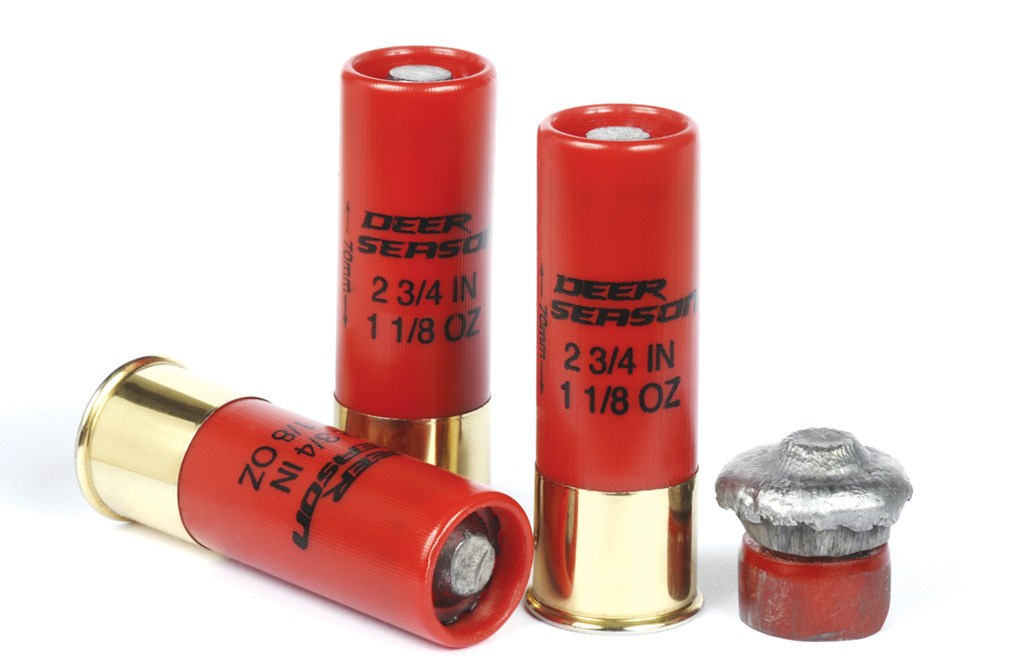
The physics of a shotgun slug is simple: it is a single heavy projectile that carries all the kinetic energy of the propellant. In branding, this “kinetic energy” is your budget, your creative talent, and your timing. When these are channeled into a single-point impact—such as a major product launch or a disruptive PR stunt—the brand creates a “crater” in the market that competitors cannot easily fill.
This single-point impact builds immediate brand equity. It creates a “halo effect” where the sheer quality and force of one specific brand action lead consumers to assume excellence across the entire brand ecosystem. It is the strategy of the “Big Bet,” where the brand defines itself not by its ubiquity, but by its intensity.
2. The Architecture of a High-Velocity Brand
Building a Shotgun Slug brand requires more than just a big budget; it requires a structural overhaul of how a company views its relationship with the consumer. It is a transition from a “reach-first” mentality to a “resonance-first” mentality.
Precision Targeting and Audience Psychographics
While traditional shotgun strategies focus on demographics (age, location, income), the Shotgun Slug relies on psychographics (values, desires, fears). To hit a target with a single slug, your aim must be perfect. This means conducting deep-dive research into the specific subcultures your brand intends to dominate.
A Shotgun Slug brand doesn’t just want a customer; it wants an advocate. By identifying the core psychological drivers of a specific niche, the brand can tailor its messaging to resonate at a frequency that broader competitors can’t match. This precision ensures that when the brand “strikes,” it hits the emotional center of the target audience, creating an instant bond that fragmented marketing could never achieve.
Crafting the Unforgettable Core Message
At the heart of every Shotgun Slug is a singular, irreducible message. In brand strategy, this is the “One Truth.” If your brand could only say one thing to the world, what would it be?
Many corporate identities become diluted by committee-driven messaging, trying to highlight ten different features at once. A Slug strategy strips away the excess. It focuses on the most potent advantage of the product or service and polishes it until it is sharp. This message becomes the “projectile” that carries the brand through the noise of the marketplace. Whether it is Volvo’s focus on “Safety” or Apple’s historical “Think Different,” these are slugs—focused, heavy, and impactful.
3. Execution Strategies: Deploying the Slug for Market Penetration
Execution is where many brands falter. The transition from a broad strategy to a concentrated one requires a different set of tactical tools and a much higher tolerance for perceived risk.
Timing, Velocity, and Market Entry
A slug is most effective when it is fired at the right moment. In brand strategy, this is known as “Moment Marketing” or “Strategic Sequencing.” Rather than a constant, low-level hum of advertising, a Shotgun Slug brand waits for the optimal market conditions—a cultural shift, a competitor’s mistake, or a seasonal peak—and then launches with maximum velocity.
This creates a sense of “event-driven” branding. When the brand appears, it feels like a significant occurrence rather than just another commercial. This velocity is what allows small startups to unseat massive incumbents. They don’t try to outspend the giant across the board; they outspend them in one specific moment, in one specific channel, with one specific message.
Channel Selection: Choosing the Right Barrel
Not all platforms are suited for a Shotgun Slug. If you are concentrating all your resources into one move, the choice of “barrel”—the medium through which you launch—is critical.
For some brands, the barrel is a high-profile partnership or an exclusive event. For others, it is a deep-form long-read editorial or a high-production-value video. The key is to avoid “fragmentation fatigue.” If you choose to launch on Instagram, you don’t just “post”; you take over the platform for a day. You ensure that for your specific target audience, your brand is the only thing they see, hear, and talk about for a concentrated period of time.
4. Case Studies: The Impact of Concentrated Branding
To see the Shotgun Slug in action, one only needs to look at brands that have successfully disrupted entire industries by ignoring the “wide” approach in favor of the “deep” approach.
The Disruptor Model: Tesla
Tesla is a quintessential example of the Shotgun Slug in the automotive world. For years, traditional automakers spent billions on “birdshot” advertising—TV commercials, radio spots, and billboards for dozens of different models. Tesla, conversely, spent almost zero on traditional advertising.
Instead, they concentrated their brand energy into a single “slug”: the persona of innovation and the high-performance “Ludicrous Mode” of the Model S. By focusing all their brand momentum on being the “pioneer of the future,” they created a brand gravity that pulled the entire industry toward them. They didn’t need a thousand ads because their one big “slug”—the mission to electrify the world—was powerful enough to penetrate the global consciousness.
Luxury Branding and the Art of the Gatekeeper
Luxury brands like Hermès or Rolex utilize the Shotgun Slug to maintain exclusivity. They do not advertise to the masses to gain more customers; they advertise to the masses to ensure that the masses recognize the brand, while only “firing” their actual sales strategy at a tiny, elite target.
Their marketing is a single, heavy projectile of “prestige.” They don’t offer discounts, they don’t do seasonal sales, and they don’t change their core message. This consistency and concentration of brand identity ensure that the “slug” remains heavy and impactful, generation after generation.
5. Measuring Kinetic Energy: KPIs for Precision Branding
In a traditional marketing campaign, you measure clicks, impressions, and reach. In a Shotgun Slug strategy, these metrics are often secondary. Instead, you must measure the “depth of penetration” and the “kinetic energy” of the brand.
Brand Equity vs. Short-Term Reach
The goal of a slug strategy is not just to be seen, but to be remembered and to change the market landscape. The primary KPI is Brand Salience—how quickly your brand comes to mind in a purchasing situation.
If you fire 100 small pellets (ads), people might remember seeing them, but they won’t necessarily feel anything. If you hit them with a “slug,” the emotional and cognitive impact is much higher. Measuring the “earned media” (how much people talk about the campaign) and the “brand sentiment” (how they feel about it) provides a much better picture of the slug’s effectiveness than raw impression numbers.
The Sustainability of the Impact
A common criticism of the Shotgun Slug is that it is a “one-and-done” strategy. However, the impact of a high-velocity strike lasts much longer than the fleeting visibility of a wide-scatter campaign. A successful slug creates a “crater”—a permanent change in how a brand is perceived.
The sustainability of this impact depends on the “reloading” process. A brand cannot survive on one slug forever, but it can thrive by firing a series of well-timed, highly-focused projectiles over several years. This creates a rhythm of high-impact moments that build upon each other, creating a narrative of constant innovation and leadership.
Conclusion: The Precision Revolution
The shift from the “shotgun birdshot” to the “shotgun slug” represents a maturing of the brand strategy discipline. It is an acknowledgment that in a world of infinite content, the only way to be heard is to speak with a singular, powerful voice.
By concentrating resources, refining the message, and aiming with surgical precision, brands can achieve more with one “slug” than they ever could with a thousand “pellets.” This is the future of branding: not the noise of the crowd, but the impact of the individual strike. In the hunt for market share, the brand that masters the slug is the one that will ultimately take the trophy.
aViewFromTheCave is a participant in the Amazon Services LLC Associates Program, an affiliate advertising program designed to provide a means for sites to earn advertising fees by advertising and linking to Amazon.com. Amazon, the Amazon logo, AmazonSupply, and the AmazonSupply logo are trademarks of Amazon.com, Inc. or its affiliates. As an Amazon Associate we earn affiliate commissions from qualifying purchases.