
In the landscape of personal finance, vehicle insurance often represents one of the most significant recurring expenses for the average household. While it is a legal requirement and a necessary safety net, the wide variance in premiums across different providers can make finding the “cheapest” option feel like a daunting task. However, identifying the most affordable vehicle insurance is not merely about finding the lowest number on a quote; it is about optimizing your financial protection to ensure that you are paying the least amount of money for the specific level of risk management you require.
To truly master this aspect of your personal budget, you must understand the underlying mechanics of insurance pricing, the strategic levers you can pull to lower your rates, and the financial tools available to help you compare the market effectively.
The Economics of Insurance Risk and Premium Calculation
Before you can effectively lower your insurance costs, you must understand how insurance companies—which are essentially massive data-driven financial institutions—calculate your premium. At its core, the price you pay is a reflection of the perceived financial risk you pose to the insurer.
Understanding Actuarial Risk Factors
Insurers use actuarial science to predict the likelihood that you will file a claim and how much that claim might cost. Factors such as your age, driving history, and even your marital status are used to build a profile. From a personal finance perspective, a “clean” driving record is an asset that yields high dividends in the form of lower premiums. Conversely, even a single speeding ticket or a minor at-fault accident can lead to a significant percentage increase in your monthly costs.
The Role of Credit-Based Insurance Scores
In many jurisdictions, your personal financial health directly impacts your insurance rates. Many insurers use credit-based insurance scores to determine premiums. Statistical data suggests a correlation between financial responsibility and driving safety. Therefore, improving your credit score—by paying down debt and ensuring timely payments—can paradoxically be one of the most effective ways to secure the cheapest vehicle insurance over the long term.
Geographic and Demographic Variables
Where you live plays a massive role in your financial outlay for insurance. High-density urban areas with higher rates of theft, vandalism, and traffic accidents naturally command higher premiums than rural areas. While you may not move just to save on insurance, being aware of how your zip code affects your budget is crucial for accurate financial planning.
Strategic Maneuvers to Reduce Insurance Premiums
Finding the cheapest insurance is rarely a matter of luck; it is a result of intentional financial strategy. By adjusting specific variables within your policy, you can significantly reduce your annual expenditure.
Optimizing Your Deductibles
The deductible is the amount you pay out of pocket before your insurance coverage kicks in. From a wealth-management perspective, raising your deductible is one of the fastest ways to lower your premium. If you have a robust emergency fund, you can afford to take on more of the initial risk. By increasing a deductible from $500 to $1,000 or $1,500, you can often see a double-digit percentage decrease in your monthly premium.
The Power of Policy Bundling
Insurance companies value customer loyalty and the total “share of wallet.” By “bundling” your vehicle insurance with other financial products—such as homeowners, renters, or life insurance—you can often unlock significant multi-policy discounts. This simplifies your financial life by consolidating bills while simultaneously lowering the per-policy cost.
Utilizing Telematics and Usage-Based Insurance
For those who are low-mileage drivers or exceptionally safe on the road, “usage-based insurance” (UBI) represents a modern financial frontier. By using a plug-in device or a smartphone app to track driving habits, insurers can offer personalized rates. If your car spends most of its time in a garage or if you avoid high-risk driving behaviors like hard braking, these programs can offer the absolute cheapest rates available in the current market.
Navigating the Financial Market for Insurance Providers
The “cheapest” provider today might not be the cheapest tomorrow. The insurance market is dynamic, with companies frequently adjusting their risk appetites and pricing models.
Leveraging Comparison Tools and Aggregators
In the digital age, manual price shopping is inefficient. Utilizing financial comparison tools and aggregators allows you to view quotes from dozens of insurers simultaneously. However, it is important to ensure that you are comparing “apples to apples.” When looking for the lowest price, ensure that the liability limits, comprehensive coverage, and collision terms are identical across all quotes.
Understanding the Difference Between Captive and Independent Agents
When shopping for insurance, you have two primary routes. Captive agents work for a single company (like State Farm or Geico) and can offer deep knowledge of that company’s specific discounts. Independent agents, however, represent multiple carriers. From a financial optimization standpoint, independent agents can often provide a broader view of the market, helping you find niche providers that might offer lower rates for your specific demographic.
Annual Policy Audits
A common financial mistake is “setting and forgetting” an insurance policy. Life changes—such as getting married, moving, or even aging into a new bracket—can qualify you for lower rates. Performing an annual audit of your insurance expenses ensures that you aren’t paying “loyalty taxes” to a company that no longer offers the most competitive rate for your current life situation.
The Relationship Between Vehicle Choice and Insurance Costs
A significant portion of your insurance premium is determined before you even sign a policy—it is determined at the car dealership. The vehicle you choose to own is a primary driver of your insurance expenses.
Repairability and Safety Ratings
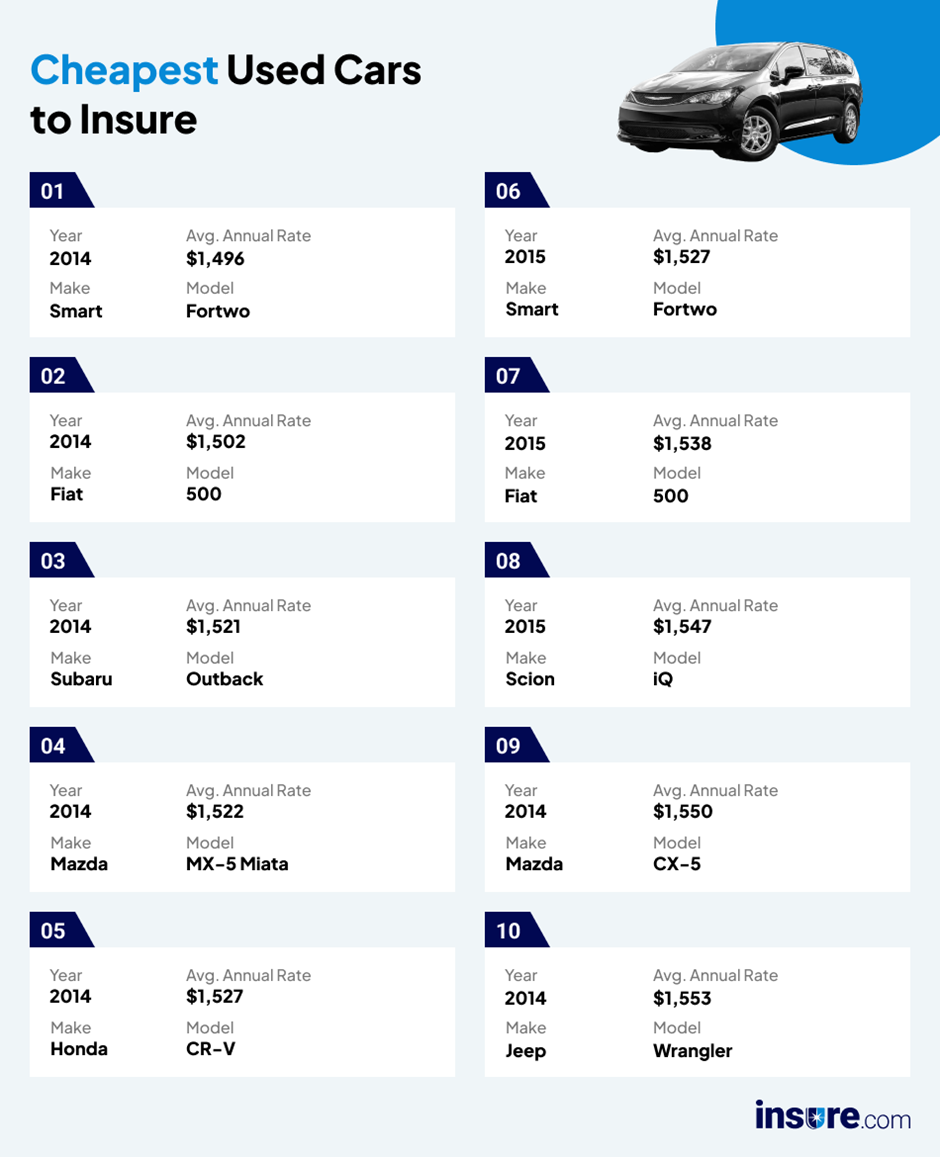
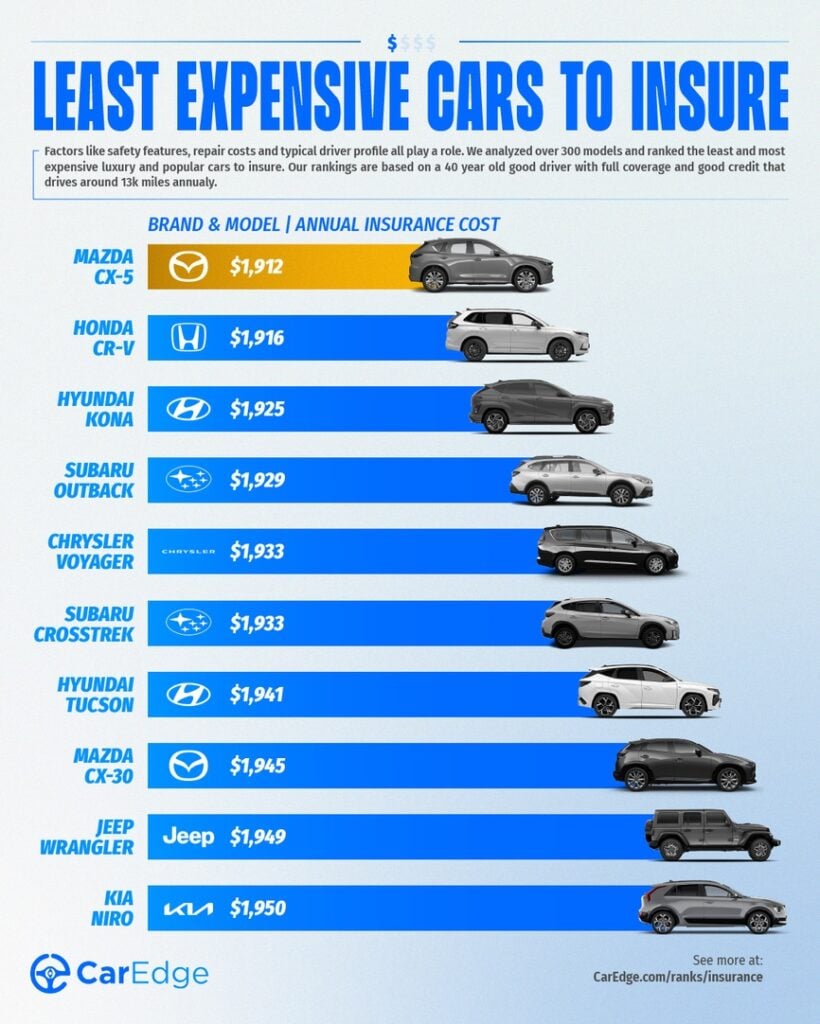
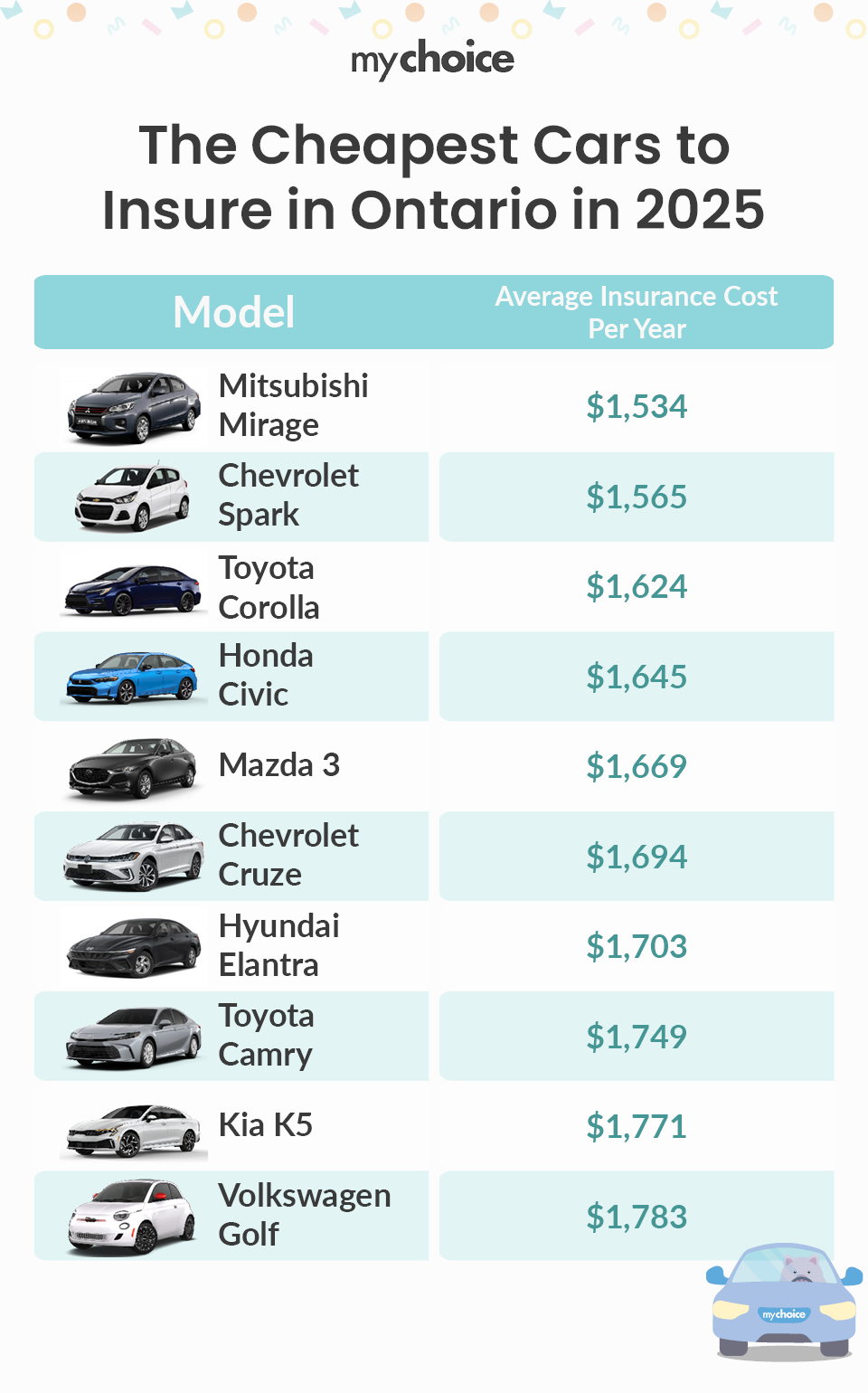
Insurance isn’t just about covering your liability to others; it’s about the cost to repair or replace your own asset. High-end luxury vehicles or cars with specialized carbon-fiber parts are expensive to repair, leading to higher premiums. Conversely, vehicles with high safety ratings and readily available parts are cheaper to insure. When calculating the “total cost of ownership” (TCO) for a vehicle, the insurance premium must be factored in alongside the monthly loan payment and fuel costs.
The Impact of Anti-Theft and Safety Technology
Modern vehicles equipped with advanced driver-assistance systems (ADAS)—such as automatic emergency braking, lane-keep assist, and advanced anti-theft tracking—often qualify for discounts. These features reduce the financial risk to the insurer by decreasing the likelihood of a total-loss accident or unrecovered theft. When shopping for a car, look for these features as a way to subsidize your future insurance costs.
Older Vehicles and Liability-Only Strategies
As a vehicle depreciates, there comes a point where the cost of comprehensive and collision coverage might exceed the potential payout in the event of a total loss. For older vehicles with low market value, shifting to a “liability-only” policy can be a savvy financial move. This removes the “full coverage” portion of the premium, leaving only the legally required protection, which is significantly cheaper. However, this strategy should only be employed if you have the financial liquidity to replace the vehicle out-of-pocket if it is destroyed.
Conclusion: Integrating Insurance into Your Wealth Building Strategy
Finding the cheapest vehicle insurance is a vital component of a holistic personal finance strategy. Every dollar saved on insurance premiums is a dollar that can be redirected toward high-yield savings, debt reduction, or investment portfolios. By treating insurance as a variable cost that can be managed through credit improvement, strategic deductible selection, and diligent market comparison, you move from being a passive consumer to an active manager of your financial destiny.
Ultimately, the “cheapest” insurance is the one that provides the maximum amount of protection for the minimum amount of capital, ensuring that a single road accident doesn’t derail your long-term financial goals. Through consistent monitoring and informed decision-making, you can maintain a lean, efficient budget that protects both your vehicle and your net worth.
aViewFromTheCave is a participant in the Amazon Services LLC Associates Program, an affiliate advertising program designed to provide a means for sites to earn advertising fees by advertising and linking to Amazon.com. Amazon, the Amazon logo, AmazonSupply, and the AmazonSupply logo are trademarks of Amazon.com, Inc. or its affiliates. As an Amazon Associate we earn affiliate commissions from qualifying purchases.