
The gig economy has fundamentally transformed the way individuals perceive employment, shifting the landscape from traditional 9-to-5 structures toward flexible, asset-based income streams. At the forefront of this revolution is Uber. For many, the prospect of driving for Uber is not just about “driving a car”; it is a strategic business decision aimed at diversifying income, building a side hustle, or establishing a full-time entrepreneurial venture.
However, entering the world of ridesharing requires more than just a driver’s license and a smartphone. It demands a clear understanding of the financial prerequisites, operational costs, and the economic framework of independent contracting. To succeed, one must view the requirements not as mere hurdles, but as the foundational components of a personal finance strategy.
1. Capital Assets: Meeting the Vehicle and Technical Requirements
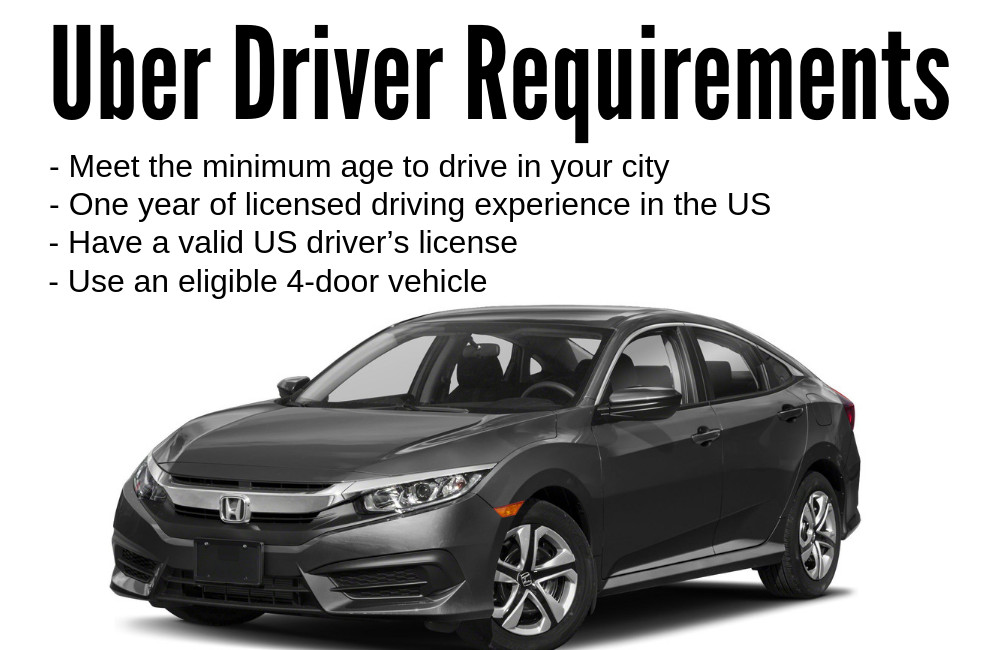
The most significant requirement to drive for Uber is the acquisition and maintenance of a qualifying vehicle. In financial terms, your car is your primary capital asset. Uber has stringent standards to ensure the safety and comfort of its passengers, which directly impacts the “barrier to entry” for potential drivers.
Vehicle Standards and Asset Quality
To qualify, a vehicle must generally be no more than 15 years old (though this varies by city), have four doors, and be in excellent cosmetic and mechanical condition. From a money-management perspective, the choice of vehicle is the most critical factor in determining your return on investment (ROI). While a luxury sedan might qualify for “Uber Black” and command higher fares, the higher purchase price and maintenance costs can eat into your net profit. Most successful drivers opt for high-reliability, fuel-efficient vehicles like hybrids, which minimize the “cost per mile”—a key metric in the transportation business.
Technical Infrastructure
Beyond the vehicle, the secondary requirement is a reliable smartphone capable of running the Uber Driver app. While this may seem like a minor detail, it represents your point-of-sale (POS) system. A high-speed data plan and a modern device are essential to ensure you don’t miss “Surge” pricing opportunities or high-value trip requests due to lag or connectivity issues.
The Cost of Documentation and Compliance
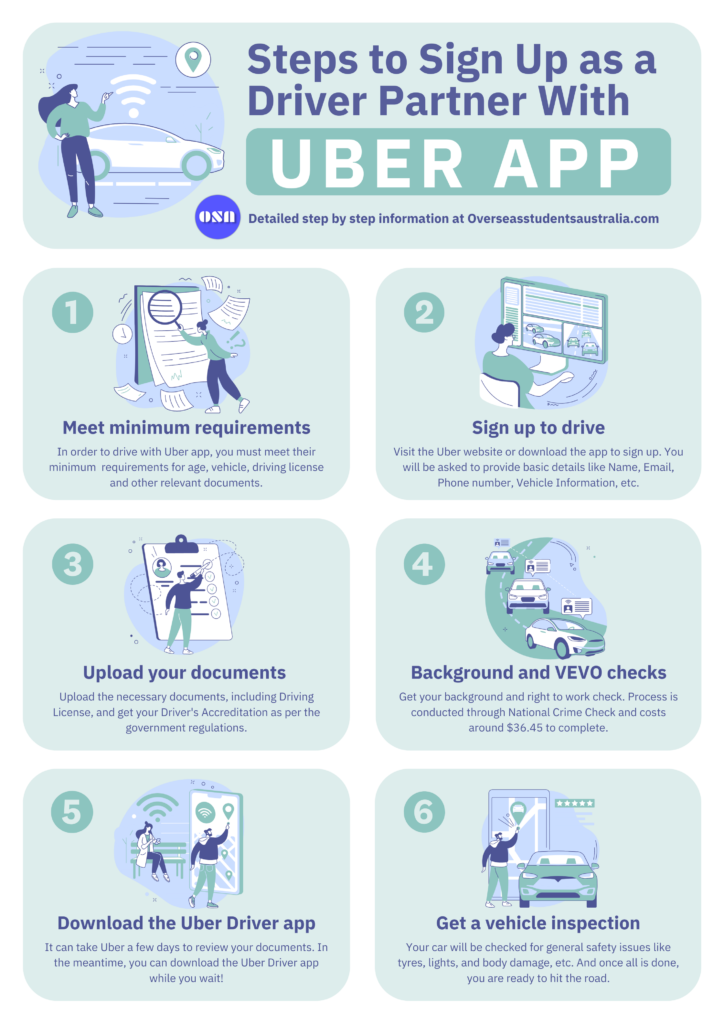
Before you can earn your first dollar, there are administrative costs to consider. These include vehicle inspections, which may be required annually, and background check clearances. While Uber often covers the cost of the background check, some jurisdictions require specific chauffeur licenses or business permits (such as a TNC permit). These are the “startup costs” of your driving business and should be factored into your initial financial planning.
2. Risk Management: Insurance and Liability Requirements
One of the most overlooked requirements for driving for Uber is the specialized insurance coverage needed to protect your financial interests. Standard personal auto insurance policies typically exclude commercial activities, meaning if you are in an accident while “on the clock,” your personal insurer could deny the claim and even cancel your policy.
The Necessity of Rideshare Endorsements
To drive legally and protect your assets, you must notify your insurance provider and often purchase a “rideshare endorsement.” This is a critical financial requirement because it bridges the gap between your personal coverage and the commercial coverage provided by Uber while you are carrying a passenger. Without this, a single accident could result in total financial ruin, wiping out months of earnings.
Liability and Asset Protection
As an independent contractor, you are essentially a small business owner. This means you carry the risk of liability. Understanding the tiers of Uber’s insurance—Period 1 (app on, no request), Period 2 (request accepted, en route), and Period 3 (passenger in car)—is vital. For a driver focused on “Money,” knowing these tiers ensures you are never under-insured, protecting your long-term ability to generate income.
3. The Economics of the Road: Managing Operational Expenses
Understanding what is required to drive for Uber extends into the realm of cash flow management. It is not enough to look at the gross earnings deposited into your bank account each week; you must calculate the “Net Income” by subtracting the operational requirements of the job.
Fuel Efficiency and Variable Costs
Fuel is the most immediate and volatile expense. To maintain a healthy profit margin, drivers must be strategic about where and when they refuel, often utilizing fuel reward programs or business credit cards that offer cash back on gas purchases. Every cent saved at the pump is a direct increase in your take-home pay.
Depreciation: The Silent Expense
In personal finance, depreciation is the reduction in the value of an asset over time. When you drive for Uber, you are essentially “cashing out” the equity in your vehicle. High mileage leads to faster depreciation and increased maintenance requirements—tires, brakes, and oil changes occur at a much higher frequency than for a standard commuter. A savvy driver sets aside a “sinking fund” (a portion of every week’s earnings) to cover these inevitable mechanical requirements and to eventually fund a replacement vehicle.
4. Navigating the Tax Landscape of the Gig Economy
Driving for Uber changes your relationship with the government’s revenue services. You are no longer an employee with taxes withheld from your paycheck; you are an independent contractor (1099 filer). This brings a new set of financial requirements regarding record-keeping and tax liability.
Self-Employment Tax Obligations
As an Uber driver, you are responsible for both the employer and employee portions of Social Security and Medicare taxes. This “Self-Employment Tax” can be a shock to those unprepared for it. Requirement number one for your financial health is setting aside roughly 20-30% of your gross earnings into a high-yield savings account to cover quarterly estimated tax payments.
Maximizing Deductions to Protect Income
The silver lining of being an independent contractor is the ability to deduct business expenses. The IRS allows drivers to choose between the “Standard Mileage Rate” or “Actual Expenses.” Most drivers find the mileage deduction to be more beneficial. This requires meticulous tracking of every mile driven for business purposes—from the moment you turn on the app to the moment you turn it off. Using digital tools to log these miles is a non-negotiable requirement for maximizing your net income and minimizing your tax burden at the end of the year.
5. Strategic Financial Planning for Long-Term Success
To truly meet the requirements of a professional Uber driver, one must adopt a mindset of strategic financial planning. This involves looking beyond the daily “cash out” feature and focusing on the broader picture of wealth accumulation.
Revenue Tracking and Performance Metrics
Successful drivers track their “Dollars per Hour” and “Dollars per Mile.” By analyzing this data, you can identify the most profitable windows of time—such as airport runs, weekend evening surges, or morning commutes. This analytical requirement allows you to work smarter, not harder, ensuring that the time you invest yields the highest possible financial return.

Diversification and Scaling
Finally, the most advanced requirement for driving in the gig economy is the realization that Uber should often be one part of a larger financial portfolio. Many drivers use Uber as a “bridge” to fund other investments, such as real estate, stocks, or a separate small business. By viewing the requirements of driving for Uber through the lens of business finance, you can turn a simple driving gig into a powerful engine for personal wealth creation.
In conclusion, knowing “what is required to drive Uber” is far more complex than just checking a list of vehicle years and driver’s license statuses. It is a comprehensive financial commitment that involves asset management, risk mitigation, tax strategy, and operational efficiency. When approached with the rigor of a financial professional, driving for Uber becomes a viable and lucrative path toward achieving your monetary goals in the modern economy.
aViewFromTheCave is a participant in the Amazon Services LLC Associates Program, an affiliate advertising program designed to provide a means for sites to earn advertising fees by advertising and linking to Amazon.com. Amazon, the Amazon logo, AmazonSupply, and the AmazonSupply logo are trademarks of Amazon.com, Inc. or its affiliates. As an Amazon Associate we earn affiliate commissions from qualifying purchases.