
In the realm of global entertainment, few names carry as much weight, grit, and longevity as Ice-T. For decades, he has been a fixture of American culture, evolving from a pioneer of West Coast gangsta rap to a beloved mainstay on one of the longest-running dramas in television history, Law & Order: Special Victims Unit. However, behind the iconic stage name lies a man whose real name is Tracy Lauren Marrow.
The transition from Tracy Marrow to Ice-T—and the subsequent management of that persona over forty years—is not just a story of a successful career; it is a masterclass in personal branding, strategic pivot, and corporate identity management. In an era where “personal brand” is a buzzword for every aspiring entrepreneur, studying the trajectory of Tracy Marrow offers profound insights into how a name becomes a brand, and how a brand becomes an institution.
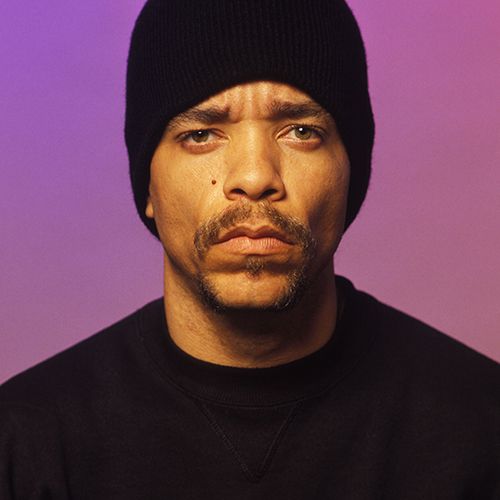
The Foundation of an Identity: From Tracy Marrow to Ice-T
Every legendary brand begins with a core identity that resonates with a specific audience. For Tracy Marrow, the birth of “Ice-T” was his first significant branding decision. It was more than a nickname; it was a curated image designed to reflect his environment, his influences, and his aspirations.
The Origin Story as a Brand Narrative
Tracy Marrow’s early life was marked by significant hardship, including the loss of both parents at a young age. Moving from New Jersey to the Crenshaw district of Los Angeles, he was forced to navigate a complex social landscape. His choice of the name “Ice-T” was an homage to Iceberg Slim, a notorious pimp and influential author whose gritty street narratives captivated Marrow. By adopting a name that echoed Slim’s, Marrow was performing a classic branding move: leveraging the “equity” of an established aesthetic to define his own niche.
Establishing Authenticity in a New Market
In the 1980s, the hip-hop market was dominated by East Coast sounds. Tracy Marrow recognized an opening for a narrative that had not yet been fully commercialized: the realities of the Los Angeles streets. As Ice-T, he didn’t just rap; he reported. This commitment to “authenticity”—a cornerstone of any successful personal brand—allowed him to build a loyal grassroots following. By the time his debut album Rhyme Pays was released, the “Ice-T” brand was synonymous with raw, unfiltered storytelling. He established a Unique Selling Proposition (USP) that made him indispensable to the burgeoning genre of gangsta rap.
The Art of the Strategic Pivot: Bridging Rap and Mainstream Media
The most dangerous phase for any brand is the period of maturity. Many icons of the 1980s and 90s failed to adapt as cultural tastes shifted. Tracy Marrow, however, understood that for the Ice-T brand to survive, it had to evolve without losing its core DNA. This required a series of strategic pivots that would eventually take him from the recording studio to the television screen.
Diversification via Brand Extension
In the early 1990s, Ice-T made a move that baffled many industry experts: he formed a heavy metal band called Body Count. From a traditional marketing perspective, this looked like “brand dilution.” Why would a rap icon move into metal? However, Ice-T understood his audience better than the critics did. His brand wasn’t about a specific genre of music; it was about a specific attitude—defiant, socially conscious, and loud. By diversifying into metal, he expanded his reach to a different demographic while maintaining his core brand identity as a provocative truth-teller.
Transitioning to Acting: The Law & Order Phenomenon
Perhaps the most significant pivot in the history of personal branding occurred when Ice-T accepted the role of Detective Odafin “Fin” Tutuola on Law & Order: SVU. For an artist who had built a career criticizing the police (most notably with the song “Cop Killer”), playing a police officer for over two decades was a massive risk.
This move succeeded because Marrow managed the “Brand Contradiction” with finesse. He didn’t try to change his persona to fit the role; he changed the role to fit his persona. Fin Tutuola became “Ice-T as a cop.” He maintained his signature cadence, his street-smart wisdom, and his uncompromising demeanor. This alignment ensured that his existing fans remained loyal while he simultaneously captured a massive mainstream audience that had never heard a single one of his rap records.

The Power of Consistency and Voice in Brand Longevity
In the world of marketing, consistency is king. If a brand changes its message every six months, the audience loses trust. Tracy Marrow has maintained the “Ice-T” brand for nearly half a century by remaining remarkably consistent in his public “voice.”
Leveraging Social Media as a Brand Touchpoint
In the digital age, Ice-T has become a master of social media branding, particularly on platform X (formerly Twitter). His “Ice-T-isms”—short, punchy pieces of advice or commentary—serve as daily brand touchpoints. He uses these platforms to reinforce his brand pillars: common sense, toughness, and humor. By engaging directly with his followers, he maintains a level of accessibility that makes the brand feel personal and human, rather than a distant corporate entity.
The Role of Voice in Corporate Identity
Ice-T’s voice is one of his most valuable brand assets. It is instantly recognizable—authoritative, gravelly, and cool. He has leveraged this through extensive voice-over work, ranging from video games like Gears of War to high-profile commercials for brands like GEICO and Cheerios. When GEICO hired him to stand at a lemonade stand and exclaim, “Lemonade, read the sign!”, they were buying the “Ice-T” brand. The humor of the commercial relied entirely on the contrast between his tough-guy reputation and the mundane setting. This demonstrates the “Elasticity of Brand”—the ability of a well-established persona to move into different sectors without breaking.
Lessons for Modern Entrepreneurs and Personal Brands
What can the modern entrepreneur or digital creator learn from Tracy Marrow? His career provides a blueprint for building a brand that survives market crashes, technological shifts, and aging.
1. Authenticity Over Perfection
Tracy Marrow never tried to be “perfect.” He embraced his past, his mistakes, and his rough edges. In personal branding, authenticity is the highest form of currency. Audiences can sense a manufactured persona from a mile away. Marrow’s success stems from the fact that “Ice-T” feels like an extension of the man himself, not a costume he puts on for the cameras.
2. Own Your Narrative
Throughout his career, Marrow has been the primary architect of his own story. Whether he was being targeted by the PMRC in the 90s or navigating the Hollywood studio system, he never let others define him. For anyone looking to build a personal brand, the lesson is clear: if you don’t define your brand, the public (or your competitors) will define it for you.
3. Adapt Without Losing Your Core
The ability to pivot is essential. Marrow moved from rap to metal to film to television to commercial voice-overs. However, in every single one of those iterations, the “Ice-T” essence remained unchanged. When expanding your business or personal brand into new markets, ask yourself: Is this move consistent with my core values? If the answer is yes, the pivot will likely strengthen the brand rather than weaken it.
4. The Value of Longevity
In a “viral” culture, many people aim for a flash in the pan. Marrow played the long game. He understood that a brand built on substance and hard work would outlast a brand built on trends. He stayed in the game, showed up for work, and remained professional, which is why he has been on a single television show for over 20 years. Brand trust is built over time through repeated positive interactions.

Conclusion: The Legacy of Tracy Marrow
While the world knows him as Ice-T, the strategic mind behind the icon belongs to Tracy Marrow. He transformed a name into a global symbol of resilience and versatility. By understanding the principles of branding—naming, authenticity, diversification, and consistency—he transitioned from a marginalized youth in Los Angeles to a cornerstone of the American entertainment industry.
The story of Ice-T is a reminder that a name is just the beginning. Whether you are a corporate executive, a freelance designer, or a tech entrepreneur, the way you curate your identity and manage your reputation determines your trajectory. Tracy Marrow didn’t just become famous; he became a brand that stands the test of time. In the final analysis, that is the ultimate goal of any brand strategy: to move beyond the product and become a permanent fixture in the cultural consciousness.
aViewFromTheCave is a participant in the Amazon Services LLC Associates Program, an affiliate advertising program designed to provide a means for sites to earn advertising fees by advertising and linking to Amazon.com. Amazon, the Amazon logo, AmazonSupply, and the AmazonSupply logo are trademarks of Amazon.com, Inc. or its affiliates. As an Amazon Associate we earn affiliate commissions from qualifying purchases.