
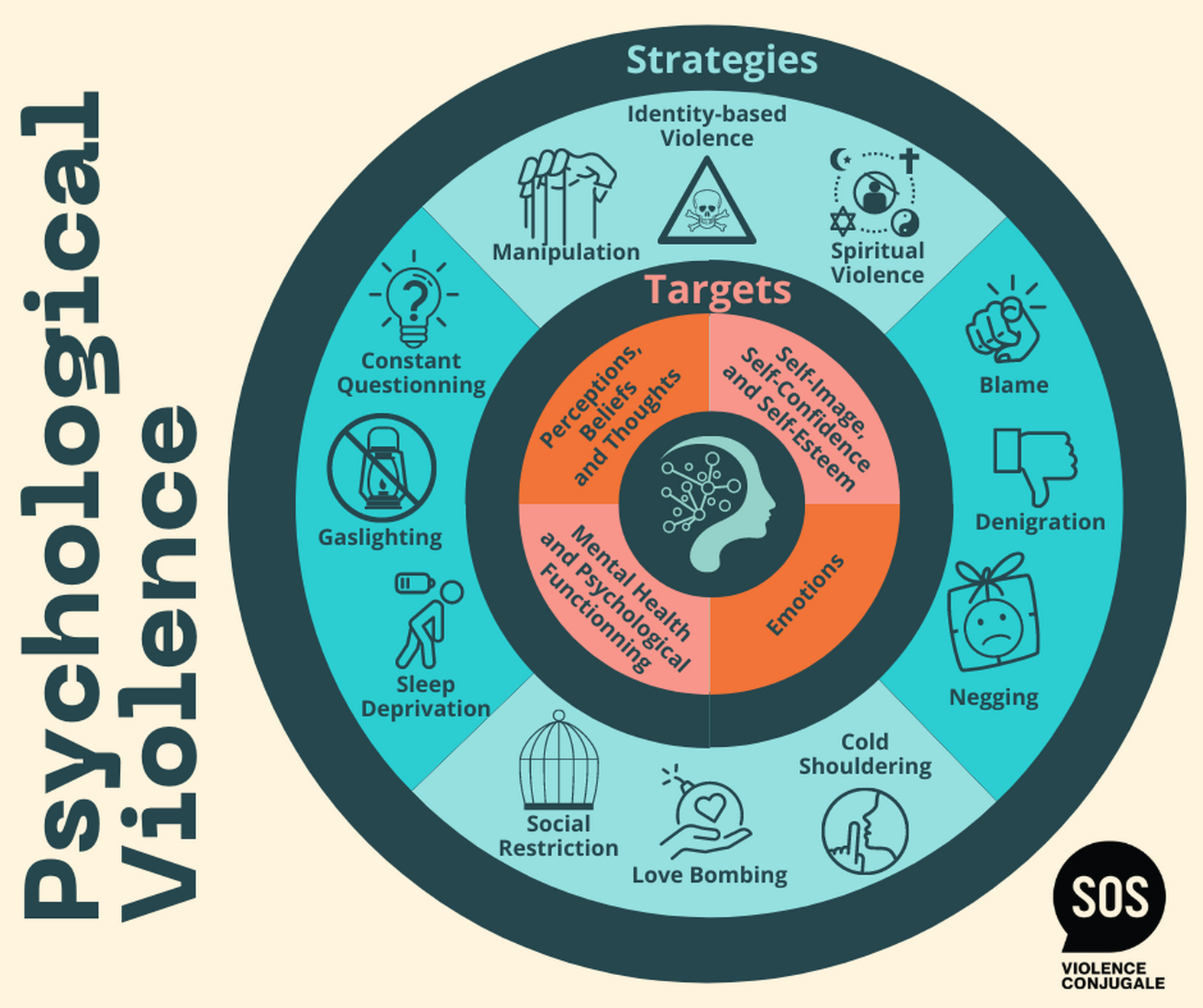
In the modern landscape of human interaction, the boundaries between the physical and digital worlds have blurred. While technology has facilitated unprecedented connectivity and innovation, it has also birthed a sophisticated medium for a traditional harm: psychological violence. No longer confined to face-to-face interactions or domestic settings, psychological violence has evolved into a digital-first phenomenon. In the tech sector, this manifests through cyber-harassment, algorithmic manipulation, and the weaponization of data to erode an individual’s sense of safety, reality, and autonomy.
Understanding psychological violence within a technological framework requires us to look beyond simple “online bullying.” It involves analyzing how software architecture, artificial intelligence, and digital surveillance tools are leveraged to inflict emotional and mental trauma. This article explores the mechanisms of digital psychological violence, the role of emerging tech like AI in escalating these harms, and the necessary shifts in cybersecurity and platform design to mitigate these risks.

1. Defining Digital Psychological Violence: Beyond the Screen
To address the issue, we must first define what psychological violence looks like when filtered through hardware and software. Unlike physical violence, which leaves visible scars, psychological violence in the tech era is often invisible, persistent, and pervasive. It is defined as the intentional use of digital tools to intimidate, isolate, degrade, or control another person.
The Mechanics of Cyber-Harassment and Ghosting
At its most basic level, digital psychological violence involves the use of communication platforms to launch sustained attacks. This isn’t merely about a single negative comment; it is about the “pile-on” effect facilitated by social media algorithms. Tech platforms are often designed for virality, which accidentally rewards high-arousal emotions like anger. When a person is targeted by a coordinated harassment campaign, the tech infrastructure amplifies the psychological weight of the attack, making it feel inescapable.
Furthermore, “digital ghosting” or “blacklisting” in professional tech circles can be a form of psychological violence. By using software to block access to professional networks or shadow-banning accounts without explanation, perpetrators can gaslight victims into questioning their professional standing and sanity, effectively “erasing” their digital presence.
Digital Gaslighting and Information Manipulation
Gaslighting—a form of psychological abuse where the victim is led to doubt their own memories or perceptions—has found a powerful ally in smart home technology and personal devices. In what is now known as “Tech-Enabled Coercive Control,” abusers may remotely control smart thermostats, lighting, or security cameras to create a sense of haunting or instability. When a victim sees their environment changing without their input, and the software logs are manipulated or hidden, the psychological toll is devastating. The very tools meant to provide convenience are turned into instruments of psychological warfare.
2. The Role of AI and Deepfakes in Psychological Warfare
The rise of Generative AI has introduced a terrifying new dimension to psychological violence. The ease with which synthetic media can be created means that a person’s likeness can be hijacked to cause profound emotional distress.
Synthetic Media as a Tool for Intimidation
Deepfakes—highly realistic, AI-generated images or videos—are increasingly used as tools for non-consensual psychological harm. Creating fake compromising footage of a colleague, competitor, or partner is a form of violence that strikes at the core of an individual’s identity. The psychological impact of seeing a “perfect” digital replica of oneself saying or doing things one never did leads to a phenomenon known as “ontological insecurity.” The victim loses trust not only in the digital world but in their own reputation and the truth of their physical existence.
Algorithmic Weaponization and Radicalization
Psychological violence can also be systemic, executed by algorithms rather than specific individuals. AI-driven recommendation engines are designed to keep users engaged. However, these systems often feed vulnerable users content that reinforces self-harm, body dysmorphia, or extreme paranoia. When a platform’s AI identifies a user’s psychological vulnerabilities and repeatedly pushes content that exacerbates those wounds to increase “dwell time,” it constitutes a form of algorithmic psychological violence. The software is effectively programmed to prioritize profit over the mental integrity of the user, leading to long-term cognitive and emotional damage.
3. Privacy as a Shield: The Intersection of Cybersecurity and Mental Safety
In the tech niche, we often discuss cybersecurity in terms of data breaches and financial loss. However, the most significant “patch” we need is for human safety. Psychological violence is frequently preceded by a breach of digital privacy.
Stalkerware and Persistent Monitoring
Stalkerware—software that can be installed on a device to monitor location, texts, and calls without the user’s knowledge—is a primary engine of psychological violence. The psychological weight of being watched 24/7 creates a state of “hyper-vigilance.” Victims feel they have no private thoughts because their digital footprint is being harvested in real-time. From a tech perspective, the industry is struggling to keep up with these apps, which often disguise themselves as parental monitoring tools or system utilities. The failure to categorize and block these tools at the OS level is a critical vulnerability that allows psychological violence to flourish.
Doxing: The Psychological Toll of Forced Exposure
Doxing, or the unauthorized publishing of private information (addresses, phone numbers, private photos), is a digital execution of psychological violence. By removing the wall between a person’s private life and a potentially hostile internet, perpetrators induce a state of terror. The tech behind doxing—people-search databases, data scrapers, and leaked credentials—is easily accessible. When someone’s private “home” (both literal and digital) is exposed, the resulting psychological trauma is akin to a physical home invasion, leading to PTSD and social withdrawal.
4. Building Human-Centric Tech: Mitigation and Digital Resilience
If technology is the medium for this violence, then better technology must be the solution. The tech industry has a moral and professional obligation to move toward “Safety by Design.”
Platform Responsibility and Safety by Design
“Safety by Design” means that software developers must consider how a feature could be weaponized for psychological abuse before it is even coded. For example, social media platforms can implement AI moderators that detect patterns of coordinated harassment rather than just flagging banned keywords. They can create “friction” in the UI—such as prompts that ask a user to rethink a harmful comment—which has been shown to reduce impulsive psychological attacks. Furthermore, messaging apps can build in “disappearing” logs or notification-free modes to help users escape the cycle of digital intimidation.
Personal Digital Hygiene and Protective Tools
On the user side, digital resilience is built through robust cybersecurity habits. This includes the use of encrypted communication tools like Signal, the implementation of hardware security keys (YubiKeys) to prevent account takeovers, and the regular auditing of app permissions to ensure no “shadow” monitoring is occurring.
However, the burden of protection should not fall solely on the potential victim. The tech industry must move toward creating more “intimacy-literate” software. This involves developing OS-level alerts that notify a user if a tracker (like an AirTag or an unrecognized background process) is moving with them. By turning our devices into guardians rather than vulnerabilities, we can begin to reclaim the digital space from those who use it as a weapon of psychological violence.

The Path Forward for the Tech Industry
Psychological violence in the digital age is a multifaceted problem that requires a multifaceted technological response. It is a bug in the social fabric that has been exploited by the features of our most common tools. As we move further into the era of AI and the “Internet of Everything,” the potential for tech-enabled psychological harm will only grow unless we prioritize digital ethics alongside digital innovation.
Software engineers, UX designers, and cybersecurity experts must recognize that the “user” is not just a data point or a source of revenue, but a human being with a psychological limit. By integrating empathy into our algorithms and privacy into our core architectures, we can ensure that the future of tech is one of empowerment, not one of digital coercion. The goal is to build a world where technology serves as a bridge for human connection, rather than a weapon for psychological destruction.
aViewFromTheCave is a participant in the Amazon Services LLC Associates Program, an affiliate advertising program designed to provide a means for sites to earn advertising fees by advertising and linking to Amazon.com. Amazon, the Amazon logo, AmazonSupply, and the AmazonSupply logo are trademarks of Amazon.com, Inc. or its affiliates. As an Amazon Associate we earn affiliate commissions from qualifying purchases.