
In the hyper-competitive landscape of global commerce, a product is no longer defined solely by its features or its price point. Instead, its success is dictated by its “position”—the specific mental space it occupies in the mind of the consumer relative to its competitors. Product positioning is the strategic exercise of defining where a brand fits in the marketplace and how it should be perceived by its target audience. It is the bridge between a tangible product and an intangible brand identity, serving as the North Star for every marketing campaign, design choice, and customer interaction.

To master product positioning is to master the art of differentiation. Without a clear position, a product is merely a commodity, subject to the whims of price wars and market fluctuations. With a strong position, a product becomes a brand: a recognizable, reliable, and desirable entity that commands loyalty and premium pricing.
Defining Product Positioning in the Modern Brand Landscape
At its core, product positioning is the process of deciding what a brand wants to be known for. It is not merely a slogan or a logo; it is a foundational strategy that informs the entire lifecycle of a product. In the modern brand landscape, where consumers are bombarded by thousands of messages daily, positioning acts as a filter, helping the right message reach the right person at the right time.
The Difference Between Positioning and Branding
While often used interchangeably, positioning and branding are distinct concepts. Branding is the broad execution of a company’s identity—its colors, voice, values, and emotional resonance. Positioning, conversely, is the tactical “wedge” that allows a brand to enter the consumer’s mind. If branding is the personality of the company, positioning is the specific reason why a customer chooses that company over another. Positioning provides the “why,” while branding provides the “who.”
Why Perception Is Reality in Competitive Markets
In marketing, facts are often secondary to perceptions. A product might technically be the fastest on the market, but if the consumer perceives a competitor as the leader in speed, the competitor owns that position. Strategic positioning is about managing these perceptions. It involves identifying the “white space” in a market—the unmet needs or overlooked segments—and claiming that territory. By anchoring a product to a specific benefit or emotion, a brand can shift the consumer’s reality, making its product the logical choice for a specific problem.
The Core Components of a Successful Positioning Strategy
Effective positioning does not happen by accident; it is the result of rigorous research and strategic alignment. To carve out a unique space in the market, a brand must synthesize three critical elements: the audience, the value, and the context.
Identifying the Target Audience and Their Pain Points
Every successful brand starts with a deep understanding of its “Who.” Positioning fails when it attempts to be everything to everyone. Instead, a brand must identify a specific persona—not just by demographics like age or location, but by psychographics, behaviors, and pain points. What keeps the customer awake at night? What are the small frustrations they face daily? By positioning a product as the specific antidote to a customer’s unique pain, the brand establishes an immediate, high-value connection.
Defining the Unique Value Proposition (UVP)
Once the audience is identified, the brand must articulate its Unique Value Proposition (UVP). This is the singular, most compelling reason why a product is better than the alternatives. It could be based on innovation, reliability, prestige, or ease of use. The key to a strong UVP is exclusivity; it should be something the competition cannot easily claim or replicate. For example, if a brand positions itself as the “most sustainable” in its category, it must back that claim with transparent supply chains and eco-friendly materials that rivals lack.
Establishing the Frame of Reference
Context is vital in positioning. To understand what a product is, consumers need to know what it is like. This is the frame of reference. If a new beverage enters the market, is it a “healthy soda,” a “sparkling juice,” or a “functional tonic”? Each category carries different expectations and competitors. By choosing a specific frame of reference, a brand dictates who its competitors are and what benchmarks consumers should use to evaluate it.
Frameworks for Crafting Your Positioning Statement
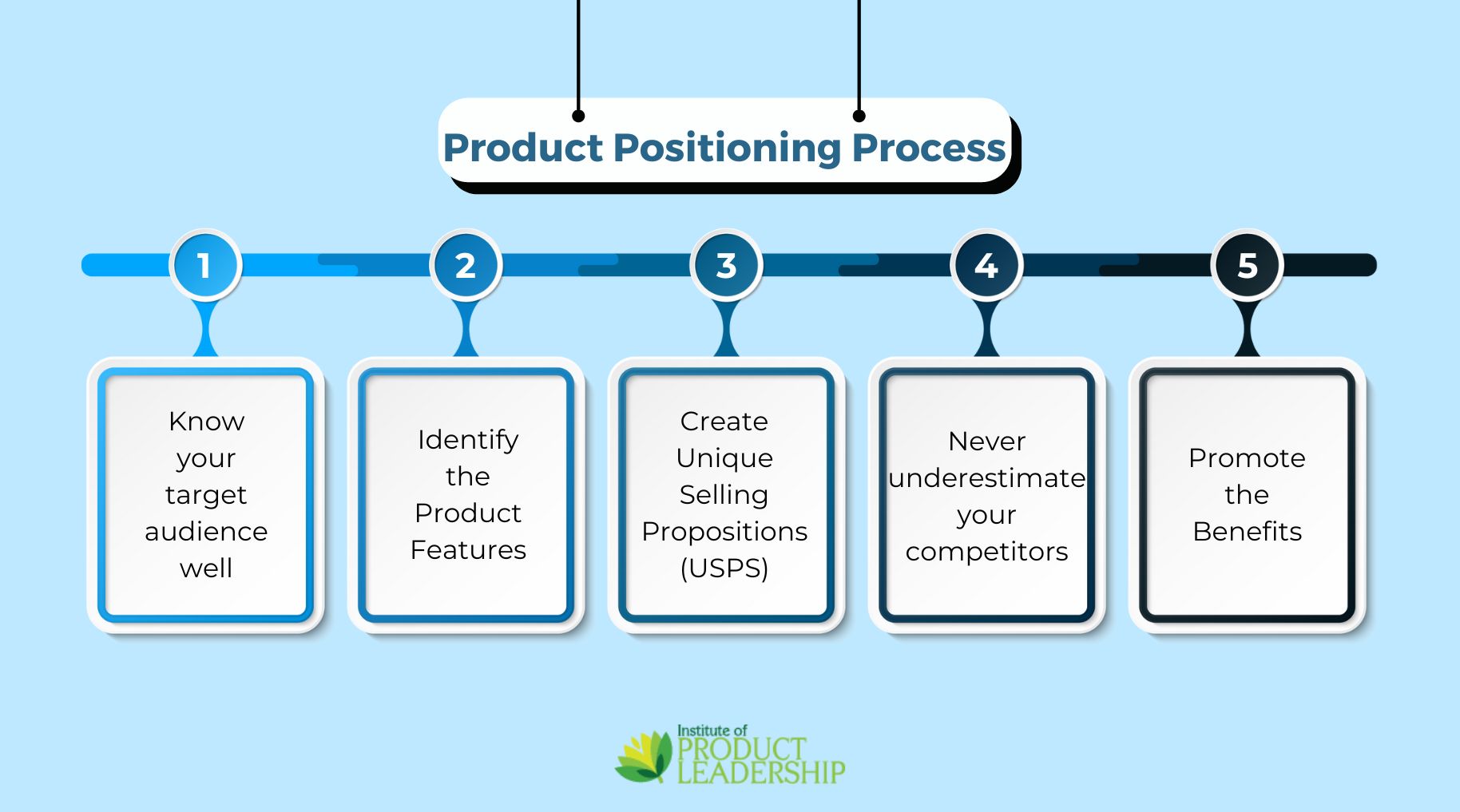
A positioning statement is an internal document that guides the brand’s strategic direction. It is a concise declaration that summarizes the target market, the category, the primary benefit, and the proof of that benefit.
The Classic Positioning Statement Template
While many variations exist, the most effective framework follows a standard logic:
“For [Target Market], [Brand Name] is the [Frame of Reference] that [Unique Value Proposition] because [Reason to Believe].”
For example, a luxury skincare brand might say: “For affluent women over 40 seeking professional-grade results at home, Aethelgard is the high-performance serum that reverses cellular aging because of our patented bio-peptide technology.” This statement provides clarity for everyone from the graphic designer to the sales executive, ensuring that all brand efforts reinforce the same message.
Value-Based vs. Competitor-Based Positioning
Brands typically choose between two primary paths for their positioning strategy:
- Value-Based Positioning: This focuses entirely on the customer’s life and the benefits they receive. It is aspirational and centers on how the product makes the user feel (e.g., Apple’s “Think Different”).
- Competitor-Based Positioning: This defines the brand in direct opposition to a market leader. It highlights the brand as the “alternative” or the “better way” compared to the status quo (e.g., Avis’s legendary “We Try Harder” campaign against Hertz).
Implementing Positioning Across Brand Touchpoints
A positioning strategy is only as strong as its execution. Once the strategy is defined, it must be woven into every “touchpoint”—any point of contact between the brand and the consumer.
Translating Strategy into Visual Identity and Messaging
The visual identity of a brand (its logo, typography, and color palette) must act as a visual shorthand for its position. A brand positioned as “rugged and outdoor-focused” would use earthy tones, heavy-duty fonts, and raw, unedited photography. Conversely, a brand positioned as “high-tech and futuristic” would opt for sleek lines, neon accents, and minimalist design. Messaging must follow suit; the tone of voice—whether authoritative, playful, or empathetic—should consistently reflect the brand’s chosen position.
Ensuring Consistency in Customer Experience
Positioning is a promise, and the customer experience is the fulfillment of that promise. If a software brand positions itself as the “easiest to use,” but its customer support is difficult to reach or its interface is cluttered, the positioning fails. Total brand alignment means that the sales process, the packaging, the product performance, and the after-purchase support all harmonize to reinforce the core position. Consistency builds trust, and trust is the foundation of brand equity.
Measuring and Evolving Your Position
The marketplace is dynamic, not static. Competitors emerge, consumer tastes shift, and new technologies disrupt established categories. Therefore, positioning must be monitored and, when necessary, evolved.
Using Perceptual Maps to Analyze Market Standing
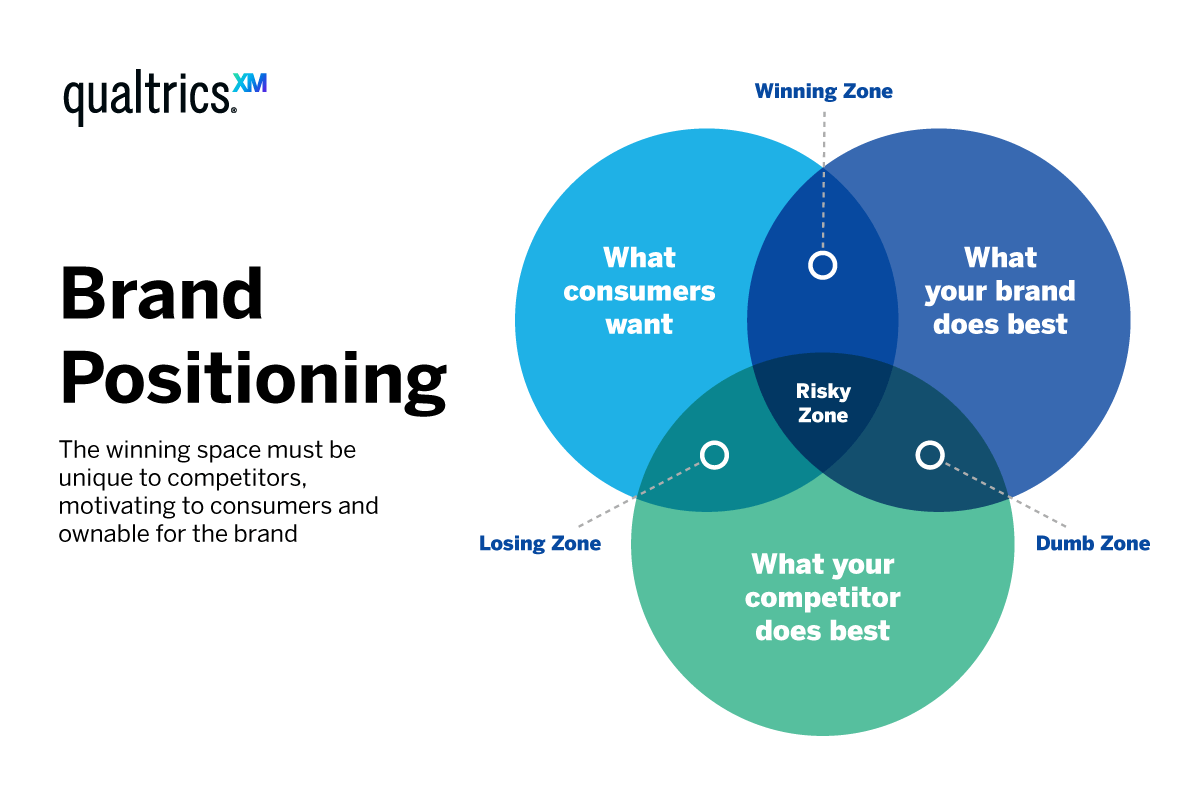
A perceptual map is a visual tool used by brand strategists to plot their brand against competitors based on two key attributes (e.g., Price vs. Quality, or Innovation vs. Tradition). This helps identify where the brand currently sits in the consumer’s mind and reveals potential gaps in the market. If the map shows a cluster of competitors in the “high price/high quality” quadrant but an empty “low price/high quality” quadrant, a brand might find an opportunity to reposition itself to fill that void.
When and How to Rebrand or Reposition
Repositioning becomes necessary when a brand’s current position no longer resonates or when the market has moved on. This is a delicate process that requires changing the consumer’s fundamental perception of the brand. Successful repositioning often involves a “rebranding” effort—a visual and narrative overhaul that signals a change in direction.
However, repositioning should not be done lightly. It requires a deep dive into why the previous position failed and a clear-eyed view of where the brand can realistically go. Whether a brand is moving from “mass market” to “premium” or from “functional” to “lifestyle,” the transition must be supported by genuine changes in the product offering and the brand’s behavior.
In conclusion, product positioning is the soul of brand strategy. It is the disciplined process of choosing what to be, who to serve, and how to win. By defining a clear, compelling, and consistent position, a brand can rise above the noise of the marketplace, creating a lasting impact that transcends the product itself. In the world of branding, you don’t just sell what you make; you sell where you stand.
aViewFromTheCave is a participant in the Amazon Services LLC Associates Program, an affiliate advertising program designed to provide a means for sites to earn advertising fees by advertising and linking to Amazon.com. Amazon, the Amazon logo, AmazonSupply, and the AmazonSupply logo are trademarks of Amazon.com, Inc. or its affiliates. As an Amazon Associate we earn affiliate commissions from qualifying purchases.