
In the landscape of modern commerce, where the lines between personal life and professional enterprise are increasingly blurred, the humble Post Office (PO) Box has evolved from a simple mail receptacle into a critical tool for financial strategy. Whether you are a burgeoning entrepreneur launching a side hustle from your kitchen table or a seasoned investor managing a diverse portfolio of real estate and digital assets, the decision to utilize a PO Box is rarely just about convenience. It is a calculated move designed to optimize business finance, mitigate risk, and establish a professional corporate identity without the exorbitant overhead of physical commercial real estate.

Understanding what a Post Office Box is—and more importantly, how it functions as a financial asset—is essential for anyone looking to navigate the complexities of 21st-century wealth management and business operations.
The Financial Logic of a Post Office Box for Small Businesses
For the modern entrepreneur, capital allocation is the difference between scaling a business and facing early insolvency. In the initial stages of a venture, every dollar redirected from unnecessary overhead toward growth-generating activities provides a significant competitive advantage. This is where the Post Office Box serves as a foundational element of a lean business model.
Reducing Overhead Costs vs. Physical Office Space
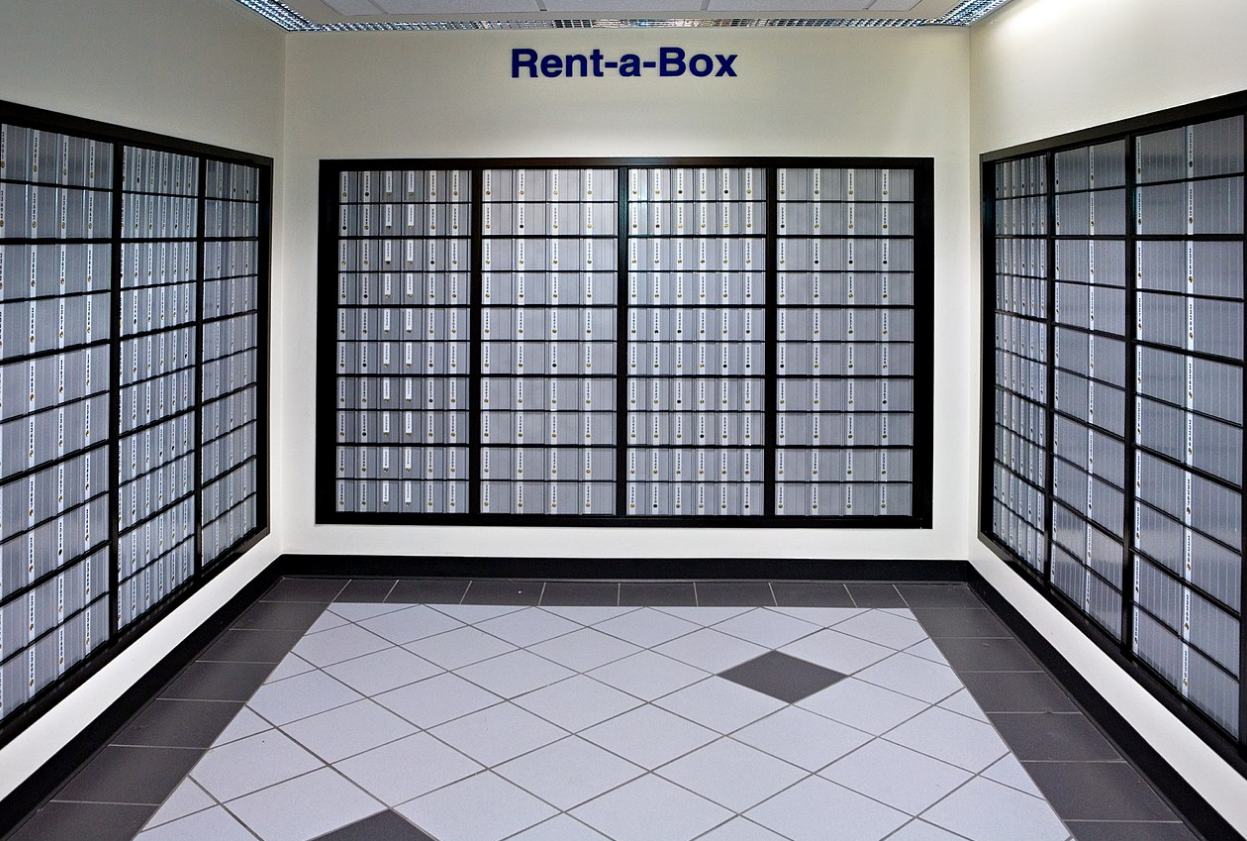
One of the most significant drains on business finance is the cost of commercial leasing. For many service-based businesses, e-commerce startups, and consultants, a physical office is an antiquated expense. However, a professional address is still a prerequisite for trust and legitimacy. By opting for a PO Box (or its sophisticated cousin, the virtual mailbox), a business owner can secure a stable professional presence for a fraction of the cost of a traditional lease.
A standard PO Box rental can cost as little as $50 to $200 per year, depending on the size and location. Compare this to the thousands of dollars required monthly for even the most modest office space, and the financial logic becomes undeniable. This “saved” capital can then be reinvested into marketing, product development, or high-yield savings accounts, effectively turning a simple mail service into a mechanism for liquidity.
Protecting Personal Assets through Privacy
In the realm of personal finance and liability, the separation of church and state—or in this case, home and business—is paramount. Using a home address for business filings, invoices, and public directories exposes an individual’s primary asset (their home) to the public eye.
From a financial risk perspective, maintaining a PO Box acts as a first line of defense. It prevents disgruntled clients or predatory entities from easily locating your residence, thereby adding a layer of security that protects your personal peace and, by extension, your financial focus. In an era where “doxing” can lead to real-world financial harassment, the small annual fee for a PO Box is a negligible insurance premium for personal asset protection.
PO Box vs. Virtual Mailbox: A Financial Cost-Benefit Analysis
As we delve deeper into the mechanics of mail management, it is important to distinguish between the traditional USPS Post Office Box and the modern Virtual Mailbox. For those focused on online income and global business finance, the choice between these two can have significant implications for operational efficiency and ROI.
Tiered Pricing Models and Service Levels
A traditional PO Box is a physical location you must visit. The cost is low, but the “time-cost” can be high. In financial terms, if an entrepreneur spends two hours a week driving to the post office, and their hourly billable rate is $100, the “real cost” of that PO Box is over $10,000 a year in lost productivity.
Conversely, a Virtual Mailbox—which provides a physical street address and digital scans of incoming mail—operates on a SaaS (Software as a Service) model. While the monthly subscription might be higher than a standard USPS box, the financial return is found in the automation. Business owners can manage their accounts payable, view checks, and forward essential documents from anywhere in the world, ensuring that cash flow is never interrupted by a lack of physical proximity to their mail.
Scalability for Global Entrepreneurs
For those generating online income across international borders, the Post Office Box serves as a “financial anchor.” It allows a digital nomad or an international seller to maintain a domestic financial presence. Many banks and merchant processors require a domestic address for compliance and anti-money laundering (AML) checks. Having a dedicated box ensures that high-stakes financial correspondence—such as new credit cards, tax documents, or legal notices—is handled securely, preventing the costly freezes on accounts that often plague under-prepared remote businesses.
Tax Implications and Legal Compliance in Business Finance
The intersection of a Post Office Box and tax law is a nuanced area that every business-minded individual must understand. While a PO Box provides privacy, its use in the eyes of the IRS and state taxing authorities requires specific handling to remain compliant and maximize deductions.
Establishing a “Nexus” and Business Residency
In the world of corporate finance, “nexus” refers to the level of connection a business has with a particular jurisdiction, which determines tax liability. Using a PO Box in a state with no income tax while physically operating in a high-tax state does not magically grant tax-free status. However, a PO Box can serve as a consistent point of contact for a business that operates across multiple states.
For the purpose of establishing a “Business Principal Address,” many states require a physical street address rather than a PO Box. This is why many savvy investors use a “Premium PO Box Service” or a private mailbox (PMB) that offers a street address. This allows the business to meet legal filing requirements while still reaping the privacy and consolidation benefits of a central mail hub.
Deductibility of Mail Management Expenses
From a bookkeeping perspective, the costs associated with a Post Office Box are generally 100% tax-deductible as a primary business expense. This includes the rental fee, the cost of keys, and any forwarding fees. When managing business finance, these small deductions add up. By funneling all business-related correspondence through a single, dedicated box, you create a clean “audit trail.” It separates personal mail (non-deductible) from business mail (deductible), making the year-end reconciliation process faster and reducing the billable hours spent with an accountant.
Maximizing ROI: How Mail Security Saves Money
Financial loss isn’t always about bad investments; often, it’s about “leakage” through fraud, theft, or administrative errors. A Post Office Box is a strategic tool for plugging these holes and ensuring that your financial data remains uncompromised.
Preventing Identity Theft and Financial Fraud
Mail theft is one of the leading contributors to identity theft, which can take years and thousands of dollars to rectify. Unlocked residential mailboxes are prime targets for “dumpster diving” and “mail fishing,” where criminals look for pre-approved credit offers, bank statements, or tax forms.
By moving these high-value documents to a locked, monitored Post Office Box within a secure facility, you drastically reduce the risk profile of your personal and business finances. The cost of a PO Box is a fraction of the cost of repairing a ruined credit score or recovering stolen funds. In financial terms, this is a proactive risk mitigation strategy that preserves your “financial reputation”—an intangible but vital asset.
Streamlining Accounts Payable and Receivable
For businesses that still deal with physical checks, the speed of the “Order-to-Cash” cycle is vital for maintaining healthy cash flow. A Post Office Box provides a centralized, professional location for all incoming payments.
When a business uses a PO Box, it signals to clients and vendors that the operation is organized and permanent. This perceived stability can lead to better credit terms with suppliers and more timely payments from clients. Furthermore, using a PO Box ensures that payments don’t get lost in the shuffle of personal household mail, ensuring that your accounts receivable are processed with military precision, thereby optimizing your working capital.

Conclusion: The PO Box as a Strategic Financial Asset
In conclusion, a Post Office Box is far more than a vintage solution for mail delivery; it is a sophisticated instrument of modern business finance. By providing a cost-effective alternative to commercial real estate, enhancing personal privacy, offering scalable solutions for the digital economy, and providing significant tax and security benefits, the PO Box remains an essential line item in the budget of any serious professional.
Whether you are looking to save money on overhead, protect your personal wealth from public exposure, or streamline your international business operations, the strategic implementation of a Post Office Box is a low-cost, high-yield move. In the pursuit of financial independence and business excellence, it is often these small, structural decisions that create the strongest foundation for long-term prosperity.
aViewFromTheCave is a participant in the Amazon Services LLC Associates Program, an affiliate advertising program designed to provide a means for sites to earn advertising fees by advertising and linking to Amazon.com. Amazon, the Amazon logo, AmazonSupply, and the AmazonSupply logo are trademarks of Amazon.com, Inc. or its affiliates. As an Amazon Associate we earn affiliate commissions from qualifying purchases.