
In the landscape of global branding, few entities command as much recognition or strategic precision as the Walt Disney Company. While the world often focuses on the “Fab Five”—Mickey, Minnie, Donald, Goofy, and Pluto—there is a foundational figure whose longevity actually predates the mouse himself. That figure is Pete. Often referred to as Peg-Leg Pete, Black Pete, or Pistol Pete, this character serves as a masterclass in brand evolution, intellectual property (IP) management, and the strategic necessity of the “Legacy Antagonist.”
To understand “what Pete is” from a brand perspective is to understand how a secondary character can sustain a brand’s narrative tension for nearly a century. Pete is not merely a cartoon villain; he is a versatile brand asset that has been pivoted, rebranded, and redesigned to meet the shifting cultural and commercial demands of the Disney empire.
The Brand Origins of Pete: More Than Just a Villain
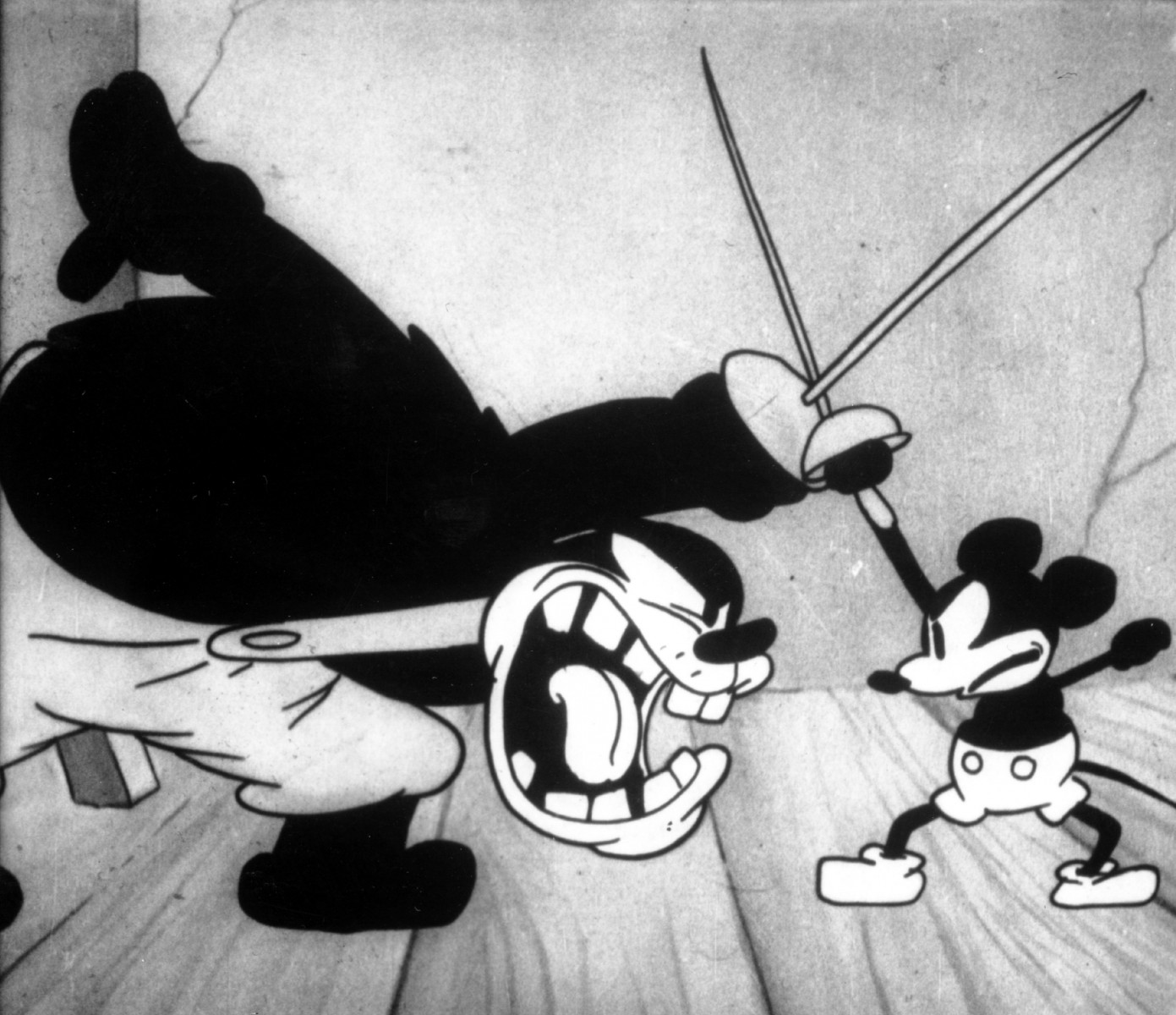
Pete holds a unique distinction in the Disney portfolio: he is the oldest recurring character in the company’s history. Created by Walt Disney and Ub Iwerks in 1925, Pete debuted in the Alice Comedies three years before Mickey Mouse ever appeared in Steamboat Willie. From a brand strategy standpoint, Pete represents the bedrock of Disney’s narrative conflict.
From Alice to Mickey: Pete’s Role in Disney’s Foundation
In his earliest iterations, Pete was a bear-like figure, appearing as a formidable adversary in the silent era of animation. His role was to provide “narrative friction.” In branding, narrative friction is essential; a hero brand like Mickey Mouse cannot demonstrate resilience, kindness, or ingenuity without a consistent counterpoint. Pete was developed to be the antithesis of the Disney “Magic.” Where Mickey was optimistic and small, Pete was cynical, hulking, and intimidating. This binary opposition allowed Disney to establish a clear moral framework for its brand identity from the very beginning.
Iterative Branding: The Species Ambiguity
One of the most fascinating aspects of Pete’s corporate identity is his biological ambiguity. While he began as a bear, he eventually transitioned into a large anthropomorphic cat. This transition highlights a key principle in brand management: adaptability. By not strictly defining Pete’s species in the early years, Disney maintained the flexibility to redesign him to fit the aesthetic trends of different eras. Whether he was a rough-and-tumble steamboat captain or a suburban father, Pete’s core brand essence—that of a disruptive force—remained intact even as his physical attributes shifted to meet new production standards.
Character Archetypes as Brand Assets
Every successful brand ecosystem requires a variety of archetypes to remain engaging over long periods. Pete fills the “Shadow” archetype. In the context of corporate identity, the Shadow character allows a brand to explore themes that the primary mascot cannot. Mickey Mouse, as a global symbol of joy and innocence, is restricted by “brand safety” protocols. Mickey cannot be greedy, lazy, or ill-tempered without damaging his billion-dollar equity. Pete, however, can.
The Utility of the Eternal Rival
Pete serves as the “Eternal Rival,” a strategic tool that allows Disney to recycle conflict without needing to introduce new, unproven characters. By utilizing Pete across different franchises—from Mickey Mouse Works to Kingdom Hearts—Disney leverages “legacy equity.” Audiences already have a pre-existing emotional connection to Pete, even if that connection is one of mild antagonism. This reduces the “onboarding cost” for new content; the audience doesn’t need to learn who the villain is, they only need to see how Pete is being utilized in this specific context.
Maintaining Brand Consistency Across Eras
Throughout the 1930s and 40s, Pete was often portrayed as a legitimate threat—a criminal or a bully. However, as Disney’s brand identity shifted toward more family-centric, wholesome entertainment in the mid-20th century, Pete’s brand had to shift as well. He became less of a “villain” and more of a “nuisance.” This reflects a sophisticated understanding of brand positioning. Disney recognized that to keep Pete relevant in a domestic-focused market, he needed to be someone the audience could recognize in their own lives: the grumpy neighbor, the dishonest salesman, or the overbearing boss.
Pete’s Transformation: Adaptation to Shifting Market Demands
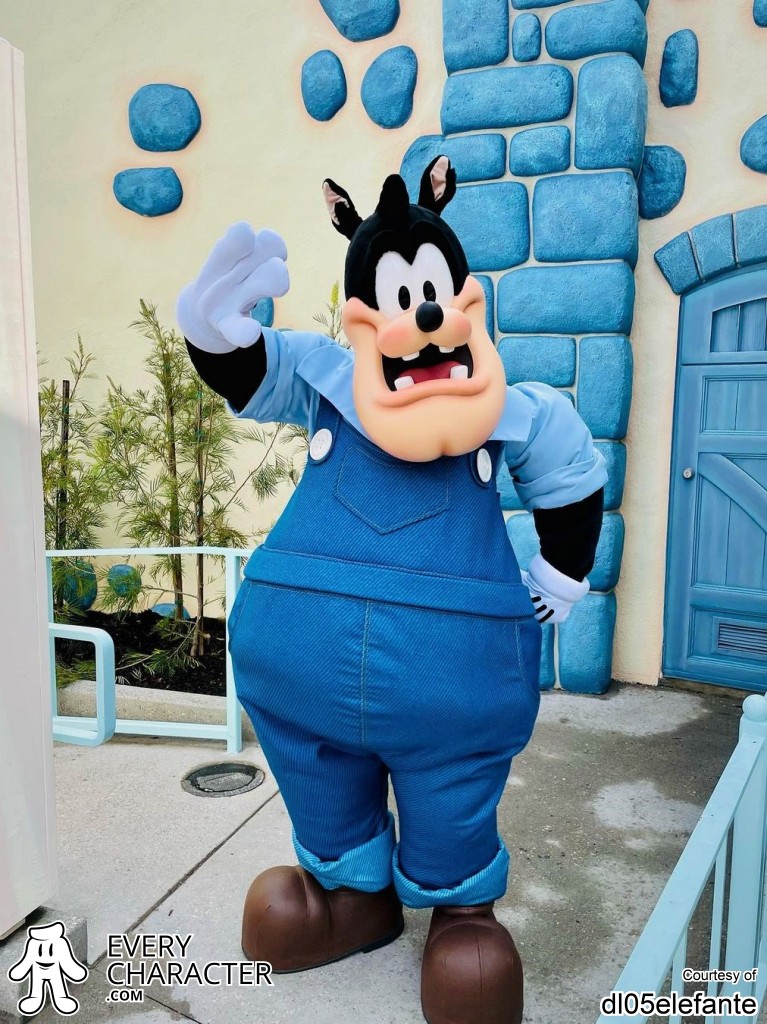
The most significant rebrand of Pete occurred in the 1990s with the debut of Goof Troop. This era marked a departure from his role as a one-dimensional antagonist and transformed him into a complex, albeit flawed, suburbanite.
Softening the Image for Goof Troop
In Goof Troop, Pete was rebranded as “P.J. Pete Senior,” a used-car salesman and father. This was a calculated move by Disney to tap into the “sitcom” market trend of the early 90s. By making Pete a neighbor to Goofy, Disney humanized the antagonist. From a brand strategy perspective, this expanded the “Pete IP” significantly. He was no longer just a foil for Mickey; he was a character capable of leading his own sub-plots. This “softening” of the brand allowed Disney to market Pete to a younger demographic who might have found his earlier, more aggressive iterations too frightening.
Modern Multi-Media Integration
Today, Pete’s brand is managed through a multi-platform approach. In the Kingdom Hearts video game franchise, he returns to a more traditional villainous role, serving as a secondary antagonist. Meanwhile, in Mickey Mouse Funhouse, he is often a misunderstood friend or a comedic participant in group activities. This “fluid positioning” is a masterclass in modern brand management. Pete is treated as a versatile actor who can be “cast” in different roles depending on the target audience (Gen Z gamers vs. Gen Alpha preschoolers), all while maintaining the core visual identity that makes him instantly recognizable.
Lessons in Intellectual Property Management
Pete’s century-long career offers several high-level insights for brand strategists and IP managers. He is a testament to the fact that a brand does not always need to be liked to be valuable; it simply needs to be essential to the narrative.
Longevity Through Versatility
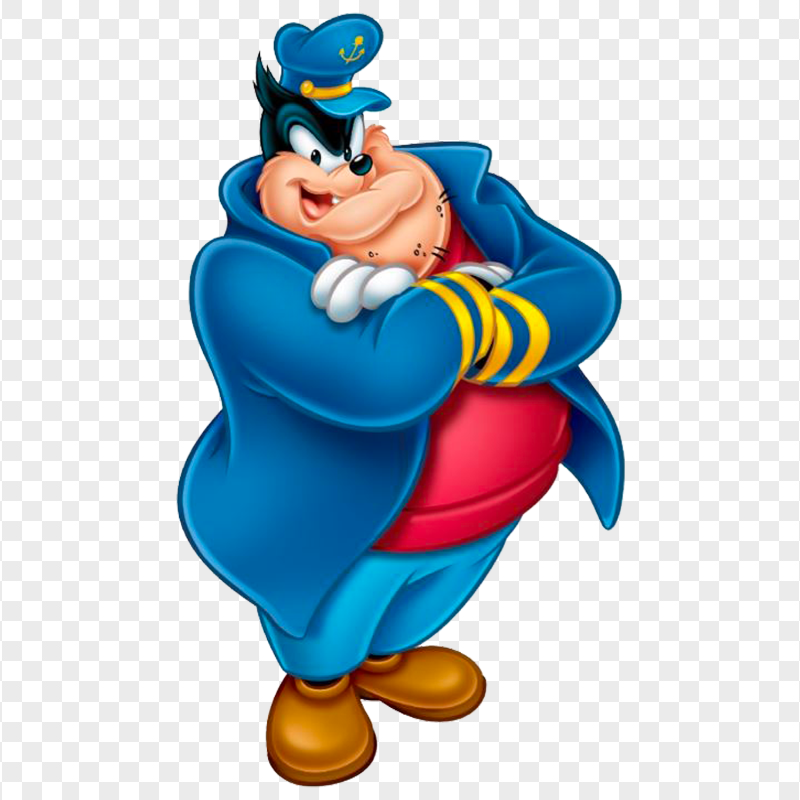
The primary reason Pete has survived since 1925 is his versatility. Unlike characters who are tied to a specific gimmick or time period, Pete is defined by his personality traits—selfishness, ambition, and a hidden streak of vulnerability. These are universal human traits that do not go out of style. Brands that build their identity around universal archetypes rather than fleeting trends are much more likely to achieve “legacy status.” Pete’s ability to transition from a peg-legged pirate to a suburban car dealer is proof of a robust brand architecture.
The “Frenemy” Strategy in Brand Partnerships
In recent decades, Disney has increasingly used Pete in a “frenemy” capacity. This is a strategic branding move that reflects the modern consumer’s preference for moral ambiguity over black-and-white heroism. By allowing Pete to occasionally team up with the heroes or show moments of genuine fatherly love (particularly with his son, P.J.), Disney adds depth to their entire character roster. This “Frenemy” strategy keeps the brand narrative from becoming stale and predictable, ensuring that even a 100-year-old character can still surprise the audience.
Conclusion: Why Every Major Brand Needs a Pete
In the final analysis, “what Pete is” is a pillar of the Disney brand’s structural integrity. He is the personification of the obstacles we face, the flaws we possess, and the persistence required to overcome them. From a strategic branding perspective, Pete is a reminder that every hero needs a shadow.
Without Pete, Mickey Mouse’s kindness has no context. Without Pete, Goofy’s innocence has no contrast. Pete is the “useful antagonist,” a brand asset that provides the necessary friction to generate heat, light, and motion within the Disney universe. For any organization looking to build a lasting brand, the lesson of Pete is clear: do not fear the antagonist. Instead, cultivate a legacy character who can grow, adapt, and challenge your primary message, ensuring that your brand remains dynamic and relevant for generations to come. Pete is not just a cat, a bear, or a villain; he is the enduring engine of conflict that keeps the world’s most successful storytelling brand moving forward.
aViewFromTheCave is a participant in the Amazon Services LLC Associates Program, an affiliate advertising program designed to provide a means for sites to earn advertising fees by advertising and linking to Amazon.com. Amazon, the Amazon logo, AmazonSupply, and the AmazonSupply logo are trademarks of Amazon.com, Inc. or its affiliates. As an Amazon Associate we earn affiliate commissions from qualifying purchases.