
In the world of global marketing and corporate identity, few organizations possess the longevity, recognition, and emotional resonance of the Catholic Church. When we examine “Palm Sunday” from a brand strategy perspective, we are looking at one of the most successful examples of seasonal branding and experiential marketing in human history. Palm Sunday marks the beginning of Holy Week, but for a brand strategist, it represents a masterclass in visual storytelling, sensory engagement, and the maintenance of a multi-generational corporate identity.
To understand what Palm Sunday represents within the Catholic brand, one must look beyond the theology and into the mechanics of how an institution maintains a consistent message across two billion “stakeholders” worldwide. This article explores the strategic elements of Palm Sunday, analyzing how ritual functions as a brand touchpoint and how ancient symbols continue to command market attention in the 21st century.

The Power of Visual Identity in Global Rituals
A brand is defined by its ability to be recognized without a name being spoken. Just as the “Swoosh” identifies Nike, the palm branch serves as a primary visual asset for the Catholic brand during the spring season. This visual identity is not merely decorative; it is a functional tool for community cohesion and global recognition.
Symbolism as a Non-Verbal Brand Asset
The palm branch is an iconic brand asset. In the context of Palm Sunday, it serves as a “tangible takeaway”—a physical piece of the brand experience that the participant carries home. From a strategy standpoint, this is a brilliant move in brand reinforcement. By providing a physical object that lasts beyond the event, the “brand” stays present in the home of the consumer for weeks or even months.
This use of organic symbolism ensures that the brand remains eco-friendly and timeless, avoiding the pitfalls of modern plastic-heavy marketing. The palm itself evokes peace, victory, and triumph—values that the Catholic brand seeks to associate with its core identity.
Consistency Across Geographic Markets
One of the greatest challenges for any global brand is maintaining consistency across different cultures and languages. The Catholic Church solves this through the standardization of the Palm Sunday liturgy. Whether a follower is in Rome, Manila, or New York, the “user experience” remains remarkably similar.
The procession, the blessing of the branches, and the reading of the Passion narrative are “standard operating procedures” (SOPs) that ensure brand integrity. This consistency builds trust; the “customer” knows exactly what to expect when they walk into any franchise (parish) on this specific day.
Storytelling and the Narrative Arc of Holy Week
Every successful brand strategy is built on a compelling narrative. Palm Sunday serves as the “hook” or the “inciting incident” in the most important week of the liturgical calendar. It sets the stage for the narrative arc that follows, utilizing classic storytelling techniques to engage the audience’s emotions.
The Triumphal Entry: Establishing the Hero’s Journey
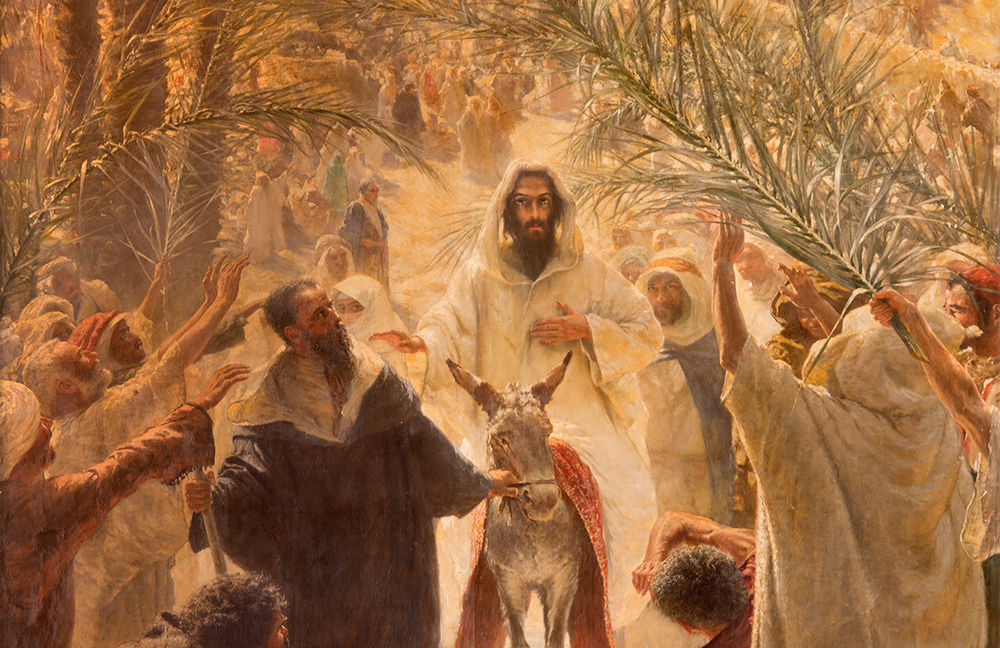
In brand storytelling, the “Hero’s Journey” is a common framework used to build affinity. Palm Sunday depicts the “triumphal entry” into Jerusalem. Strategically, this creates a peak emotional moment of celebration and high “brand equity.” By establishing this high point, the brand creates a deeper emotional valley for the events of Good Friday, making the ultimate “product launch” (Easter) significantly more impactful.
This narrative pacing is essential for maintaining engagement over an eight-day period. It prevents “audience fatigue” by varying the emotional tone of the brand message from joy on Sunday to somber reflection on Friday, and finally to jubilation on the following Sunday.
Building Emotional Resonance with the Audience
The Catholic brand excels at “affective marketing”—marketing that appeals to the heart rather than just the mind. Palm Sunday is not presented as a dry history lesson; it is an invitation to participate in a live drama. Participants don’t just watch the story; they become the crowd in the story.
By shouting “Hosanna” and holding branches, the audience is converted from passive observers to active brand ambassadors. This level of participation is something modern lifestyle brands (like Apple or Peloton) strive to achieve: a state where the consumer feels that the brand’s story is their own story.
Experiential Marketing: The Sensory Engagement of the Liturgy
Modern brand strategy is shifting away from simple advertisements toward “experiential marketing”—creating memorable, multi-sensory interactions. The Catholic Church has been a pioneer in this field for centuries, and Palm Sunday is a primary example of how to engage all five senses to solidify brand loyalty.
Tangible Touchpoints: The Palm Branch
We have discussed the palm as a symbol, but its role as a tactile object is equally important. In an increasingly digital world, “tactile branding” is a powerful way to cut through the noise. The physical act of receiving a palm, holding it during a procession, and later weaving it into a cross or placing it behind a crucifix at home creates a “haptic” connection to the brand.
This physical interaction creates a more lasting memory than a digital ad or a spoken word. It is a “physical touchpoint” that reinforces the brand’s presence in the physical reality of the participant’s daily life.
Ritual as Communal Brand Experience
Palm Sunday often involves a procession, which is essentially a “brand parade.” By moving the ritual outside the walls of the church and into the streets, the brand increases its visibility to non-consumers (the general public).
This public display functions as a form of “organic reach.” It demonstrates the size and commitment of the community, creating a “social proof” effect. When people see their neighbors participating in a unified movement, it reinforces the brand’s social relevance and power within the local “market.”
Maintaining Relevance: Adapting the Catholic Brand for the Digital Age
Even a brand with 2,000 years of history must adapt to new technology and shifting consumer behaviors. The “Catholic brand” has shown remarkable resilience in how it translates the ancient traditions of Palm Sunday into the modern digital landscape.
Social Media and the Modernization of Tradition
In the last decade, Palm Sunday has become a highly “Instagrammable” event. The aesthetic of the palm branches, the vibrant red vestments, and the outdoor processions provide perfect content for social media platforms.
The Church’s strategy has evolved to encourage this digital sharing. Many parishes now use specific hashtags, livestream their processions, and create digital “toolkits” for families to celebrate at home. This turns every parishioner with a smartphone into a micro-influencer for the brand. By allowing the tradition to be captured and shared digitally, the brand maintains its “cool factor” and relevance among younger demographics who live in a digital-first world.
Preservation vs. Innovation
The core challenge of the Catholic brand strategy is the balance between “heritage” and “innovation.” If the brand changes too much, it loses its “authentic” appeal; if it doesn’t change at all, it becomes an obsolete “legacy brand.”
Palm Sunday strikes this balance perfectly. The core components—the palms and the story—remain unchanged (heritage), but the delivery methods—livestreaming, social media engagement, and community outreach apps—are constantly updated (innovation). This allows the brand to appeal to “traditionalist” segments while still being accessible to “modernist” segments.

Conclusion: The ROI of Ritual
When we ask “What is Palm Sunday” through the lens of brand strategy, the answer is clear: it is a high-impact, multi-sensory brand activation that leverages ancient iconography and masterful storytelling to maintain global market share. The “Return on Investment” (ROI) for this ritual is not measured in dollars, but in “Brand Equity”—the depth of loyalty, the persistence of the community, and the continuity of the institution’s identity over millennia.
The Catholic Church’s ability to turn a historical narrative into a recurring, global event is a feat that any modern corporate strategist would admire. By utilizing the palm branch as a visual asset, the liturgy as a standardized user experience, and the story of the Passion as a compelling narrative arc, the Church ensures that its brand remains “top of mind” during its most critical season. Palm Sunday is more than a religious observance; it is a testament to the power of a well-executed brand strategy that transcends time, geography, and culture.
aViewFromTheCave is a participant in the Amazon Services LLC Associates Program, an affiliate advertising program designed to provide a means for sites to earn advertising fees by advertising and linking to Amazon.com. Amazon, the Amazon logo, AmazonSupply, and the AmazonSupply logo are trademarks of Amazon.com, Inc. or its affiliates. As an Amazon Associate we earn affiliate commissions from qualifying purchases.