
The landscape of global finance has undergone a seismic shift over the last two decades. Gone are the days when trading stocks or currencies required a physical presence on a frantic exchange floor or a series of expensive phone calls to a high-commission broker. Today, the power to participate in the world’s most liquid markets resides in the palm of your hand. Online trading has democratized the world of finance, allowing individual investors to manage their own portfolios, speculate on price movements, and build wealth from anywhere with an internet connection.
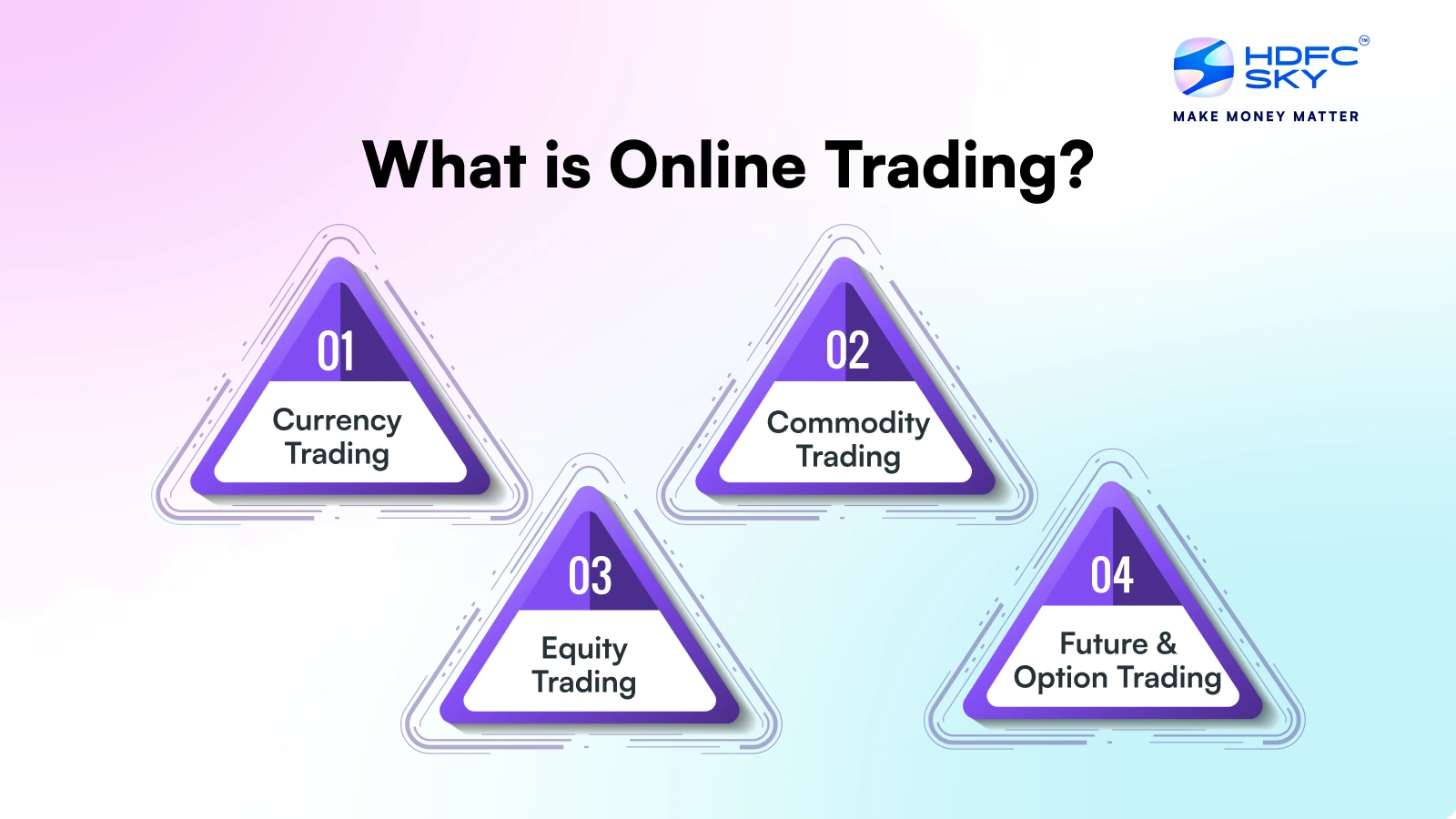
At its core, online trading is the act of buying and selling financial assets through a web-based platform provided by a brokerage firm. Whether it is stocks, bonds, currencies, or commodities, the digital interface acts as a gateway to the global economy. For the modern investor, understanding the mechanics, strategies, and risks of online trading is no longer just an advantage—it is a necessity for navigating the contemporary financial ecosystem.
The Foundations of Online Trading: How the Digital Market Operates
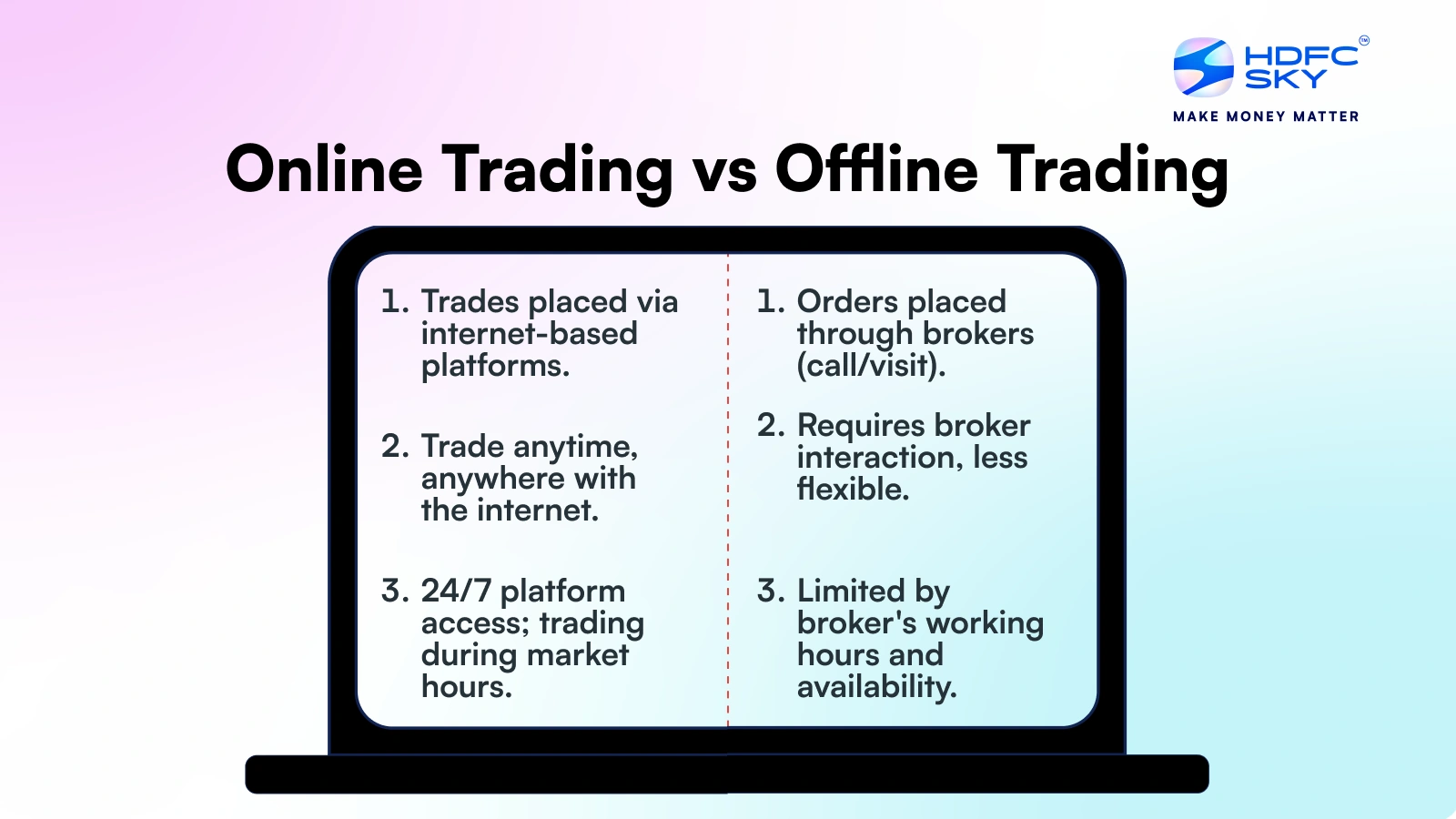
To understand online trading, one must first understand the infrastructure that supports it. Unlike traditional trading, which relied on human intermediaries and physical paperwork, online trading is driven by high-speed data transmission and sophisticated software. This transition has significantly lowered the barriers to entry, making it possible for someone with a few hundred dollars to compete in the same arena as institutional giants.
The Role of the Online Broker
An online broker serves as the intermediary between the individual trader and the financial markets. Because individuals cannot trade directly on exchanges like the New York Stock Exchange (NYSE) or the NASDAQ, the broker provides the necessary access. These platforms offer more than just an “order button”; they provide real-time price quotes, historical data, and a suite of analytical tools. In exchange for these services, brokers may charge commissions, though many modern platforms have shifted toward a “zero-commission” model, earning revenue through the “spread”—the difference between the buy and sell price.
Diverse Asset Classes
Online trading is not limited to a single market. The versatility of modern platforms allows investors to diversify their capital across various asset classes:
- Equities (Stocks): Buying shares of ownership in public companies.
- Forex (Foreign Exchange): Trading one currency against another in the world’s largest financial market.
- Commodities: Investing in physical goods like gold, oil, or agricultural products.
- Indices: Trading on the performance of a group of stocks, such as the S&P 500.
- Cryptocurrencies: Speculating on digital assets like Bitcoin and Ethereum.
Trading Platforms and User Interfaces
The user interface (UI) of a trading platform is the trader’s cockpit. Professional-grade platforms offer features such as “one-click trading,” customizable charting software, and news feeds. The efficiency of these platforms is measured by “latency”—the speed at which an order is executed. In the world of online trading, even a millisecond of delay can impact the profitability of a trade, making the choice of a robust, high-performance platform a critical financial decision.
Strategic Approaches to Online Investing
Success in online trading is rarely the result of luck. It is a disciplined practice rooted in strategy and analysis. Traders generally categorize themselves based on their time horizons and the methods they use to evaluate potential investments.
Day Trading vs. Swing Trading
The time frame of a trade dictates the strategy. Day traders open and close positions within a single trading day, seeking to capitalize on small price fluctuations. This requires constant monitoring and a high tolerance for stress. On the other hand, swing traders hold positions for several days or weeks, aiming to capture “swings” in market sentiment. For those with full-time jobs, swing trading often proves more sustainable as it requires less frequent screen time while still offering significant growth potential.
Fundamental Analysis: Evaluating Value
Fundamental analysis is the study of the underlying factors that affect an asset’s value. For a stock trader, this involves analyzing a company’s earnings reports, balance sheets, and management quality. For a Forex trader, it involves looking at national interest rates, GDP growth, and geopolitical stability. The goal of fundamental analysis is to determine the “intrinsic value” of an asset; if the current market price is lower than the intrinsic value, the trader sees a buying opportunity.
Technical Analysis: The Power of Patterns
Technical analysis ignores the “why” and focuses on the “what.” It is the study of historical price action and volume to predict future movements. Technical traders use charts to identify patterns, such as “Head and Shoulders” or “Double Bottoms,” and utilize indicators like Moving Averages or the Relative Strength Index (RSI). The philosophy behind technical analysis is that all known information is already reflected in the price, and that human behavior in markets tends to repeat itself in predictable cycles.
Risk Management and the Psychology of Money
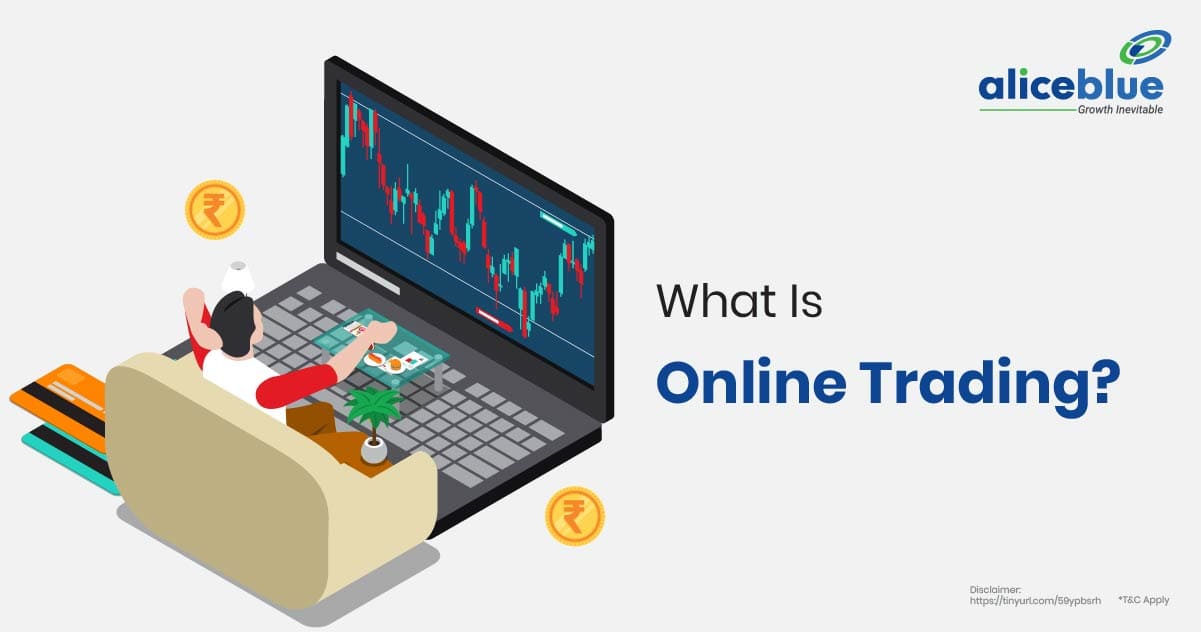
The most significant hurdle in online trading is not learning how to buy, but learning how to manage the risk of loss. In the digital environment, where numbers move rapidly across a screen, it is easy to lose sight of the fact that those numbers represent hard-earned capital.
Setting Stop-Loss and Take-Profit Orders
One of the greatest advantages of online trading is the ability to automate risk management. A Stop-Loss order is a pre-set instruction to close a trade if the price hits a certain level of loss, preventing a bad trade from becoming a catastrophic one. Conversely, a Take-Profit order ensures that you lock in gains once a specific target is reached. Utilizing these tools removes the need for emotional decision-making during the heat of market volatility.
Emotional Discipline in Trading
The “Money” niche is as much about psychology as it is about math. Two primary emotions drive market cycles: fear and greed. Greed leads traders to over-leverage their accounts or “chase” a rising price, while fear causes them to exit good positions too early or freeze when they should be cutting losses. Successful online traders treat their activity as a business, maintaining a neutral emotional state and adhering to a strict trading plan regardless of short-term outcomes.
Diversification as a Wealth Shield
“Don’t put all your eggs in one basket” is the golden rule of personal finance. Online trading platforms make it incredibly easy to spread risk. By holding a mix of uncorrelated assets—for example, pairing tech stocks with gold or government bonds—a trader can ensure that a downturn in one sector does not wipe out their entire portfolio. Diversification is the only “free lunch” in finance, providing a cushion against the inherent unpredictability of the global markets.
The Financial Tools and Technology Empowering Individual Traders
The evolution of online trading is inextricably linked to the advancement of financial technology (FinTech). These tools have moved from the exclusive domain of hedge funds into the hands of the retail investor.
Real-Time Data and Analytics
Information is the currency of the markets. In the past, retail investors received news hours or even days after institutional players. Today, online trading platforms provide real-time “Level 2” data, which shows the “depth of market”—the specific buy and sell orders waiting to be filled. Combined with real-time news aggregators, individual traders can react to global events at the same speed as professional fund managers.
Algorithmic and Automated Trading
Perhaps the most advanced frontier of online trading is the use of “bots” or algorithms. These are programs designed to execute trades based on specific criteria without human intervention. While “High-Frequency Trading” (HFT) remains the territory of large firms, many retail platforms now allow users to build or purchase “Expert Advisors” (EAs). This allows for 24/7 market participation and ensures that trades are executed with mathematical precision, free from human error or hesitation.
Mobile Trading Accessibility
The rise of mobile trading apps has turned the world into a global trading floor. An investor can check their portfolio while commuting, enter a trade during a lunch break, or adjust a stop-loss order while traveling. This constant accessibility has increased market liquidity but also requires higher levels of self-discipline to avoid the temptation of “over-trading” or making impulsive decisions based on temporary market noise.
Navigating the Legal and Ethical Landscape
As online trading has grown, so too has the regulatory framework designed to protect investors. Trading is a serious financial endeavor, and it is vital to operate within the bounds of the law to ensure the safety of your capital.
Regulatory Bodies and Compliance
Before committing funds to an online broker, a trader must ensure the firm is regulated by a reputable authority. In the United States, this includes the Securities and Exchange Commission (SEC) and the Financial Industry Regulatory Authority (FINRA). In the UK, it is the Financial Conduct Authority (FCA). These bodies ensure that brokers maintain adequate capital reserves, keep client funds in segregated accounts, and provide transparent pricing.
Understanding Tax Implications
Online trading is a taxable activity. Depending on your jurisdiction, profits may be subject to Capital Gains Tax (CGT) or income tax. Furthermore, the duration for which you hold an asset often determines the tax rate; in many regions, “long-term” capital gains are taxed more favorably than “short-term” gains. Maintaining meticulous records of every trade—entry price, exit price, dates, and fees—is essential for accurate financial reporting and maximizing after-tax returns.
Conclusion: The Future of Personal Wealth through Online Trading
Online trading has fundamentally altered the relationship between individuals and their money. It has transformed the stock market from a mysterious “black box” into a transparent and accessible tool for financial independence. However, the ease of access should not be mistaken for an ease of success. The digital market is a meritocracy that rewards education, patience, and rigorous risk management.
As technology continues to evolve—with the integration of artificial intelligence for predictive analytics and blockchain for instant settlement—the opportunities for the online trader will only expand. By viewing online trading not as a “get-rich-quick” scheme but as a sophisticated method of capital allocation and wealth preservation, individuals can take full control of their financial destinies in the digital age.
aViewFromTheCave is a participant in the Amazon Services LLC Associates Program, an affiliate advertising program designed to provide a means for sites to earn advertising fees by advertising and linking to Amazon.com. Amazon, the Amazon logo, AmazonSupply, and the AmazonSupply logo are trademarks of Amazon.com, Inc. or its affiliates. As an Amazon Associate we earn affiliate commissions from qualifying purchases.