
In the world of brand strategy, few identities have achieved the level of global recognition, visual consistency, and emotional resonance as the Rastafarian movement. While fundamentally a spiritual and sociopolitical movement born in the 1930s in Jamaica, Rastafarianism provides a masterclass in how a distinct set of values, aesthetics, and narratives can coalesce into a “brand” that transcends geographic, linguistic, and cultural boundaries.
To understand Rastafarianism through the lens of brand strategy is not to diminish its sacred roots, but to analyze how its core “identity assets”—from the iconic tri-color palette to the philosophy of “Livity”—have built a legacy that continues to influence global marketing, fashion, and lifestyle industries. This article explores the mechanics of the Rastafarian identity, the power of its visual language, and the lessons modern brands can learn from its enduring influence.

1. The Core Pillars of the Rastafarian Brand Identity
At the heart of any successful brand is a clear, unwavering identity. For Rastafarianism, this identity was forged in resistance to “Babylon” (the oppressive systemic structures of the Western world) and a yearning for “Zion” (the ancestral homeland of Africa). This binary positioning creates a powerful narrative arc that is essential for brand loyalty.
Visual Language: The Power of Red, Gold, and Green
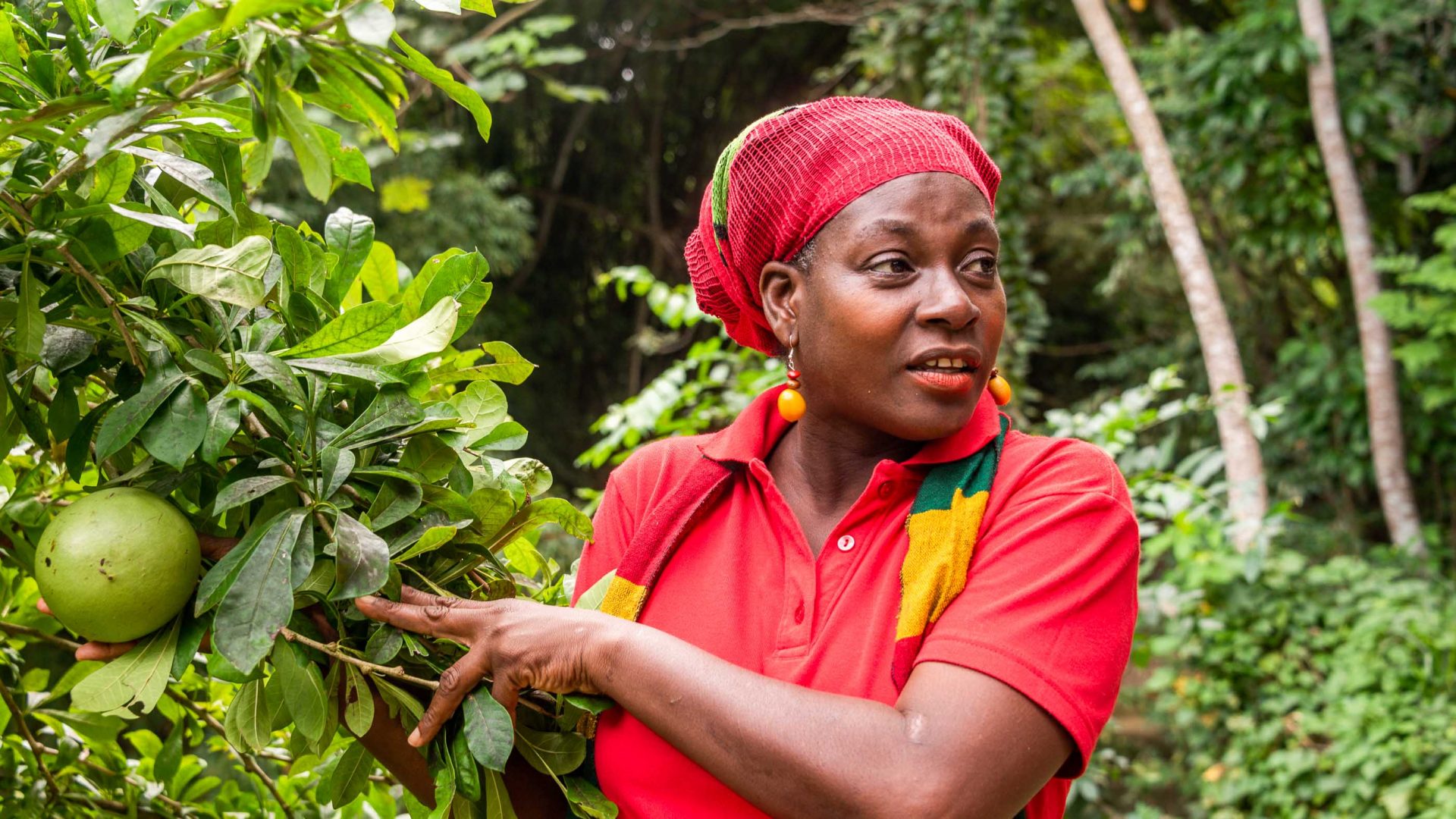
The most immediate identifier of the Rastafarian “brand” is its color scheme. Derived from the Ethiopian flag, the combination of red, gold, and green serves as a primary visual asset. In branding terms, these colors signify more than just aesthetics; they represent specific brand values:
- Red: The blood of martyrs and the history of struggle.
- Gold (Yellow): The mineral wealth of Africa and the sun.
- Green: The lush vegetation and the promise of the “Promised Land.”
This color palette has become so iconic that its presence alone can signal an entire lifestyle to a consumer, demonstrating the power of consistent visual messaging.
Iconography and Aesthetic: The Lion of Judah and Dreadlocks
Beyond color, the movement utilizes potent symbols that act as “logos” for its philosophy. The Lion of Judah represents Haile Selassie I, strength, and royalty. Simultaneously, the cultivation of dreadlocks serves as a physical manifestation of the brand’s commitment to naturalism and a rejection of Eurocentric grooming standards. For a brand strategist, this is the ultimate form of “lifestyle integration”—where the adherent’s physical appearance becomes an ambassador for the movement’s values.
Linguistic Branding: The “I and I” Philosophy
Language is a critical component of brand identity. Rastafarians developed “Dread Talk” or “Iyaric,” a dialect designed to reclaim language from colonial influences. The most significant term, “I and I,” reflects the brand’s core value of oneness between the individual, the community, and the divine. This unique vocabulary creates an “in-group” feeling, a tactic used by modern tech and lifestyle brands to build community exclusivity and deep-seated loyalty.
2. The Role of the “Ultimate Brand Ambassador”: Bob Marley
Every iconic brand has a face that personifies its values. For Rastafarianism, that figure was Bob Marley. His role in the global expansion of the Rastafarian identity cannot be overstated; he was the catalyst that took a localized Jamaican movement and scaled it into a worldwide phenomenon.
Transcending Geographic Boundaries
Marley utilized the medium of Reggae music—the “sonic brand” of Rastafarianism—to export the movement’s message. Through his lyrics, he communicated the “brand promise” of peace, love, and revolution. By the 1970s, Marley had successfully “positioned” Rastafarianism not just as a Caribbean religion, but as a universal symbol of resistance against oppression. This is a classic example of how a charismatic leader can act as a bridge, making complex ideologies accessible to a mass market.
Authenticity as a Value Proposition
In the modern marketing landscape, “authenticity” is a buzzword, but for Marley and the Rastafarian movement, it was the foundation. The “brand” was never perceived as a manufactured corporate entity; it was seen as a raw, organic expression of truth. This authenticity allowed the movement to survive and thrive even when it was marginalized by mainstream society. Consumers (or followers) are naturally drawn to brands that appear to have a “soul” and a purpose beyond mere existence or profit.
3. Commercialization vs. Cultural Integrity
The global success of the Rastafarian aesthetic has led to a complex relationship with the commercial world. From high-fashion runways to the legal cannabis industry, the “Rasta brand” is frequently leveraged for its “cool factor.”
The “Cannabis Niche” and Market Positioning
Rastafarianism has an intrinsic link to “Ganja” (cannabis), which is viewed as a holy sacrament. As cannabis legalization sweeps across the globe, many corporations have attempted to co-opt Rastafarian imagery to establish credibility in the market. This presents a unique challenge in brand management: how does a movement maintain its sacred integrity when its symbols are used to sell lifestyle products? Brands that successfully partner with this aesthetic must navigate the fine line between “appreciation” and “appropriation.”
Navigating Cultural Appropriation in Modern Marketing
In the age of social media and heightened cultural awareness, brands that use Rastafarian symbols without understanding their depth face significant backlash. A “Brand Strategy” that merely skins a product in red, gold, and green without respecting the history of the movement is often called out for being performative. This serves as a vital lesson for modern marketers: visual assets are hollow without a genuine commitment to the values they represent.
4. Applying Rastafarian Principles to Modern Brand Strategy
While the Rastafarian movement is spiritual, the mechanics of its growth offer valuable insights for anyone building a brand or a corporate identity in the 21st century.
Community-Centric Growth
Rastafarianism did not grow through traditional advertising; it grew through community, word-of-mouth, and cultural “rituals” (such as “Reasoning” sessions). Modern brands like Apple, Harley-Davidson, or Peloton strive to create this same sense of belonging. The lesson here is that a brand is most powerful when it becomes a facilitator of community rather than just a provider of goods.
Standing Against the “System”: Disruptive Marketing
The “Babylon vs. Zion” narrative is one of the most effective examples of “disruptive positioning.” By defining what they were against, Rastafarians made it very clear what they were for. Many successful brands use this “us vs. them” strategy to create a loyalist base. For example, a sustainable tech brand might position itself against the “Babylon” of planned obsolescence and environmental destruction, mirroring the Rastafarian rejection of exploitative systems.
The Longevity of Purpose-Driven Branding
The Rastafarian identity has survived for nearly a century without a central marketing department or a formal CEO. Its longevity is a testament to the power of a purpose-driven brand. When a brand’s mission is rooted in a fundamental human desire—such as freedom, identity, or spiritual connection—it becomes evergreen.

Conclusion: The Enduring Legacy of the Rastafarian Brand
The Rastafarian movement provides an extraordinary template for how identity is constructed, maintained, and communicated. It proves that a brand is more than a logo or a product; it is a living, breathing set of values that provides people with a sense of meaning and belonging.
From the consistent use of its tri-color visual identity to the global influence of its primary ambassadors, Rastafarianism has left an indelible mark on the global cultural landscape. For brand strategists and marketers, the movement offers a profound reminder that the most successful “brands” are those that stand for something greater than themselves, remain authentic to their roots, and prioritize the community above all else. In a world of fleeting digital trends, the Rastafarian “Livity” remains a beacon of how to build an identity that truly lasts.
aViewFromTheCave is a participant in the Amazon Services LLC Associates Program, an affiliate advertising program designed to provide a means for sites to earn advertising fees by advertising and linking to Amazon.com. Amazon, the Amazon logo, AmazonSupply, and the AmazonSupply logo are trademarks of Amazon.com, Inc. or its affiliates. As an Amazon Associate we earn affiliate commissions from qualifying purchases.