
In the world of consumer packaged goods (CPG), few success stories are as pervasive or as instructive as the ascent of “ranch.” While a culinary purist might define ranch as a combination of buttermilk, garlic, onion, and herbs, a brand strategist views it differently. To a marketer, ranch is not just a condiment; it is a masterclass in category design, brand equity, and sensory marketing.
What we call “ranch flavor” has transcended the salad bowl to become a cultural shorthand for comfort, reliability, and Americana. For professionals in the branding and marketing space, understanding “what is ranch flavor” requires looking past the ingredients and analyzing how a specific sensory profile was transformed into a multi-billion-dollar brand identity that dominates grocery aisles and fast-food menus alike.
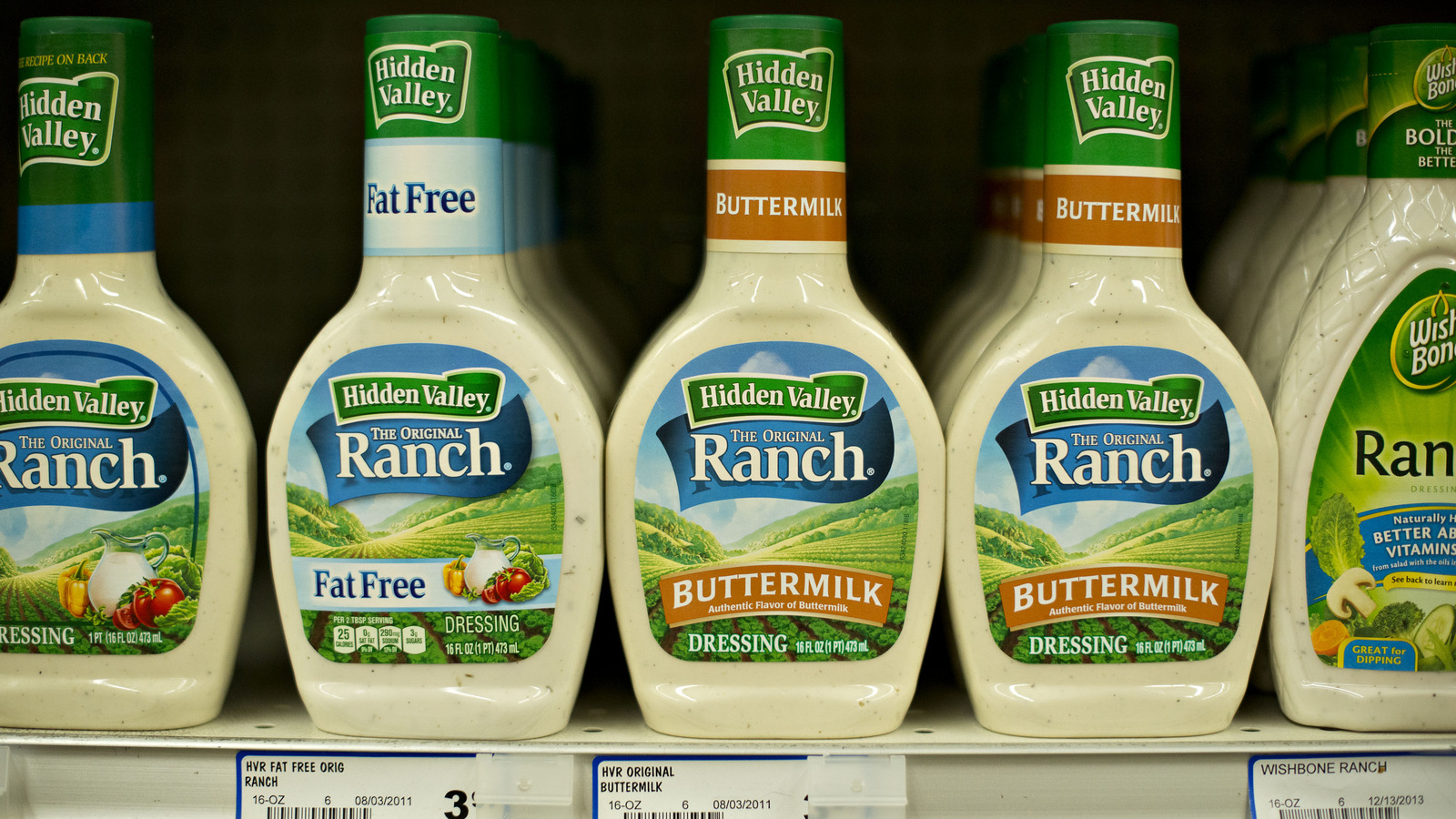
The Anatomy of a Flavor: How Ranch Defined a Brand Category
The history of ranch flavor is fundamentally a story of category creation. Before the 1950s, the concept of “ranch” did not exist in the consumer consciousness. Its journey from a hidden guest ranch in California to a global flavor standard illustrates how brands can move from being “products” to being “categories.”
The Origin Story: Authenticity as a Brand Pillar
The ranch narrative began with Steve Henson at Hidden Valley Ranch. The brilliance of the early branding was its rootedness in a specific place and experience. In brand strategy, authenticity is often the strongest foundation for loyalty. By naming the flavor after the location where it was served, the creators established a “provenance” for the taste. When consumers buy ranch today, they are subconsciously tapping into a legacy of Western hospitality and “ranch-style” living, even if the product is a mass-produced bottle from a multinational corporation.
Defining the Sensory Profile
From a brand identity perspective, ranch succeeded because it established a recognizable and repeatable sensory profile. In branding, consistency is the bedrock of trust. Ranch flavor is characterized by a precise balance of tanginess (acidity), creaminess (mouthfeel), and savory herbs (umami). This specific combination became a “sensory trademark.” Just as the “click” of a Zippo lighter or the “pop” of a Pringles can serves as a brand signal, the specific flavor profile of ranch became a reliable promise to the consumer: no matter the brand, the “ranch” label guarantees a specific experience.
The Psychology of Consistency: Why Ranch Flavor Scales Across Industries
One of the most fascinating aspects of ranch flavor is its versatility as a brand extension tool. It is rarely confined to dressing; it is a seasoning for chips, a dip for pizza, a topping for tacos, and even a flavor for soda. This scalability is a result of meticulous brand positioning and the psychological comfort of the “known.”
The Co-Branding Playbook
The “Ranch” identity is perhaps most powerful when used in co-branding. Consider the partnership between Hidden Valley and snack giants like Doritos (Cool Ranch). This is a strategic move where the “flavor brand” (Ranch) lends its equity to the “product brand” (Doritos). For the consumer, the presence of ranch flavor reduces the risk of trying a new product. They might not know if they like a new chip texture, but they know they like ranch. This “halo effect” allows brands to enter new markets with a pre-established level of consumer acceptance.
Standardization and Consumer Trust
In a fragmented market, consumers suffer from decision fatigue. Brands that offer a standardized “flavor shortcut” win the battle for attention. Ranch flavor has become a benchmark for “savory creaminess” in the same way that “Cola” is the benchmark for dark, carbonated soft drinks. By standardizing the flavor, brands have created a universal language. When a fast-food chain introduces a “Ranch Chicken Sandwich,” they aren’t just describing an ingredient; they are leveraging a massive, existing mental model in the consumer’s brain to trigger an immediate craving.
From Dressing to Cultural Icon: The Lifecycle of Brand Equity
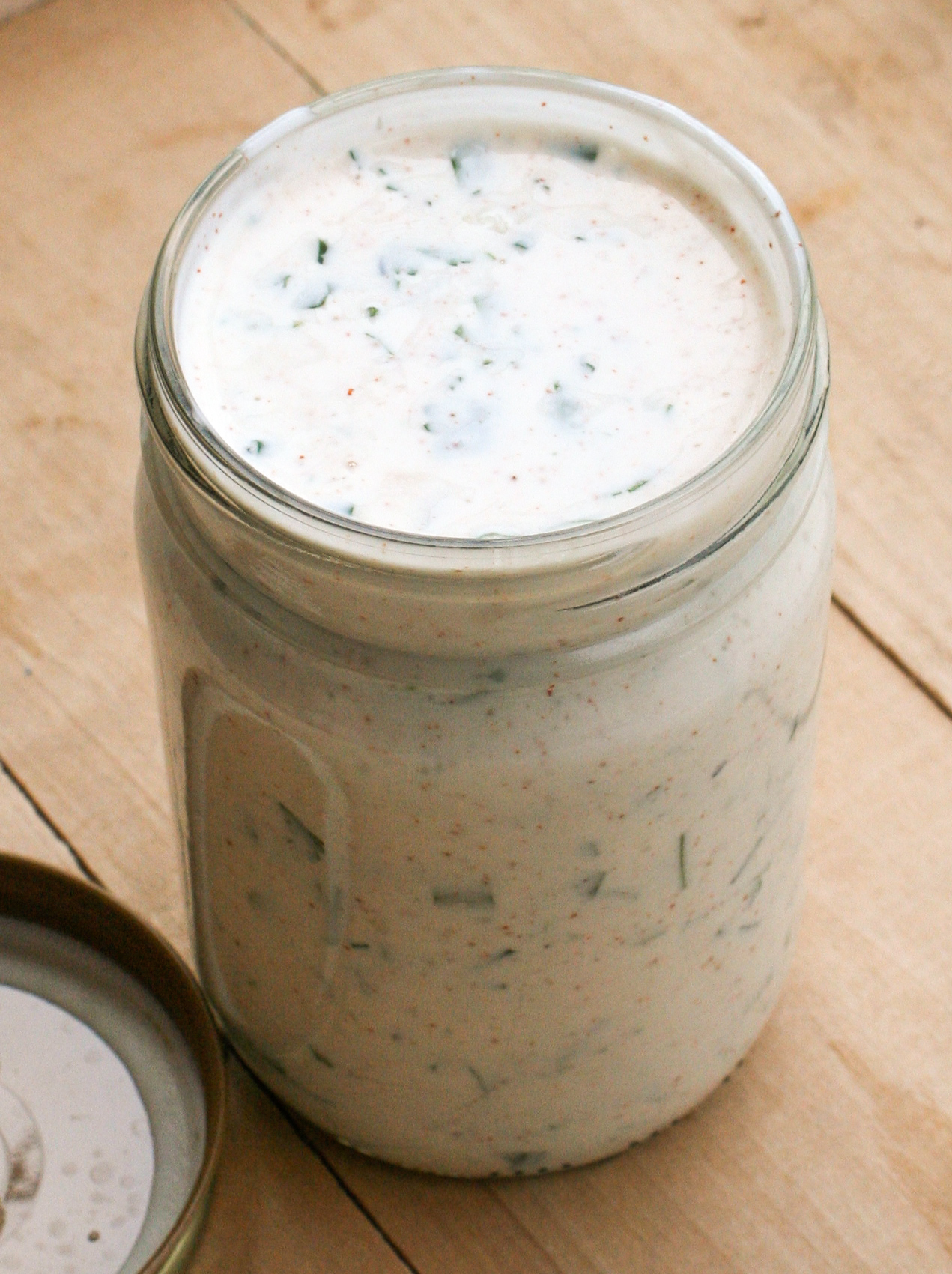
The transition of ranch from a niche dressing to a cultural icon is a textbook example of brand maturation. It has moved through the lifecycle from an innovator’s secret to a mass-market staple, and eventually into a “meme-able” lifestyle brand.
The Tribalism of Taste
Branding is often about creating a sense of belonging or “tribalism.” Ranch flavor has reached a level of popularity where it has its own superfans—communities of people who identify with the flavor as part of their personal brand. This has led to the creation of ranch-themed merchandise, from clothing to holiday ornaments. When a flavor becomes a lifestyle accessory, the brand equity has reached its peak. The “Ranch” brand no longer needs to explain what it is; it simply needs to exist as a symbol of a particular American culinary subculture.
Adapting to Global Markets
As brands expand globally, “ranch flavor” faces the challenge of localization. In many European markets, “ranch” is rebranded as “American flavor” or “Cool American.” This transition is a fascinating study in brand semiotics. The word “ranch” may not carry the same weight in Paris or Berlin as it does in Dallas, so the brand pivots to sell the idea of America itself. The flavor becomes a proxy for the American lifestyle—bold, creamy, and unpretentious. This adaptability ensures that the brand remains relevant even when its original cultural context is stripped away.
Implementing the “Ranch Effect” in Modern Brand Strategy
Modern marketers and brand managers can learn significant lessons from the ranch phenomenon. Whether you are building a software-as-a-service (SaaS) brand or a boutique fashion label, the “Ranch Effect” offers a blueprint for long-term market dominance.
Creating a Signature “Flavor” for Non-Food Brands
While ranch is a literal flavor, every brand needs a metaphorical “flavor”—a unique combination of attributes that are instantly recognizable. In the tech world, Apple’s “flavor” is minimalist design and intuitive UI. In the automotive world, Volvo’s “flavor” is safety. To achieve ranch-level dominance, a brand must identify its core “ingredients” and blend them so consistently that the consumer can recognize the brand without seeing the logo. This is often referred to as “de-branded” recognition.
Maintaining Relevance in a Crowded Market
The ranch category is now incredibly crowded, with every grocery store offering a private-label version. To maintain their position, the leading ranch brands (like Hidden Valley) must constantly innovate while staying true to the core identity. They do this through “Brand Modernization”—introducing plant-based versions, spicy variations (Habanero Ranch), or high-protein options.
The lesson here for brand strategists is that you cannot rest on your laurels once you have defined a category. You must continue to iterate on your “flavor” to meet changing consumer demographics (like Gen Z’s preference for heat and transparency) without alienating the core audience that built the brand’s foundation.
The Power of Emotional Resonance
Ultimately, the answer to “what is ranch flavor” is as much emotional as it is chemical. Ranch represents a “safe” choice in a world of complex, sometimes intimidating culinary options. Effective branding is about reducing friction and providing emotional security. If your brand can become the “ranch” of your industry—the reliable, comforting, and universally understood choice—you have achieved the ultimate goal of brand strategy.

Conclusion: The Strategic Legacy of Ranch
The story of ranch flavor is a reminder that the most successful brands are those that can take a complex set of attributes and distill them into a single, understandable concept. Ranch flavor is more than a mix of buttermilk and herbs; it is a powerful brand asset that has been leveraged to build empires.
For brand builders, the takeaway is clear:
- Own a category by defining a unique “flavor” or identity.
- Be consistent to build trust and recognition.
- Scale through partnership and cross-industry application.
- Innovate constantly while protecting the core equity that made you famous.
By understanding the mechanics behind the “Ranch Effect,” marketing professionals can better navigate the complexities of identity, consumer psychology, and market positioning to create brands that aren’t just products, but cultural staples.
aViewFromTheCave is a participant in the Amazon Services LLC Associates Program, an affiliate advertising program designed to provide a means for sites to earn advertising fees by advertising and linking to Amazon.com. Amazon, the Amazon logo, AmazonSupply, and the AmazonSupply logo are trademarks of Amazon.com, Inc. or its affiliates. As an Amazon Associate we earn affiliate commissions from qualifying purchases.