
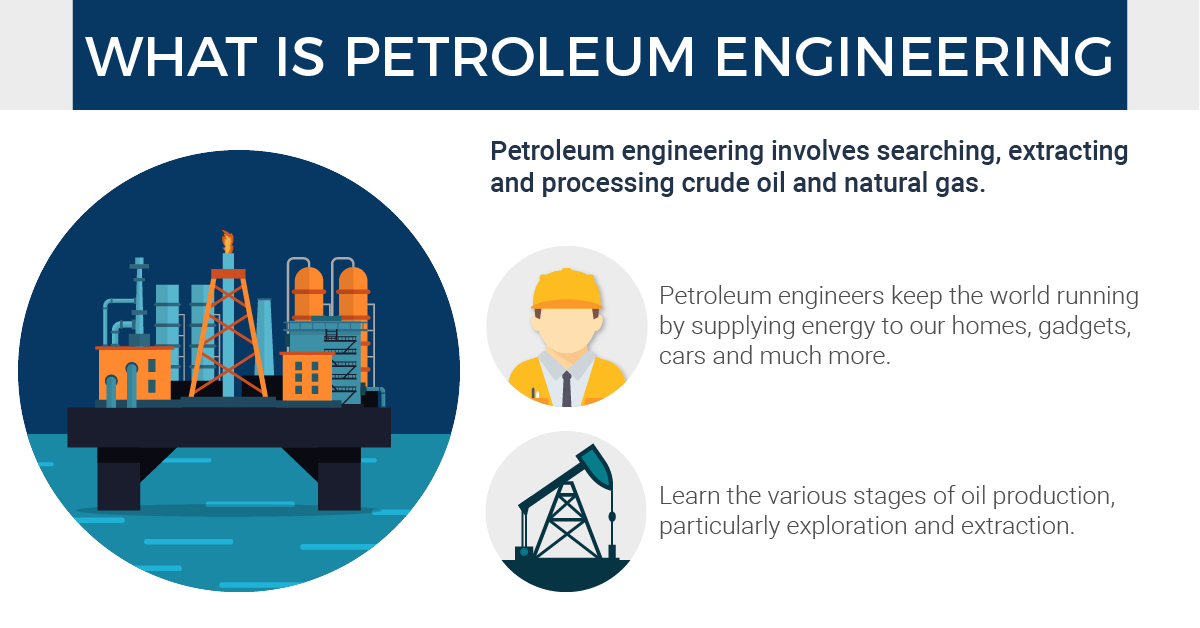
In the modern landscape, petroleum engineering is often misunderstood as a legacy industry defined by heavy machinery and manual labor. However, viewed through the lens of modern innovation, petroleum engineering is one of the most technologically advanced disciplines on the planet. It is the intersection of high-performance computing, sophisticated data analytics, and robotics, all working in unison to solve the complex puzzle of subterranean fluid dynamics.
At its core, petroleum engineering is the application of technological solutions to discover, extract, and manage hydrocarbon resources. As the “easy oil” has already been found, the industry has transitioned into a “tech-first” era, where software and hardware innovation are the only ways to navigate the extreme pressures and temperatures of the Earth’s crust.
The Convergence of Artificial Intelligence and Reservoir Engineering
The most significant shift in petroleum engineering over the last decade has been the integration of Artificial Intelligence (AI) and Machine Learning (ML). In the past, engineers relied on static models and historical data to predict how a reservoir might behave. Today, those models are dynamic, powered by algorithms that can process petabytes of information in real-time.
Predictive Modeling and Seismic Interpretation
Modern petroleum engineers utilize deep learning algorithms to interpret seismic data. Traditionally, identifying potential oil deposits involved geologists manually scanning 2D or 3D seismic maps—a process prone to human error. Now, AI-driven software can identify patterns in sound wave reflections with precision that exceeds human capability. These tools can “see” through miles of rock and salt to identify subtle stratigraphic traps, significantly reducing the “dry hole” rate and optimizing the placement of high-tech wells.
Real-Time Reservoir Simulation
Once a reservoir is identified, the challenge shifts to simulation. Petroleum engineers use High-Performance Computing (HPC) to run complex fluid flow simulations. These simulations account for thousands of variables, including pressure, temperature, and chemical composition. By utilizing cloud-based software platforms, engineers can run “what-if” scenarios to determine the most efficient extraction methods. This tech-heavy approach ensures that the energy return on investment is maximized while minimizing the physical footprint on the surface.
Advanced Hardware and the Rise of the “Smart Field”
If AI is the brain of modern petroleum engineering, the Internet of Things (IoT) and advanced hardware serve as its nervous system. The concept of the “Smart Field” or “Digital Oilfield” has revolutionized how resources are managed on a global scale.
Autonomous Drilling Systems
One of the most impressive technological leaps in the field is the development of autonomous drilling rigs. Similar to how a self-driving car navigates a busy street, these rigs use a suite of sensors and automated control systems to navigate the subsurface. Petroleum engineers now design “smart” drill bits equipped with LWD (Logging While Drilling) and MWD (Measurement While Drilling) tools. These tools transmit data in real-time to the surface via mud-pulse telemetry or wired pipe, allowing the engineer to steer the drill bit through narrow seams of oil-bearing rock with surgical precision.
IoT and Edge Computing in Remote Locations
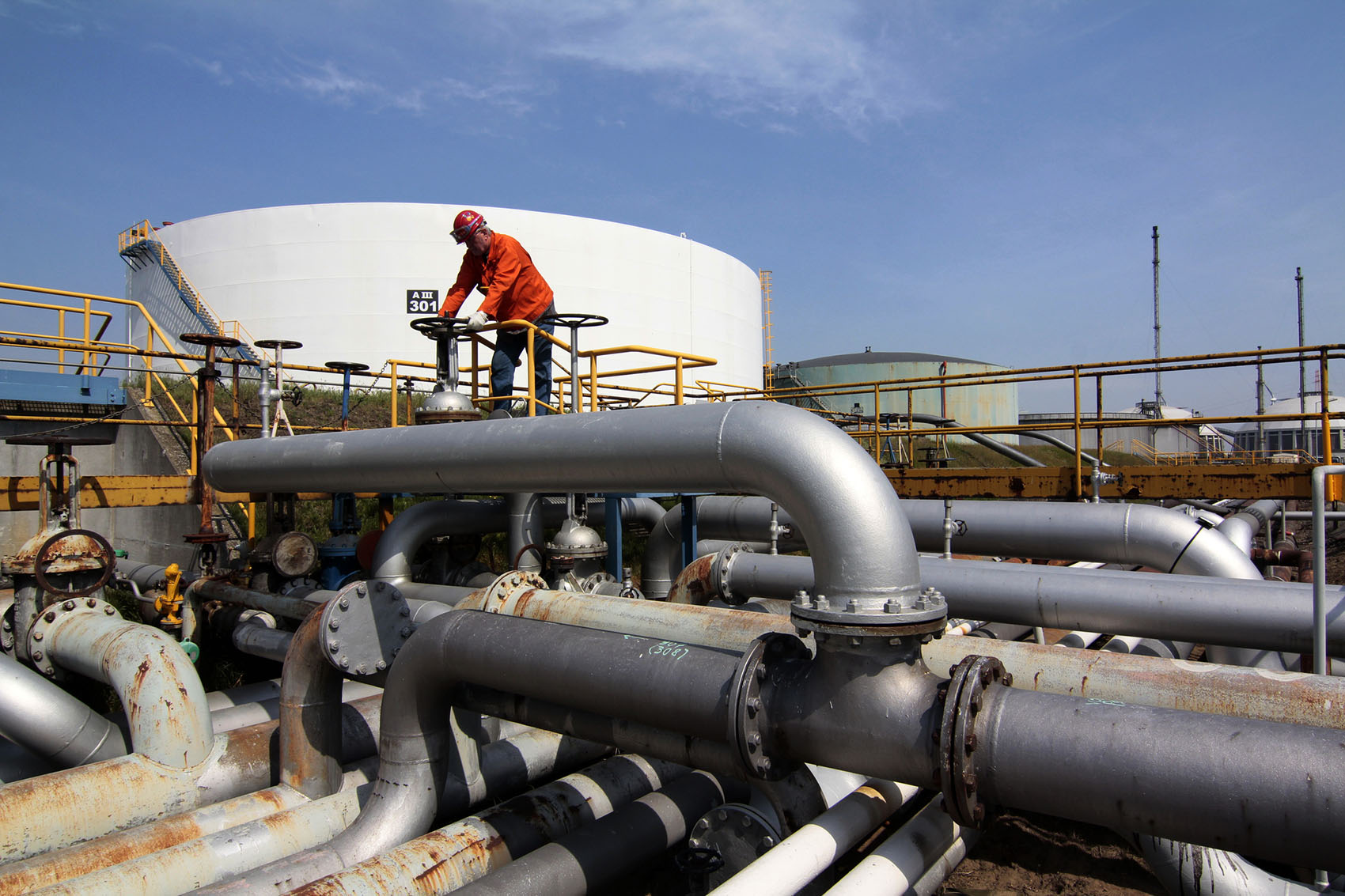
Petroleum engineering often takes place in some of the most inhospitable environments on Earth, from the deep waters of the Gulf of Mexico to the frozen tundras of the Arctic. To manage these assets, engineers deploy vast networks of IoT sensors that monitor pressure, flow rate, and structural integrity. Through “edge computing”—processing data locally on the device rather than sending it to a distant server—engineers can receive instant alerts regarding potential mechanical failures. This predictive maintenance technology prevents environmental disasters and equipment downtime, showcasing the critical role of digital security and hardware reliability.
Software Ecosystems and the “Digital Twin” Framework
In the niche of technology, a “Digital Twin” is a virtual representation of a physical object or system. For a petroleum engineer, the Digital Twin is the ultimate tool for production optimization.
Creating Virtual Replicas of Subsurface Assets
A Digital Twin allows engineers to create a complete virtual replica of a drilling platform or a subsea well. By integrating data from sensors, historical records, and geological surveys, the petroleum engineer can visualize the entire lifecycle of an asset before a single piece of equipment is ever deployed. This software allows for the stress-testing of equipment in a virtual environment, identifying potential bottlenecks in the production line and optimizing the flow of hydrocarbons through complex pipeline networks.
Integration with Enterprise Resource Planning (ERP)
Modern petroleum engineering is not an isolated discipline; it is integrated into a larger software ecosystem. Engineers use specialized plugins for Python and R to create custom scripts that bridge the gap between technical engineering data and corporate logistics. This seamless flow of data ensures that the technological side of the operation is always aligned with the logistical capabilities of the firm. From managing the supply chain of chemical injections to tracking the carbon footprint of a specific rig, software is the glue that holds the modern engineering workflow together.
Cybersecurity and the Future of Energy Tech
As petroleum engineering becomes increasingly digitized, the focus on digital security has become paramount. When a drilling operation is controlled by software and connected to the cloud, it becomes a piece of critical infrastructure that must be protected from cyber threats.
Protecting Critical Energy Infrastructure
Petroleum engineers now work closely with cybersecurity experts to implement robust defense mechanisms for Industrial Control Systems (ICS). Because a breach in a digital oilfield could lead to physical catastrophic failure, the industry is adopting “Zero Trust” architectures and advanced encryption for data transmission between remote rigs and central offices. This intersection of heavy industry and cybersecurity defines the new frontier of the profession.
The Pivot to Sustainability Tech and Carbon Capture
The technological toolkit of the petroleum engineer is also being repurposed for the energy transition. The same software used to model oil reservoirs is now being utilized for Carbon Capture and Storage (CCS). Engineers are designing systems to inject CO2 into depleted reservoirs, effectively reversing the extraction process. Furthermore, the development of geothermal energy relies heavily on petroleum engineering technology—specifically, the drilling and reservoir management techniques perfected over the last century.
In this context, petroleum engineering is evolving into “Subsurface Tech.” Whether it is managing hydrocarbons or sequestering carbon, the discipline remains a high-stakes, high-tech endeavor that leverages the absolute cutting edge of software, hardware, and data science to power the modern world.
Conclusion: The Engineer as a Technologist
To ask “what is petroleum engineering” today is to ask about the future of global technology. It is a field defined by the transition from mechanical systems to autonomous, data-driven ecosystems. As the industry continues to integrate AI, IoT, and Digital Twin technology, the petroleum engineer has moved from the wellhead to the workstation, managing the world’s energy needs through the power of code, computation, and connectivity.
The future of the discipline lies in its ability to continue this digital transformation, ensuring that energy production is not only more efficient but also more secure and technologically integrated than ever before. For those interested in the cutting edge of tech, petroleum engineering represents one of the most complex and rewarding playgrounds for innovation in the 21st century.
aViewFromTheCave is a participant in the Amazon Services LLC Associates Program, an affiliate advertising program designed to provide a means for sites to earn advertising fees by advertising and linking to Amazon.com. Amazon, the Amazon logo, AmazonSupply, and the AmazonSupply logo are trademarks of Amazon.com, Inc. or its affiliates. As an Amazon Associate we earn affiliate commissions from qualifying purchases.