
In the era of digital transformation, every facet of human biology is being translated into data. From heart rate monitoring via smartwatches to sleep tracking through rings, our biometric markers are the fuel for modern convenience. One such measurement, long confined to the quiet offices of optometrists, has recently surged into the digital spotlight: Pupillary Distance (PD).
To the uninitiated, PD might seem like a simple metric. However, within the realms of technology, optical engineering, and wearable hardware, PD is a critical data point that determines the efficacy of everything from high-index prescription lenses to the immersive reality of the latest VR headsets. Understanding what PD is, and the technology used to measure it, is essential for anyone navigating the modern landscape of digital eyewear and spatial computing.
Understanding Pupillary Distance (PD): The Core Data Point
At its most fundamental level, Pupillary Distance is the measurement, in millimeters, between the centers of your pupils. While it sounds straightforward, it is the cornerstone of “binocular vision”—the way our brains integrate two separate images from our eyes into a single, three-dimensional view.
The Definition and Varieties of PD
In the world of optical tech, there isn’t just one type of PD. Engineers and software developers must account for two distinct variations:
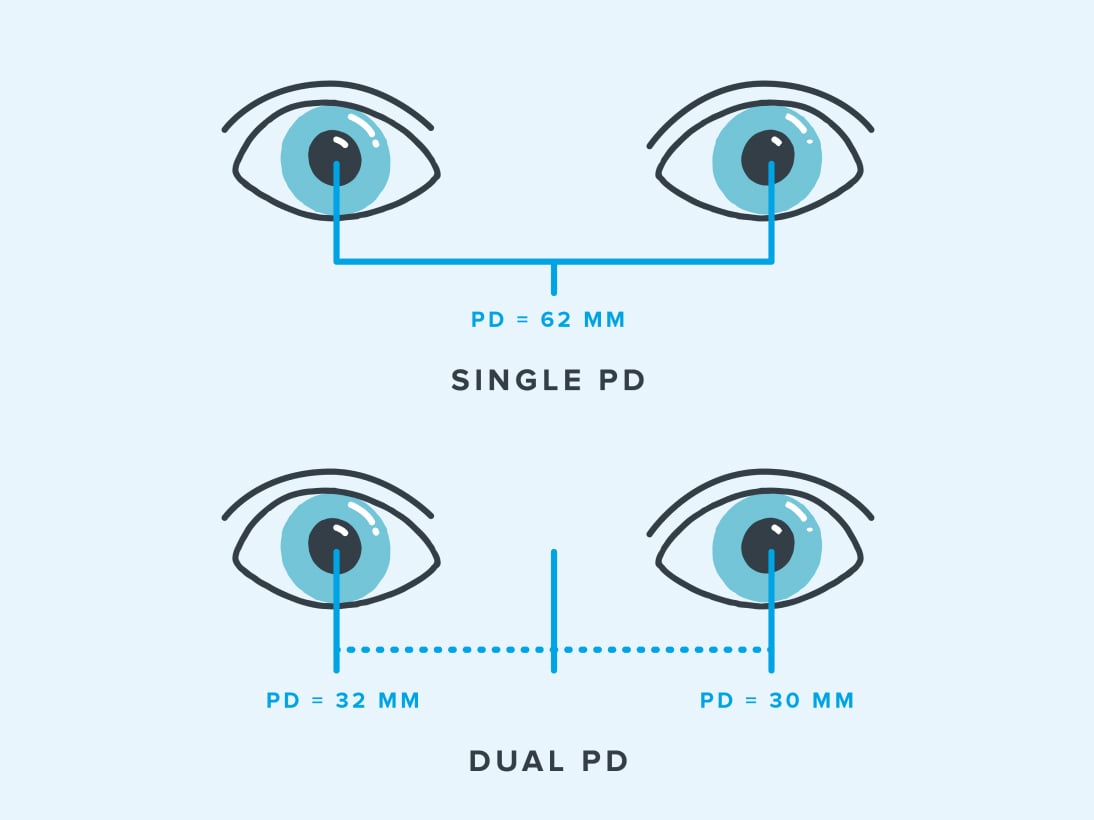
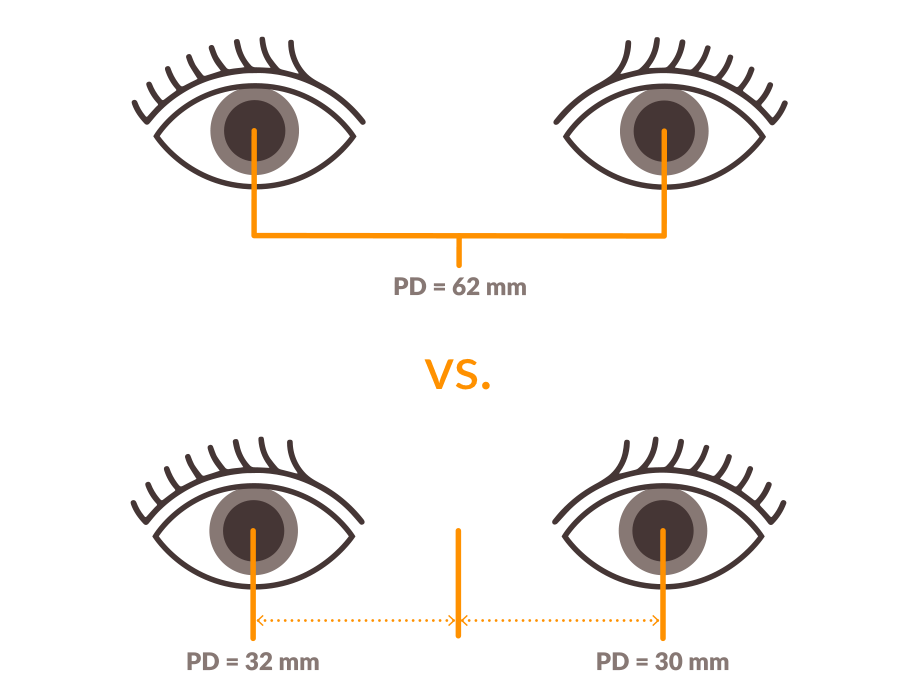
- Binocular PD: The total distance between the center of one pupil to the other.
- Monocular PD: The distance from the bridge of the nose to the center of each individual eye. This is often more precise because human faces are rarely perfectly symmetrical.
When you purchase glasses, the “Optical Center” (OC) of the lens must align perfectly with your pupils. If the technology behind the lens manufacturing does not match your biological PD, the user experiences “prism effects,” leading to eye strain, blurred vision, and chronic headaches.
Why Millimeters Matter in Precision Optics
In the context of modern lens manufacturing, precision is handled by CNC (Computer Numerical Control) generators. These machines take the digital input of a user’s PD to grind the lens so that the “sweet spot” of the prescription sits exactly where the eye looks through it. A deviation of even 2mm can render a high-performance lens ineffective. This is particularly true for progressive lenses or high-index materials where the refractive index is high, and the margin for error is razor-thin.
Digital Measurement Tools: From Rulers to AI-Powered Apps
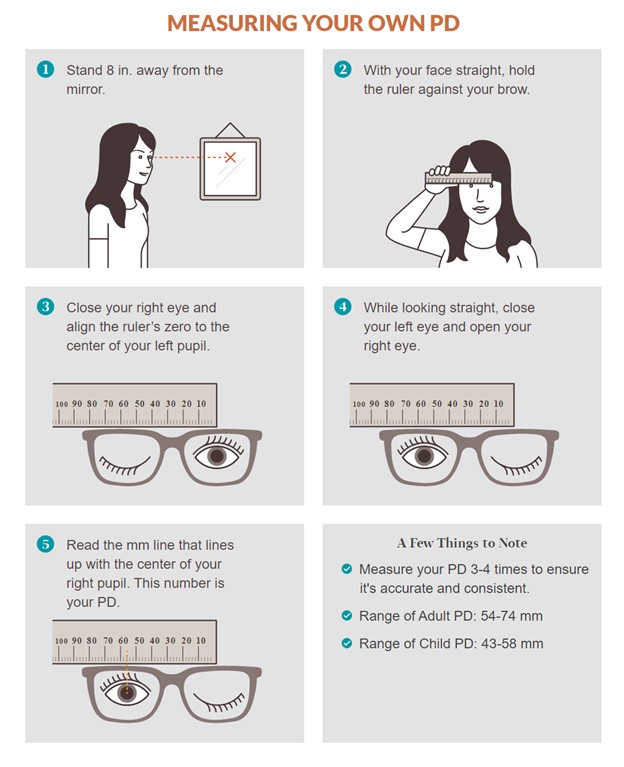
Traditionally, an optician would use a “Pupilometer”—a handheld analog device—to measure PD. However, the rise of e-commerce and telehealth has birthed a new generation of digital measurement tools. We are moving away from manual estimation toward automated, algorithmic precision.
The Evolution of Optical Tech: Web-Based Scanning
Modern online eyewear retailers have moved beyond the “hold a credit card to your forehead” method. Today, they utilize sophisticated browser-based computer vision. By accessing a user’s webcam, these platforms use JavaScript libraries and machine learning models to detect facial landmarks. The software identifies the iris’s edges and calculates the distance between the two pupils by using a known object (like a standard magnetic stripe card) as a reference point for scale.
How Smartphone Algorithms and LiDAR Calculate PD
The most significant leap in PD technology has come from mobile applications. Leveraging the advanced camera arrays on modern smartphones, these apps use:
- Computer Vision: Algorithms that can identify the exact center of the pupil in varying light conditions.
- Depth Mapping: On devices equipped with LiDAR (Light Detection and Ranging) or TrueDepth sensors (like those used for FaceID), the software can create a 3D map of the face. This allows the app to calculate monocular PD with sub-millimeter accuracy, accounting for the curvature of the bridge of the nose and the depth of the eye sockets.
This shift represents a democratization of optical data. What was once proprietary information held by medical clinics is now a data point that users can generate with high-fidelity tech in their own homes.
The Intersection of PD and Wearable Tech: VR and AR Applications
While PD is vital for corrective eyewear, it has become a “make or break” metric for the hardware developers of Virtual Reality (VR) and Augmented Reality (AR) headsets. In the tech industry, this is often referred to as IPD (Interpupillary Distance).
Adjusting IPD in Virtual Reality
In a VR headset like the Meta Quest 3 or the Valve Index, you are looking through two Fresnel or Pancake lenses at two distinct display panels. If the lenses are not aligned with your PD, the “sweet spot” of the lens is missed. This results in “God rays” (light streaks), blurring, and a loss of the 3D effect.
High-end headsets now feature:
- Physical IPD Sliders: Mechanical systems that move the internal displays and lenses to match the user’s PD.
- Software Overlays: Digital readouts that tell the user their exact millimeter setting as they move the slider, ensuring the hardware perfectly mirrors their biological data.
The Future of Spatial Computing and Auto-Adjustment
The Apple Vision Pro and other spatial computing devices have taken this a step further. Utilizing internal infrared cameras and eye-tracking technology, these devices can measure the user’s PD automatically upon startup. This “Auto-IPD” adjustment uses motorized actuators to move the lenses into the optimal position without the user ever having to look at a ruler. This represents the pinnacle of PD technology: a seamless integration of biometric sensing and mechanical execution.
Data Security and Accuracy in Digital Eye Care
As PD measurement moves from the doctor’s office to the cloud, it brings up significant questions regarding digital security and the reliability of software versus hardware.
Protecting Your Biometric Information
A PD measurement, when combined with a facial scan, is a form of biometric data. Tech companies are now tasked with ensuring that these facial maps—used to calculate PD for virtual try-on features—are encrypted. In the “Brand vs. Tech” struggle, the most successful companies are those that prioritize “Privacy by Design,” ensuring that the 3D mesh of a user’s face is processed on-device (Edge Computing) rather than being stored on a central server.
The Hardware vs. Software Debate
Despite the brilliance of AI-powered PD apps, a debate persists in the optical tech community: Can software ever truly replace the “Gold Standard” of a professional Pupilometer?
Software must account for “parallax error”—the distortion that occurs when a user looks at a camera lens rather than at infinity. Modern tech addresses this through “Pre-computation” and “Instructional UI,” guiding the user to look at specific points to simulate a “distance PD” (used for driving) versus a “near PD” (used for reading).
The Future of Automated Prescription Fulfillment
We are rapidly approaching a “closed-loop” system in optical technology. Imagine a scenario where a user’s smartphone measures their PD with LiDAR, their prescription is updated via an online refraction test, and the resulting data is sent to a fully automated lab where robots cut the lenses to the exact monocular PD specs.
This technological arc transforms the PD from a simple measurement into a digital “key” that unlocks high-performance vision. As we move closer to a world dominated by AR glasses that we wear all day, the precision of our PD data will be just as important as the resolution of our screens.
Conclusion
“What is PD in glasses?” is no longer a question with a simple analog answer. In the modern tech landscape, PD is a vital biometric coordinate. It is the bridge between our physical bodies and the digital optical systems we use to see the world. Whether it is ensuring your new pair of blue-light glasses doesn’t cause a headache or ensuring your VR experience is perfectly immersive, the technology behind those few millimeters is a testament to the incredible precision of modern digital eye care. As AI and sensor tech continue to evolve, the way we measure and utilize our pupillary distance will only become more automated, more accurate, and more essential to our digital lives.
aViewFromTheCave is a participant in the Amazon Services LLC Associates Program, an affiliate advertising program designed to provide a means for sites to earn advertising fees by advertising and linking to Amazon.com. Amazon, the Amazon logo, AmazonSupply, and the AmazonSupply logo are trademarks of Amazon.com, Inc. or its affiliates. As an Amazon Associate we earn affiliate commissions from qualifying purchases.