
In the world of high-stakes media, a personal brand is more than just a reputation—it is a multi-million dollar asset built on the foundations of trust, reliability, and public affinity. For over two decades, Matt Lauer stood as the gold standard of this asset class. As the face of NBC’s Today show, his personal brand was synonymous with “America’s morning.” However, the events following November 2017 transformed his name from a premier media commodity into a cautionary tale of total brand devaluation.
To understand what is happening to Matt Lauer today, one must look past the headlines and analyze his trajectory through the lens of brand strategy. His story is no longer about broadcast journalism; it is a case study in the anatomy of a brand collapse, the mechanics of corporate distancing, and the irreversible loss of brand equity in a post-accountability era.

The Anatomy of a Brand Collapse
A personal brand is built on a “promise” to the consumer. For Lauer, that promise was one of integrity, warmth, and the steady hand of a trusted newsman. When the allegations of sexual misconduct surfaced and led to his immediate termination, that promise was not just broken; it was fundamentally invalidated.
The “America’s Dad” Persona as a Strategic Asset
For years, Lauer’s brand was meticulously cultivated to appeal to a broad demographic. He occupied a unique space in the cultural zeitgeist—part hard-hitting journalist, part relatable neighbor. This “everyman” appeal allowed him to command a salary upward of $20 million a year. From a brand perspective, he was a “Blue Chip” asset. His value was predicated on his perceived character, which made him the ideal vessel for advertisers looking to reach families during the breakfast hour. When the reality of his private conduct contradicted his public persona, the brand experienced what marketers call “cognitive dissonance,” leading to a rapid and total rejection by the audience.
The Fragility of Trust in News Personalities
Unlike a movie star or a musician, a news anchor’s brand equity is almost entirely composed of trust. If an actor is involved in a scandal, their “product” (the film) may still be consumed as entertainment. However, for a news personality, the “product” is the person themselves. When the trust is severed, the product becomes obsolete. What is happening to Lauer is the realization of a “zero-value” state. In the branding world, once trust is zeroed out, there is no foundation upon which to rebuild, regardless of past achievements.
Crisis Management and the Strategy of Silence
Since his exit from the public eye, Lauer’s “brand” has entered a state of forced reclusion. In traditional crisis management, there are typically three paths: the apology tour, the pivot to a new niche, or total withdrawal. Lauer has largely occupied the third category, a strategic move that acknowledges the impossibility of a standard PR “rebrand.”
The Pivot to Reclusion as Brand Preservation
In the years following his dismissal, Lauer has remained largely out of the spotlight, residing primarily in the Hamptons. From a brand management standpoint, this is a “dark” strategy. When a brand is radioactive, any attempt to engage with the public—even an apology—can serve to reignite the controversy and deepen the negative sentiment. By remaining silent, Lauer is not necessarily seeking a comeback, but rather practicing a form of damage control aimed at preserving what remains of his private life, as his public life has been effectively liquidated.
Why a Comeback is Markedly Impossible in the Digital Age
In previous decades, a disgraced figure might wait five years and attempt a return via a small-market radio show or a memoir. However, the digital footprint of a brand collapse in the 21st century is permanent. Search engine optimization (SEO) ensures that any mention of “Matt Lauer” is inextricably linked to the 2017 allegations. For a corporate sponsor or a network to partner with him would represent a catastrophic brand risk. In the modern marketplace, “what is happening” to a disgraced brand is a permanent exile necessitated by the risk-aversion of corporate stakeholders.

Corporate Identity: The NBC “Today” Brand Post-Lauer
One of the most fascinating aspects of Lauer’s downfall is how the parent brand—NBC—handled the removal of its most prominent symbol. This was a masterclass in corporate identity preservation and the “surgical removal” of a toxic asset.
Distancing as a Strategic Survival Tactic
The moment the allegations were verified, NBC News leadership made the strategic decision to prioritize the Today show brand over the individual. By announcing his firing on-air—delivered by his long-time co-anchor Savannah Guthrie—NBC signaled a shift in corporate values. They effectively “burned the bridge” to save the city. This move was essential to decouple the show’s identity from Lauer’s personal brand. From a marketing perspective, this prevented the “contagion effect,” where the scandals of an individual infect the entire organization.
Rebuilding the Morning Show Brand Identity
Following Lauer’s departure, the Today show underwent a brand refresh that emphasized a more collaborative, ensemble-driven atmosphere. By moving Hoda Kotb into the co-anchor chair, NBC transitioned the brand from a patriarchal, personality-driven model to one that felt more contemporary and inclusive. This shift wasn’t just about personnel; it was about changing the brand’s “vibe” to align with shifting cultural expectations. The success of the show post-Lauer proves a fundamental rule in branding: the institution must always be larger than the individual.
Lessons for Modern Brand Strategy
The ongoing narrative of Matt Lauer’s disappearance from public life offers several critical lessons for CEOs, influencers, and brand managers. It highlights the evolution of how we value personal brands and the increasing importance of “internal” brand health.
The Importance of Internal Culture in External Branding
In the past, a brand was defined solely by its external output—the commercials, the interviews, the public appearances. Today, the internal culture of a brand is public-facing. The “Matt Lauer” brand failed not because of a bad interview or a dip in ratings, but because of a failure in internal conduct and corporate culture. Modern branding dictates that you cannot have a healthy external brand if the internal environment is toxic. Transparency and ethics are no longer just HR concerns; they are core components of brand strategy.
Monitoring the Moral Compass of Influence
For brands looking to partner with “faces” or “influencers,” the Lauer case is a reminder of the necessity of deep due diligence. A personal brand is a volatile asset. As we see with what is happening to Matt Lauer, the downfall is often swift and absolute. Companies now utilize “morality clauses” in contracts that are more stringent than ever before. The lesson is clear: when your brand is tied to a human being, you are vulnerable to that human’s choices. The current landscape favors brands that are built on values rather than just charismatic leadership.
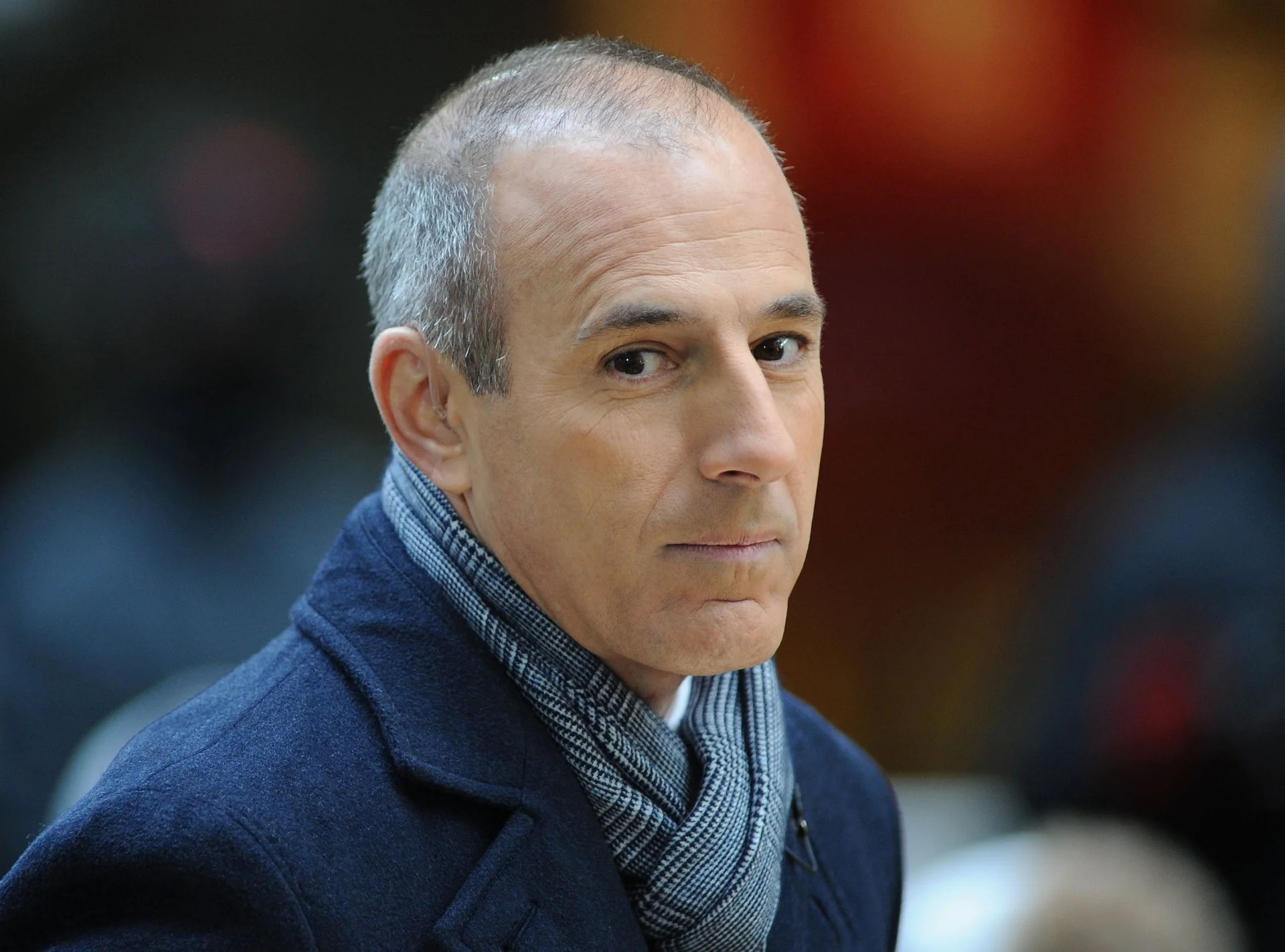
The Legacy of a Void
What is happening to Matt Lauer is essentially the maintenance of a void. In the world of brand strategy, his name has transitioned from a “Trademark” to a “Symbol of Caution.” He exists now as a historical marker for the beginning of the #MeToo era’s impact on corporate America.
For Lauer, there is no “Version 2.0.” There is no “rebranding” that can overwrite the systemic breach of trust that occurred. His story serves as a stark reminder that in the modern economy, your brand is your most valuable currency, but it is a currency that can be devalued to zero overnight. In the end, the erasure of Matt Lauer from the cultural and professional landscape is not just a personal story—it is the ultimate evidence of the power of brand accountability in the 21st century.
Strategic reclusion remains his only viable path, as the marketplace has collectively decided that the “Matt Lauer” brand no longer has a place in the consumer journey. His legacy is now a textbook example of how the mightiest brands can fall when they fail to protect the very thing that gave them power: the public’s trust.
aViewFromTheCave is a participant in the Amazon Services LLC Associates Program, an affiliate advertising program designed to provide a means for sites to earn advertising fees by advertising and linking to Amazon.com. Amazon, the Amazon logo, AmazonSupply, and the AmazonSupply logo are trademarks of Amazon.com, Inc. or its affiliates. As an Amazon Associate we earn affiliate commissions from qualifying purchases.