
In the rapidly evolving world of consumer electronics, the bathroom—once the final frontier of the analog home—has undergone a massive digital transformation. When we ask, “What is a bidet used for?” in a contemporary context, we are no longer talking about a simple porcelain basin with a faucet. Today’s bidet is a sophisticated piece of “Health-Tech” hardware. It is a high-tech solution for sanitation, environmental sustainability, and personal wellness, integrating advanced sensors, IoT connectivity, and precision engineering.
As we look at the intersection of technology and lifestyle, the modern bidet serves as a primary example of how hardware innovation can disrupt centuries-old habits. From instant-heating ceramic modules to UV-sterilization cycles, the bidet has transitioned from a niche plumbing fixture to an essential gadget for the tech-conscious consumer.
Beyond the Porcelain: The Engineering of Modern Bidet Technology
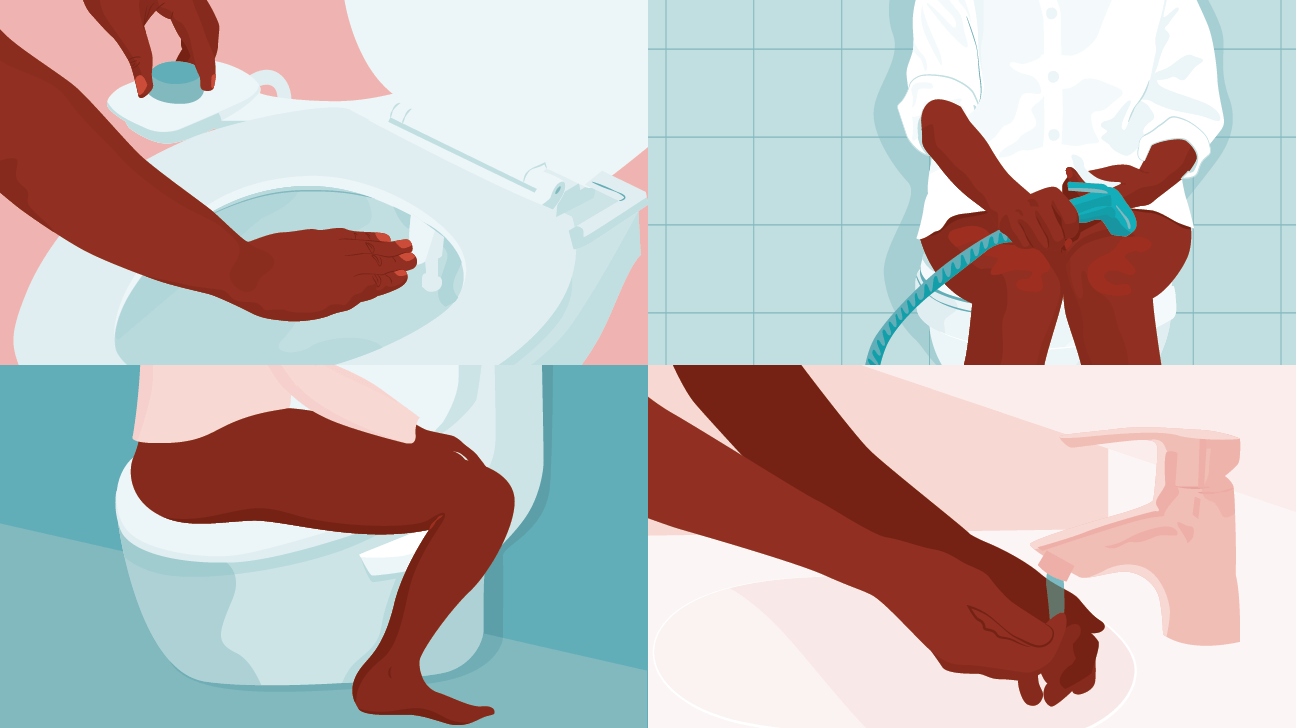
To understand what a bidet is used for today, one must look at the internal components that mirror those found in high-end appliances or automotive systems. The modern electronic bidet, often referred to as a “washlet” or a smart toilet seat, is a marvel of fluid dynamics and thermal engineering.
Precision Water Control and Pressure Modulation
The primary function of a bidet is localized cleaning, but the technology behind the “stream” has become incredibly complex. High-end models utilize micro-processors to control the water pressure with extreme precision. Rather than a constant, blunt flow, these devices use aerated streams—injecting air bubbles into the water droplets—to increase cleaning efficiency while reducing water volume. This modulation allows for various modes, such as “pulse” or “oscillate,” where the nozzle moves via a motorized linear actuator to ensure maximum coverage without the user having to adjust their position.
Temperature Regulation and Instant Heating Elements
One of the most significant technological leaps in bidet design is the move from reservoir-based heating to tankless, instant heating. Older electric bidets stored warm water in a small tank, which was limited in capacity and energy-inefficient. Modern tech-forward bidets use ceramic heating coils that warm the water instantly as it flows toward the nozzle. This allows for an endless supply of warm water and a significantly smaller hardware footprint. This transition from analog storage to digital, on-demand heating is a hallmark of the modern smart home.
The Integration of Smart Home Ecosystems
The “Internet of Things” (IoT) has permeated every corner of our lives, and the bathroom is no exception. A bidet is now used as a node in a broader smart home network, providing levels of personalization that were previously unthinkable.
IoT Connectivity and Personalized User Profiles
High-end bidet systems now feature Bluetooth and Wi-Fi connectivity. Why does a bathroom fixture need an internet connection? The answer lies in the “User Experience” (UX). Households often have multiple members with varying preferences for water temperature, nozzle position, and air-dryer heat. Through integrated mobile apps or side-mounted capacitive touch panels, users can save personalized “profiles.” When a specific user approaches, the bidet recognizes their device or a preset code and automatically adjusts its hardware settings to their specific comfort metrics.
Remote Control and Mobile App Functionality
The interface of the bidet has moved away from clunky plastic knobs to sleek, wireless remote controls and smartphone interfaces. These remotes often use RF (Radio Frequency) technology to communicate with the seat, allowing for a clutter-free aesthetic. Some manufacturers have even developed apps that track usage data, providing insights into water consumption or even diagnostic alerts if a component—such as the carbon air filter or the heating element—requires maintenance. This shift toward “Predictive Maintenance” is a standard trend in the broader tech industry now applied to personal hygiene.
Advanced Sensor Technology and Automation
What a bidet is used for in 2024 goes far beyond cleaning; it is about an automated, hands-free interaction. This is made possible through an array of sophisticated sensors that turn a passive object into an active, responsive environment.
Proximity Sensors and Motion-Activated Features
Modern smart bidets are equipped with microwave or infrared (IR) proximity sensors. These sensors detect when a user enters the room or approaches the toilet. In response, the hardware can perform several automated tasks: the lid may lift via a silent stepper motor, a pre-mist function may coat the bowl with an electrolyzed water film to prevent waste adhesion, and the seat heater may activate. This level of automation reduces the need to touch surfaces, leveraging tech to enhance hygiene and convenience simultaneously.
Self-Cleaning Mechanisms and UV Sterilization
The nozzle is the most critical component of the bidet, and its cleanliness is paramount. Tech-driven bidets solve this through automated sterilization cycles. Many devices now feature nozzles made of antimicrobial stainless steel that undergo a “self-flush” before and after every use. To take it a step further, the highest tier of gadgets utilizes UV-C light technology. After the user leaves, a UV-C LED illuminates the nozzle, breaking down the DNA of bacteria and viruses at a molecular level. This is the same technology used in medical-grade sterilization, repurposed for home consumer electronics.
Eco-Tech: Sustainability Through Digital Efficiency
In the tech world, “Efficiency” is a core metric. The bidet is a powerful tool for environmental tech, used to drastically reduce the carbon footprint associated with traditional paper-based hygiene.
Reducing the Carbon Footprint of Paper Waste
The production of toilet paper is a resource-intensive process requiring millions of gallons of water and the harvesting of vast forests. By substituting paper with a digitally controlled water stream, a bidet represents a significant hardware solution to an environmental problem. Furthermore, the integrated warm-air dryers—driven by powerful fans and heating elements—aim to eliminate the need for “drying” paper entirely. This transition from a disposable-based system to a durable-goods system is a classic tech-led sustainability play.
Optimizing Water Usage with Smart Flow Sensors
While it may seem counterintuitive that a device using water is more sustainable, the tech says otherwise. Smart bidets are designed to be incredibly water-efficient. By using flow sensors and high-pressure aeration, a bidet uses significantly less water for a single cleaning cycle than is required to manufacture even a few squares of toilet paper. Sophisticated power-management modes also ensure that the device enters a “Deep Sleep” state during hours of inactivity, minimizing “vampire” energy draw and optimizing the home’s overall energy efficiency.
The Future of Health-Tech Integration
Looking forward, the question of “What is a bidet used for?” will likely move into the realm of diagnostic healthcare. The bathroom is the primary location for gathering biological data, and tech companies are beginning to capitalize on this.
Biometric Scanning and Wellness Monitoring
We are already seeing the emergence of “Smart Toilets” and bidet seats equipped with sensors capable of basic biometric scanning. Future iterations of these devices may include sensors in the water stream or the bowl that can perform urinalysis or stool analysis, tracking metrics like hydration levels, glucose, or even early indicators of digestive distress. In this scenario, the bidet becomes a diagnostic tool, sending encrypted health data to a user’s smartphone or directly to their healthcare provider.
The Intersection of Hygiene and Preventative Healthcare
The bidet is fundamentally a tool for preventative health. By providing a superior level of cleanliness compared to dry paper, it reduces the risk of skin irritation and infection. As bidet technology becomes more mainstream, we are seeing it rebranded from a luxury item to a “Wellness Wearable” for the home. The integration of high-definition cameras (for surface-level skin checks) and AI-driven analysis of waste are no longer science fiction but are currently in the R&D phases of major tech firms in Japan and South Korea.
In conclusion, a bidet is used for much more than simple cleaning. It is a sophisticated piece of household technology that integrates fluid engineering, IoT connectivity, and automated sterilization. As we continue to digitize our living spaces, the smart bidet stands as a testament to how traditional habits can be optimized through the power of modern technology, leading to a future that is cleaner, smarter, and more sustainable.
aViewFromTheCave is a participant in the Amazon Services LLC Associates Program, an affiliate advertising program designed to provide a means for sites to earn advertising fees by advertising and linking to Amazon.com. Amazon, the Amazon logo, AmazonSupply, and the AmazonSupply logo are trademarks of Amazon.com, Inc. or its affiliates. As an Amazon Associate we earn affiliate commissions from qualifying purchases.